What Do Eyelash Mites Look Like?

Key Takeaways
- Eyelash mites are microscopic, so they usually cannot be identified by simply looking in a mirror.
- A small number of Demodex mites is common and does not always cause problems.
- Symptoms such as itchy eyelids, lash debris, and morning crusting may suggest eyelid inflammation.
- An eye specialist can confirm whether mites are contributing to blepharitis or other surface-eye irritation.
- Treatment focuses on eyelid hygiene and, when needed, prescription therapies recommended by a doctor.
Eyelash mites are tiny Demodex mites that live in hair follicles and eyelash roots; they are too small to see clearly with the naked eye. When they overgrow, they can contribute to eyelid irritation, redness, itching, and crusting along the lash line.
Overview
When people ask what do eyelash mites look like, the most important answer is that they are usually not visible as individual creatures without a microscope. Eyelash mites are typically Demodex mites, extremely small organisms that live in or near hair follicles, including the follicles at the base of the eyelashes.
On a human face, they do not appear as a clear bug that can be easily spotted in the mirror. Instead, their presence is often suspected because of the changes they can cause around the eyelids: irritation, redness, debris at the lash line, or a gritty feeling in the eyes. Many people have some Demodex mites naturally, and the concern is usually not their presence alone but whether they are multiplying enough to contribute to symptoms.
For patients who are trying to decide whether to travel for care, it helps to know that this is usually a condition diagnosed by an eye professional through examination rather than by self-detection. In other words, the question is less about recognizing a “look” and more about understanding the signs that suggest eyelid inflammation may be involved.
Symptoms

Eyelash mite overgrowth can resemble other common eye surface problems, so symptoms are often the clue that prompts evaluation. People may notice itchy eyelids, burning, mild redness along the lid margins, or a sensation that something is stuck in the eye.
Other common signs can include:
- Crusty or flaky debris at the base of the eyelashes
- Watery eyes or intermittent blurred vision that clears with blinking
- Sticky eyelids, especially in the morning
- Lashes that look uneven, thin, or more fragile than usual
- A recurring feeling of eyelid irritation despite basic cleaning
These symptoms do not prove eyelash mites are the cause, because dry eye, allergies, blepharitis, skin conditions, and infections can create similar complaints. A proper eye examination is the safest way to separate these possibilities.
Causes & Risk Factors
Demodex mites are part of the normal skin environment for many adults. They are more common with age, and some people carry them without ever developing symptoms. Problems may arise when the mites increase in number or when the eyelid skin reacts to their presence.
Several factors can make eyelid irritation more likely. These include older age, oily skin, rosacea, chronic blepharitis, weakened local eyelid defense, and reduced ability to clean the lid margins thoroughly. Contact lens wear and makeup use do not cause mites, but they can make irritation harder to interpret when symptoms are already present.
The cause is not poor personal cleanliness alone. That misconception can leave people feeling embarrassed when the real issue is often a combination of natural skin flora, eyelid inflammation, and individual susceptibility. This is one reason it is helpful to discuss symptoms with a qualified clinician rather than guessing at home.
Diagnosis
An eye doctor usually begins with a detailed history and a careful look at the eyelids, lashes, and eye surface. In many cases, the pattern of inflammation suggests blepharitis, and the clinician then considers whether Demodex may be contributing.
Diagnosis may involve close examination with a slit lamp, which gives a magnified view of the lashes and lid margins. In some clinics, a few eyelashes are gently sampled and examined under a microscope to look for mites or their characteristic signs. The goal is not simply to “find a bug,” but to understand the underlying reason for irritation and choose the most appropriate care.
For international patients, an organized eye assessment can be especially helpful when symptoms have been persistent or when previous treatments have not brought relief. A specialist can also distinguish mite-related irritation from dry eye disease, allergy, styes, seborrheic dermatitis, or other conditions that may look similar.
Treatment Options
Treatment is usually tailored to the severity of symptoms and the findings on examination. The first step often involves eyelid hygiene, because clearing debris from the lash line can reduce irritation and improve the eyelid environment. Warm compresses and gentle cleaning are commonly recommended, though the exact routine should come from an eye care professional.
When symptoms are persistent or the mite burden appears significant, clinicians may recommend additional therapies. These can include prescription eyelid treatments, anti-inflammatory approaches, or products specifically designed to target Demodex-related blepharitis. The right option depends on age, eye sensitivity, other skin or eye conditions, and whether the cornea or tear film has been affected.
It is important not to use home remedies that may harm the eye surface. Essential oils, harsh scrubs, or untested products can worsen irritation. If a patient is considering treatment while traveling, it is sensible to ask in advance how follow-up will be arranged after returning home, because eyelid inflammation may need more than one visit to monitor improvement.
Prevention & Self-care
Because Demodex mites can be a normal part of skin life, prevention is less about eliminating them entirely and more about keeping the eyelids healthy. Consistent lid hygiene, as advised by an eye specialist, is often the most practical self-care strategy.
Helpful habits may include:
- Cleaning the eyelid margins gently as recommended by a clinician
- Removing eye makeup before sleep
- Avoiding sharing eye makeup or applicators
- Replacing old mascara and eyeliner regularly
- Managing associated skin conditions such as rosacea under medical guidance
People who wear contact lenses should follow lens hygiene instructions carefully and pause lens use if advised during an active flare. If symptoms return frequently, the patient should not keep restarting random over-the-counter products without checking the underlying cause, because repeated irritation can make the eyes feel worse over time.
When to See a Doctor
An eye doctor should evaluate eyelid irritation when symptoms last more than a short time, keep coming back, or affect daily comfort. A visit is especially important if there is worsening redness, significant crusting, pain, light sensitivity, or blurred vision that does not clear quickly.
Medical review is also wise when one eye is much more affected than the other, when a stye-like bump does not settle, or when the patient has already tried basic cleaning without improvement. These details help the clinician rule out other causes and decide whether Demodex-related blepharitis is part of the picture.
For people planning treatment abroad, it can be reassuring to know that Acibadem Health Point’s multidisciplinary specialists and JCI-accredited hospitals diagnose and treat eyelid and eye-surface conditions for international patients in a coordinated way. A qualified doctor can confirm the cause, explain the options, and build a follow-up plan that fits the patient’s circumstances.
What Eyelash Mites Look Like Under the Microscope
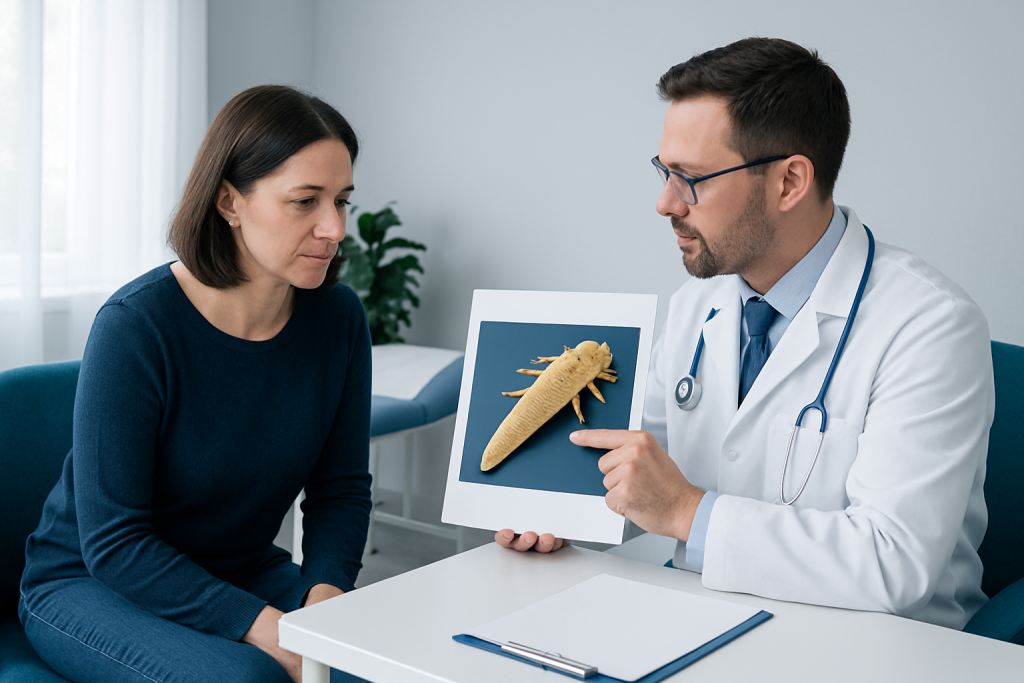
Although they are usually invisible to the naked eye, Demodex mites have a distinctive microscopic appearance. They are elongated, tiny, and often described as cigar-shaped or worm-like, with a rounded front and a narrow body. Two species are most often discussed in human eye care: Demodex folliculorum and Demodex brevis.
What patients may sometimes notice instead of the mites themselves is the debris they leave behind. Around the lashes, this can look like cylindrical dandruff, flakes, or sleeve-like material at the base of the eyelashes. That appearance can help an eye specialist suspect Demodex involvement, but it still does not replace a proper examination.
In practical terms, the key message is simple: if the eyelids are uncomfortable, the goal is not to identify the mite by sight at home. The goal is to understand whether the symptoms are coming from mite-related inflammation, dry eye, allergy, infection, or a different eyelid disorder.
Frequently asked questions
01Can you see eyelash mites with the naked eye?
Usually no. Eyelash mites are microscopic, so most people cannot see individual mites in a mirror or with a phone camera. An eye doctor may detect them during a close examination or microscope review.
02Do eyelash mites mean someone is dirty?
No. Demodex mites are common on human skin and their presence does not mean poor hygiene. Symptoms happen when the mites are associated with irritation or overgrowth, not because a person is unclean.
03What are the most common signs of eyelash mites?
Common signs include itchy or burning eyelids, redness at the lash line, crusty debris, and a gritty feeling in the eyes. Some people also notice watery eyes or lashes that look coated at the base.
04How are eyelash mites diagnosed?
Diagnosis is usually made by an eye specialist after a detailed eyelid examination. In some cases, a few eyelashes may be sampled and checked under a microscope to confirm Demodex involvement.
05Can eyelash mites go away on their own?
Symptoms may fluctuate, but persistent eyelid irritation often needs treatment to settle fully. Gentle lid hygiene and, when appropriate, doctor-prescribed therapy can help reduce inflammation and discomfort.
06Are home remedies safe for eyelash mites?
Not all home remedies are safe for the eyes. Harsh scrubs, untested oils, or non-sterile products can irritate the eyelids and eye surface, so it is better to use only methods recommended by an eye care professional.
This article is for general information only and is not a substitute for professional medical advice. Please consult a qualified doctor about your individual situation.
Hair transplant in Turkey — costs, graft counts & a free assessment
JCI-accredited · board-certified surgeons · reply within 24h
Add us as a Preferred Source to see more of our trusted health content across Google Search, AI Overviews and Discover.