

What Are Chromosomes? Structure, Function and Genetic Role
- 8 min read
- Published November 29, 2026
Key Takeaways
- Chromosomes package DNA so the body can store and use genetic information efficiently.
- Humans usually have 46 chromosomes arranged in 23 pairs, with one set inherited from each parent.
- Changes in chromosome number or structure can affect development, fertility, and overall health.
- Chromosome testing may help doctors evaluate unexplained symptoms, pregnancy concerns, or inherited conditions.
- A genetics specialist can explain results and guide next steps in a clear, personalized way.
Chromosomes are the organized packages of DNA that carry genetic instructions in nearly every cell of the body. Understanding their structure and function helps explain inheritance, development, fertility, and some medical conditions.
Overview
Chromosomes are the body’s way of organizing its genetic instructions. They sit inside the nucleus of most cells and hold DNA, the long molecule that contains the information cells use to grow, repair, and function.
It may help to think of chromosomes as tightly packed instruction books. Each book contains many genes, and those genes influence a wide range of traits, from eye color to how certain organs develop. When chromosomes are arranged and working as expected, the body can read those instructions in an orderly way.
Humans usually have 46 chromosomes in most cells, arranged as 23 pairs. One chromosome in each pair comes from the mother and the other from the father, which is why chromosome patterns are central to inheritance and family traits.
How Chromosomes Are Built
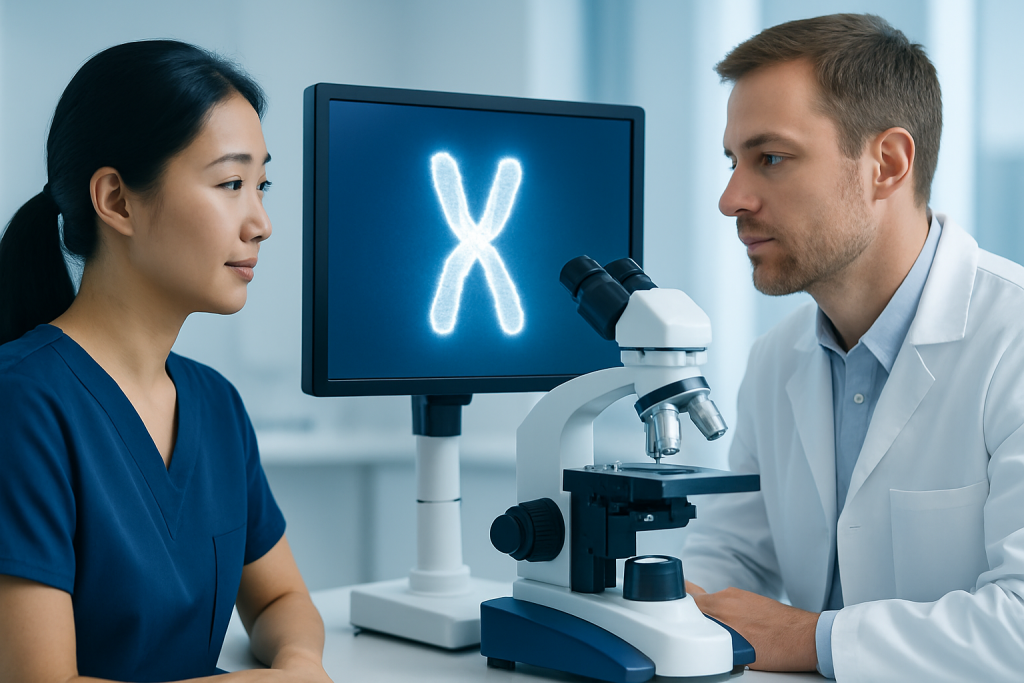
Chromosomes are made of DNA wrapped around proteins called histones. This packaging is not just for storage; it also helps cells control which parts of the DNA are active at any given time. During cell division, chromosomes become more condensed so they can be copied and distributed accurately into new cells.
Each chromosome has many genes, and genes act like short messages that direct the production of proteins. Proteins then carry out much of the work inside the body, including building tissues, sending signals, and supporting immune function.
Chromosomes also contain regions that help with stability and proper separation during cell division. When these structures are altered, the cell may have trouble copying or passing on genetic material correctly.
Chromosomes, Genes, and DNA: How They Fit Together
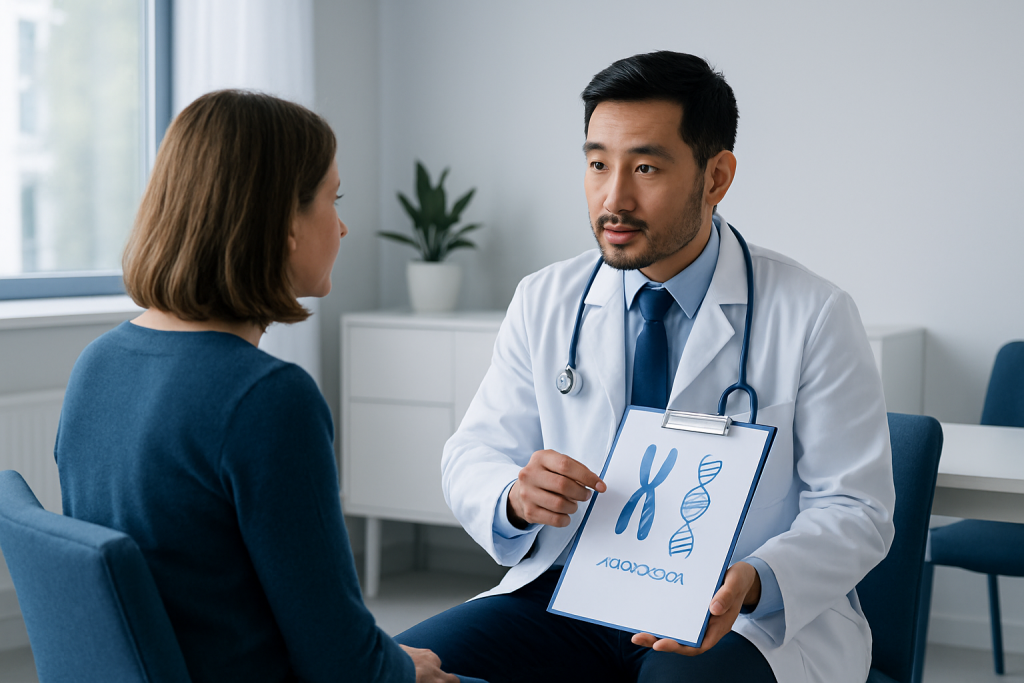
DNA is the chemical blueprint. Genes are specific sections of that blueprint. Chromosomes are the organized structures that hold the DNA and keep it accessible enough for the body to use.
This relationship explains why a problem at any level can matter. A change in one gene may affect a single protein, while a larger chromosome change may influence many genes at once. That is one reason chromosome conditions can have broad effects.
People sometimes use the terms DNA, genes, and chromosomes interchangeably, but they describe different parts of the same genetic system. Knowing the difference can make Blood Test Results: Causes and Meaning" class="ahp-ilk">test results and genetics consultations easier to understand.
Types of Chromosomes and What They Do
Of the 23 pairs of human chromosomes, 22 pairs are called autosomes. They carry most of the instructions for everyday body functions and development. The 23rd pair are sex chromosomes, usually labeled X and Y, and they help determine biological sex characteristics.
Each chromosome pair has a specific role, but all of them work together. A change in one chromosome can affect many body systems, which is why genetics is often considered in both inherited conditions and some developmental concerns.
- Autosomes: the first 22 pairs, important for growth and organ function
- Sex chromosomes: X and Y chromosomes, involved in sexual development
- Homologous pairs: matching chromosomes inherited from each parent
In clinical practice, doctors often look at chromosome patterns to better understand symptoms that may not have a single obvious cause.
Chromosome Changes and Why They Matter
Chromosome changes can involve number, structure, or both. Some changes happen before birth and may be present from conception. Others can arise later in life, including in cells that become cancerous.
When a chromosome is missing, duplicated, rearranged, or broken, the body may not receive genetic instructions in the usual way. Some changes have little or no noticeable effect, while others can influence learning, growth, fertility, pregnancy outcomes, or health.
Common broad categories include:
- Numerical changes: too many or too few chromosomes
- Structural changes: deletions, duplications, inversions, or translocations
- Mosaicism: when not all cells carry the same chromosome pattern
Because effects can vary widely, chromosome findings are usually interpreted in the context of a person’s symptoms, family history, and other test results.
How Chromosome Conditions Are Diagnosed
Doctors may suggest chromosome testing when symptoms point toward a genetic cause or when there are concerns in pregnancy, fertility, or child development. The right test depends on the question being asked.
A karyotype is a common test that examines the number and overall structure of chromosomes. More detailed tests, such as chromosomal microarray or targeted genetic testing, can detect smaller changes that a standard microscope-based test may miss.
Testing may be considered for:
- Unexplained developmental or learning concerns
- Repeated pregnancy loss or infertility
- Congenital differences present at birth
- Family history of a known chromosome condition
- Suspicion of a chromosome change in a blood disorder or cancer
A genetics professional can explain what the test can and cannot show, which is especially useful for patients arranging care from another country and trying to plan the timing of testing, appointments, and follow-up.
Treatment Options and Support
There is no single treatment for all chromosome conditions, because the medical impact depends on the specific change and the symptoms involved. Care is usually focused on managing the condition’s effects, supporting development, and addressing related health needs.
Some people benefit from early therapies, specialty follow-up, educational support, fertility counseling, or surgery for associated structural differences. In other situations, monitoring and periodic reassessment may be the main approach.
When a chromosome change is inherited or suspected, genetic counseling can be especially helpful. It gives patients and families a place to ask practical questions about recurrence risk, family planning, and what the result means for relatives.
Prevention, Self-care, and Living With Results
Not every chromosome change can be prevented, because many begin at conception or arise through natural cell processes. Even so, there are useful steps that can support health before and after testing.
Good prenatal care, timely medical follow-up, and open discussion of family history can help doctors identify concerns early. If a chromosome condition has already been diagnosed, routine appointments and symptom-based care help guide the next decisions.
- Keep a copy of test reports and clinic notes
- Write down questions before genetics or specialist visits
- Share family history, including miscarriages or birth differences
- Follow recommended screening and therapy plans
For international patients, it can also help to organize records before travel so the evaluation is efficient and follow-up can be coordinated back home after treatment or testing.
When to See a Doctor
A doctor should be consulted if there are concerns about growth, development, fertility, repeated pregnancy loss, or an inherited condition in the family. Chromosome testing is also worth discussing when a child has multiple unexplained differences or when a specialist suspects a broader genetic cause.
For adults, referral to genetics may be useful after certain test results, during pregnancy planning, or when several family members are affected by similar findings. A clear explanation can make the result less intimidating and more practical.
Acibadem Health Point’s multidisciplinary specialists and JCI-accredited hospitals diagnose and treat chromosome-related conditions for international patients, with care that can be coordinated across specialties when needed.
The most important step is not to self-interpret a result in isolation. A qualified doctor can explain what the chromosome finding means, whether it is important for health, and what follow-up makes sense.
Frequently asked questions
01What are chromosomes in simple terms?
Chromosomes are structures inside cells that package DNA and carry genes. They help store and organize the body’s genetic instructions so cells can use them properly.
02How many chromosomes do humans have?
Most humans have 46 chromosomes in total, arranged in 23 pairs. One chromosome in each pair usually comes from the mother and the other from the father.
03What is the difference between a gene and a chromosome?
A gene is a specific section of DNA with instructions for a trait or function. A chromosome is a larger structure that contains many genes along with other DNA material.
04Can chromosome changes cause illness?
Yes, some chromosome changes can affect development, fertility, learning, or organ function. The effect depends on which chromosome is involved and what kind of change has occurred.
05How are chromosome problems found?
Doctors may use tests such as a karyotype or chromosomal microarray, depending on the concern. Results are best interpreted with a doctor or genetic counselor because the meaning can vary a lot from person to person.
06Do chromosome conditions always run in families?
No. Some are inherited, but others happen for the first time in a person or in early development. Family history is helpful, but it does not explain every chromosome change.
This article is for general information only and is not a substitute for professional medical advice. Please consult a qualified doctor about your individual situation.
IVF & fertility treatment in Turkey — success rates and costs
JCI-accredited · board-certified surgeons · reply within 24h
Add us as a Preferred Source to see more of our trusted health content across Google Search, AI Overviews and Discover.



How can we help you today?
Meet an Acibadem specialist by secure video, before you travel.
Book a video visit