

Smooth Muscle: Structure, Function and Location
- 9 min read
- Published November 28, 2026
Key Takeaways
- Smooth muscle is involuntary muscle found in organs such as the digestive tract, blood vessels, airways, bladder, and uterus.
- It helps control movement, pressure, and flow inside the body rather than producing body motion like skeletal muscle.
- Problems affecting smooth muscle may show up as cramps, breathing changes, blood pressure issues, urinary symptoms, or digestive discomfort.
- Diagnosis depends on the organ involved and may include physical examination, imaging, blood tests, endoscopy, or specialized functional tests.
- Healthy habits and timely medical evaluation can help manage many smooth-muscle-related conditions safely.
Smooth muscle is the type of muscle that works quietly in the background, helping organs move, contract, and relax without conscious effort. Understanding where it is found and how it behaves can make many common health symptoms easier to interpret.
Overview
Smooth muscle is a specialized type of tissue that carries out essential work without drawing attention to itself. It lines many hollow organs and passages in the body, helping them contract and relax in a coordinated way so food can move forward, air can travel through the lungs, blood can circulate, and the bladder can empty when appropriate.
Unlike the muscles used for walking, lifting, or smiling, smooth muscle does not respond to conscious control. It is part of the body’s automatic, built-in regulation system, which means it keeps functioning during sleep, rest, and activity. This is one reason it is so important to overall health, even though most people never think about it until a symptom appears.
For international patients, smooth muscle concerns often become part of a larger question: is the symptom coming from the digestive system, the urinary tract, the blood vessels, or another organ system? A careful medical assessment helps separate everyday discomfort from a pattern that needs treatment, and it often starts with understanding what smooth muscle actually does.
Symptoms
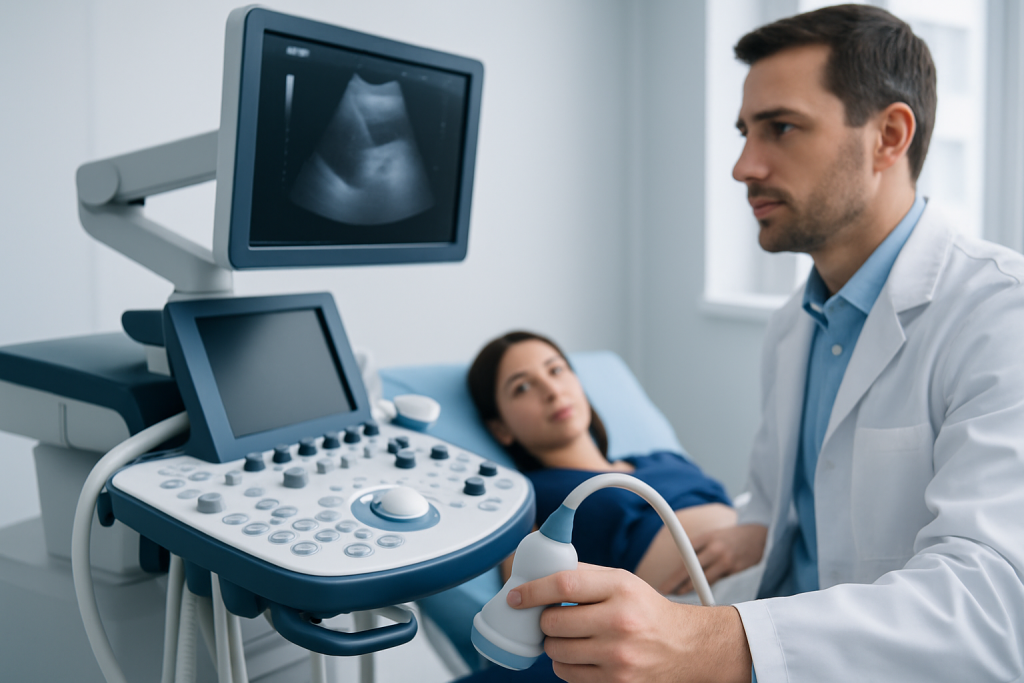
There is no single “smooth muscle symptom,” because these muscles are spread across many organs. Instead, problems may appear as signs related to the affected body system. A person may notice cramping, spasms, changes in bowel habits, shortness of breath, urinary urgency, pelvic pressure, or unexplained changes in blood pressure.
In the digestive tract, smooth muscle disturbances may be experienced as bloating, abdominal pain, constipation, diarrhea, or a feeling that food is moving too slowly. In the airways, abnormal narrowing can contribute to wheezing or chest tightness. In the bladder or uterus, symptoms may include urgency, discomfort, heavy periods, or pelvic cramping.
- Digestive symptoms: cramps, bloating, constipation, diarrhea
- Urinary symptoms: urgency, frequent urination, trouble emptying
- Breathing symptoms: wheeze, chest tightness, shortness of breath
- Circulatory symptoms: dizziness, cold extremities, blood pressure changes
- Pelvic symptoms: pressure, cramping, abnormal bleeding
Because these signs can come from many different causes, the exact symptom pattern matters. A symptom diary, including when the problem started, what makes it better or worse, and whether it is linked to meals, stress, exercise, or menstruation, can be very useful during evaluation.
Causes & Risk Factors

Smooth muscle itself is not usually the original “cause” of disease. More often, it is affected by inflammation, nerve signaling changes, hormone shifts, circulation problems, medication effects, or structural conditions in the organ it serves. When smooth muscle contracts too strongly, too weakly, or at the wrong time, symptoms can develop.
Common contributors include digestive disorders that alter intestinal movement, asthma and other airway conditions that cause bronchial narrowing, blood vessel problems that affect tone and pressure, and bladder or uterine conditions that change normal contraction patterns. Hormonal changes, especially in reproductive health, can also influence smooth muscle activity.
Risk factors depend on the organ involved, but may include aging, smoking, chronic inflammation, stress that worsens gut-brain signaling, dehydration, poor sleep, obesity, and certain medications. Family history can matter in some conditions, especially those involving blood vessels, the uterus, or inherited muscle disorders.
It is also important to remember that symptoms may reflect more than one issue at once. For example, abdominal discomfort can be linked to intestinal motility, diet, stress, or an unrelated gastrointestinal condition. A clinician looks at the full picture rather than assuming the muscle tissue itself is the only problem.
Diagnosis
Evaluating a smooth-muscle-related concern begins with identifying which organ system is involved. A doctor will ask about the symptom pattern, duration, triggers, medical history, medications, and any related issues such as fever, bleeding, weight change, or breathing difficulty. This helps narrow the possible cause before any tests are ordered.
Depending on the suspected problem, testing may include blood work, urine tests, imaging studies, endoscopy, lung function testing, ultrasound, or specialized studies that measure how an organ moves or empties. For example, digestive complaints may require tests of bowel function, while urinary symptoms may lead to bladder evaluation. Blood pressure patterns or vascular symptoms may prompt cardiovascular assessment.
In some cases, diagnosis is straightforward and based on common patterns. In others, especially when several organ systems are involved or symptoms are long-standing, a more detailed workup is needed. International patients often benefit from a coordinated approach, since multiple specialists may need to review the same symptom from different angles before a clear answer is reached.
Accurate diagnosis matters because treatment depends on the exact cause. What helps muscle spasm in one organ may not help weakness or overactivity in another, so getting the right explanation first can prevent unnecessary treatment and delay.
Treatment Options
Treatment depends entirely on the condition affecting the smooth muscle and the organ involved. There is no universal therapy for all smooth muscle problems, but many conditions can be improved with a combination of medication, lifestyle measures, and, when needed, procedures or surgery.
For digestive motility concerns, treatment may focus on diet changes, hydration, stress reduction, and medications chosen by a clinician. For airway conditions, inhaled therapies or other respiratory treatments may help keep the muscles around the airways from tightening too much. For urinary or pelvic conditions, management may include medication, physical therapy, hormone-related treatment, or procedures if a structural issue is present.
Some causes require short-term care; others need long-term management. Chronic conditions are usually handled best with a plan that is practical for daily life, especially for people traveling from another country and balancing care with follow-up at home. Clear instructions, written medication guidance, and a plan for remote follow-up can make ongoing care much easier.
When structural problems are present, such as fibroids or certain vascular conditions, surgery or minimally invasive procedures may be discussed. The decision is based on symptoms, overall health, location of the problem, and the expected benefit of treatment. A specialist should explain both the likely gains and the realistic limitations of each option.
Prevention & Self-care
Not every smooth-muscle-related condition can be prevented, but day-to-day habits can reduce strain on the organs that contain this tissue. Simple measures such as staying hydrated, eating a balanced diet, moving regularly, and sleeping enough can support healthy digestive, urinary, and cardiovascular function.
People with symptom patterns tied to stress may find that pacing meals, reducing trigger foods, and practicing relaxation techniques help symptoms feel more manageable. For some, keeping a record of symptoms, foods, fluid intake, menstrual cycle, activity, and medication use can reveal patterns that guide treatment.
- Maintain regular physical activity as advised by a doctor
- Drink enough fluids unless a clinician has recommended restriction
- Do not smoke, since smoking can worsen vessel and airway health
- Follow medication instructions carefully and do not stop prescribed treatment abruptly
- Seek review for persistent constipation, wheezing, urinary changes, or pelvic symptoms
Self-care should support, not replace, medical evaluation. If a symptom is new, recurring, or interfering with daily life, the safest next step is to speak with a qualified clinician rather than trying to guess the cause. This is especially true when the person is away from home and may need a more structured plan for diagnosis and continuity of care.
When to See a Doctor
A medical review is advisable when symptoms are persistent, worsening, or difficult to explain. Even if a problem seems mild, recurrent cramping, urinary urgency, wheezing, chest tightness, or blood pressure changes can point to a treatable condition that deserves attention.
Prompt evaluation is especially important if symptoms interfere with eating, sleeping, breathing, or normal daily activities. Unexplained bleeding, significant abdominal swelling, fainting, severe pain, or sudden breathing problems should be assessed urgently. These signs do not automatically mean something dangerous is happening, but they should not be ignored.
People with chronic conditions involving smooth muscle often benefit from follow-up even after symptoms improve. This helps adjust treatment, monitor progress, and keep care coordinated between local and home-country clinicians. Acibadem Health Point’s multidisciplinary specialists and JCI-accredited hospitals diagnose and treat these conditions for international patients, with care planning that can support both treatment and follow-up.
When in doubt, a doctor can help determine whether the symptom is likely related to smooth muscle, another tissue type, or a broader health issue. That clarification is often the first step toward feeling better and making a practical care plan.
Frequently asked questions
01What is smooth muscle in simple terms?
Smooth muscle is the involuntary muscle found in many organs, including the intestines, blood vessels, bladder, airways, and uterus. It helps those organs contract and relax automatically without conscious effort.
02How is smooth muscle different from skeletal muscle?
Skeletal muscle moves the body and is mostly under voluntary control, such as when a person walks or lifts an object. Smooth muscle works automatically inside organs and helps control internal movement and flow.
03Can smooth muscle problems cause stomach pain?
Yes, if the digestive tract is involved, abnormal smooth-muscle movement can contribute to cramping, bloating, constipation, or diarrhea. However, stomach pain has many possible causes, so a doctor should evaluate persistent symptoms.
04Can smooth muscle affect breathing?
Yes, the muscles around the airways can tighten and make breathing feel harder in conditions such as asthma. If a person has wheezing, chest tightness, or shortness of breath, medical assessment is important.
05Are smooth muscle conditions always serious?
Not always. Many are manageable, especially when the underlying cause is identified early, but symptoms should still be checked if they are ongoing or disruptive.
06What kind of doctor evaluates smooth muscle problems?
The right specialist depends on the organ involved. A primary care doctor may coordinate the first steps, and gastroenterologists, pulmonologists, gynecologists, urologists, or cardiologists may be involved as needed.
This article is for general information only and is not a substitute for professional medical advice. Please consult a qualified doctor about your individual situation.
Persistent digestive symptoms? Get evaluated in Turkey
JCI-accredited · board-certified surgeons · reply within 24h
Add us as a Preferred Source to see more of our trusted health content across Google Search, AI Overviews and Discover.



How can we help you today?
Meet an Acibadem specialist by secure video, before you travel.
Book a video visit