How Many Ribs Do Humans Have?

Key Takeaways
- Most adults have 12 pairs of ribs, for a total of 24.
- The rib cage protects the heart, lungs, and major blood vessels.
- Some people are born with extra or fewer ribs, usually without symptoms.
- Rib pain is often caused by muscle strain, injury, inflammation, or posture-related issues.
- Persistent chest or rib pain should be assessed by a doctor, especially after trauma or if breathing is affected.
Most adults have 24 ribs, arranged in 12 pairs, though small variations in rib anatomy can occur. Understanding the rib cage helps explain normal chest structure, why rib pain happens, and when a medical check is worthwhile.
Overview
How many ribs have humans got? In the usual adult anatomy, the answer is 24 ribs, grouped into 12 pairs. They form a flexible cage around the chest, helping the body breathe while also shielding the heart, lungs, and large vessels from everyday impact.
Ribs are not all attached in the same way. The first seven pairs connect directly to the breastbone, the next three attach indirectly through cartilage, and the final two pairs are called floating ribs because they do not connect to the sternum at the front. This arrangement gives the chest both strength and movement.
For many people, the rib cage is something they only think about when it hurts. Yet its structure is closely linked to posture, breathing comfort, sports injuries, and even how doctors interpret chest symptoms during travel, exercise, or recovery after an accident.
Symptoms
Ribs themselves do not usually cause symptoms unless they are irritated, injured, or affected by nearby muscles, joints, or organs. When something is wrong, the discomfort is often felt as pain along the chest wall, side, back, or upper abdomen.
Common rib-related symptoms can include soreness when touching the area, pain with deep breathing, pain when twisting the body, and discomfort after coughing, lifting, or a minor fall. Some people notice a clicking or popping sensation if a rib joint is strained.
- Sharp pain after injury or impact
- Aching pain that worsens with movement
- Pain when taking a deep breath or sneezing
- Tenderness over one rib or a small area of the chest wall
- Bruising or swelling after trauma
Because chest pain can also come from the heart, lungs, or digestive system, it is important not to assume every rib-area pain is harmless. The pattern of symptoms, the setting, and any injury history help guide what should happen next.
Causes & Risk Factors

There are several reasons why a person may feel rib pain or wonder whether their rib anatomy is “normal.” Everyday strain is a common cause, especially after heavy lifting, intense exercise, prolonged coughing, or awkward twisting movements. Even poor posture over time can make the muscles and joints around the ribs feel irritated.
Direct trauma is another frequent reason. A fall, sports collision, seatbelt injury, or blunt force to the chest can bruise a rib, strain nearby muscles, or cause a fracture. Rib fractures can happen even when the skin looks normal, and pain may become more noticeable with breathing, laughing, or pressing on the area.
Some people are born with anatomical variations, such as an extra cervical rib near the neck or an unusual rib shape. These differences are often found by chance during imaging and may never cause problems. Less commonly, conditions affecting the spine, connective tissue, or chest wall development can influence rib position or number.
Factors that can increase rib-related discomfort include osteoporosis, older age, contact sports, repetitive upper-body work, chronic cough, and low-impact injuries in people with fragile bones. In international patients, a recent long flight, heavy luggage, or sudden activity after travel can sometimes be part of the story, especially when muscle strain is involved.
Diagnosis
When a doctor evaluates rib pain or an unusual chest-wall concern, the first step is usually a careful history and physical examination. They may ask how the pain started, whether there was an injury, whether breathing is painful, and whether the discomfort changes with movement or touch.
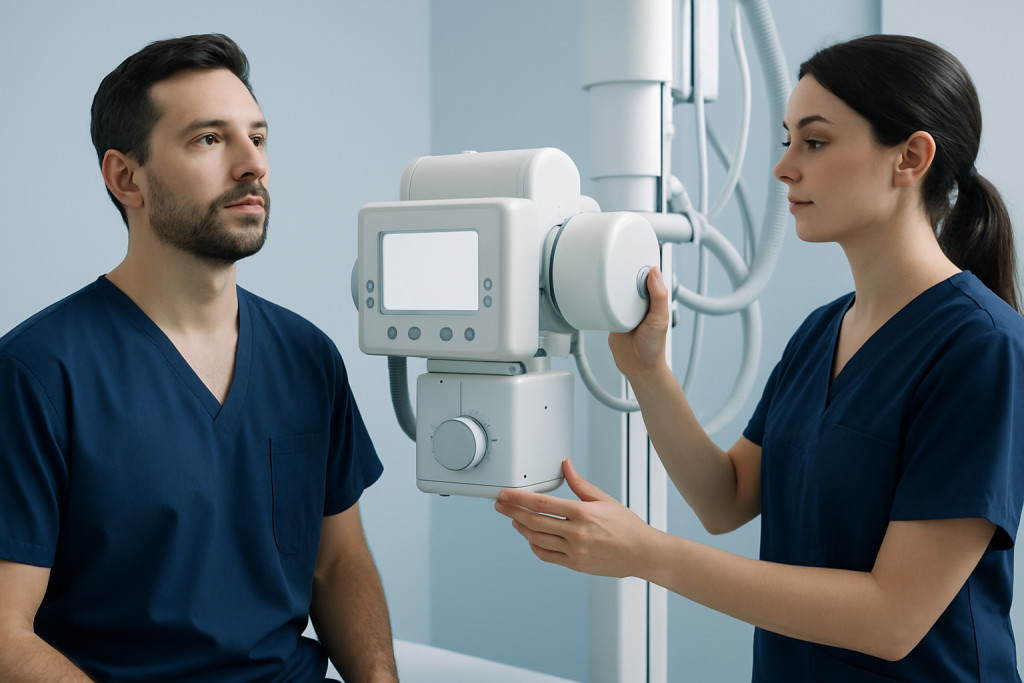
Imaging is not always needed, but it can be helpful when a fracture, structural variation, or another problem is suspected. A chest X-ray is often used first, while CT scans or other imaging may be chosen if more detail is needed. In some cases, a doctor may also order tests to look for lung or heart causes of chest symptoms.
If the question is simply about rib number, imaging may reveal a normal 12-pair pattern or show a variation that has been present since birth. Most of these findings are descriptive rather than dangerous, but they can help explain symptoms or guide future care decisions.
Treatment Options
Treatment depends entirely on the cause. Mild rib or chest-wall strain often improves with rest, careful movement, and avoiding activities that worsen the pain. A doctor may suggest simple pain-relief measures and a short period of reduced exertion while the area settles.
Rib fractures are usually managed without surgery unless the injury is complex or the chest wall is unstable. The main goals are pain control, keeping the lungs well expanded, and preventing complications such as shallow breathing. People are often encouraged to take deep breaths as advised by their clinician, because avoiding normal breathing can make recovery harder.
For inflammation in the joints where ribs meet the sternum or spine, treatment may include anti-inflammatory strategies, posture work, and sometimes targeted physical therapy. If an underlying condition is contributing, such as bone weakness or a connective-tissue disorder, the treatment plan will also address that cause.
In more complicated cases, especially after trauma, care may involve a team approach. That can include emergency assessment, imaging, pain management, respiratory support, and follow-up rehabilitation—an approach that can be especially helpful for international patients who need coordinated care before returning home.
Prevention & Self-care
It is not possible to change how many ribs a person has, but it is possible to protect the rib cage and reduce avoidable injury. Good posture, safe lifting technique, and gradual conditioning for exercise can lower the chance of muscle strain around the chest wall.
Wearing appropriate protective gear in contact sports, using seatbelts correctly, and treating persistent coughs promptly can also help. For people with known bone fragility, maintaining bone health and following medical advice about fall prevention are especially important.
Helpful self-care steps may include:
- Resting from movements that trigger pain
- Using heat or cold as advised for muscle soreness
- Keeping a gentle breathing pattern during recovery
- Returning to exercise gradually after injury
- Seeking medical review if pain is not improving
For patients traveling for treatment, planning a calm recovery period matters. Clear discharge instructions, arranged follow-up, and a safe plan for long-distance travel can make healing more manageable and reduce the risk of overdoing activity too soon.
When to See a Doctor
Medical review is important if rib pain follows an accident, a fall, or a blow to the chest. It should also be assessed if the pain is severe, lasts more than a few days, or makes it hard to breathe deeply, move normally, or sleep comfortably.
Chest pain should never be ignored when it comes with shortness of breath, dizziness, fainting, fever, coughing up blood, or pain that spreads to the arm, jaw, or back. Those symptoms may point to a condition that needs urgent evaluation and should not be self-treated as a simple rib problem.
People who are unsure whether their rib count is normal, or who have been told they have an anatomical variation, can usually discuss it with a doctor at a routine visit. In many cases the finding is benign, but having a clear explanation can ease worry and help with future medical decisions.
For patients seeking coordinated assessment abroad, Acibadem Health Point’s multidisciplinary specialists and JCI-accredited hospitals can diagnose and treat rib and chest-wall conditions for international patients with a structured, patient-centered approach.
In Daily Life, the Rib Cage Is More Than a Number
Although “How many ribs have humans got” sounds like a simple anatomy question, the answer leads to a broader understanding of chest protection, breathing mechanics, and the many ways rib pain can appear. Most adults have 24 ribs, but the real value of knowing this lies in recognizing what is normal for the body and what deserves attention.
Small anatomical differences are common, and most are harmless. What matters most is the overall picture: pain pattern, injury history, and whether breathing or movement is affected. A clear medical assessment can separate a routine strain from something that needs more specific care.
For anyone recovering after injury or managing symptoms while traveling, a calm, well-informed plan is usually the best next step. A qualified doctor can explain what the rib findings mean and recommend the right follow-up based on the individual situation.
Frequently asked questions
01How many ribs do humans usually have?
Most adults have 24 ribs, arranged as 12 pairs. This is the standard rib count in human anatomy, although small variations can occur.
02Do all people have the same number of ribs?
Not always. Some people are born with an extra rib, such as a cervical rib, or with a small anatomical variation that changes the shape or position of a rib.
03What are floating ribs?
Floating ribs are the last two pairs of ribs on each side. They are called floating because they do not attach to the breastbone at the front.
04Can rib pain be caused by posture?
Yes. Poor posture, prolonged sitting, and repetitive strain can irritate the muscles and joints around the rib cage. This often causes aching or tenderness that changes with movement.
05How do doctors check for a broken rib?
A doctor usually starts with a history and physical examination, and may order imaging such as an X-ray if a fracture is suspected. The right test depends on the symptoms and whether there was an injury.
06When is rib pain urgent?
Rib pain needs prompt medical attention if it follows trauma, makes breathing difficult, or comes with symptoms like shortness of breath, fainting, fever, or chest pressure. Those signs may indicate something more serious than a simple muscle strain.
This article is for general information only and is not a substitute for professional medical advice. Please consult a qualified doctor about your individual situation.
Joint and spine care in Turkey — expert assessment & treatment
JCI-accredited · board-certified surgeons · reply within 24h
Add us as a Preferred Source to see more of our trusted health content across Google Search, AI Overviews and Discover.