What Affects the Price of Fat Transfer to Breasts?
Fat transfer to the breasts uses a person’s own fat to create a modest increase in breast volume while contouring a donor area. Its total price is individualized because it includes both liposuction and the careful processing and placement of fat cells.
Price of Fat Transfer to Breasts: What Determines the Total Cost?
The price of fat transfer to breasts cannot be represented by one reliable figure because the procedure is tailored to the person, their anatomy, and the amount of correction desired. The total plan usually combines liposuction, fat preparation, breast grafting, anesthesia, facility use, and postoperative monitoring.
When considering the price of fat transfer breast augmentation, patients should ask for an itemized written estimate rather than relying on an advertised starting amount. A clear estimate explains what is included before surgery, what follow-up appointments are planned, whether garments or tests are separate, and how the clinic approaches an additional session if it becomes appropriate.
- The number and location of donor areas treated with liposuction
- The extent of breast volume correction and whether a staged approach is expected
- Surgeon and anesthesia team expertise, operating-room standards, and facility accreditation
- Preoperative assessment, imaging when clinically indicated, medications, garments, and aftercare
- Travel, accommodation, and arrangements for follow-up if surgery is performed away from home
How Breast Fat Transfer Works, Who It May Suit, and Recovery
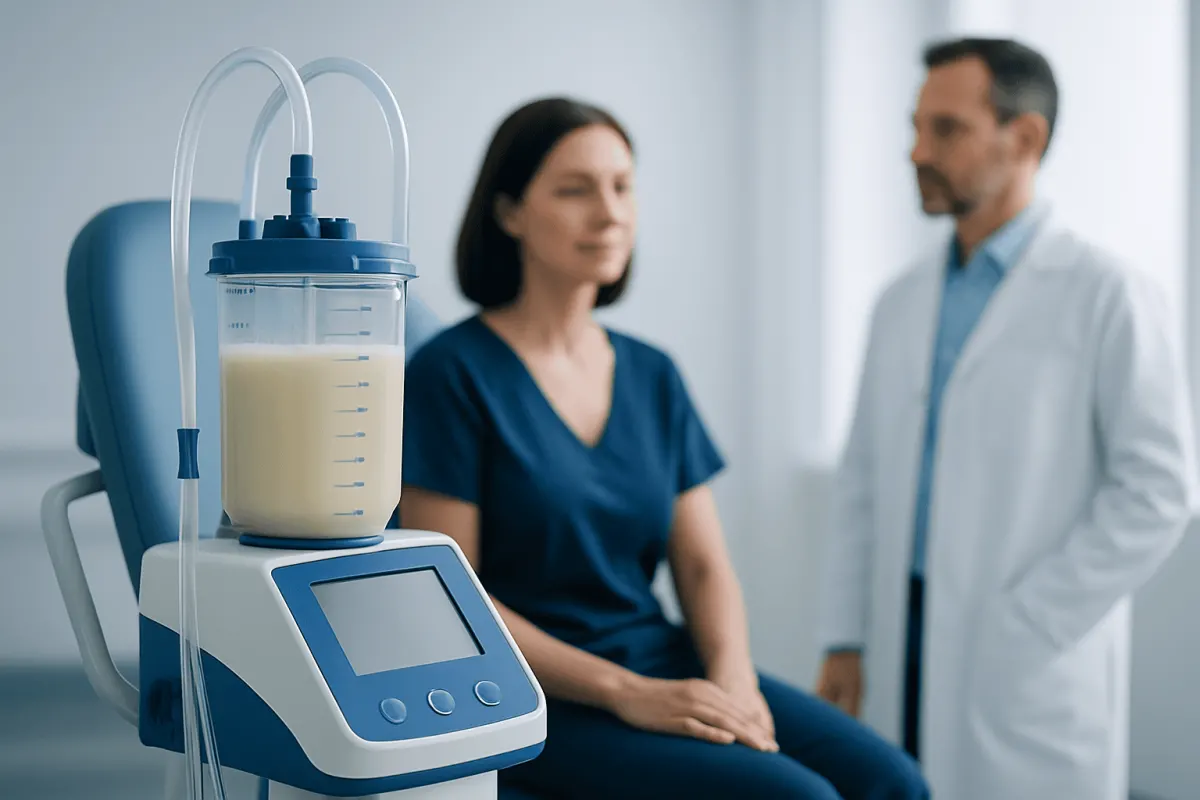
Breast fat transfer, also called autologous fat grafting, moves fat from one part of the body to the breasts. A surgeon gently removes fat, commonly from the abdomen, flanks, thighs, or another area with enough available tissue. The harvested fat is processed and then placed in many small deposits within the breast tissues to encourage a blood supply to develop. It is generally most suitable for people seeking a subtle to moderate increase in volume, correction of mild asymmetry, or softening of contour changes, with enough donor fat and a stable body weight.
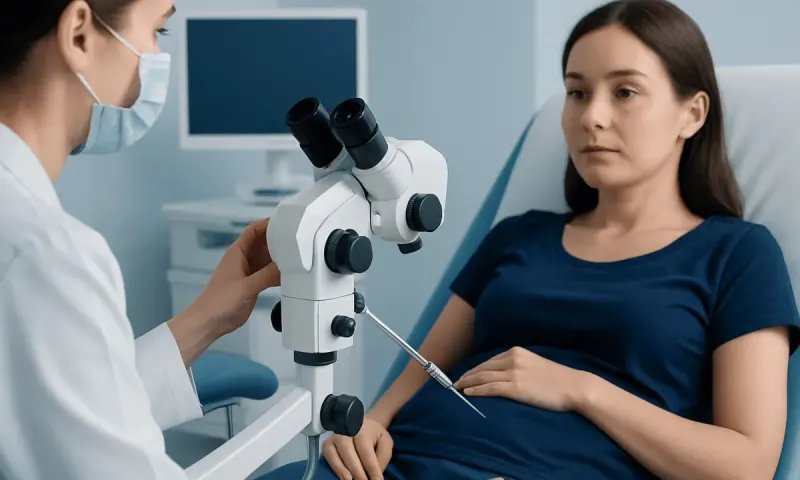
At consultation, the surgeon reviews medical history, medications, smoking or nicotine exposure, previous breast procedures, body proportions, and personal goals. The procedure itself usually involves liposuction, purification of the collected fat, and careful layered injection into the breast. The anesthesia approach and whether treatment is performed as a day procedure depend on the extent of surgery and the patient’s health. Fat transfer does not reliably create the larger volume possible with implants in a single operation, and it does not replace a breast lift when significant sagging is the main concern.
- First days: Swelling, bruising, and soreness may affect both the breasts and donor areas. The surgical team gives individual guidance on dressings, support garments, walking, and pain control.
- First weeks: Many patients gradually return to light daily activities, while strenuous exercise, pressure on the breasts, and heavy lifting are resumed only when the surgeon advises.
- Following months: Swelling settles and the amount of retained fat becomes clearer. A follow-up assessment may determine whether the result meets the original goal or whether another session could be considered.
Benefits, Limits, and Risks of Breast Fat Grafting

A potential benefit of breast fat grafting is that it uses the patient’s own tissue and can also improve the contour of the liposuction donor area. It may create a soft, natural-feeling result and can be useful for modest enhancement, asymmetry, or selected reconstructive needs. The technique is not a weight-loss treatment, and its outcome is influenced by the quality of the recipient tissue, the volume placed safely, and how much grafted fat survives.
Some transferred fat is normally reabsorbed by the body, so final volume is less predictable than the volume injected during surgery. Possible complications include uneven contour, asymmetry, persistent swelling, changes in sensation, infection, fluid collection, fat necrosis, oil cysts, and firm areas or calcifications in the breast. Liposuction also carries risks such as bruising, irregular contour, and numbness. Rare but serious anesthesia, bleeding, clotting, or infection-related complications require prompt medical assessment. Patients should tell future breast-imaging professionals about prior fat grafting so findings can be interpreted in context.
Is a Fat Transfer Cheaper Than a Boob Job?
No procedure is automatically cheaper than another. The term boob job commonly refers to implant-based breast augmentation, while fat transfer includes two linked procedures: liposuction to obtain the fat and grafting to place it in the breasts. Depending on the amount of liposuction, surgical setting, anesthesia, and whether treatment is likely to be staged, the overall plan may differ considerably from an implant procedure.
A useful comparison looks beyond the initial estimate. Patients can ask whether each plan includes routine follow-up, possible imaging needs, garments, anesthesia, facility charges, and the anticipated long-term care of implants or a possible repeat grafting session. The most appropriate option should be selected for the person’s goals, anatomy, health history, and willingness to accept each procedure’s limitations, rather than price alone.
What Is the Downside of Breast Fat Transfer?
The main limitation is unpredictability: not all grafted fat develops a lasting blood supply, and the body absorbs a variable amount. As a result, breast size may settle smaller than expected, asymmetry may remain, or a second procedure may be needed to reach the desired degree of enhancement. People who want a large, highly predictable increase in volume may find that fat transfer alone does not meet their goals.
There are also risks at both the donor and breast sites. Lumps caused by fat necrosis or oil cysts can occur and may need clinical examination or imaging to distinguish them from other breast changes. Weight changes can affect the size of transferred fat cells, and nicotine exposure can impair healing. A qualified plastic surgeon can discuss whether implants, a lift, fat transfer, or a combined approach offers the most balanced option.
Which Country Is Best for Breast Fat Transfer?
No single country is objectively best for breast fat transfer. A safer choice depends on the individual surgeon’s recognized plastic surgery training, the standards of the surgical facility, transparent consent and pricing information, anesthesia safety, infection-control practices, and access to structured follow-up care.
For patients considering treatment abroad, it is important to allow adequate time for recovery before travel and to have a plan for both routine and unexpected postoperative care at home. They should verify the clinician’s credentials through relevant professional or regulatory bodies, ask who performs each part of the procedure, and request clear records for their local doctor. A low package estimate should not outweigh the quality of assessment, communication, safety protocols, or aftercare.
What Is the Success Rate of Breast Fat Grafting?
There is no single success rate for breast fat grafting because studies and clinics may define success differently. It can mean fat survival, improvement in breast shape, patient satisfaction, absence of complications, or avoidance of a further procedure. Differences in surgical technique, initial breast volume, donor-fat availability, smoking status, weight stability, and the volume transferred make direct comparisons difficult.
Rather than relying on a percentage, patients can discuss the surgeon’s approach to realistic volume expectations, how results are evaluated over time, and when a second stage might be considered. Some fat reabsorption is an expected biological process rather than evidence that surgery has failed. A careful consultation, conservative graft placement, and scheduled follow-up help create the clearest understanding of likely outcomes for an individual patient.
When to Seek Medical Care
Before elective breast fat transfer, a person should seek medical assessment for a new breast lump, nipple discharge, unexplained breast skin changes, persistent breast pain, or an abnormal breast screening result. These symptoms need appropriate evaluation before cosmetic surgery is planned. Patients should also discuss previous breast surgery, a personal or strong family history of breast cancer, blood-clotting concerns, and all medicines or supplements with their care team.
After surgery, the operating team should be contacted promptly for increasing redness, fever, drainage from an incision, rapidly worsening swelling, severe pain not controlled by the prescribed plan, or a new breast lump. Sudden shortness of breath, chest pain, fainting, or one-sided leg swelling requires urgent medical care. Acıbadem Health Point’s multidisciplinary specialists at JCI-accredited hospitals assess and provide breast fat transfer care for Myomectomy Recovery for International Patients: The Usual Travel Timeline" class="ahp-ilk">international patients when it is clinically appropriate.
Frequently asked questions
01How much breast enlargement can fat transfer provide?
Fat transfer is generally used for a modest increase in breast volume and for refinement of shape or asymmetry. The achievable result depends on available donor fat, breast tissue characteristics, and the amount of fat that can be placed safely in one session.
02Are breast fat transfer results permanent?
The fat cells that establish a blood supply and survive healing can remain long term. However, some reabsorption is expected, and later weight changes, aging, pregnancy, and hormonal changes may alter breast size and shape.
03Does breast fat grafting affect mammograms?
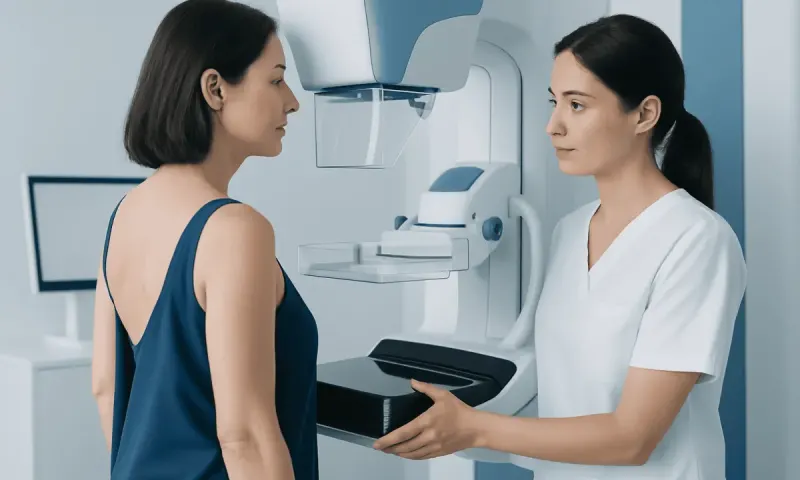
Fat grafting can produce benign imaging findings, such as oil cysts, calcifications, or areas of fat necrosis. Patients should inform their radiologist about the procedure, and any new or concerning finding should still be assessed appropriately.
04Can fat transfer be used after breast cancer surgery?
Fat grafting may be used in selected reconstructive situations to improve contour or tissue quality after breast surgery. Decisions should be made with the reconstructive surgeon and oncology team, with consideration of the person’s cancer history, treatment plan, and imaging follow-up.
05Who may not be a suitable candidate for breast fat transfer?
People with insufficient donor fat, unstable weight, untreated medical conditions, active nicotine use, or unrealistic expectations may not be suitable at that time. A surgeon may also recommend a different approach when a larger volume increase or breast lift is the main goal.
06What should patients ask during a fat transfer consultation?
Patients can ask what result is realistic, which donor areas may be used, what anesthesia and facility arrangements are planned, and what follow-up is included. It is also helpful to ask about likely fat reabsorption, the possibility of a staged procedure, breast screening considerations, and how complications would be managed.
This article is for general information only and is not a substitute for professional medical advice. Please consult a qualified doctor about your individual situation.
Explore treatments in Turkey — costs, top hospitals & a free quote
JCI-accredited · board-certified surgeons · reply within 24h
Add us as a Preferred Source to see more of our trusted health content across Google Search, AI Overviews and Discover.