Wet Lung: Understanding Fluid Around or Inside the Lungs
“Wet lung” is not a formal medical diagnosis. It is an informal term people may use for fluid affecting the lungs, most often pulmonary edema, but it can also refer to fluid around the lungs or severe inflammatory lung injury.
What Does “Wet Lung” Mean?
“Wet lung” is an everyday expression rather than a precise medical term. It commonly describes the sensation or finding of fluid affecting breathing, but it does not identify where the fluid is or why it is present. A clinician will use more specific terms after an examination and appropriate tests.
Most often, people use wet lung to mean pulmonary edema, which is fluid buildup inside the tiny air sacs of the lungs. These air sacs normally transfer oxygen into the bloodstream. When they fill with fluid, oxygen transfer becomes less effective and breathlessness can occur.
The phrase may also be used for a pleural effusion, meaning fluid in the thin space between the lung and chest wall, or for severe inflammatory lung injury such as acute respiratory distress syndrome (ARDS). These conditions have different causes and treatments, so it is important not to self-diagnose based on the phrase alone.
How Fluid Affects Breathing
The lungs are made up of branching airways ending in millions of microscopic air sacs. Their delicate walls sit next to tiny blood vessels, allowing oxygen to move into the blood and carbon dioxide to move out. Extra fluid in the air sacs or around the lungs interferes with this process.
In pulmonary edema, pressure in lung blood vessels may rise or their walls may become unusually leaky. Fluid then moves into lung tissue and air sacs. In a pleural effusion, fluid outside the lung can limit how fully the lung expands with each breath.
This explains why someone may feel short of breath even while resting, have reduced exercise tolerance, or need extra pillows to sleep comfortably. The severity varies widely: some fluid collections develop gradually, while others become a medical emergency within hours.
Symptoms That May Occur

Symptoms depend on how quickly fluid develops, how much is present and the underlying condition. Gradual fluid buildup may first cause tiredness, reduced ability to walk or climb stairs, and increasing shortness of breath during activity. A new cough or wheeze may also occur.
More significant pulmonary edema can cause breathlessness at rest, a feeling of chest tightness, rapid breathing, sweating, anxiety or waking suddenly at night gasping for air. Some people cough up frothy sputum, which can occasionally appear pink. These symptoms require prompt medical attention.
A pleural effusion may cause breathlessness, a dry cough, or sharp pain that becomes worse with a deep breath or cough. However, smaller effusions may not cause obvious symptoms and may only be found on imaging performed for another reason.
- Shortness of breath that is new, worsening or occurs at rest
- Rapid heartbeat, fatigue, dizziness or reduced exercise capacity
- Cough, wheeze or chest discomfort
- Swelling of the ankles, feet or abdomen in some heart- or kidney-related cases
- Fever or chills when infection is a possible cause
Causes and Risk Factors
Heart-related pulmonary edema is common. It may occur when the heart cannot pump blood forward efficiently, causing pressure to build up in blood vessels leading to the lungs. Conditions such as heart failure, a heart attack, poorly controlled high Systolic Blood Pressure: What Patients Need to Know" class="ahp-ilk">blood pressure, heart valve disease and some abnormal heart rhythms can contribute.
Not all pulmonary edema is caused by the heart. Severe infection, aspiration of stomach contents, major injury, pancreatitis, certain medicines or toxins, blood transfusion reactions and severe inflammation can damage the lung barrier and allow fluid to leak into air sacs. ARDS is one serious form of this type of lung injury.
Kidney disease can contribute because the body may retain salt and water. Fluid around the lungs can arise from heart failure, infection including pneumonia, cancer, liver or kidney disease, blood clots in the lungs, inflammatory conditions and other causes. Pneumonia can sometimes cause inflammation and fluid in or around the lungs.
Risk factors vary with the cause. They may include known heart or kidney disease, uncontrolled blood pressure, smoking, untreated sleep apnea, previous lung disease, severe infection and exposure to certain drugs or environmental hazards. A person’s symptoms, medical history and test results are needed to clarify the cause.
How Doctors Diagnose the Cause
Assessment begins with the timing of symptoms, current medicines, past heart, lung and kidney conditions, recent infection, travel, surgery and possible exposures. During the examination, a clinician checks breathing effort, oxygen level, blood pressure, heart rate, body temperature and signs of fluid retention.
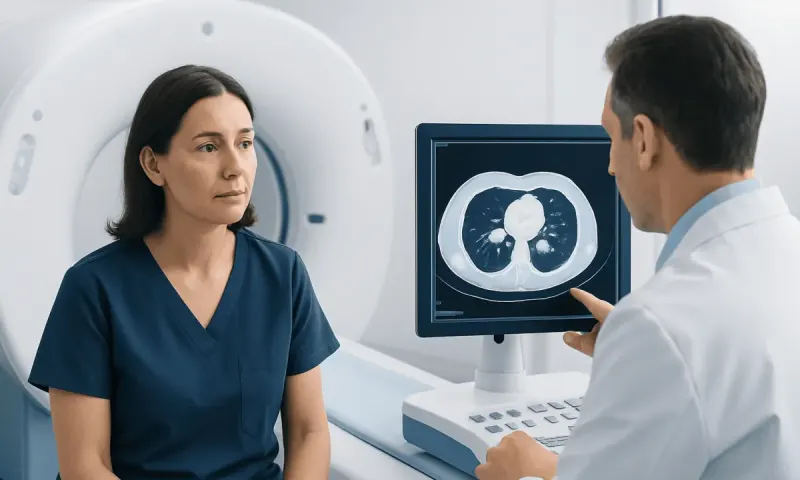
A chest X-ray is often used to look for fluid patterns, an enlarged heart, pneumonia or pleural fluid. Ultrasound of the chest can detect pleural effusions and may guide safe fluid sampling when needed. A CT scan may be useful in selected cases, particularly when the diagnosis remains uncertain or a more detailed view is required.
Blood tests may evaluate kidney function, infection, anemia and markers that can support a heart-related cause. An electrocardiogram and echocardiogram can assess heart rhythm, heart structure and pumping function. In some cases, doctors analyze pleural fluid to identify infection, inflammation or other causes.
These tests are not simply used to confirm that fluid is present. Their main purpose is to find the condition responsible, because effective care depends on treating that cause while supporting breathing safely.
Treatment Options
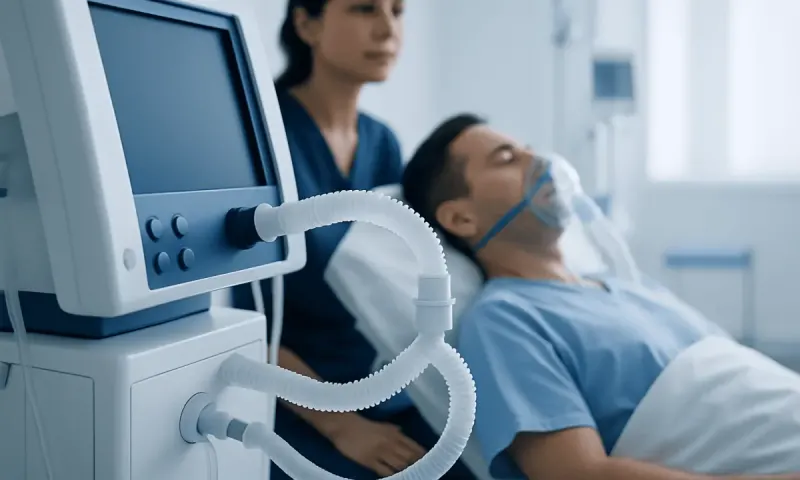
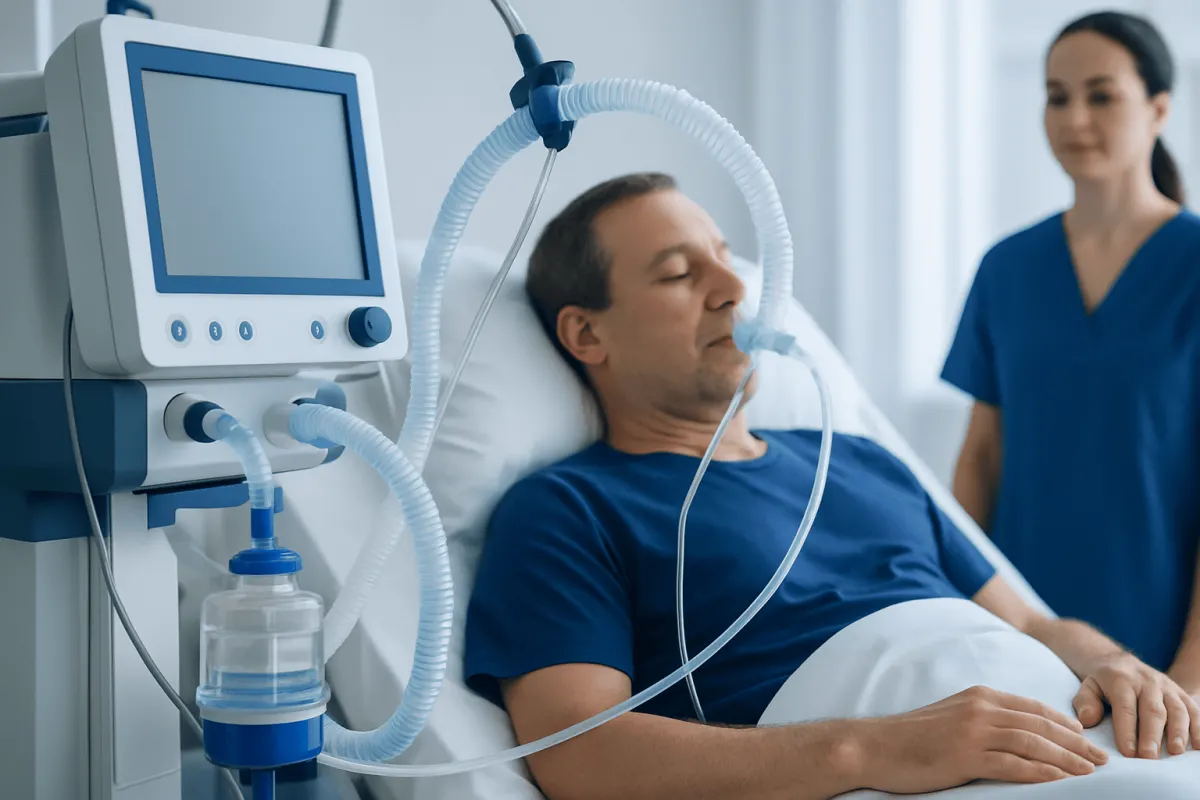
Treatment is tailored to the cause, severity and oxygen level. Acute breathing difficulty may require emergency care, oxygen and close monitoring. Depending on the situation, some people may need noninvasive breathing support or temporary mechanical ventilation in an intensive care setting.
When pulmonary edema is related to excess fluid and heart dysfunction, clinicians may use medicines that help the body remove extra fluid and may treat blood pressure, heart rhythm or reduced heart pumping function. Care for heart failure can include longer-term treatment and follow-up to reduce the chance of further fluid buildup.
If infection is responsible, treatment may include appropriate antimicrobial medicines and supportive care. If kidney disease is causing major fluid overload, kidney-focused treatment and, in some circumstances, dialysis may be considered. For a pleural effusion causing significant breathlessness, a doctor may remove fluid with a needle or drain; the fluid can also be tested to help identify its source.
There is no single home remedy for wet lung. Diuretics, oxygen and fluid drainage are medical treatments that should only be used under professional guidance. Acıbadem Health Point’s multidisciplinary specialists and JCI-accredited hospitals diagnose and treat respiratory and cardiovascular conditions for international patients.
Prevention and Everyday Self-Care
Some causes cannot be fully prevented, particularly sudden severe illness or injury. However, managing long-term health conditions can lower risk. People with heart failure, high blood pressure, kidney disease or chronic lung disease should follow their individual care plan and attend recommended reviews.
Taking prescribed medicines as directed, avoiding smoking and secondhand smoke, staying physically active within safe limits, and keeping vaccinations up to date can support heart and lung health. For people advised to monitor body weight or swelling because of heart failure, a rapid change should be discussed with their clinical team.
Dietary advice should be individualized. Some people with heart or kidney conditions may be advised to reduce sodium or limit fluids, but these measures are not appropriate for everyone. It is safest to ask a doctor, dietitian or specialist nurse before making major changes to fluid intake or medication.
When to Seek Medical Care
Seek emergency medical care immediately for severe or sudden shortness of breath, difficulty speaking in full sentences, chest pain or pressure, fainting, confusion, blue or gray lips, or coughing up pink frothy sputum. These symptoms may signal a serious problem affecting oxygen levels, the heart or the lungs.
A prompt medical appointment is also important for breathlessness that is new or worsening, persistent cough, swelling of the legs, unexplained fatigue, fever with respiratory symptoms, or needing more pillows to breathe comfortably at night. Early assessment can identify treatable causes before symptoms become more severe.
People with known heart, kidney or lung disease should follow any action plan provided by their care team. They should not delay seeking advice if symptoms change noticeably, even if they have experienced fluid retention or breathlessness before.
Frequently asked questions
01Is wet lung the same as pneumonia?
No. Wet lung is not a formal diagnosis and may refer to several types of fluid affecting the lungs. Pneumonia is an infection of the lung tissue, although it can sometimes lead to fluid buildup in or around the lungs.
02Can wet lung go away on its own?
Whether fluid improves depends on its cause and severity. Mild cases may improve when the underlying problem is treated, but sudden or significant breathlessness needs medical assessment and should not be managed by waiting at home.
03Is fluid in the lungs always caused by heart failure?
No. Heart failure is a frequent cause of pulmonary edema, but infections, kidney disease, high altitude, certain medicines, lung injury and other conditions can also be responsible. Tests help distinguish between these possibilities.
04What is the difference between fluid in the lungs and fluid around the lungs?
Fluid in the lungs usually refers to pulmonary edema, where fluid enters the lung tissue and air sacs. Fluid around the lungs is usually a pleural effusion, which collects in the space between the lung and chest wall.
05Can a chest X-ray show wet lung?
A chest X-ray can often show signs of pulmonary edema or fluid around the lungs. It cannot always establish the exact cause, so doctors may also use blood tests, ultrasound, an ECG, an echocardiogram or CT imaging.
06Should someone drink less water if they have wet lung?
Fluid restriction is sometimes recommended for specific heart or kidney conditions, but it is not suitable for everyone. A person should only limit fluids when a qualified clinician has advised how much is appropriate for their individual health needs.
This article is for general information only and is not a substitute for professional medical advice. Please consult a qualified doctor about your individual situation.
Explore treatments in Turkey — costs, top hospitals & a free quote
JCI-accredited · board-certified surgeons · reply within 24h
Add us as a Preferred Source to see more of our trusted health content across Google Search, AI Overviews and Discover.