Vulvodynia: Symptoms, Causes and Treatment

Key Takeaways
- Vulvodynia describes persistent vulvar pain that is not explained by a visible infection or skin disorder alone.
- Symptoms can include burning, stinging, soreness, rawness, or pain with touch, sex, or sitting.
- Diagnosis usually focuses on ruling out other causes and understanding the pain pattern and triggers.
- Treatment often combines medical care, pelvic floor therapy, gentle self-care, and support for emotional well-being.
- A personalized approach is important because vulvodynia can look different from one person to another.
Vulvodynia is long-lasting vulvar pain or discomfort without a clear, single cause that explains the symptoms. It can affect daily comfort, sexual health, and quality of life, but many people improve with a tailored plan that addresses pain, pelvic floor health, skin care, and stress-related triggers.
Overview
Vulvodynia is a term used for ongoing pain, burning, or irritation in the vulva — the external tissue around the vaginal opening. The discomfort lasts for at least three months and is not fully explained by a visible infection, rash, or another single condition. For many people, the pain can feel frustratingly out of proportion to what appears on the skin, which is one reason the condition is often misunderstood.
The experience can range from mild daily sensitivity to pain that makes intercourse, exercise, cycling, tampons, or even wearing fitted clothing uncomfortable. Some people notice symptoms in one small area, while others feel pain across a wider region. Because vulvodynia can affect intimacy, sleep, mood, and confidence, it is often experienced as both a physical and emotional burden.
There is no single test that defines vulvodynia, and there is no one-size-fits-all treatment. Care usually works best when a clinician looks at the whole picture: the type of pain, pelvic muscle tension, skin sensitivity, hormonal changes, past infections, and everyday habits that may be making the area more reactive.
Symptoms
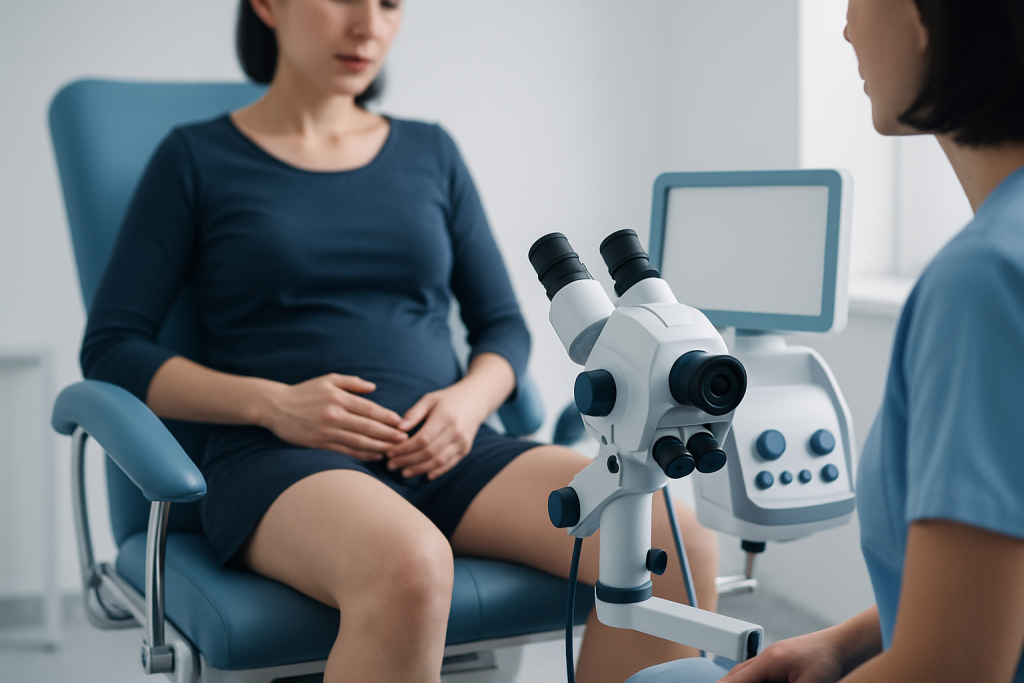
Vulvodynia does not always look the same from person to person, but the discomfort is usually persistent or recurrent. Many describe a burning, stinging, raw, aching, or itching sensation. Some notice that the area feels tender to light touch, while others feel pain mainly during pressure, wiping, or sexual activity.
Symptoms may be present all the time or only appear with certain triggers. For some, sitting for a long time, tight clothing, sports, or intercourse can bring on a flare. Others may feel a sensation of irritation without obvious redness or swelling, which can make the condition especially confusing.
Common patterns include:
- Pain at the vaginal entrance, the labia, or a broader vulvar area
- Burning or stinging that is not linked to a clear infection
- Pain with penetration, tampon use, or gynecologic exams
- Discomfort when sitting, cycling, or wearing restrictive clothing
- Symptoms that improve and worsen in cycles or flares
Because vulvodynia can overlap with other conditions, a careful symptom history helps distinguish it from skin diseases, infections, nerve pain, or pelvic floor problems.
Causes & Risk Factors

Vulvodynia usually has more than one contributing factor. In many people, the pain appears to involve a combination of sensitive nerve pathways, inflammation, pelvic floor muscle tension, and changes in the skin’s normal protective barrier. Sometimes symptoms begin after a yeast infection, repeated irritation, childbirth, surgery, or another event that made the area more reactive.
Hormonal shifts may also play a role for some individuals, especially when vulvar tissue becomes drier or more fragile. In addition, chronic pain conditions, anxiety, stress, or a history of painful intercourse can make symptoms more persistent, not because the pain is “imagined,” but because the nervous system can become more alert over time.
Factors that may be associated with vulvodynia include:
- Recurrent vaginal or vulvar infections
- Pelvic floor muscle overactivity or spasm
- Skin sensitivity to soaps, pads, fragrances, or fabrics
- Hormonal changes, including some contraceptive or menopausal changes
- Other chronic pain syndromes or heightened pain sensitivity
Not every person with these factors develops vulvodynia, and not every case has an obvious trigger. That uncertainty is common and does not mean the condition cannot be treated.
Diagnosis
Diagnosis begins with a detailed discussion of the pain: where it is felt, when it started, what makes it better or worse, and how it affects daily life. A clinician may also ask about past infections, skin products, sexual pain, urinary symptoms, bowel habits, and any previous treatments tried. This history often provides the most useful clues.
A pelvic examination may be done gently and step by step. The clinician may check the skin for visible conditions and may use a cotton swab to map areas of tenderness. This helps identify whether the pain is localized or more widespread and whether the pelvic floor muscles are unusually tense or painful.
Testing is often used to rule out other causes rather than to confirm vulvodynia itself. Depending on the situation, a doctor may consider swabs for infection, urine testing, or evaluation for skin disorders or hormonal issues. In some cases, referral to a gynecologist, pelvic floor specialist, dermatology clinician, or pain specialist can help create a clearer picture.
Treatment Options
Treatment is usually individualized and often works best when several approaches are combined. The goal is not only to reduce pain, but also to help the vulvar area become less reactive over time. Because symptoms may arise from different pathways in different people, a plan that helps one patient may need adjustment for another.
Many care plans begin with gentle measures and targeted therapies. A clinician may recommend stopping irritating products, treating any coexisting infection or skin issue, and addressing pelvic floor muscle tension. Pelvic floor physical therapy can be especially helpful when muscles are guarding or tightening in response to pain. Some people also benefit from topical or oral medications chosen to calm nerve-related pain or reduce inflammation, although the best option depends on the individual’s health profile.
Other treatment approaches may include:
- Pelvic floor relaxation techniques and guided physical therapy
- Topical therapies to reduce sensitivity or dryness
- Behavioral strategies and counseling for pain coping and sexual pain
- Lubricants or moisturizers for friction-related discomfort
- Management of coexisting conditions such as infections or skin irritation
In more persistent cases, a clinician may consider a broader pain-management strategy. The most effective plan is often the one that is reviewed and adjusted over time, especially if symptoms change with hormones, activity, or stress.
Prevention & Self-care
While vulvodynia cannot always be prevented, many people reduce flares by lowering irritation and giving the area time to recover. Gentle, consistent care often matters more than dramatic changes. A practical routine can make day-to-day life more comfortable and help treatment work better.
Helpful self-care habits often include choosing plain, fragrance-free cleansers; avoiding douches and harsh soaps; wearing breathable cotton underwear; and changing out of sweaty clothes promptly after exercise. Some people find that a small amount of barrier protection or lubricant reduces friction during daily activities or intimacy, but the right product should be chosen with a clinician’s guidance if the skin is very sensitive.
It can also help to notice patterns. A simple symptom diary may reveal triggers such as certain detergents, prolonged sitting, bicycle rides, intercourse, or periods of stress. If pain is affecting relationships or travel plans, early discussion with a clinician can prevent a cycle of avoidance and worsening sensitivity.
When to See a Doctor
It is a good idea to see a doctor when vulvar pain lasts more than a few weeks, keeps returning, or begins to interfere with daily comfort. Medical review is especially important if symptoms are making sex painful, causing fear of touch, or affecting sleep, exercise, or mood. A thoughtful assessment can often uncover treatable contributors even when the vulva looks normal.
Prompt evaluation is also important if there is unusual discharge, bleeding, fever, sores, a new rash, urinary symptoms, or pain that feels very different from a previous episode. These signs may point to infection or another condition that needs specific treatment. Even when symptoms are longstanding, new or changing pain should not be ignored.
For Myomectomy Recovery: Healing Time, Activity Limits, and Fertility Planning" class="ahp-ilk">Myomectomy Recovery for International Patients: The Usual Travel Timeline" class="ahp-ilk">international patients planning care abroad, it can help to gather previous test results, treatment notes, and a list of symptom triggers before traveling. This makes specialist review more efficient and can support follow-up care after returning home. Acibadem Health Point’s multidisciplinary specialists and JCI-accredited hospitals diagnose and treat vulvodynia for international patients in a coordinated, patient-centered way.
Frequently asked questions
01Is vulvodynia the same as an infection?
No. Vulvodynia refers to chronic vulvar pain that is not fully explained by an infection or another visible cause. Because infections can sometimes cause similar symptoms, a clinician usually checks for them during the evaluation.
02Can vulvodynia go away on its own?
Symptoms may improve over time in some people, but many benefit from active treatment rather than waiting. The best approach is usually a personalized plan that addresses pain triggers, pelvic floor tension, and any contributing skin or hormonal factors.
03Why does intercourse hurt with vulvodynia?
The vulvar tissue may be unusually sensitive, and the pelvic floor muscles can tighten in response to pain or anticipation of pain. This can make penetration or friction uncomfortable, even when there is no obvious visible problem.
04Does vulvodynia mean something is wrong with hygiene?
No. Vulvodynia is not caused by poor hygiene, and over-washing can actually worsen irritation. Gentle care and avoiding harsh products are usually more helpful than trying to “clean” the pain away.
05What kind of doctor treats vulvodynia?
A gynecologist often helps with the first evaluation, but care may also involve pelvic floor physical therapists, dermatology clinicians, pain specialists, or sexual health counselors. Many people do best with a team approach.
06Can stress make vulvodynia worse?
Stress does not cause the pain by itself, but it can make pain signals feel stronger and muscles more tense. Supportive care may include both physical treatment and strategies that help reduce the nervous system’s overall sensitivity.
This article is for general information only and is not a substitute for professional medical advice. Please consult a qualified doctor about your individual situation.
Explore treatments in Turkey — costs, top hospitals & a free quote
JCI-accredited · board-certified surgeons · reply within 24h
Add us as a Preferred Source to see more of our trusted health content across Google Search, AI Overviews and Discover.