Cholestasis of Pregnancy: Symptoms, Causes and Treatment

Key Takeaways
- Cholestasis of pregnancy is a liver-related condition that usually starts in the second half of pregnancy.
- The most common symptom is itching without a rash, often worse at night and on the palms or soles.
- Diagnosis relies on blood tests, including bile acids and liver function tests, rather than symptoms alone.
- Care focuses on symptom relief, close monitoring, and planning the safest timing of delivery.
- The condition usually improves after birth, but follow-up is important to confirm recovery and discuss future pregnancy risk.
Cholestasis of pregnancy is a liver condition that can appear in the second half of pregnancy and often causes persistent itching, especially on the hands and feet. With timely testing and follow-up, most patients can be monitored carefully and supported through delivery planning.
Overview
Cholestasis of pregnancy, also called intrahepatic cholestasis of pregnancy, is a condition in which the normal flow of bile slows down during pregnancy. Bile is a digestive fluid made by the liver; when it does not move through the body as expected, substances called bile acids can build up in the blood and lead to itching and abnormal liver tests.
It often appears in the third trimester, though it can begin earlier. For many pregnant people, the first clue is not pain or illness, but a very persistent itch that does not match a skin rash. Because the condition involves both maternal comfort and pregnancy monitoring, early evaluation matters.
In a typical care pathway, diagnosis starts with a discussion of symptoms and blood tests. If a patient is traveling for care or being followed from another country, it is useful to have a clear record of symptoms, test results, and the estimated due date, since delivery planning is often part of treatment.
Symptoms
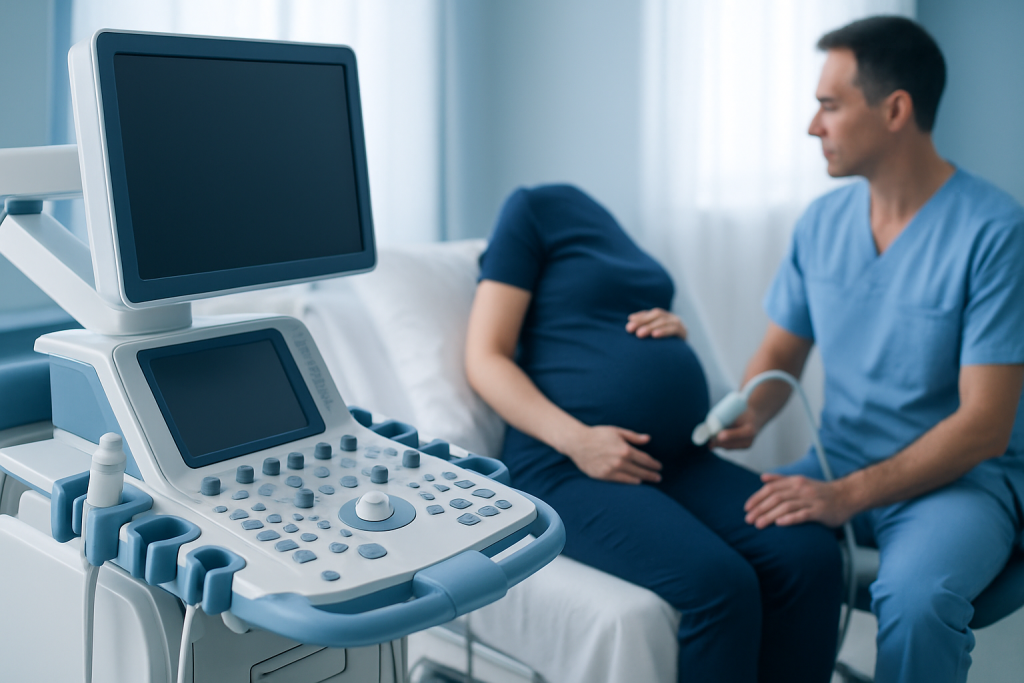
The hallmark symptom is itching, often intense enough to disturb sleep. It usually affects the palms of the hands and soles of the feet first, but it can spread to the arms, legs, or the whole body. Unlike many skin conditions, cholestasis of pregnancy often causes little or no visible rash; scratch marks may appear later from repeated rubbing.
Some patients also notice darker urine, pale stools, or a yellow tint to the skin or eyes, although these are less common. Discomfort may worsen at night, which can make rest difficult and leave a pregnant person feeling exhausted, irritable, or distracted during the day.
It is important to remember that itching in pregnancy has many possible causes. Cholestasis is one to consider when itching is persistent, new, and especially when it is concentrated on the hands and feet or is not explained by a skin outbreak.
Causes & Risk Factors

The exact cause of cholestasis of pregnancy is not fully understood. Hormonal changes in pregnancy appear to play a major role, and the condition may be more likely when the liver is sensitive to those hormonal shifts. Genetics also seem to contribute, which helps explain why some families see it more than once.
Certain factors are associated with a higher chance of developing the condition, including a personal or family history of cholestasis of pregnancy, multiple pregnancy, and some pre-existing liver or bile duct conditions. It may also be more common in pregnancies conceived with fertility treatment in some patients, though risk varies and not every patient with these factors will develop the condition.
Because the condition can recur in later pregnancies, a patient who had cholestasis before should tell the obstetric team early in a new pregnancy. That information helps the team watch for symptoms sooner and arrange testing without delay if itching begins.
Diagnosis
Diagnosis is usually made with blood tests and a review of symptoms. The main test measures serum bile acids, and liver function tests are often checked at the same time to look for patterns that support the diagnosis. These tests help distinguish cholestasis from skin-related itching or other pregnancy conditions.
Symptoms alone are not enough to confirm the condition, because itching can happen in pregnancy for many unrelated reasons. A clinician may repeat blood tests if the first results are normal but symptoms remain convincing, since bile acid levels can change over time.
Depending on the situation, the care team may also look for other causes of abnormal liver tests, such as viral hepatitis, gallbladder disease, or preeclampsia-related liver problems. For Myomectomy Recovery: Healing Time, Activity Limits, and Fertility Planning" class="ahp-ilk">Myomectomy Recovery for International Patients: The Usual Travel Timeline" class="ahp-ilk">international patients, bringing previous lab reports and imaging, if any, can make this step faster and more efficient.
Treatment Options
Treatment has two goals: reduce symptoms and lower pregnancy-related risks through monitoring and delivery planning. A medicine called ursodeoxycholic acid is commonly used in many care settings to help improve bile flow and may ease itching for some patients. The exact treatment plan is individualized, based on symptoms, laboratory results, and gestational age.
Supportive measures may include checking liver tests and bile acids more than once, reviewing fetal well-being as the pregnancy progresses, and discussing the safest timing for birth. Delivery timing is often an important part of care because the condition can become more concerning later in pregnancy, especially when bile acid levels are elevated.
If itching is severe, sleep is affected, or test results change, the obstetric team may adjust the plan. Some patients benefit from additional specialist input from maternal-fetal medicine or hepatology, particularly when the diagnosis is complex or the pregnancy is being managed from afar.
Prevention & Self-care
There is no guaranteed way to prevent cholestasis of pregnancy, especially for patients who have a strong personal or family tendency toward it. Still, early reporting of itching is one of the most useful forms of self-care, because it allows testing before symptoms become overwhelming.
Comfort measures can help while medical evaluation is underway. Some patients find relief with cool baths, loose clothing, gentle skin care, and avoiding very hot environments that can intensify itching. These steps do not treat the condition itself, but they may make day-to-day life more manageable.
- Keep track of when itching started and where it is worst.
- Note any changes in urine, stool color, or skin tone.
- Bring all pregnancy records to appointments, especially if care is split between countries.
- Follow the monitoring schedule recommended by the obstetric team, even if symptoms seem to improve.
After delivery, symptoms usually ease, but follow-up blood tests may still be recommended to confirm that liver values return to normal. Patients who plan future pregnancies may also want a pre-pregnancy discussion about recurrence risk and what to watch for early on.
When to See a Doctor
A pregnant person should contact a clinician promptly if itching is new, persistent, or severe, especially if it is mainly on the palms or soles or there is no obvious rash. The sooner blood tests are done, the sooner the team can decide whether cholestasis is likely and whether more frequent follow-up is needed.
Medical review is also important if itching comes with yellowing of the skin or eyes, dark urine, pale stools, right upper abdominal discomfort, headache, swelling, or high blood pressure symptoms. These features do not always mean a serious problem, but they do deserve assessment because more than one pregnancy-related condition can overlap.
If a patient is receiving care while living abroad or visiting family in another country, it is wise to seek help from an obstetric specialist familiar with high-risk pregnancy management. At Acibadem Health Point, multidisciplinary specialists and JCI-accredited hospitals diagnose and treat conditions such as cholestasis of pregnancy for international patients, helping coordinate care across testing, monitoring, and delivery planning.
Living With the Diagnosis
A diagnosis of cholestasis of pregnancy can feel unsettling because the main symptom is hard to ignore and the monitoring may sound more intensive than expected. In practice, the condition is often managed step by step: confirm the diagnosis, check the trend in blood tests, and build a delivery plan that fits the pregnancy timeline.
Clear communication makes this process easier. Patients do best when they know which symptoms should be reported immediately, when repeat blood work is due, and who will oversee care if they are far from home. Written summaries, translated records, and a single point of contact can reduce confusion for those traveling for treatment.
After birth, follow-up matters even when itching disappears quickly. The care team may want to make sure liver tests normalize and may discuss the chance of recurrence in a future pregnancy, so the patient can plan ahead with realistic expectations rather than uncertainty.
Frequently asked questions
01What is cholestasis of pregnancy in simple terms?
It is a pregnancy-related liver condition that slows the normal movement of bile. The most common sign is strong itching, often without a rash. Blood tests are needed to confirm it.
02Does cholestasis of pregnancy harm the baby?
It can be associated with pregnancy risks, which is why close monitoring and delivery planning are important. The care team uses test results and the pregnancy stage to guide safer management. A doctor can explain the situation for each individual case.
03Can the itching happen before blood tests become abnormal?
Yes, symptoms may appear before laboratory changes are obvious. If itching continues, repeat testing may be recommended. That is one reason clinicians do not rely on a single normal test when symptoms are convincing.
04Will the condition go away after delivery?
In most cases, symptoms improve after the baby is born and liver tests gradually return to normal. Follow-up testing is still important to confirm recovery. If symptoms continue, another cause should be considered.
05Is cholestasis of pregnancy likely to return in another pregnancy?
It can recur in later pregnancies, so a previous history should always be shared with the obstetric team early. That allows earlier symptom checking and blood testing if itching starts again. Future care can then be planned more proactively.
06Can a patient travel if they have cholestasis of pregnancy?
Travel decisions depend on symptoms, test results, and how far along the pregnancy is. If travel is planned, the patient should discuss timing with the obstetric team and carry recent records. Access to follow-up care at the destination is especially important.
This article is for general information only and is not a substitute for professional medical advice. Please consult a qualified doctor about your individual situation.
IVF & fertility treatment in Turkey — success rates and costs
JCI-accredited · board-certified surgeons · reply within 24h
Add us as a Preferred Source to see more of our trusted health content across Google Search, AI Overviews and Discover.