VSG Surgery Explained: How Vertical Sleeve Gastrectomy Works

VSG surgery, also called vertical sleeve gastrectomy, is a bariatric procedure that reduces stomach size to support weight loss and improve obesity-related health conditions. It works best as part of a structured treatment plan that includes nutrition, activity, and long-term medical follow-up.
Overview
VSG surgery stands for vertical sleeve gastrectomy. It is a type of bariatric surgery that helps with weight loss by removing about 75% to 80% of the stomach and leaving behind a narrow, tube-like “sleeve.” Because the stomach becomes much smaller, a person feels full sooner and usually eats less at one time.
This operation also affects hunger-related hormones, especially ghrelin, which is produced largely in the part of the stomach that is removed. As a result, many people notice reduced appetite after surgery. For this reason, VSG is not only a restrictive procedure; it also changes some of the body’s signals related to hunger and fullness.
VSG surgery is often recommended for people living with obesity, including those with morbid obesity, especially when supervised diet, exercise, and behavioral changes have not led to enough weight loss or lasting health improvement. It may also be considered when excess weight is contributing to conditions such as type 2 diabetes, high blood pressure, sleep apnea, fatty liver disease, or joint pain.
Among modern bariatric surgery options, VSG is one of the most commonly performed procedures. It does not reroute the intestines, which makes it different from gastric bypass. Even so, it is still a major operation and requires lifelong commitment to healthy habits and regular medical follow-up.
How Vertical Sleeve Gastrectomy Works
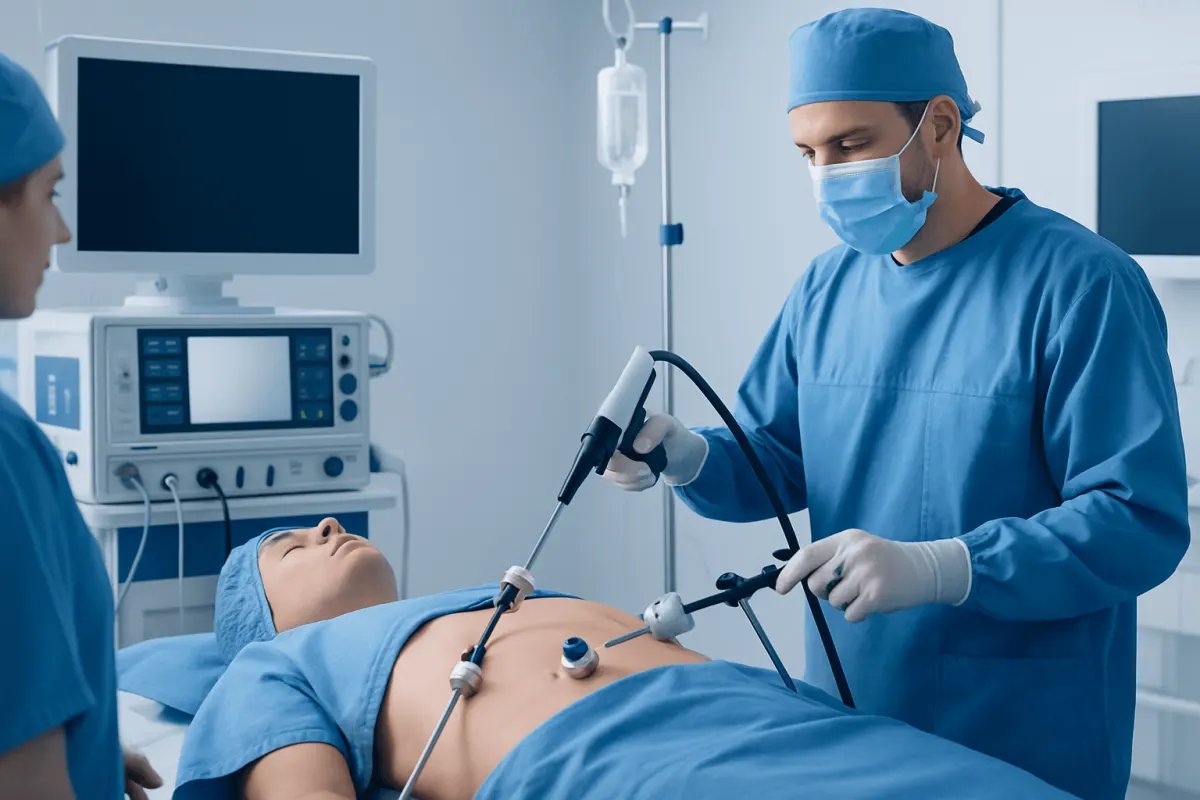
During VSG surgery, the surgeon removes the curved outer portion of the stomach and seals the remaining section into a slender sleeve. The digestive tract continues to follow its usual path, so food still travels from the esophagus into the stomach and then into the small intestine. Because the intestines are not bypassed, absorption of nutrients is generally less affected than with some other bariatric procedures.
The smaller stomach limits portion size. Many patients can only eat small meals at first, and overeating may cause discomfort, nausea, or vomiting. This physical restriction helps reduce calorie intake, particularly when paired with structured eating habits and guidance from a dietitian.
Hormonal changes are also important. Removing the upper part of the stomach lowers production of ghrelin, often called the “hunger hormone.” This can make it easier for some people to control appetite and reduce snacking between meals. Changes in other gut hormones may also improve blood sugar regulation, which is one reason some people see improvement in diabetes after surgery.
Most surgeons perform the operation using laparoscopic surgery, which uses several small incisions and a camera-guided technique. In selected cases, patients may explore whether gastric sleeve surgery is the most suitable approach compared with procedures such as gastric bypass, gastric banding, or nonsurgical options.
Who May Be a Candidate

VSG surgery is not intended for everyone who wants to lose weight. It is usually considered for adults with obesity based on body mass index, overall health, and whether weight-related medical problems are present. Doctors also look at previous attempts at weight loss, eating patterns, mental health, and readiness to make permanent lifestyle changes.
In general, a specialist may consider bariatric surgery for people with a BMI of 40 or higher, or a BMI of 35 or higher when obesity-related health conditions are present. In some situations, surgery may also be discussed at lower BMI levels, particularly when type 2 diabetes or metabolic disease is difficult to manage. The exact criteria can vary by country, medical society, and the patient’s overall risk profile.
A careful assessment is essential before surgery. This usually includes blood tests, nutritional review, evaluation for sleep apnea, and screening for conditions that may affect safety during anesthesia or recovery. Some patients may need treatment first for problems such as severe reflux, uncontrolled mental health conditions, smoking, or substance misuse.
Doctors also assess whether the person understands the long-term demands of surgery. VSG is a tool, not a quick fix. People tend to do best when they are willing to follow meal plans, take supplements if advised, attend follow-up visits, and make realistic, sustainable changes in eating and activity.
Benefits, Risks, and Possible Complications
For many people, VSG surgery can lead to significant weight loss and improvement in obesity-related conditions. Benefits may include better blood sugar control, lower blood pressure, improved mobility, reduced sleep apnea symptoms, and better quality of life. Because the intestines are not bypassed, the procedure is technically less complex than some other bariatric operations, and dumping syndrome is usually less common than after gastric bypass.
However, VSG surgery still carries risks. General surgical risks include bleeding, infection, blood clots, reactions to anesthesia, and breathing problems. Risks specific to sleeve gastrectomy include leakage from the staple line, narrowing of the sleeve, dehydration, nausea, vomiting, acid reflux, and deficiencies in vitamins or minerals over time.
Some people develop or notice worsening reflux symptoms after surgery. Others may experience slower-than-expected weight loss, weight regain, or trouble tolerating certain foods. Long-term follow-up helps identify these issues early so they can be managed with nutrition support, medicines, behavior changes, or, in some cases, revisional surgery.
Every person’s balance of benefit and risk is different. A surgeon and bariatric team usually compare VSG with other approaches such as gastric bypass or nonsurgical programs based on medical history, eating behavior, reflux symptoms, and weight-loss goals.
Preparation, Surgery, and Recovery
Preparation begins well before the operation. Patients usually meet a multidisciplinary team that may include a bariatric surgeon, physician, dietitian, psychologist, and anesthesiologist. They receive instructions about preoperative tests, changes in medications, smoking cessation, and a short-term eating plan that may help reduce liver size before surgery.
On the day of surgery, VSG is performed under general anesthesia. The operation commonly takes one to two hours, although timing varies. Through small abdominal incisions, the surgeon uses specialized instruments to divide and remove most of the stomach, then seals the remaining sleeve with staples. A leak test may be done before the procedure is completed.
Hospital stay is often short, but it depends on the person’s health and recovery. Soon after surgery, patients are encouraged to walk to reduce the risk of blood clots and support healing. They start with small amounts of clear liquids, then advance gradually to full liquids, pureed foods, soft foods, and eventually regular textured foods according to the care team’s plan.
Recovery continues for weeks to months. Tiredness is common at first, and hydration is a major priority because the smaller stomach cannot hold much fluid at once. Follow-up visits track healing, weight loss, nutrition, and emotional adjustment. For international patients, Acıbadem Health Point’s multidisciplinary specialists in JCI-accredited hospitals diagnose and treat obesity with coordinated bariatric care.
Life After VSG: Diet, Supplements, and Long-Term Care
Long-term success after VSG depends on new eating habits. Patients are usually advised to eat slowly, chew thoroughly, stop when comfortably full, and avoid drinking large amounts with meals. Meals are generally small and protein-focused, while high-sugar, high-fat, and highly processed foods are limited because they can interfere with weight loss and cause discomfort.
Hydration is important, but fluids are usually taken between meals rather than during them. Many people need structured meal planning to meet protein goals and avoid grazing. Regular physical activity also plays a major role in preserving muscle mass, improving heart health, and supporting maintenance of weight loss over time.
Even though VSG does not bypass the intestines, nutrient deficiencies can still happen because people eat less. Doctors often recommend vitamin and mineral supplements, and blood tests are used to monitor levels such as iron, vitamin B12, folate, vitamin D, and calcium. Supplement needs vary, so patients should follow professional advice rather than self-prescribing.
Behavioral support matters as much as the operation itself. Stress eating, depression, disordered eating, and unrealistic expectations can affect results. Ongoing counseling, support groups, and regular follow-up can help patients adapt to the physical and emotional changes that may come with major weight loss.
When to Seek Medical Advice
Anyone considering VSG surgery should speak with a qualified bariatric specialist for a personalized assessment. A doctor can explain whether surgery is appropriate, what alternatives exist, and how to prepare for the safest possible outcome. Some people may benefit first from supervised weight management or other approaches such as stomach reduction without surgery.
After the operation, urgent medical advice is needed if there is severe or worsening abdominal pain, fever, chest pain, shortness of breath, repeated vomiting, inability to drink fluids, heavy bleeding, or signs of dehydration. These symptoms do not always mean a serious complication, but they should be checked promptly.
Patients should also contact their care team for less urgent concerns such as persistent reflux, trouble swallowing, constipation, fatigue, hair thinning, or plateauing weight loss. These issues are common and often manageable, especially when addressed early. Lifelong follow-up is one of the most important parts of safe bariatric care.
For people living with obesity, getting help is not about willpower alone. Obesity is a complex chronic condition influenced by biology, environment, behavior, and health status. A structured medical evaluation can help identify the right treatment path, whether that includes surgery or another evidence-based approach.
Frequently asked questions
01Is VSG surgery the same as gastric sleeve surgery?
Yes. VSG surgery is another name for vertical sleeve gastrectomy, commonly called gastric sleeve surgery. All of these terms describe the same procedure in which most of the stomach is removed to create a smaller sleeve-shaped stomach.
02How much weight can a person lose after VSG surgery?
Weight loss varies from person to person and depends on starting weight, health conditions, eating habits, physical activity, and follow-up care. Many people lose a significant amount of weight, especially in the first one to two years, but long-term results are best when surgery is combined with lasting lifestyle changes.
03Will VSG surgery cure diabetes?
VSG surgery can improve blood sugar control and may even lead to remission of type 2 diabetes in some people. However, it is not considered a guaranteed cure, and some patients still need medication or ongoing monitoring after surgery.
04Can the stomach stretch again after sleeve gastrectomy?
The stomach sleeve can expand somewhat over time, especially if large portions become a habit. This is one reason long-term eating patterns, mindful portion sizes, and regular follow-up are important for maintaining results.
05Is VSG surgery reversible?
No. Because a large part of the stomach is permanently removed, VSG surgery is generally not reversible. Patients should understand this clearly before deciding to proceed.
06How long does recovery take after VSG surgery?
Initial recovery often takes a few weeks, although many people start light daily activities sooner. Full adjustment to new eating patterns and energy levels may take longer, and follow-up care continues for months and then lifelong.
This article is for general information only and is not a substitute for professional medical advice. Please consult a qualified doctor about your individual situation.
Medical weight-loss options in Turkey — costs & eligibility
JCI-accredited · board-certified surgeons · reply within 24h
Add us as a Preferred Source to see more of our trusted health content across Google Search, AI Overviews and Discover.