Gastric Sleeve Surgery: BMI Criteria, Health Goals, and Patient Selection

Gastric sleeve surgery is a metabolic and bariatric procedure used to support long-term weight loss and improve obesity-related health conditions. Patient selection is based on BMI, medical risk, previous weight-loss efforts, psychological readiness, and commitment to lifelong follow-up.
Overview
Gastric sleeve surgery, also called Loss Medications: Benefits, Limits, and Safety" class="ahp-ilk">sleeve gastrectomy, is a type of metabolic and bariatric surgery for people living with obesity. During the procedure, a surgeon removes a large portion of the stomach and creates a narrower, sleeve-shaped stomach. This limits the amount of food that can be eaten at one time and may also influence hormones involved in hunger, fullness, and blood sugar regulation.
The operation is most often performed with minimally invasive techniques, using small incisions and a camera. It is different from a temporary diet or short-term weight-loss method because it changes the structure of the stomach and requires lifelong changes in eating habits, nutritional monitoring, and medical follow-up. For many patients, gastric sleeve surgery is considered when obesity is affecting health and non-surgical approaches have not provided enough long-term benefit.
Importantly, gastric sleeve surgery is not cosmetic surgery. Its main purpose is to improve health, reduce obesity-related risks, and support sustainable weight management. Decisions about surgery should be made together with qualified bariatric specialists after a careful review of medical history, body mass index, current health conditions, and personal goals.
BMI Criteria for Gastric Sleeve Surgery
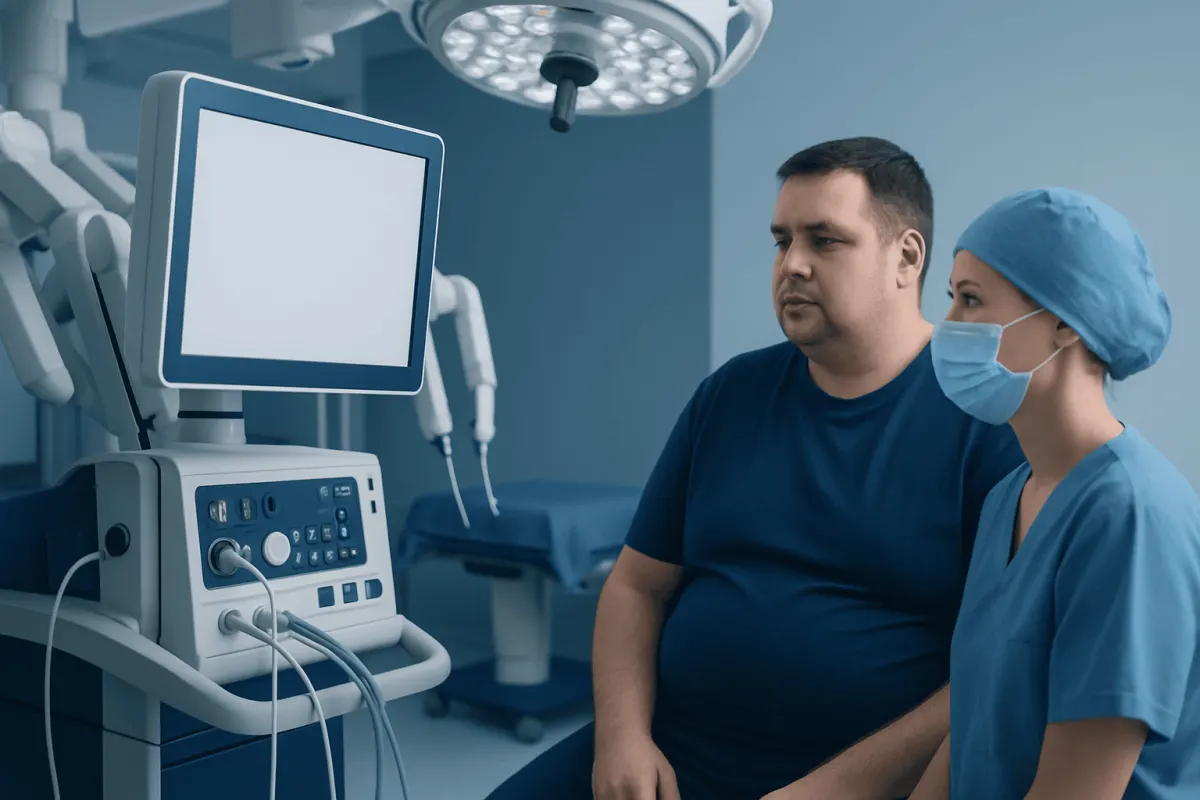
Body mass index, or BMI, is a screening tool that estimates weight in relation to height. It does not measure body fat directly, but it helps clinicians classify weight-related health risk and identify patients who may benefit from bariatric treatment. BMI is calculated by dividing weight in kilograms by height in meters squared.
Traditional eligibility criteria have commonly considered bariatric surgery for adults with a BMI of 40 or higher, or a BMI of 35 or higher when significant obesity-related conditions are present. These conditions may include type 2 diabetes, high blood pressure, obstructive sleep apnea, fatty liver disease, severe joint disease, or other health problems linked to excess weight. More recent professional guidelines support a broader, individualized approach, including consideration of metabolic and bariatric surgery for some people with a BMI of 35 or higher even without diagnosed comorbidities, and for selected patients with BMI 30 to 34.9 when metabolic disease is not adequately controlled with medical treatment.
BMI thresholds may also be interpreted differently in some populations. For example, people of Asian ancestry may develop weight-related metabolic disease at lower BMI levels, so clinicians may use lower BMI cut points when assessing risk. Because BMI cannot capture all aspects of health, the final decision is based on a full medical evaluation rather than a number alone.
- BMI 40 or higher: surgery is often considered if the person is medically fit and understands the required follow-up.
- BMI 35 to 39.9: surgery may be considered, especially when weight-related health conditions are present.
- BMI 30 to 34.9: surgery may be considered in selected cases, particularly with difficult-to-control metabolic disease.
- Individual assessment: ethnicity, body composition, age, medical history, and treatment goals all influence decision-making.
Health Goals Beyond the Scale

Although weight loss is an important outcome, the goals of gastric sleeve surgery are broader than reaching a specific number on the scale. Many patients seek surgery because obesity is affecting daily life, mobility, sleep, blood sugar control, blood pressure, fertility, or joint comfort. A well-planned bariatric program focuses on measurable health improvements as well as quality of life.
Potential benefits may include better control of type 2 diabetes, reduced need for some medications, improved sleep apnea symptoms, lower blood pressure, reduced fatty liver disease activity, and improved mobility. The degree of improvement varies from person to person and depends on factors such as age, duration of obesity, existing medical conditions, genetics, adherence to nutrition guidance, and physical activity. Some conditions may improve quickly, while others need longer follow-up.
Patients are encouraged to set realistic, health-centered goals. These may include walking more comfortably, improving laboratory results, reducing symptoms of reflux or sleep problems, preparing for a safer future pregnancy when appropriate, or lowering long-term cardiovascular risk. The best outcomes occur when surgery is combined with ongoing medical care, structured nutrition support, and behavioral strategies that help maintain new habits.
Patient Selection: Who May Be a Good Candidate
Good candidates for gastric sleeve surgery usually have obesity that has not responded sufficiently to supervised lifestyle, nutritional, medical, or behavioral treatment. They also need to be well enough to undergo anesthesia and surgery. A bariatric team typically reviews medical records, medications, previous weight-loss efforts, eating patterns, sleep health, mental health history, and expectations for treatment.
A key part of patient selection is readiness for long-term change. After surgery, patients must eat smaller portions, chew carefully, prioritize protein, drink fluids separately from meals when advised, avoid grazing, and attend follow-up visits. They also need lifelong vitamin and mineral supplementation as recommended by their care team. Surgery can support weight loss, but it cannot replace healthy routines.
Some situations may delay or prevent surgery until they are addressed. These can include untreated substance use disorder, uncontrolled severe psychiatric illness, active eating disorders, inability to follow medical recommendations, pregnancy, or medical conditions that make surgery unsafe at that time. These are not judgments about a person; they are safety considerations. Many patients can become suitable candidates after appropriate treatment, stabilization, or additional preparation.
Patient selection also includes choosing the most appropriate procedure. Some people may do best with a sleeve, while others may be advised to consider gastric bypass or another bariatric option depending on reflux disease, diabetes severity, eating patterns, prior abdominal surgery, or medication needs. A comprehensive bariatric surgery evaluation helps match the procedure to the patient rather than using a one-size-fits-all approach.
Pre-Surgery Assessment and Preparation
Before gastric sleeve surgery, patients usually undergo a structured assessment. This may include blood tests, nutritional evaluation, cardiology or respiratory review when needed, assessment for sleep apnea, abdominal imaging or endoscopy in selected cases, and review of current medications. The goal is to identify risks early and prepare the body for a safer operation and recovery.
Nutrition preparation is especially important. A dietitian may help the patient understand protein needs, hydration, portion sizes, vitamin supplementation, and the staged diet used after surgery. Some patients are advised to lose a modest amount of weight before the operation or follow a preoperative eating plan to reduce liver size and improve surgical access. Any such plan should be supervised by the bariatric team.
Psychological and behavioral evaluation is also common. This is not a pass-or-fail test. It helps identify emotional eating, binge eating, depression, anxiety, trauma history, or stressors that could make recovery more difficult if left unsupported. Patients may benefit from counseling, support groups, or additional education before proceeding.
Smoking and nicotine use are usually strongly discouraged before and after bariatric surgery because they can affect healing and increase complication risk. Alcohol use also requires careful discussion, as sensitivity to alcohol may change after surgery. Patients should tell their team about all prescription medicines, over-the-counter medicines, supplements, and herbal products so that perioperative plans are safe and coordinated.
Treatment Options and Alternatives
Gastric sleeve surgery is one of several treatments for obesity. It may be recommended because it is effective for many patients, does not involve rerouting the intestines, and can be performed laparoscopically in experienced centers. However, it is permanent and may not be the best choice for everyone, especially for patients with severe gastroesophageal reflux disease or certain metabolic needs.
Other options include intensive lifestyle therapy, anti-obesity medications, endoscopic treatments, and other bariatric procedures. A gastric balloon may be considered for selected patients who do not meet criteria for surgery or who prefer a temporary, less invasive approach. Some patients may compare gastric balloon treatment with surgical options during the decision process. Others may need a procedure with stronger metabolic effects, such as bypass, depending on diabetes status or reflux.
Patients should understand the benefits and limitations of each approach. Medications may be helpful but usually require ongoing use and medical supervision. Endoscopic approaches may support weight loss but may not be suitable for severe obesity. Surgery generally offers more durable weight-loss support for appropriately selected patients, but it requires lifelong follow-up and carries surgical risks.
Possible risks of sleeve gastrectomy include bleeding, infection, leakage from the staple line, blood clots, nausea, dehydration, reflux symptoms, narrowing of the sleeve, and vitamin or mineral deficiencies. These risks are discussed in detail before surgery, and many are reduced through careful patient selection, experienced surgical teams, early mobilization, hydration guidance, and regular follow-up.
Life After Surgery and Long-Term Follow-Up
Recovery after gastric sleeve surgery happens in stages. Patients usually begin with liquids, then progress to pureed foods, soft foods, and eventually a balanced diet in small portions. The exact schedule varies by center and individual recovery. Eating too quickly, drinking with meals, or choosing high-sugar foods can cause discomfort, so patients learn new eating behaviors gradually.
Long-term nutrition is central to success. Patients are usually advised to focus on protein, vegetables, fiber-containing foods as tolerated, and adequate fluids. Vitamin and mineral supplements are commonly required because reduced intake can lead to deficiencies over time. Regular blood tests help monitor iron, vitamin B12, folate, vitamin D, calcium, and other markers as appropriate.
Physical activity is introduced progressively, beginning with gentle walking and later building toward strength, flexibility, and aerobic fitness. Exercise supports weight maintenance, muscle preservation, heart health, and emotional well-being. Sleep, stress management, and support from family or peer groups can also help patients maintain progress.
Follow-up is not only for weight checks. It is an opportunity to adjust nutrition, review medications, monitor diabetes or blood pressure changes, address reflux or digestive symptoms, and support mental health. At Acıbadem Health Point, multidisciplinary specialists in JCI-accredited hospitals diagnose and treat obesity and related conditions for international patients, including evaluation for obesity treatment and bariatric care when appropriate.
When to See a Doctor
A person may wish to speak with a doctor or bariatric specialist if obesity is affecting health, daily function, fertility planning, sleep, mobility, or emotional well-being. Medical advice is also appropriate if repeated attempts at diet, exercise, behavioral therapy, or medication have not led to sustainable improvement. Early discussion does not mean surgery is required; it simply helps clarify options.
Patients with type 2 diabetes, high blood pressure, sleep apnea, fatty liver disease, joint problems, or cardiovascular risk factors may benefit from a structured weight-management evaluation. A clinician can calculate BMI, assess metabolic risk, review medications that may affect weight, and check for hormonal or medical contributors. If surgery is considered, referral to a bariatric team allows a more detailed risk-benefit discussion.
After surgery, patients should contact their care team promptly for persistent vomiting, inability to drink enough fluids, worsening abdominal pain, fever, chest pain, shortness of breath, black stools, severe reflux, or signs of dehydration. Most recovery concerns can be managed more effectively when addressed early. Regular scheduled visits remain important even when the patient feels well.
Frequently asked questions
01What BMI is needed for gastric sleeve surgery?
Many programs consider gastric sleeve surgery for adults with a BMI of 40 or higher, or a BMI of 35 or higher with obesity-related health conditions. Some current guidelines support considering surgery at lower BMI levels for selected patients with metabolic disease, such as difficult-to-control type 2 diabetes. A specialist evaluation is needed because BMI is only one part of eligibility.
02Can someone have gastric sleeve surgery with a BMI under 35?
It may be possible in selected cases, especially when significant metabolic disease is present and other treatments have not achieved adequate control. The decision depends on the person’s overall health, ethnicity, diabetes status, previous treatment history, and surgical risk. A bariatric team can explain whether surgery or another option is more appropriate.
03Is gastric sleeve surgery a cure for obesity?
No. Gastric sleeve surgery is a treatment tool that can support long-term weight loss and improve obesity-related conditions, but it does not remove the need for lifestyle changes. Patients still need nutrition planning, physical activity, follow-up visits, and vitamin monitoring. Long-term success depends on both the procedure and ongoing care.
04Who should not have gastric sleeve surgery right away?
Surgery may be postponed for people with uncontrolled severe psychiatric illness, active substance use disorder, untreated eating disorders, pregnancy, or medical conditions that make anesthesia unsafe. These issues do not always mean surgery is impossible in the future. Treatment, stabilization, and further preparation may make bariatric care safer later.
05How is gastric sleeve different from gastric bypass?
Gastric sleeve surgery removes part of the stomach and creates a smaller stomach tube, while gastric bypass creates a small stomach pouch and reroutes part of the small intestine. Bypass may have stronger effects on reflux and some metabolic conditions, but it also changes digestion more extensively. The best option depends on health conditions, eating patterns, reflux history, and the surgeon’s assessment.
06Will health conditions improve after gastric sleeve surgery?
Many patients experience improvement in weight-related conditions such as type 2 diabetes, high blood pressure, sleep apnea, fatty liver disease, and joint discomfort. The degree of improvement varies and cannot be guaranteed. Continued medical follow-up is important so medications and treatment plans can be adjusted safely.
07What follow-up is needed after gastric sleeve surgery?
Follow-up usually includes visits with the surgical team, dietitian, and sometimes endocrinology, psychology, or other specialists. Blood tests are used to monitor vitamin and mineral levels, hydration, and metabolic health. Patients are generally advised to continue long-term follow-up even after weight stabilizes.
This article is for general information only and is not a substitute for professional medical advice. Please consult a qualified doctor about your individual situation.
Medical weight-loss options in Turkey — costs & eligibility
JCI-accredited · board-certified surgeons · reply within 24h
Add us as a Preferred Source to see more of our trusted health content across Google Search, AI Overviews and Discover.