Gastric Sleeve Surgery With Fatty Liver: Risks, Planning, and Expected Benefits

Sleeve Surgery: BMI Criteria, Health Goals, and Patient Selection" class="ahp-ilk">Gastric sleeve surgery may be an appropriate option for selected people with fatty liver disease, especially when obesity is contributing to liver inflammation and metabolic risk. Careful preoperative assessment, short-term weight-loss preparation, and long-term nutritional follow-up help improve safety and outcomes.
Overview
Gastric sleeve surgery with fatty liver is a common clinical situation because obesity and metabolic conditions are closely linked to fat accumulation in the liver. Fatty liver disease is now often called metabolic dysfunction-associated steatotic liver disease, or MASLD; many people also know it by the older term nonalcoholic fatty liver disease, or NAFLD. It ranges from simple fat buildup to liver inflammation and, in some people, scarring called fibrosis.
Gastric sleeve surgery removes a large portion of the stomach and creates a smaller, sleeve-shaped stomach. It helps patients feel full with smaller meals and can improve appetite-regulating hormones. For eligible patients with obesity, it may support significant, sustained weight loss when combined with nutrition, activity, and medical follow-up.
Having fatty liver does not automatically rule out sleeve gastrectomy. In many cases, the operation is considered because weight loss can reduce liver fat and improve metabolic health. However, the surgical plan should be individualized because advanced liver scarring, uncontrolled diabetes, heavy alcohol use, or other medical conditions may change the risk profile and the recommended approach.
Why Fatty Liver Matters Before Surgery
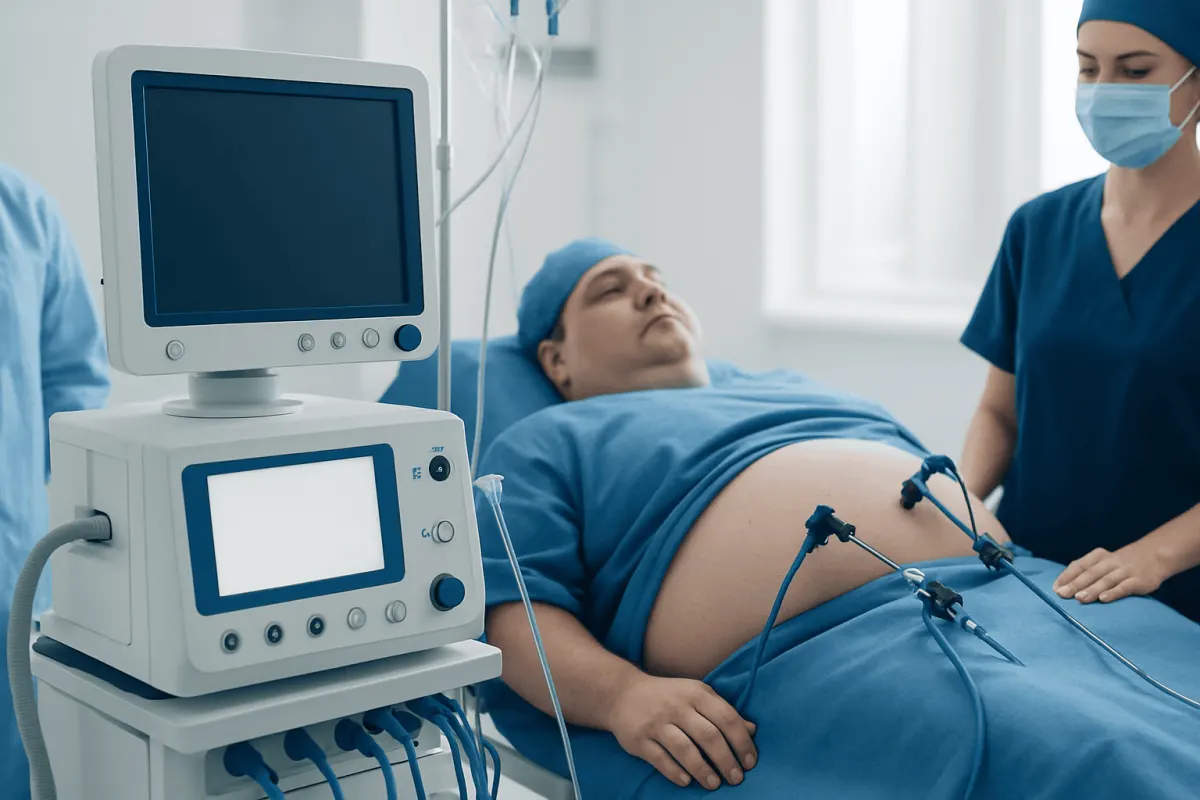
The liver sits close to the stomach and is gently moved during laparoscopic sleeve surgery. When fatty liver is present, the liver may be enlarged, more fragile, and more difficult to retract safely. This can make the operation technically more challenging and may slightly increase the risk of bleeding or a longer procedure, especially if the liver is very large or inflamed.
The main concern is not fatty liver alone, but the stage of liver disease. Simple steatosis usually carries a lower risk than steatohepatitis with significant fibrosis or cirrhosis. Cirrhosis can affect blood clotting, fluid balance, infection risk, and how the body handles anesthesia. For this reason, the team may look for signs of portal hypertension, low platelets, abnormal liver synthetic function, or previous complications such as abdominal fluid or variceal bleeding.
Fatty liver is also a marker of wider metabolic health. People with MASLD frequently have insulin resistance, type 2 diabetes, high blood pressure, abnormal cholesterol, sleep apnea, or heart disease risk factors. A safe bariatric plan considers all of these issues rather than focusing only on the liver scan or liver enzyme results.
Preoperative Assessment and Planning

Before surgery, the bariatric team usually reviews weight history, previous weight-loss attempts, medications, alcohol intake, family history, and obesity-related conditions. Blood tests often include liver enzymes, bilirubin, albumin, blood count, clotting tests, glucose control, lipid levels, kidney function, and vitamin levels. These results help the surgeon, anesthesiologist, dietitian, and other specialists plan care safely.
Imaging may include abdominal ultrasound to detect fatty liver, gallstones, or liver enlargement. In selected patients, elastography or specialized imaging may be used to estimate liver stiffness, which can suggest fibrosis. If results suggest advanced disease, a hepatology review may be recommended before surgery. Occasionally, further testing or a liver biopsy is considered, but this is not necessary for every patient.
A short preoperative weight-loss plan is often helpful. Many programs recommend a structured low-calorie or liver-shrinking diet for a limited period before surgery, supervised by the medical team. Even modest weight loss can reduce liver volume and abdominal fat, making laparoscopic access easier. This preparation should not involve extreme fasting or unapproved supplements, because these can create dehydration, electrolyte problems, or liver stress.
Medication planning is also important. Drugs for diabetes, blood pressure, blood thinning, and reflux may need adjustment around the operation. Patients should tell their team about all prescription medicines, over-the-counter pain relievers, herbal products, and vitamins. Smoking cessation and treatment for sleep apnea, when present, also improve perioperative safety.
Surgical Risks and Safety Considerations
Sleeve gastrectomy is commonly performed using minimally invasive techniques, which generally involve small incisions and a camera-guided approach. In patients with fatty liver, the surgeon pays particular attention to safe liver retraction, bleeding control, and visibility around the upper stomach. If the liver is very enlarged, the team may recommend additional preoperative weight loss before proceeding.
General risks of sleeve gastrectomy include bleeding, infection, blood clots, anesthesia-related problems, staple-line leak, narrowing of the sleeve, reflux symptoms, dehydration, and nutritional deficiencies. These risks are discussed during informed consent and vary according to overall health, surgical history, body mass index, liver stage, and the presence of diabetes or sleep apnea. Advanced liver disease may increase certain risks and may lead the team to choose a different timing, setting, or procedure.
For some patients, the most appropriate option may still be bariatric surgery, but not necessarily immediately or without additional evaluation. Others may need medical weight management first, treatment of alcohol-related risk if relevant, or specialist liver care. The goal is not only to perform an operation but to do so at the safest time, with the best preparation and follow-up plan.
Patients should understand that no surgery is risk-free, and improvement in fatty liver is not guaranteed in every case. Outcomes are usually best when surgery is part of a comprehensive plan that includes nutrition counseling, physical activity, diabetes control, and regular monitoring.
Expected Benefits for Fatty Liver and Metabolic Health
The main expected benefit of gastric sleeve surgery is meaningful weight loss, which can reduce the metabolic drivers of fatty liver. As body weight decreases, many patients experience reduced liver fat and improved insulin sensitivity. Liver enzyme levels may improve, although normal liver enzymes do not always mean the liver is fully healthy, and abnormal levels do not always indicate severe disease.
Weight loss after sleeve gastrectomy may also improve conditions that commonly accompany fatty liver, including type 2 diabetes, high blood pressure, high triglycerides, and obstructive sleep apnea. These improvements can reduce strain on the liver and cardiovascular system. The degree of benefit varies from person to person and depends on long-term adherence to follow-up care.
It is important to distinguish between improvement and cure. Fatty liver can return if weight is regained, alcohol intake increases, diabetes becomes poorly controlled, or nutrition quality remains low. Patients with fibrosis or cirrhosis need ongoing liver monitoring even after successful weight loss, because scar tissue may not completely disappear and complications can still require surveillance.
The expected benefits should be discussed in realistic terms. Sleeve gastrectomy is a powerful tool, but it works best when patients learn new eating patterns, protect muscle mass with adequate protein and activity, and attend scheduled follow-up visits.
Recovery, Nutrition, and Long-Term Self-Care
After surgery, the diet progresses gradually from clear liquids to full liquids, soft foods, and then small portions of solid foods, following the program provided by the bariatric team. Hydration is a priority because the new stomach volume is small. Patients are usually advised to sip fluids regularly, eat slowly, stop when comfortably full, and avoid drinking large volumes with meals if their care team recommends separation of fluids and solids.
Protein intake is central to healing and preserving muscle mass during weight loss. Patients may need prescribed vitamins and minerals, commonly including a bariatric multivitamin and additional supplements depending on blood results. Deficiencies can develop after restrictive procedures too, especially when intake is limited, vomiting occurs, or follow-up is missed.
Self-care after sleeve gastrectomy also includes gradual physical activity, attention to sleep, and support for emotional eating or food-related stress. Alcohol deserves special caution because it can worsen liver injury and may be absorbed differently after bariatric surgery. Patients with fatty liver should ask their doctor what level of alcohol avoidance is appropriate for their liver stage and overall health.
Follow-up may include weight trends, blood tests, liver enzymes, diabetes markers, cholesterol, vitamin levels, and, when indicated, liver fibrosis monitoring. Patients receiving care for obesity benefit from a team approach that includes medical, nutritional, psychological, and surgical expertise.
When to See a Doctor
Anyone with obesity and known or suspected fatty liver should speak with a qualified doctor before choosing a weight-loss procedure. Medical advice is especially important if there are abnormal liver tests, diabetes, high blood pressure, sleep apnea, a history of blood clots, previous abdominal surgery, or regular alcohol use. The doctor can determine whether sleeve gastrectomy is appropriate and whether additional liver assessment is needed.
Urgent medical advice is needed after surgery for symptoms such as persistent fever, worsening abdominal pain, repeated vomiting, inability to drink fluids, black stools, chest pain, shortness of breath, fainting, yellowing of the skin or eyes, or swelling in the legs. These symptoms do not always mean a serious complication is present, but they should be assessed promptly.
Patients considering treatment abroad should ensure that evaluation, surgery, and aftercare are coordinated. Acıbadem Health Point provides multidisciplinary assessment for international patients through JCI-accredited hospitals, including bariatric surgeons, anesthesiologists, dietitians, and relevant medical specialists when liver disease is present. The choice of procedure, including sleeve gastrectomy, should always be based on individual medical findings and shared decision-making.
Frequently asked questions
01Can someone have gastric sleeve surgery if they have fatty liver?
Yes, many people with fatty liver can have gastric sleeve surgery if they are otherwise suitable candidates. The key issue is the stage of liver disease and overall medical risk. A doctor may recommend blood tests, imaging, or liver stiffness assessment before confirming the plan.
02Does fatty liver make sleeve gastrectomy more dangerous?
Fatty liver can make surgery more technically challenging if the liver is enlarged or fragile. Simple fatty liver usually carries less concern than advanced fibrosis or cirrhosis. Careful preoperative planning and short-term weight-loss preparation can help reduce risk.
03Will gastric sleeve surgery cure fatty liver?
Gastric sleeve surgery may improve liver fat, inflammation, and metabolic risk through sustained weight loss. However, it should not be viewed as an automatic cure. Ongoing nutrition, physical activity, diabetes control, and liver follow-up remain important.
04Why do patients follow a liver-shrinking diet before surgery?
A preoperative diet can reduce liver size and abdominal fat, which may improve visibility and access during laparoscopic surgery. It is usually used for a limited period and should be supervised by the bariatric team. Patients should avoid crash diets or supplements that have not been approved by their doctor.
05What tests are needed before sleeve surgery with fatty liver?
Common tests include liver enzymes, blood count, clotting tests, glucose control, cholesterol, kidney function, and vitamin levels. Ultrasound is often used, and elastography may be added if fibrosis is a concern. Some patients also need cardiology, endocrinology, sleep apnea, or hepatology evaluation.
06Can fatty liver return after bariatric surgery?
Yes, fatty liver can return if weight is regained or if diabetes, cholesterol, alcohol intake, or diet quality are not well controlled. Long-term follow-up helps detect changes early. Patients with previous fibrosis need continued monitoring even if weight loss is successful.
This article is for general information only and is not a substitute for professional medical advice. Please consult a qualified doctor about your individual situation.
Medical weight-loss options in Turkey — costs & eligibility
JCI-accredited · board-certified surgeons · reply within 24h
Add us as a Preferred Source to see more of our trusted health content across Google Search, AI Overviews and Discover.