Visual Snow Syndrome: Symptoms, Causes and Treatment

Key Takeaways
- Visual snow syndrome causes a persistent “static” effect in vision that is usually present in both eyes.
- It may come with light sensitivity, afterimages, trouble seeing in the dark, and migraine-like symptoms.
- Diagnosis is based on symptoms and exclusion of other eye or neurological conditions.
- There is no single cure, but treatment can help reduce triggers and improve daily functioning.
- People who notice new or changing visual symptoms should seek medical evaluation to confirm the cause.
Visual snow syndrome is a neurological condition that can make vision appear as if it contains constant static, along with other persistent visual changes. It is often confusing at first, but a careful evaluation can help rule out other causes and guide supportive treatment.
Overview
Visual snow syndrome is a neurological condition that changes how a person perceives the visual world. Many people describe it as seeing tiny flickering dots, like television static, across the entire visual field. The effect is usually continuous and can be present in both eyes, even though the eyes themselves may look normal on examination.
This condition can be unsettling because it is easy to assume something is wrong with the eyes alone. In reality, visual snow syndrome is thought to involve how the brain processes visual information. That is why an evaluation often includes both eye care and neurological assessment, especially when symptoms are new or accompanied by headaches, dizziness, or other changes.
For people living far from home, the symptoms may be especially disruptive because they can affect reading, driving, screen use, and confidence in unfamiliar surroundings. A clear diagnosis matters, not only to exclude other causes but also to help the person understand what is happening and how to manage it safely.
Symptoms

The hallmark symptom is persistent visual static. Some people notice it more in dim light or on plain backgrounds, while others see it all the time. The dots may be black, white, transparent, or colored, and the intensity can vary from day to day.
Visual snow syndrome often includes additional visual complaints. These may make everyday tasks feel tiring or visually “noisy,” even when standard eye tests appear normal. Common associated symptoms include:
- Afterimages or palinopsia, where an image lingers after the object is gone
- Light sensitivity, especially in bright or flickering environments
- Difficulty seeing at night or in low light
- Seeing halos, floaters, or increased awareness of entoptic phenomena
- Temporary visual discomfort during reading, screen use, or travel
Some people also report migraine, tinnitus, anxiety, or feeling overstimulated by visual environments. These symptoms do not confirm the diagnosis by themselves, but they can provide important clues during a medical consultation.
Causes & Risk Factors

The exact cause of visual snow syndrome is still being studied. Current evidence suggests it is a problem of visual processing in the brain rather than damage to the eyes. In many people, routine eye examinations do not explain the symptoms, which can be frustrating before the condition is recognized.
Researchers have observed links with migraine, particularly migraine with aura, and some people notice that symptoms begin after a period of stress, illness, concussion, or recreational drug exposure. That said, not every person with visual snow has one of these triggers, and having a trigger does not mean it caused the condition on its own.
Possible factors associated with visual snow syndrome include:
- A personal history of migraine
- Previous head injury or concussion
- Anxiety or heightened sensitivity to sensory stimuli
- Recent onset after certain medications or substances in some cases
- Family history of migraine or other neurological symptoms
Because some eye diseases and neurological disorders can cause similar complaints, a careful history is important. The goal is not to assign blame, but to identify whether the pattern fits visual snow syndrome or a different condition that needs specific treatment.
Diagnosis
Diagnosis begins with listening closely to the symptom pattern. A doctor usually asks when the visual changes started, whether they are constant, whether both eyes are affected, and whether other symptoms such as headache, flashes, or vision loss are present. This conversation is often more important than a single test result.
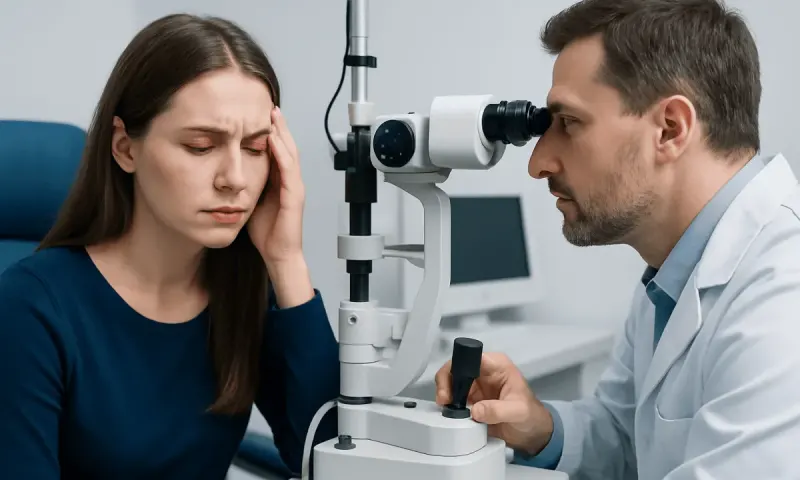
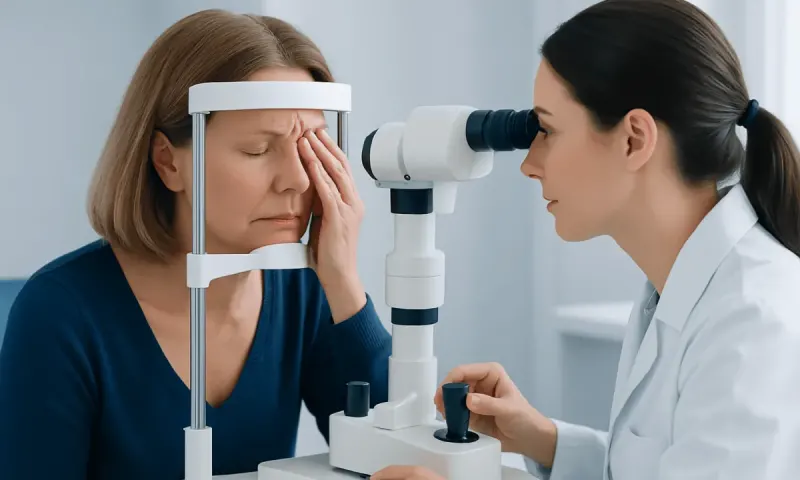
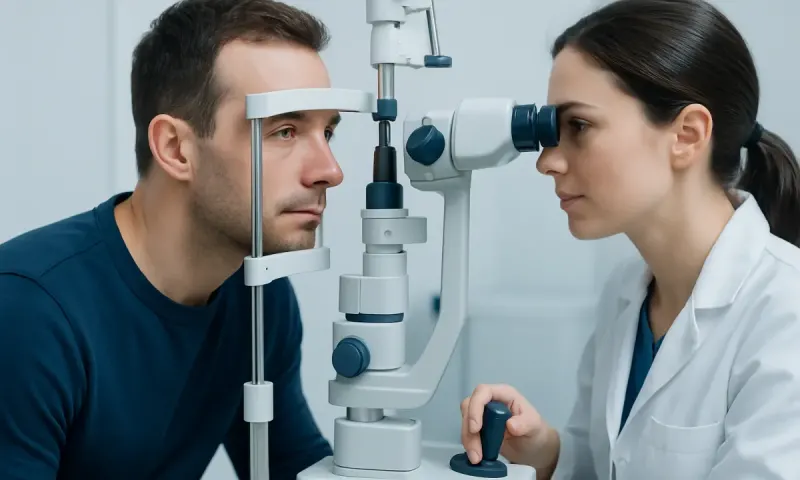
An eye examination is commonly performed to check visual acuity, the retina, optic nerve, and pressure inside the eye. Depending on the story and exam findings, the doctor may recommend additional tests such as visual field assessment, retinal imaging, or brain imaging to rule out other causes. These tests are not always needed, but they may be useful when symptoms are atypical or new.
Visual snow syndrome is generally considered when the characteristic static is persistent and other explanations have been excluded. For international patients, bringing prior eye records, imaging reports, migraine history, and a list of any medications or supplements can make the assessment more efficient and help avoid repeating unnecessary tests.
Treatment Options
There is no universally effective cure for visual snow syndrome, but that does not mean nothing can be done. Treatment is usually aimed at reducing the burden of symptoms, managing related conditions such as migraine, and helping the person adapt more comfortably to daily life.
Some medications have been tried in selected cases, but responses vary and no treatment works reliably for everyone. Because the evidence is still evolving, doctors often take an individualized approach and focus on whether migraine control, sleep improvement, or reducing visual triggers makes the greatest difference for a particular person.
Supportive strategies may include:
- Managing migraine if it is present
- Reviewing medications or substance exposure with a doctor
- Using tinted lenses or other visual aids when recommended
- Adjusting screen brightness, lighting, and reading environments
- Addressing anxiety, sleep problems, or stress that may worsen symptoms
Some people benefit from reassurance alone once serious eye and brain conditions have been excluded. Others need a broader plan involving neurology, ophthalmology, and sometimes mental health support so that the symptoms feel less overwhelming in everyday settings.
Prevention & Self-care
Not every case of visual snow syndrome can be prevented, but people can often reduce how disruptive it feels. The most helpful self-care usually starts with understanding personal triggers rather than trying to “push through” the symptoms. A symptom diary can be useful for noticing whether fatigue, stress, bright light, or migraine patterns make things worse.
Practical steps often focus on making vision less strained. These small changes may not remove the visual static, but they can improve comfort and concentration, especially during travel or screen-heavy work.
- Take regular breaks from screens and reading
- Use soft, stable lighting when possible
- Wear sunglasses outdoors if light sensitivity is prominent
- Prioritize sleep and hydration
- Manage migraine triggers if migraine is part of the picture
It can also help to plan ahead for situations that demand a lot of visual processing, such as airports, unfamiliar streets, or long meetings. A calm environment, predictable routines, and clear follow-up plans can make a meaningful difference while the person continues evaluation or treatment.
When to See a Doctor
Any new, persistent visual change deserves medical attention, especially if it is the first time the person has experienced static, flashing lights, or unusual afterimages. Visual snow syndrome itself is not usually an emergency, but similar symptoms can appear with eye disease, migraine complications, or neurological problems that need prompt assessment.
It is especially important to seek care quickly if the visual symptoms are accompanied by loss of vision, a sudden increase in flashes or floaters, eye pain, weakness, speech changes, severe headache, or confusion. These features suggest that the problem may be something other than visual snow syndrome.
For people traveling for care, a specialist review can bring clarity when the diagnosis has remained uncertain at home. Acibadem Health Point’s multidisciplinary specialists and JCI-accredited hospitals diagnose and treat visual snow syndrome for international patients, with coordinated evaluation when eye and neurological perspectives are both needed.
Living With the Condition
Living with visual snow syndrome often means adjusting expectations rather than waiting for a single fix. Many people learn which situations make the symptoms less noticeable and which ones make them harder to tolerate. Once the diagnosis is established, that knowledge alone can reduce anxiety and help restore confidence in daily activities.
Support is also practical. A person may need updated glasses, migraine management, a quieter work setup, or guidance on whether driving at night is advisable. These decisions are best made with a clinician who understands both the visual symptoms and the person’s wider health picture.
Because the condition can feel isolating, it may help to discuss it with family members or colleagues in simple terms: the eyes may be structurally healthy, but the brain is processing visual input in a way that creates constant static. That explanation can make the experience easier for others to understand and support.
Frequently asked questions
01Is visual snow syndrome the same as seeing floaters?
No. Floaters are typically isolated shapes or threads that move with eye movement, while visual snow syndrome causes a full-field static-like effect. Some people with visual snow also notice floaters more strongly, which can make the two experiences feel similar.
02Can visual snow syndrome go away on its own?
It may improve for some people, but the course is variable. Because the condition can be persistent, evaluation and symptom management are usually more helpful than waiting for it to disappear without support.
03Does visual snow syndrome mean there is damage to the eyes?
Not usually. The eyes often appear normal, and the condition is believed to involve how the brain processes visual information. A medical exam is still important to rule out other eye or neurological causes.
04Is migraine linked to visual snow syndrome?
Yes, migraine is commonly associated with visual snow syndrome. Some people have both conditions, and controlling migraine triggers may make the visual symptoms easier to live with.
05Can stress make visual snow worse?
Stress may make symptoms more noticeable or harder to cope with, even if it is not the root cause. Many people benefit from better sleep, routine, and migraine-friendly habits that reduce overall sensory strain.
06What should a person bring to a specialist appointment?
It helps to bring prior eye test results, brain scans if they have already been done, a list of medications or supplements, and notes about when the symptoms began. A short symptom timeline can make the consultation clearer and more efficient.
This article is for general information only and is not a substitute for professional medical advice. Please consult a qualified doctor about your individual situation.
Explore treatments in Turkey — costs, top hospitals & a free quote
JCI-accredited · board-certified surgeons · reply within 24h
Add us as a Preferred Source to see more of our trusted health content across Google Search, AI Overviews and Discover.