Veneers for Seniors: Benefits and Limits for Teeth
Veneers for seniors may be an effective cosmetic option for teeth affected by discoloration, chips, uneven shape or small gaps when the teeth and gums are healthy enough to support them. The main benefits are a natural-looking smile improvement and stain resistance with porcelain, while important limitations include irreversible enamel removal, future maintenance and the need to manage gum disease, decay or bite problems first.
Veneers for Seniors: Pros and Cons at a Glance
Veneers for seniors can be a good cosmetic dental option when the underlying teeth and gums are stable. They are custom-made, tooth-colored shells—most often porcelain or composite resin—bonded to the visible front surfaces of teeth. They can improve discoloration that does not respond well to whitening, small chips, worn edges, uneven shape and minor gaps.
The main advantages are an individualized, natural-looking change in the smile and, with porcelain, good resistance to staining. The main disadvantages are that conventional veneers usually require permanent alteration of enamel, do not prevent future dental disease and may eventually need repair or replacement. An experienced dentist evaluates overall oral health rather than using chronological age as the deciding factor.
- Potential benefits: improved color, symmetry, shape and confidence in smiling.
- Potential limitations: irreversibility, cost over the long term, possible sensitivity and future maintenance.
- Key requirement: healthy gums, manageable decay risk and enough sound tooth structure.
How Veneers Work and Who May Be a Candidate
A veneer covers the front and sometimes the edge of a tooth. Porcelain veneers are fabricated in a dental laboratory or with digital technology, then bonded with dental adhesive. Composite veneers are sculpted directly on the tooth or made indirectly; they may require less tooth preparation in selected cases but can be more prone to staining and wear than porcelain.
Older adults may be candidates if they have healthy or treatable gums, stable teeth, adequate enamel or tooth structure, and a bite that will not place excessive force on the veneers. A dentist also considers dry mouth, which may raise cavity risk; medications that affect oral health; existing crowns or large fillings; and habits such as nail biting, chewing ice or teeth grinding.
Veneers are not always the best solution. Active gum disease, untreated tooth decay, loose teeth, major bite discrepancies or severely weakened teeth generally need treatment first. Teeth with extensive damage may need a different restoration, such as a crown, while missing teeth may require replacement options rather than veneers.
Step by Step: The Veneer Procedure

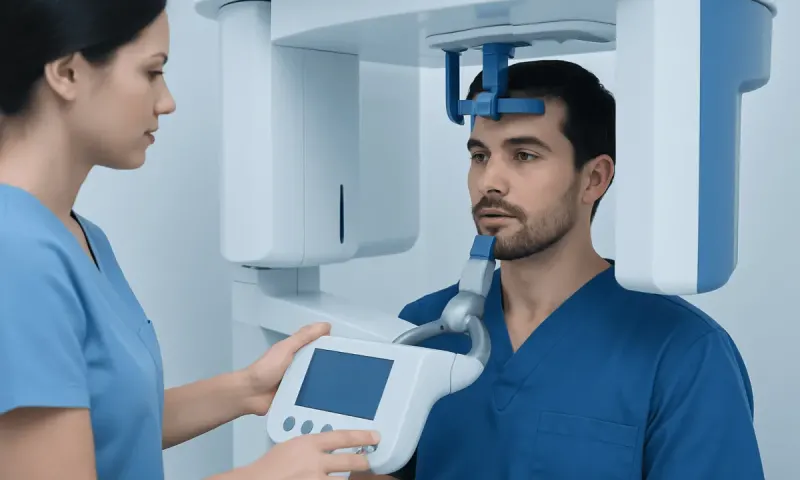
The process begins with a consultation, oral examination and discussion of the person’s goals. The dentist may take X-rays, photographs, digital scans and impressions. These records help assess the roots, bone support, gum health, bite and available space. Whitening or other dental treatment may be discussed before choosing a final veneer shade.
For conventional porcelain veneers, the dentist typically reshapes a small amount of enamel so the finished veneer can sit naturally against neighboring teeth. Local anesthetic may be used, depending on the amount of preparation and the person’s comfort. A scan or impression is then sent to the laboratory, and temporary veneers may be placed when appropriate.
At a later appointment, the dentist checks the fit, color and shape before permanently bonding the veneer. The bite is adjusted so that forces are distributed as safely as possible. People considering cosmetic smile restoration can discuss dental veneers with a qualified dentist to understand which material and preparation approach is appropriate for their teeth.
Some practices offer minimal-preparation or no-preparation veneers for carefully selected cases. These are not suitable for every smile; placing a veneer without enough space can create bulky contours that affect appearance, cleaning or gum comfort.
Can a 70 Year Old Get Veneers?
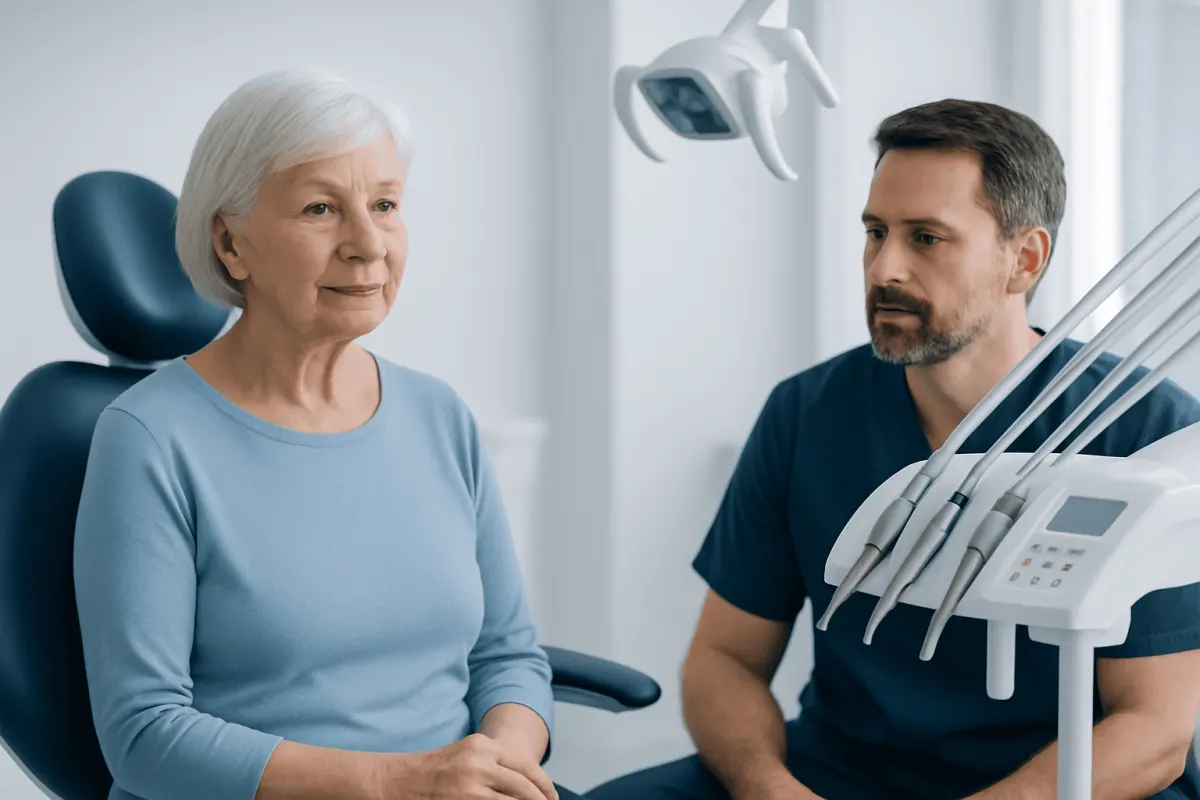
Yes. A 70-year-old can get veneers if a dental assessment shows that the teeth, gums and bite are suitable. There is no fixed upper age limit. Many people in their seventies have healthy natural teeth and may benefit from conservative cosmetic treatment when their expectations and oral health support the choice.
However, age-related dental changes deserve special attention. Gum recession can expose root surfaces and alter the position of the gumline around a veneer. Worn enamel, old fillings, crowns, reduced saliva flow, osteoporosis medications and long-standing clenching may also affect planning. These factors do not automatically rule out veneers, but they may change the recommended treatment.
A comprehensive exam is especially important when there is bleeding from the gums, tooth mobility, discomfort on biting or a history of periodontal treatment. Stabilizing gum health first helps protect both natural teeth and cosmetic restorations.
Recovery Timeline and Expected Results
Recovery after veneer placement is usually brief. Most people return to normal daily activities the same day. Mild gum tenderness, temporary sensitivity to hot or cold foods, or awareness of a changed tooth surface can occur for a few days, particularly after tooth preparation. These effects should gradually settle rather than worsen.
Once the anesthetic has worn off, a person can usually eat, but it is sensible to avoid biting hard foods with the newly treated front teeth initially. If temporary veneers are used, the dentist may recommend avoiding sticky foods and using extra care with flossing until the permanent veneers are bonded.
Results should look proportionate to the face, lips and neighboring teeth rather than unnaturally uniform. Good planning includes a conversation about shade, tooth length, surface texture and how the smile appears in different lighting. Follow-up visits allow the dentist to check the gum response, bite and comfort.
What I Wish I Knew Before Getting Veneers?
Before getting veneers, many people wish they had understood that conventional treatment is usually irreversible. Because a thin layer of enamel may be removed, the tooth will generally need ongoing coverage with a veneer or another restoration in the future. Veneers are durable, but they are not permanent and can require replacement after years of normal use.
It is also important to know that veneers enhance existing teeth rather than make them immune to dental problems. Decay can still develop at the edges, gums can recede, and veneers can chip or loosen. Careful brushing with a soft toothbrush, cleaning between teeth and regular dental reviews remain essential.
People should ask to see how the proposed shape and color will relate to their natural features, and they should disclose grinding, dry mouth, smoking, reflux and all medicines. A night guard may be recommended for people who clench or grind their teeth, because repeated pressure can damage veneers and natural teeth.
What Is the Downside of Getting Veneers?
The most important downside is permanence: conventional veneers generally involve enamel reduction, so the treatment cannot simply be reversed. There can also be short-term sensitivity, particularly in teeth that already have thin enamel or exposed root areas. Rarely, a tooth may later need more extensive treatment if it develops decay, fracture or nerve-related problems.
Veneers may chip, crack, debond or develop staining at their edges over time. Porcelain itself resists many stains, but the natural teeth and bonding material can still change color. Gum recession may reveal a margin between the veneer and tooth, which can affect appearance and lead to discussion of repair or replacement.
They may not be appropriate for people with untreated periodontal disease, severe tooth grinding without protection, very limited enamel, poor oral hygiene or unrealistic expectations. A dentist can explain alternatives, including whitening, bonding, orthodontic treatment, gum treatment or crowns, depending on the cause of the concern.
What Happens After 10 Years of Having Veneers?
After 10 years, many veneers may still function well, especially with good oral hygiene, a stable bite and regular dental care. However, the condition of a veneer depends on the material, bonding, daily forces, diet, habits and changes in the mouth. The dentist will look for chips, cracks, worn edges, leakage around the margins, gum recession and changes in neighboring teeth.
Some people may need polishing, minor repair, rebonding or replacement after a decade, while others may not. Replacement is not a failure; it can be part of the long-term maintenance of a restoration. Because the natural tooth beneath a conventional veneer remains prepared, a replacement veneer or another restoration is typically needed if the original one is removed.
Regular checkups help identify small issues before they become more complex. Maintaining healthy gums is particularly important for older adults, as changes in gum contour can affect the appearance and cleanability of veneer margins.
When to Seek Medical Care and How to Protect Veneers
Contact a dentist promptly for persistent pain, increasing sensitivity, swelling, bleeding gums, a loose veneer, a cracked veneer, a change in bite or difficulty chewing. Urgent dental assessment is appropriate after facial trauma, a broken tooth, spreading swelling, fever with dental pain, or trouble swallowing or breathing. These symptoms may indicate a problem beyond the veneer itself.
For daily care, brush twice a day with fluoride toothpaste, clean between teeth each day and attend recommended dental checkups and professional cleanings. Avoid using teeth to open packages or bite hard objects. Limiting tobacco and managing dry mouth with a dental professional can also support gum and tooth health.
Acıbadem Health Point’s multidisciplinary dental specialists and JCI-accredited hospitals assess oral health and cosmetic dental needs for international patients, including decisions about veneers and appropriate alternatives.
Frequently asked questions
01Are veneers worth it for seniors?
Veneers may be worthwhile for seniors whose teeth and gums are healthy and whose concerns involve tooth color, shape, minor wear or small gaps. Whether they are suitable depends on the amount of healthy tooth structure, gum condition, bite and long-term maintenance needs. A dental examination is needed to compare veneers with less invasive alternatives.
02Do veneers hurt in older adults?
The procedure is usually performed with local anesthetic when tooth preparation is needed, so discomfort during treatment is generally controlled. Mild sensitivity or gum tenderness can occur afterward and often settles within days. Persistent or worsening pain should be assessed by a dentist.
03Can veneers be placed over crowns?
A veneer is normally bonded to a natural tooth surface, so it is not usually placed over an existing crown. If a crown is discolored, damaged or poorly shaped, replacing the crown may be considered instead. The best option depends on the crown’s condition and the health of the tooth underneath.
04How should seniors care for veneers?
Care includes brushing twice daily with fluoride toothpaste, cleaning between teeth every day and attending regular dental visits. A soft toothbrush and non-abrasive toothpaste can help protect both the veneers and gums. People who grind their teeth may need a professionally fitted night guard.
05Will veneers look natural on older teeth?
Well-planned veneers can look natural when their color, translucency, shape and texture are chosen to suit the person’s facial features and neighboring teeth. A very bright or overly uniform shade may not match the rest of the smile. Preview discussions and diagnostic planning help set realistic expectations.
06Can gum recession affect veneers?
Yes. Gum recession can expose the boundary between a veneer and the natural tooth, which may change its appearance and make the area harder to clean. The dentist may monitor the area, address gum health factors or discuss repair or replacement when needed.
This article is for general information only and is not a substitute for professional medical advice. Please consult a qualified doctor about your individual situation.
Explore treatments in Turkey — costs, top hospitals & a free quote
JCI-accredited · board-certified surgeons · reply within 24h
Add us as a Preferred Source to see more of our trusted health content across Google Search, AI Overviews and Discover.