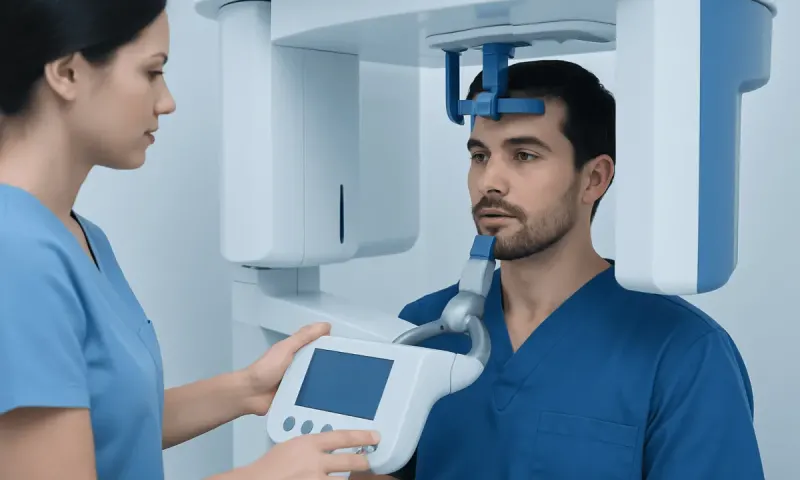
Teeth Veneers Before and After: Expected Changes
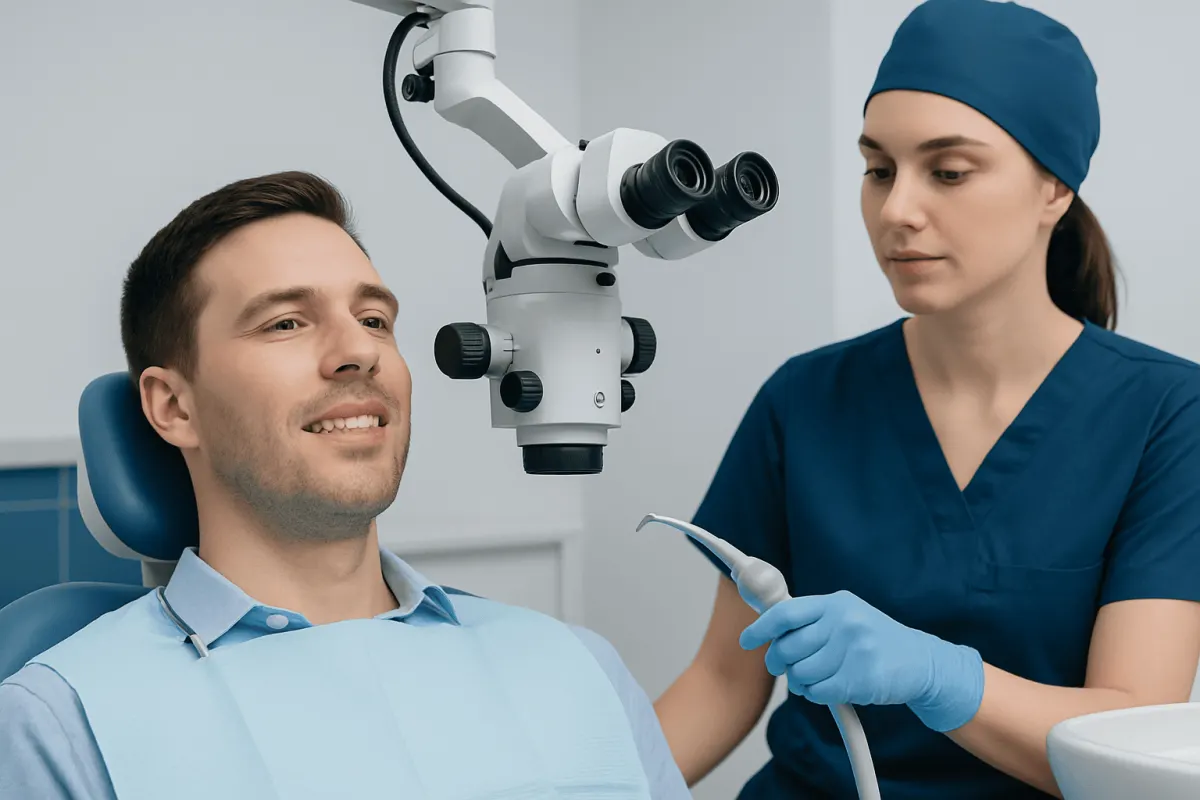
Teeth veneers before and after results commonly show a brighter, more even-looking smile with changes to tooth color, shape, size or minor spacing. The outcome depends on natural tooth health, facial and bite assessment, veneer material, and realistic planning with a qualified dentist.
Teeth Veneers Before and After: What Changes to Expect
Teeth veneers before and after results can make teeth look lighter, more balanced and more uniform in shape. Veneers may be used to mask stubborn discoloration, small chips, worn edges, mild gaps, uneven tooth sizes or slight irregularities in the visible front teeth. The goal is usually a natural-looking smile that fits the person’s face, lips, gum line and existing teeth.
A veneer is a very thin, custom-made shell, usually made from porcelain or composite resin, that is bonded to the front of a tooth. It covers only the visible surface rather than replacing the whole tooth. This is different from a crown, which covers most or all of a tooth and is more often used when there is substantial structural damage.
Teeth veneers before and after photos can help explain possible changes in color and proportions, but they cannot predict an individual result. Lighting, camera angle, editing, tooth preparation, underlying enamel color and gum health all influence the appearance seen in teeth veneers before and after pictures. A clinical examination and a trial smile design are more useful than photographs alone for deciding what may be appropriate.
How Veneers Work and Who May Be a Candidate
Veneers work by creating a new outer surface for the selected teeth. Porcelain reflects light in a way that can resemble natural enamel and is generally more stain-resistant than composite resin. Composite veneers may sometimes be completed more quickly and can require less tooth reduction, but they may stain or wear sooner than porcelain.
Good candidates generally have healthy gums, enough sound tooth structure and a stable bite. Veneers can be considered when cosmetic concerns involve the front surfaces of teeth and cannot be addressed adequately with simpler options, such as whitening, bonding, orthodontic treatment or replacement of old restorations.
They may be less suitable for teeth with untreated decay, active gum disease, large fillings, major fractures, severe crowding, or significant enamel loss. People who clench or grind their teeth may still be treated in some cases, but they need a careful bite assessment and may need a protective night guard. A dentist can also discuss alternatives through dental veneer treatment when veneers are not the most conservative choice.
- Potential concerns treated: staining, small chips, uneven edges, minor gaps and irregular tooth shape.
- Important foundations: healthy gums, controlled decay, stable bite and good daily oral hygiene.
- Key planning aim: preserve as much natural enamel as safely possible.
Veneer Procedure: Step by Step
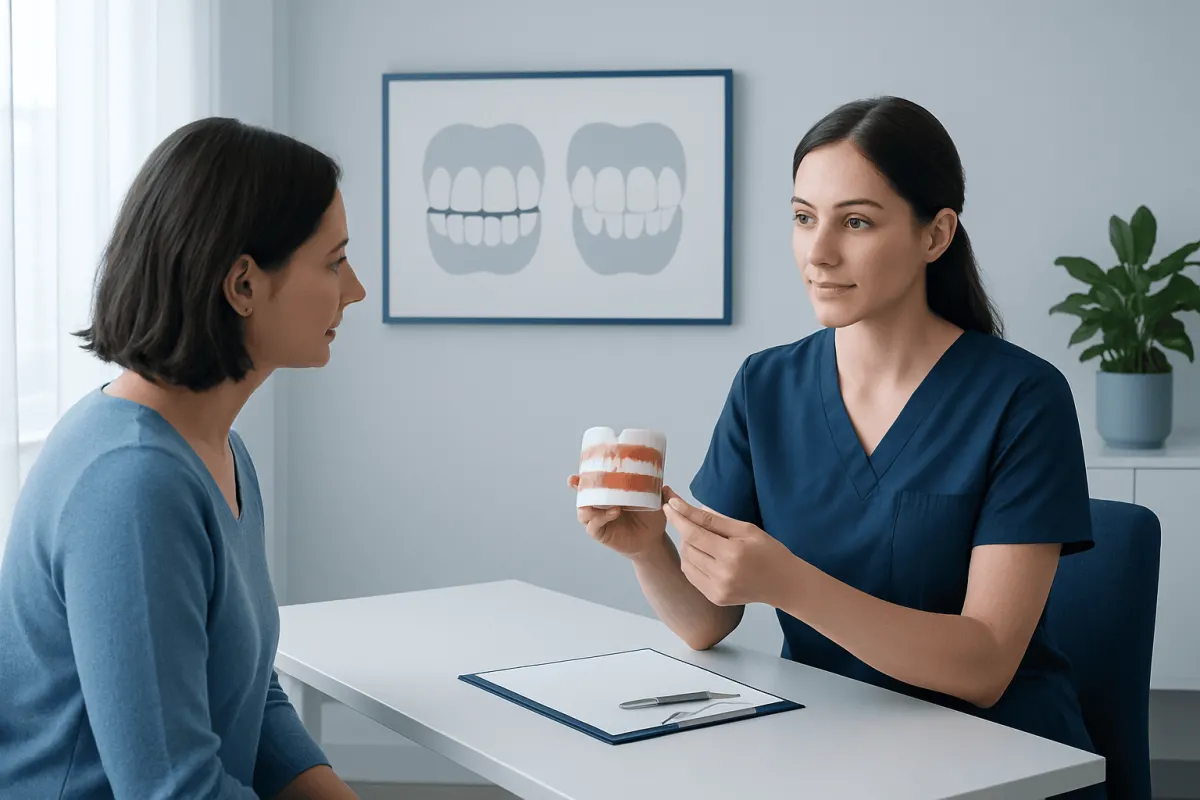
The process starts with a consultation, dental and gum examination, and discussion of goals. The dentist may take photographs, digital scans or impressions, and X-rays when clinically needed. Tooth color is considered carefully, especially if only some teeth will receive veneers, because the surrounding natural teeth should blend with the planned shade.
For conventional porcelain veneers, the dentist usually removes a small amount of enamel from the front surface and sometimes the edge of the tooth. This creates space for the veneer so it does not look bulky. Local anesthetic may be used when preparation could cause discomfort. In selected situations, minimal-preparation or no-preparation options may be possible, but these are not appropriate for every tooth or cosmetic goal.
After preparation, the dentist records the tooth shape for the dental laboratory or digital manufacturing process. Temporary veneers may be placed while the final restorations are made. At the fitting visit, the dentist checks color, shape, contact points and bite before bonding the veneers with a dental adhesive. Final adjustments help ensure that the smile looks balanced and that the teeth meet comfortably.
A diagnostic mock-up or temporary trial can be especially valuable for patients considering multiple front teeth. It allows the person and dentist to review proportions and speech before final bonding, supporting more predictable veneers before and after results.
Recovery Timeline and Looking After Veneers
Most people return to usual daily activities on the same day as tooth preparation or veneer bonding. Mild tooth sensitivity to cold, heat or pressure can occur for several days, particularly after enamel preparation. The gums may also feel tender briefly if they were adjusted during treatment.
It can take a few days to become accustomed to the new tooth contours. Speech usually settles quickly, but a dentist should review any continuing bite discomfort, a feeling that a veneer is too high, sharp edges, or persistent sensitivity. Temporary veneers need extra care because they are less strongly bonded than final restorations.
Long-term care is similar to care for natural teeth: brush twice daily with fluoride toothpaste, clean between teeth every day, and attend routine dental checks and professional cleanings. Although porcelain itself does not decay, the natural tooth and gum line around a veneer can still develop decay or gum disease. Avoid biting hard objects, opening packaging with teeth, or using teeth as tools. A custom night guard may help protect veneers for people who grind their teeth.
Benefits, Risks and the Downside of Getting Veneers
The main benefit of veneers is that they can address several visible concerns at once while preserving more tooth structure than a full crown in many cases. They can offer consistent color, refined contours and improved symmetry. A carefully planned result should still allow the smile to look individual rather than unnaturally uniform.
What is the downside of getting veneers? The most important consideration is that conventional veneers usually require enamel removal. Enamel does not grow back, meaning the prepared tooth will normally need ongoing coverage with a veneer or another restoration. Veneers can also chip, crack, loosen or come off, particularly with trauma, biting hard foods, nail biting or untreated grinding.
Other possible issues include temporary or persistent sensitivity, irritation at the gum margin, mismatch with neighboring teeth over time, and the need for repair or replacement. Gum recession can expose the edge of a veneer, while decay can develop at the margin if cleaning is inadequate. Choosing a dentist who assesses gum health, bite and tooth structure—not appearance alone—helps reduce avoidable complications.
Before proceeding, patients should ask about the amount of enamel reduction, the material proposed, how many teeth are being treated, expected maintenance, alternatives, and what may be needed if a veneer later fails. These conversations support an informed decision rather than relying only on dramatic teeth before veneers before and after examples.
Can I Go Back to Normal Teeth After Veneers?
Can I go back to normal teeth after veneers? In most cases, no. Conventional veneers require the dentist to remove a thin layer of enamel so that the final restoration sits naturally on the tooth. Once enamel has been removed, the tooth cannot be restored to its original, untreated state.
If a veneer is removed or fails, the tooth commonly needs a replacement veneer, bonding restoration or, in some circumstances, a crown. The right option depends on how much tooth structure remains, the condition of the tooth, bite forces and cosmetic needs. This is why veneer treatment should be viewed as a long-term commitment rather than a temporary cosmetic change.
Some minimal-preparation or no-preparation veneer approaches may preserve more enamel, but they still require detailed assessment. They can look bulky or affect the bite if there is insufficient space, and they do not make every concern suitable for treatment. A dentist can explain whether a more conservative approach, such as whitening or composite bonding, may meet the person’s goals.
What Is the 4-8-10 Rule for Veneers? How Long Do They Last?
What is the 4-8-10 rule for veneers? This is not a recognized clinical rule or universal dental guideline. It is sometimes used informally in cosmetic dentistry discussions, but its meaning varies between sources and may refer to the number of teeth treated or an estimated sequence of care. A veneer plan should not be based on a fixed number alone; the number of veneers depends on how many teeth show when a person smiles, facial symmetry, tooth color and the desired level of change.
How long do most veneers last? Veneers can last many years, but their lifespan varies. Porcelain veneers often last longer than composite resin veneers, while both can need repair or replacement over time. Material quality, bonding, bite forces, grinding, oral hygiene, diet, gum health and accidental injury all affect longevity.
Replacement is not always due to a broken veneer. Changes in the gum line, staining or wear of neighboring natural teeth, decay at an edge, and evolving cosmetic preferences may also lead someone to seek dental review. Regular follow-up allows small problems to be identified early and helps preserve the underlying teeth.
When to Seek Medical Care
Contact a dentist promptly if there is severe or worsening tooth pain, swelling of the gums or face, fever, a loose veneer, a broken veneer with a sharp edge, or difficulty biting comfortably. These symptoms may indicate a dental problem that needs assessment rather than home treatment. If facial swelling is accompanied by trouble breathing or swallowing, urgent medical evaluation is needed.
A dental visit is also advisable before pursuing veneers when there is bleeding gums, persistent bad breath, tooth sensitivity, untreated cavities, loose teeth or jaw pain. Addressing these concerns first supports a healthier and more stable foundation for cosmetic treatment.
Acıbadem Health Point’s multidisciplinary dental specialists and JCI-accredited hospitals assess and treat dental concerns for international patients, including individualized planning for veneers. A qualified dentist can discuss whether veneers, restorative care, orthodontics or another option best supports oral health and cosmetic goals.
Frequently asked questions
01Are teeth veneers before and after results permanent?
The visible improvement can be long-lasting, but veneers are not permanent restorations. They may eventually need repair or replacement because of wear, damage, changes at the gum line, or problems affecting the underlying tooth.
02Do veneers look natural?
They can look natural when their shade, translucency, shape and surface texture are planned to complement nearby teeth and facial features. Very bright or overly uniform designs may look less natural, so discussing desired appearance during planning is important.
03Do teeth hurt after veneers?
Some people have mild sensitivity after tooth preparation or bonding, especially with cold foods and drinks. This commonly improves within days, but pain that is severe, persistent or worsening should be assessed by a dentist.
04Can veneers fix crooked teeth?
Veneers can camouflage mild alignment differences or uneven tooth shape, but they do not move teeth. Moderate to severe crowding, bite problems or major rotations may be better managed with orthodontic treatment before considering cosmetic restorations.
05Do veneers stain like natural teeth?
Porcelain is relatively resistant to staining, while composite resin can stain more readily. However, the edges of veneers, bonding material and neighboring natural teeth can change color over time, so good hygiene and regular dental care remain important.
06How many teeth need veneers for a balanced smile?
There is no standard number. A dentist considers how many teeth are visible while smiling, the natural symmetry of the smile, color differences and whether surrounding teeth can be matched successfully. Some people need only one or two veneers, while others choose several front teeth.
This article is for general information only and is not a substitute for professional medical advice. Please consult a qualified doctor about your individual situation.
Explore treatments in Turkey — costs, top hospitals & a free quote
JCI-accredited · board-certified surgeons · reply within 24h
Add us as a Preferred Source to see more of our trusted health content across Google Search, AI Overviews and Discover.