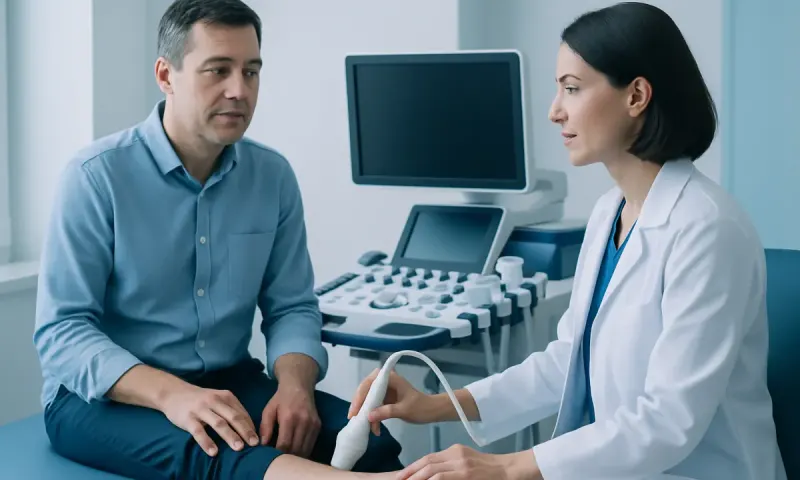
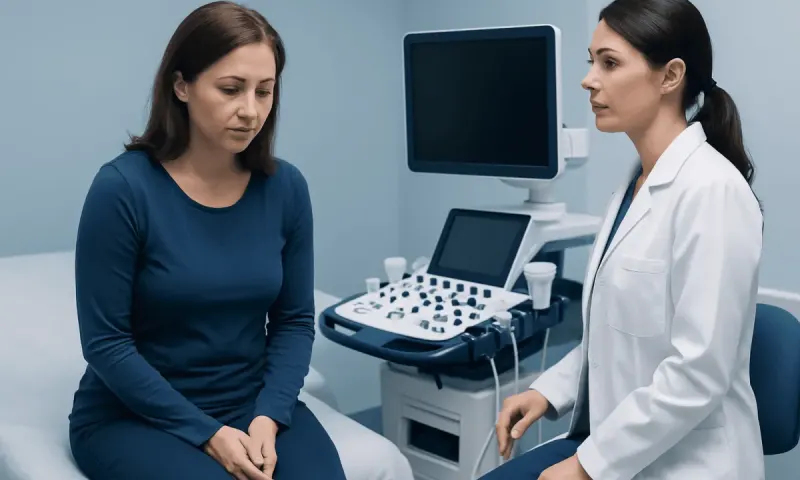
Vasectomy Reversal Recovery: Healing and Follow-Up
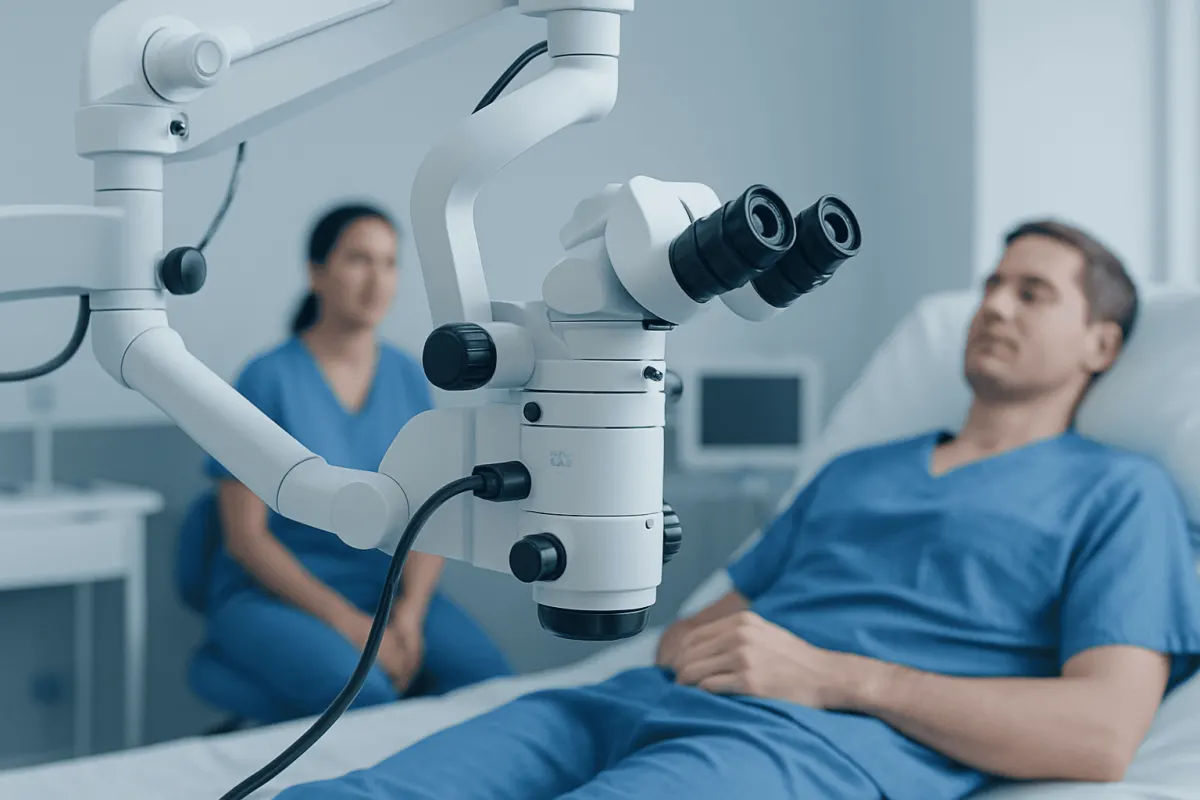
Vasectomy reversal recovery generally involves several days of rest, about 2 weeks of reduced activity, and a gradual return to exercise and sexual activity as advised by the urologist. Although the incision may heal within weeks, it can take months for sperm to return to semen after surgery.
Overview: What to Expect During Vasectomy Reversal Recovery
Vasectomy reversal recovery usually follows a gradual pattern: the first few days focus on rest and swelling control, the first 2 weeks allow the incision and deeper tissues to heal, and the following weeks involve a careful return to work, exercise, and sexual activity. Most people feel substantially more comfortable within 1 to 2 weeks, but internal healing and fertility assessment take longer.
A vasectomy reversal is microsurgery to reconnect the pathway that carries sperm from the testicles into semen. It may be performed as a vasovasostomy, which reconnects the vas deferens, or a more complex vasoepididymostomy, which connects the vas deferens to the epididymis when a blockage is suspected closer to the testicle. The type of repair can influence operating time, recovery instructions, and the time needed to evaluate sperm return.
The main goal of surgery is to restore a route for sperm. However, healing well does not automatically mean sperm will be present in semen or that pregnancy will occur. Follow-up with a urologist and scheduled semen testing are important parts of recovery. For a broader explanation of the operation and planning process, see vasectomy reversal treatment.
Who May Be a Candidate and How the Procedure Works
People may consider vasectomy reversal after a change in family plans, a new relationship, or a desire for biological children. A urologist with microsurgical experience reviews the time since vasectomy, previous scrotal surgery or infection, medical history, the partner’s reproductive health and age, and the couple’s overall fertility goals. These factors help guide whether reversal or another fertility approach may be appropriate.
The interval since the vasectomy can affect the likelihood that a more complex reconstruction will be needed, but it does not alone determine candidacy. During consultation, the surgical team may discuss fertility testing for both partners and whether sperm retrieval or assisted reproduction could be considered if reversal is not suitable or does not restore sperm to the semen.
Vasectomy reversal is commonly performed with anesthesia. Through a small incision in the scrotum, the surgeon identifies the divided ends of the vas deferens and examines fluid from the testicular side. Using an operating microscope and very fine sutures, the surgeon reconnects the structures when possible. The incision is then closed, and the patient is monitored before going home, often on the same day.
Recovery Timeline: The First Days Through the First Months

Days 0 to 2: Mild to moderate discomfort, bruising, and swelling are common. Rest with the scrotum supported, use cold packs only as instructed, and take pain medicines recommended by the surgical team. Walking briefly around the home can support circulation, but prolonged standing, lifting, and bending should be minimized.
Days 3 to 7: Discomfort often starts to improve, although bruising may become more noticeable before it fades. Many people can manage light personal activities and short walks. A person with a desk-based job may be able to return to work after several days if pain is controlled and travel is comfortable; this should be individualized with the surgeon.
Weeks 2 to 4: The incision and swelling generally continue to improve. Light daily activity can usually increase gradually, but strenuous exercise, running, weight training, cycling, contact sports, and heavy lifting should wait until the surgeon gives clearance. People whose work involves physical labor may need more time away than those with sedentary roles.
After 4 weeks and beyond: Many people can progressively resume their usual physical routine if there is no pain, swelling, wound concern, or other complication. The exact timing for intercourse and ejaculation varies by surgical technique and individual healing, but it is often delayed for several weeks to protect the repair. Semen testing is commonly arranged over subsequent months because sperm return may be gradual.
Returning to Work, Exercise, Sex, and Daily Activities
Returning to normal routines should be based on comfort, the demands of the activity, and the surgeon’s instructions. Light walking is usually encouraged early, but activities that increase pressure, jarring, or strain in the scrotal area should be avoided during the initial healing period. Supportive, close-fitting underwear can reduce movement and improve comfort.
Office or remote work may be feasible within a few days to about a week for some people. Work involving frequent lifting, climbing, driving over rough surfaces, prolonged standing, or manual labor often requires at least 2 weeks and sometimes longer. A doctor can provide more specific advice and any needed work documentation.
Exercise should restart in stages. Walking can increase first, followed by low-impact activity once approved; running, gym training, cycling, and team sports should be resumed only when the surgical team says the repair has had sufficient time to heal. Cycling deserves particular caution because direct saddle pressure may cause discomfort or irritation around the recovering scrotum.
Sexual activity and ejaculation can place tension on the repaired tubes. Patients should follow their urologist’s specific timeline rather than relying on a fixed date. Until semen analysis confirms sperm are present, the operation’s fertility outcome remains uncertain; contraception may still be needed if pregnancy is not currently desired.
Aftercare, Follow-Up, and Semen Testing
Aftercare usually includes keeping the incision clean and dry according to the discharge instructions, wearing scrotal support, taking only recommended medicines, and attending scheduled follow-up appointments. Showering and wound care instructions vary, so patients should ask their team when it is safe to bathe, swim, or use hot tubs. Soaking the wound too early may increase the risk of infection.
Do not add aspirin, anti-inflammatory medicines, supplements, or herbal products without checking with the surgical team, especially if they could affect bleeding risk or healing. Smoking and nicotine exposure can impair wound healing, so avoiding them is advisable. A balanced diet, hydration, adequate sleep, and preventing constipation can also make the first days more comfortable.
Semen analysis is the only practical way to assess whether sperm are returning to the ejaculate after reversal. Testing may begin several months after surgery and may be repeated because sperm counts and movement can change over time. The urologist interprets the results in the context of the procedure performed, the time since vasectomy, and both partners’ fertility factors.
Benefits, Limits, and Possible Risks
A potential benefit of vasectomy reversal is the possibility of restoring sperm to the semen, allowing a couple to try for pregnancy without necessarily requiring sperm retrieval for every attempt. It may also offer the possibility of more than one pregnancy if sperm production and the reconstructed pathway remain functional. Outcomes vary considerably between individuals.
Factors that may influence the chance of sperm returning include the time since vasectomy, the type of reconstruction required, the presence of scarring or blockage, surgical expertise, and partner-related fertility factors. Even if sperm return, pregnancy depends on many factors and cannot be guaranteed. Some people may need further fertility evaluation if semen tests do not show the expected improvement.
As with any operation, risks can include bleeding, infection, wound problems, pain, fluid collection, and reactions to anesthesia. Specific to reversal surgery, scar tissue or recurrent blockage can prevent sperm from reaching semen. Rarely, persistent scrotal discomfort can occur. Discussing personal risks and expected follow-up with the operating urologist supports informed decision-making.
When to Seek Medical Care
Contact the surgical team promptly for worsening rather than improving pain, rapidly increasing swelling, significant redness or warmth around the incision, pus-like drainage, fever, difficulty urinating, or bleeding that does not stop with the advice provided. A new large or tense scrotal swelling should also be assessed, as it may indicate bleeding or fluid accumulation.
Seek urgent medical attention for severe pain, fainting, chest pain, shortness of breath, or symptoms of a serious allergic reaction, such as swelling of the lips or tongue or trouble breathing. These symptoms are uncommon, but they need immediate assessment.
For ongoing concerns about healing, return to work, sport, intercourse, or semen test results, a planned review with the urologist is the safest approach. Acıbadem Health Point’s multidisciplinary specialists and JCI-accredited hospitals diagnose and treat male fertility concerns for international patients, including those seeking guidance around recovery after vasectomy reversal.
Frequently asked questions
01How long does vasectomy reversal recovery take?
Many people can return to light daily activities within several days and feel more comfortable by 1 to 2 weeks. Full return to strenuous work, gym exercise, cycling, and sport may take several weeks and should follow the surgeon’s individual guidance. Internal healing and fertility assessment continue for months.
02When can someone return to work after vasectomy reversal?
A sedentary job may be possible after several days to about a week if pain is controlled and travel is comfortable. People with physically demanding work commonly need at least 2 weeks, sometimes longer. The operating surgeon should advise based on the procedure and the person’s recovery.
03When can someone exercise after vasectomy reversal?
Gentle walking is often appropriate soon after surgery, but heavy lifting, running, cycling, and vigorous exercise should be avoided during early healing. The exact time to restart varies, especially after a more complex reconstruction. Exercise should be increased only after medical clearance and without pain or swelling.
04When is sex safe after vasectomy reversal?
Sex and ejaculation are usually postponed for several weeks to avoid stressing the surgical repair. The correct timing depends on the operation and the surgeon’s instructions, so patients should not resume based only on feeling better. A follow-up appointment can confirm when it is appropriate.
05How long does it take for sperm to return after vasectomy reversal?
Sperm may return to semen over the months following surgery, but timing differs among individuals and can be longer after a complex repair. Semen analyses are used to monitor this process. Feeling well after surgery does not indicate whether sperm have returned.
06What swelling is normal after vasectomy reversal?
Mild swelling, bruising, and tenderness around the scrotum are common in the early days and should gradually improve. Supportive underwear and cold packs used as directed may help. Rapidly increasing swelling, severe pain, fever, redness, or drainage should be reported to the surgical team.
This article is for general information only and is not a substitute for professional medical advice. Please consult a qualified doctor about your individual situation.
IVF & fertility treatment in Turkey — success rates and costs
JCI-accredited · board-certified surgeons · reply within 24h
Add us as a Preferred Source to see more of our trusted health content across Google Search, AI Overviews and Discover.