Eggs and Gout: A Low-Purine Protein Choice

Eggs are generally suitable for people with gout because they are very low in purines, the compounds that the body breaks down into uric acid. They can provide a useful protein alternative to high-purine meats and some seafood, although overall eating patterns, alcohol intake, weight, kidney health, and prescribed treatment remain important in gout management.
Eggs and Gout: The Evidence-Based Answer
Eggs are generally considered a gout-friendly food. They contain very little purine, a naturally occurring substance that is converted into uric acid during normal metabolism. Because elevated uric acid can form crystals in and around joints, choosing low-purine protein sources can be helpful for people who have gout or high uric acid levels.
Eggs do not appear to be a typical trigger for gout attacks. They are often recommended as an alternative to organ meats, red meat, processed meat, and certain seafood, which contain more purines. Preparation still matters for overall health: boiled, poached, or lightly cooked eggs are usually preferable to eggs served with large amounts of bacon, sausage, butter, cream, or alcohol-containing meals.
Gout is not caused by one food alone. It is a metabolic condition influenced by genetics, kidney function, body weight, alcohol, sugary drinks, certain medications, and dietary habits over time. For this reason, a person does not usually need to avoid eggs simply because they have gout.
Why Purines Matter More Than Protein
Purines are found in many foods and are also made naturally by the body. Uric acid is the end product of purine breakdown. Normally, the kidneys remove most uric acid through urine. When the body produces too much uric acid or the kidneys remove too little, blood uric acid can rise, a state called hyperuricemia.
If uric acid remains high, sharp monosodium urate crystals may develop in joints and surrounding tissues. These crystals can lead to the sudden pain, swelling, warmth, and tenderness characteristic of a gout flare. Gout commonly affects the joint at the base of the big toe, but it may also affect the ankles, knees, wrists, fingers, or elbows.
Not all protein foods have the same effect on dietary purine intake. Eggs, low-fat dairy products, nuts, seeds, and many plant proteins are generally lower-purine choices than organ meats, game meats, anchovies, sardines, shellfish, and some other seafood. Protein remains essential for muscle health, recovery, and fullness, so the goal is usually to choose suitable sources rather than to restrict protein unnecessarily.
How Eggs Fit Into a Gout-Friendly Eating Pattern
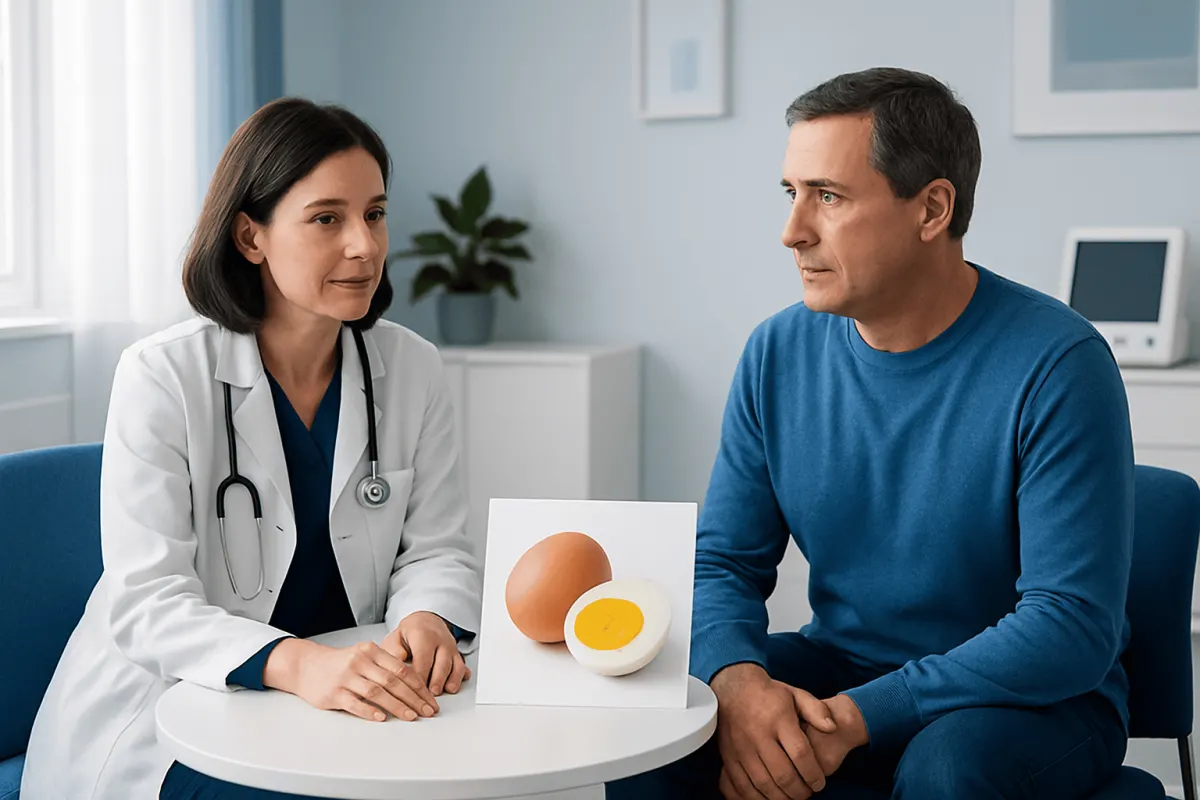
For most adults with gout, eggs can be used as a flexible meal component. An egg-based breakfast with vegetables and whole-grain bread, or eggs added to a salad, grain dish, or vegetable meal, can provide protein without a high purine load. They may be particularly useful for people reducing portions of red meat or replacing processed breakfast meats.
A gout-supportive eating pattern emphasizes regular meals, adequate hydration, vegetables, fruits, whole grains, low-fat dairy foods, and protein choices that are lower in purines. It also limits foods and drinks that can raise uric acid or increase flare risk in susceptible people, including organ meats, large portions of red meat, high-purine seafood, beer, spirits, and drinks sweetened with fructose.
People should consider the full meal rather than focusing only on eggs. For example, an omelet with vegetables can be a balanced option, while a meal high in processed meats, refined carbohydrates, and alcohol may be less supportive of gout management. Individual tolerances differ, so keeping a simple food-and-symptom record may help identify personal patterns during recurrent flares.
- Choose poached, boiled, scrambled, or omelet-style eggs with vegetables.
- Pair eggs with fiber-rich foods such as oats, whole-grain bread, beans, fruit, and vegetables.
- Limit processed meats often served alongside eggs, such as bacon and sausage.
- Drink water regularly, unless a clinician has advised fluid restriction for another condition.
Eggs, Cholesterol, and Other Health Considerations
Eggs contain dietary cholesterol, but dietary cholesterol does not affect blood cholesterol in the same way for every person. For many people, the overall dietary pattern, including saturated fat intake, has a greater effect on cardiovascular risk than eggs alone. However, people with high cholesterol, cardiovascular disease, diabetes, or kidney disease should follow the individualized dietary advice given by their clinician or dietitian.
Gout often occurs alongside other health concerns, including high blood pressure, obesity, insulin resistance, chronic kidney disease, and cardiovascular disease. This is one reason why gout nutrition advice should support health as a whole. Eggs may fit well into this approach when they replace processed meats or high-saturated-fat foods, rather than being added to an already calorie-dense diet.
Those with an egg allergy should avoid eggs and discuss alternative protein sources with a healthcare professional. People with advanced kidney disease may also need individualized guidance on protein, phosphorus, potassium, fluid, and other nutrients. In these situations, a renal dietitian can help create a plan that accounts for both gout and kidney health.
What Actually Helps Lower Gout Flare Risk
Dietary adjustments can reduce exposure to common triggers and support a healthy weight, but they are only one part of gout care. A clinician may recommend medicines to treat acute flares and, for people with recurrent attacks, tophi, kidney stones, or persistently high uric acid, medicines that lower uric acid over the long term. These treatments should not be stopped or changed without medical advice.
Weight management, when appropriate, can improve overall metabolic health and may help lower uric acid over time. Rapid fasting, extreme diets, and sudden weight loss are not advisable because they can temporarily raise uric acid and may trigger a flare. A gradual, sustainable approach is generally safer.
Alcohol can be an important trigger, especially beer and spirits. Sugar-sweetened soft drinks and fruit drinks with high amounts of fructose may also contribute to higher uric acid levels. By contrast, low-fat dairy products, coffee for people who tolerate it, vegetables, and vitamin C-containing fruits can be part of a balanced dietary pattern, though no single food should be viewed as a cure for gout.
During a flare, rest the affected joint, avoid pressure on it where possible, and seek advice about appropriate pain treatment. Some people are advised to use anti-inflammatory medicines, but the safest option depends on kidney function, stomach conditions, cardiovascular history, other medicines, and allergies.
When to Seek Medical Care
A person should seek medical assessment for a first episode of sudden severe joint pain, redness, swelling, or warmth. Although gout is a common cause of these symptoms, infection within a joint can look similar and needs urgent treatment. Medical assessment is especially important if there is fever, chills, feeling unwell, an inability to bear weight, or rapidly worsening symptoms.
People who already have gout should contact a clinician if flares become more frequent, symptoms do not improve as expected, new joints are affected, or they develop lumps under the skin that may be tophi. Advice is also important for anyone with kidney disease, kidney stones, pregnancy, diabetes, heart disease, or use of medicines such as diuretics.
Diagnosis may involve a discussion of symptoms and medical history, physical examination, blood tests for uric acid and kidney function, and sometimes imaging or analysis of fluid taken from a joint. A uric acid blood test can support assessment, but it may be normal during an acute flare, so results are interpreted alongside the full clinical picture.
A Practical, Individualized Plan
For a person with gout, including eggs in meals is usually a straightforward way to obtain protein while keeping dietary purines relatively low. A practical approach is to build meals around vegetables, whole grains, fruit, low-fat dairy where suitable, and lower-purine proteins such as eggs, while reducing high-purine animal foods and avoiding known personal triggers.
It is helpful to review medications and lifestyle factors with a doctor rather than relying on food avoidance alone. Effective long-term gout control aims to prevent painful flares and crystal buildup by addressing uric acid levels, not simply by eliminating individual foods. A registered dietitian can provide additional support for people who need to balance gout advice with weight, blood sugar, cholesterol, or kidney concerns.
Acıbadem Health Point’s multidisciplinary specialists and JCI-accredited hospitals can assess gout and related health factors for international patients, helping coordinate medical evaluation, nutrition guidance, and ongoing care when needed.
Frequently asked questions
01Can people with gout eat eggs every day?
For most people with gout, eggs can be eaten regularly because they are low in purines. The most suitable amount depends on the person’s overall diet, calorie needs, cholesterol levels, kidney health, and any other medical conditions. A clinician or dietitian can provide individualized advice when needed.
02Do eggs increase uric acid?
Eggs are not generally expected to raise uric acid significantly because they contain very little purine. Uric acid levels are influenced more strongly by the body’s own uric acid production, kidney excretion, genetics, alcohol, sugary drinks, and higher-purine foods. Eggs are commonly used as a lower-purine protein alternative.
03Are egg yolks bad for gout?
Egg yolks are not considered a common gout trigger and are still low in purines. They do contain cholesterol and fat, so people with particular cardiovascular or cholesterol concerns should consider their overall dietary pattern. This is a separate issue from purine content and gout risk.
04What is a good breakfast for someone with gout?
A balanced breakfast may include eggs with vegetables, oatmeal with fruit, low-fat yogurt, or whole-grain toast with a lower-purine protein source. Limiting processed meats, sugary drinks, and heavy alcohol intake is generally more relevant to gout management than avoiding eggs. Drinking water regularly can also support hydration.
05Can diet alone cure gout?
Diet can help reduce flare risk and support healthy uric acid management, but it does not cure gout for everyone. Many people with recurrent gout or complications need medication to lower uric acid over the long term. Medical follow-up is important because untreated high uric acid can allow crystals to continue accumulating.
06Should eggs be avoided during a gout flare?
Eggs do not usually need to be avoided during a gout flare. During an acute attack, the priority is following the treatment plan provided by a healthcare professional, resting the affected joint, and staying adequately hydrated if medically appropriate. It may also be sensible to avoid alcohol and other personal food triggers during this period.
This article is for general information only and is not a substitute for professional medical advice. Please consult a qualified doctor about your individual situation.
Medical weight-loss options in Turkey — costs & eligibility
JCI-accredited · board-certified surgeons · reply within 24h
Add us as a Preferred Source to see more of our trusted health content across Google Search, AI Overviews and Discover.