Vaginal Cysts: Symptoms, Causes, and Treatment

Vaginal cysts are small sacs or lumps in or near the vaginal wall that are often harmless and may cause no symptoms. A clinician should assess any new vaginal lump to confirm its cause and recommend observation or treatment when needed.
Overview: What Are Vaginal Cysts?
Vaginal cysts are enclosed sacs that can contain fluid, mucus, air or other material. They may form on the vaginal wall or near the vaginal opening, and many are discovered incidentally during a pelvic examination. Most are benign, meaning they are not cancer, and small cysts often do not require treatment.
The term can describe several different conditions. Some cysts arise from blocked glands, while others develop from tissue left behind as the reproductive tract formed before birth or from healing after childbirth, surgery or injury. A lump near the vaginal opening may also be a Bartholin gland cyst, which develops in the vulva rather than deep within the vagina but can feel similar to a vaginal lump.
Although most vaginal cysts are not serious, it is important not to self-diagnose. Other conditions, including pelvic organ prolapse, skin conditions, infection, urethral problems and, rarely, a tumor, can produce a similar sensation or appearance. A gynecologist can usually clarify the cause with a careful history and examination.
How Vaginal Cysts May Feel
Many vaginal cysts cause no noticeable symptoms. A person may first become aware of one while washing, inserting a tampon, having sex or attending a routine gynecologic visit. Depending on its size and location, the lump may feel soft, smooth, firm or rounded beneath the vaginal tissue.
When symptoms occur, they commonly include a feeling of fullness, pressure or a small bulge in the vagina. Larger cysts may cause discomfort during intercourse, difficulty using tampons, irritation from clothing, or discomfort when sitting or walking. A cyst close to the urethra or bladder may occasionally be associated with urinary discomfort, recurrent urinary tract symptoms or dribbling after urination.
A cyst that becomes infected can become tender, swollen, red or warm. It may drain pus or other fluid, and some people may feel generally unwell or develop a fever. These changes need prompt medical attention because an abscess, a collection of infected material, may require treatment.
- A painless lump that stays the same size is often benign but should still be assessed if it is new.
- Rapid growth, bleeding, ulceration or a hard irregular lump should be evaluated without delay.
- New pelvic pressure may not be a cyst; it can sometimes be related to pelvic organ prolapse.
Types, Causes and Risk Factors
Inclusion cysts are among the more common vaginal cysts. They can develop when skin or vaginal tissue becomes trapped beneath the surface during healing. This may happen after vaginal childbirth, an episiotomy, a tear, pelvic surgery or another injury to the vaginal tissue. They are often small and do not cause symptoms.
Gartner duct cysts and Müllerian cysts are developmental cysts. They are linked to structures present during fetal development and may remain unnoticed until adulthood. Gartner duct cysts often occur along the side wall of the vagina, while Müllerian cysts can occur in different areas of the vaginal wall. Either type may be identified during a routine examination or imaging performed for another reason.
Bartholin gland cysts occur when the duct that drains a Bartholin gland becomes blocked. The glands are located on either side of the vaginal opening and produce lubrication. A blocked duct can cause a one-sided swelling near the lower vaginal opening. If bacteria infect the fluid, the cyst can become a painful abscess. Other lumps can arise near the urethra, including a urethral diverticulum, which is a pouch connected to the urethra and requires a different evaluation.
There is not always a clear way to prevent vaginal cysts. Prior tissue injury, prior surgery, childbirth and blockage of a gland duct can contribute, but many cysts occur without an identifiable trigger. A cyst is not necessarily caused by poor hygiene or by sexual activity.
How Doctors Diagnose a Vaginal Lump
Diagnosis begins with a conversation about when the lump was noticed, whether it has changed, and whether there is pain, discharge, bleeding, fever, sexual discomfort or urinary symptoms. A clinician may also ask about pregnancies and deliveries, pelvic procedures, prior infections and medical conditions that affect healing or immunity.
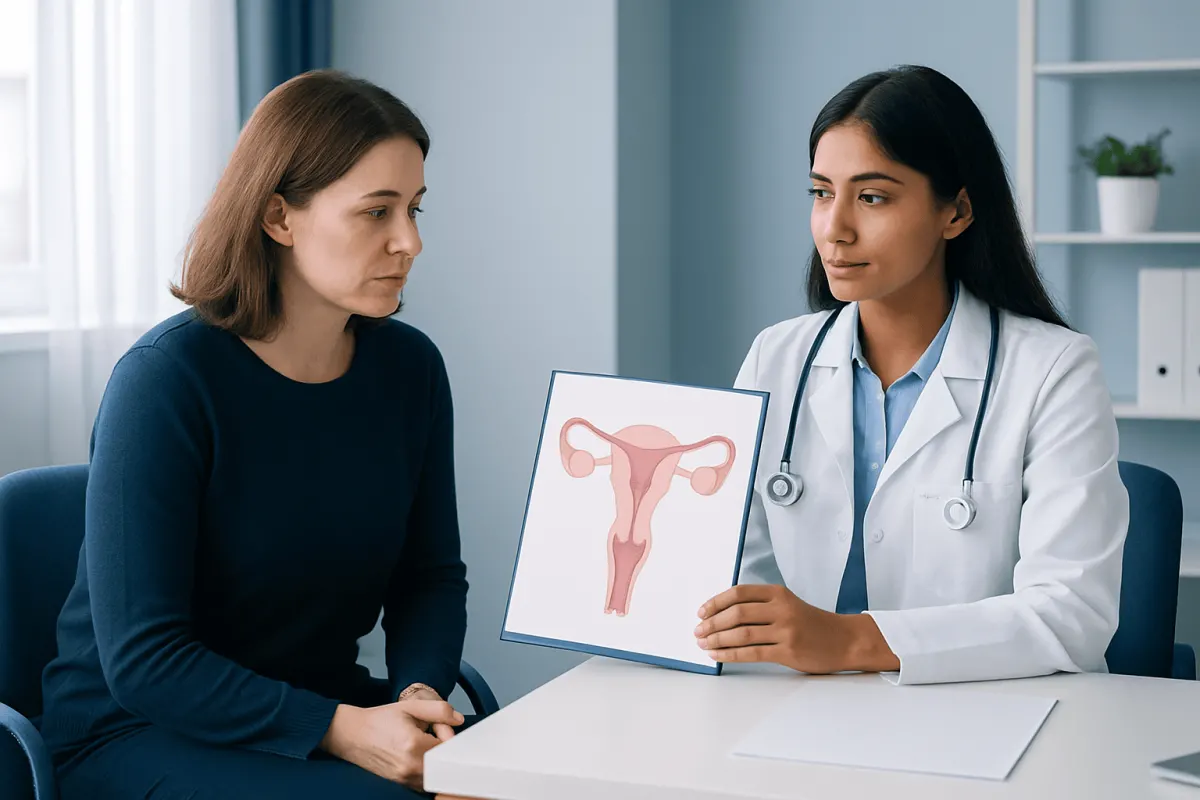
During a pelvic examination, the clinician assesses the lump’s location, size, tenderness, surface and relationship to the vaginal wall, vulva, urethra and surrounding tissues. In many cases, this examination is enough to identify a likely uncomplicated cyst. It also helps distinguish a cyst from conditions such as a prolapse or an inflamed gland.
If the diagnosis is unclear, if a cyst is large or deep, or if urinary symptoms suggest a urethral condition, imaging may be recommended. Ultrasound or magnetic resonance imaging can provide more information about the cyst’s structure and location. A sample of drainage may be tested if infection is suspected. In selected cases, especially when a lump has unusual features or occurs after menopause, a biopsy or removal of the lesion may be advised to rule out uncommon but more serious causes.
Management and Treatment Options
Treatment depends on the type of cyst, its size, symptoms and whether there are signs of infection. For a small vaginal cyst that is painless, stable and clearly benign on examination, watchful waiting is often appropriate. The clinician may recommend noting changes and returning for review if the lump enlarges or becomes uncomfortable.
If a cyst causes persistent discomfort, interferes with sex or tampon use, repeatedly becomes inflamed, or has an uncertain diagnosis, a gynecologist may recommend a procedure. Options can include drainage, creating a small opening that allows ongoing drainage, or surgical excision. The chosen approach depends on the cyst’s location and type, as well as the person’s overall health and preferences.
For an infected Bartholin cyst or abscess, prompt drainage is often important for relief and healing. Antibiotics may be used when there are signs of spreading infection, certain risk factors or specific test results, but they are not needed for every uncomplicated cyst. Pain relief and warm sitz baths may be suggested in appropriate cases, following a clinician’s advice.
Home treatment should not include puncturing, squeezing or cutting a cyst. These actions can introduce bacteria, worsen inflammation and delay an accurate diagnosis. After any drainage or surgery, the care team provides individualized instructions about hygiene, activity, sexual intercourse, pain control and follow-up.
Self-Care, Prevention and Daily Comfort
Because many vaginal cysts develop without a preventable cause, there is no guaranteed method to stop them from forming. However, gentle vulvar care may reduce irritation: washing the external genital area with water or a mild unscented product, avoiding douching, and avoiding fragranced sprays or harsh cleansers. The vagina cleans itself, and internal cleansing products can disturb its normal environment.
For mild external discomfort while waiting for a medical appointment, loose breathable underwear, avoiding friction and taking a warm sitz bath may be soothing. A sitz bath involves sitting in shallow warm water for a short period. It should not replace assessment of a painful, enlarging or draining lump.
Regular gynecologic care can help identify changes early, although the appropriate schedule varies by age, symptoms, screening history and local guidance. Anyone who has had a prior cyst should seek review if a new lump appears or if a known cyst begins to change. Keeping a brief note of its location, approximate size and associated symptoms can help during the appointment.
When to Seek Medical Care
A new vaginal or vulvar lump should be examined by a qualified healthcare professional, particularly if it does not settle quickly or its cause is unknown. This is usually not an emergency, but an appointment allows the clinician to confirm whether the lump is a cyst and discuss whether observation is appropriate.
More urgent assessment is appropriate for severe or worsening pain, fever, rapidly increasing swelling, redness spreading into nearby skin, pus-like drainage, difficulty passing urine, significant bleeding, or feeling unwell. These symptoms can indicate infection or another problem that may need timely treatment.
People who are pregnant, immunocompromised, have diabetes, have previously had gynecologic cancer, or notice a new Bartholin-area lump after age 40 should seek individualized medical advice. These situations do not mean that the lump is dangerous, but they can affect the recommended assessment. Acıbadem Health Point’s multidisciplinary specialists and JCI-accredited hospitals provide evaluation and treatment for gynecologic conditions for Myomectomy Recovery for International Patients: The Usual Travel Timeline" class="ahp-ilk">international patients.
Frequently asked questions
01Are vaginal cysts usually cancerous?
No. Most vaginal cysts are benign and do not become cancerous. However, any new, changing, bleeding or unusual vaginal lump should be examined so that the diagnosis can be confirmed.
02Can a vaginal cyst go away on its own?
Some small cysts remain unchanged for years and never need treatment. Others may shrink or drain naturally, particularly if they are related to a blocked gland. It is still best to have a new lump assessed rather than waiting indefinitely.
03Is a Bartholin cyst the same as a vaginal cyst?
A Bartholin cyst forms when a duct from a Bartholin gland becomes blocked. Because these glands sit beside the vaginal opening, the swelling can feel like a vaginal cyst, but it is technically located in the vulva. Management may differ depending on whether it is painful or infected.
04Can vaginal cysts affect sex?
Small cysts often do not affect sexual activity. Larger, tender or infected cysts can cause pressure or pain during intercourse. A clinician can recommend treatment if symptoms persist or interfere with comfort.
05Should a vaginal cyst be popped or drained at home?
No. Popping, piercing or squeezing a vaginal lump can cause infection, bleeding and pain, and it may make diagnosis more difficult. A healthcare professional can determine whether drainage is needed and perform it safely.
06What kind of doctor treats vaginal cysts?
A gynecologist is typically the most appropriate specialist for assessment and treatment of vaginal cysts. Depending on the location and symptoms, a urogynecologist or urologist may also be involved, especially when urinary symptoms are present.
This article is for general information only and is not a substitute for professional medical advice. Please consult a qualified doctor about your individual situation.
Oncology care in Turkey — second opinion and treatment plan
JCI-accredited · board-certified surgeons · reply within 24h
Add us as a Preferred Source to see more of our trusted health content across Google Search, AI Overviews and Discover.