Vaginal Itching During Pregnancy: Causes and When to Call
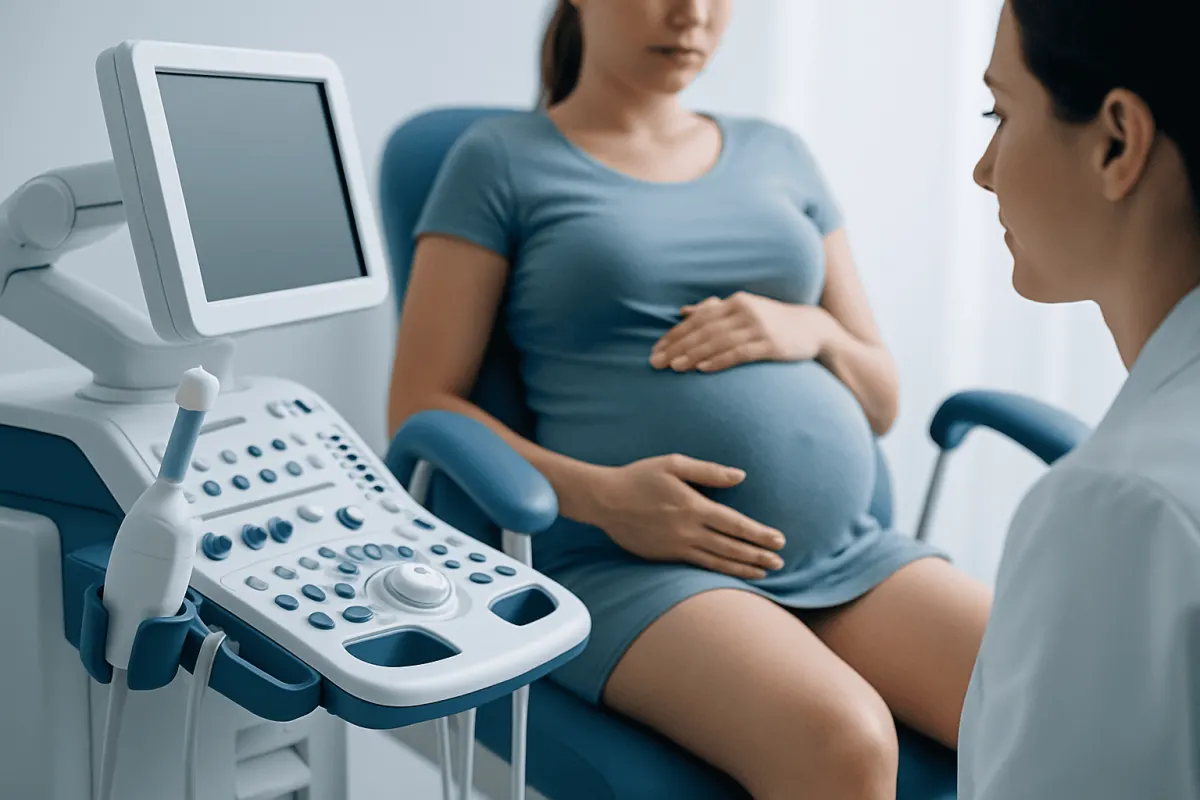
Vaginal itching during pregnancy can result from normal changes in discharge and skin sensitivity, but it may also signal an infection or skin condition that needs treatment. Because some infections can affect pregnancy, new or persistent symptoms should be discussed with a qualified maternity care professional.
Vaginal Itching During Pregnancy: The Main Message
Vaginal itching during pregnancy is common and is not always a sign of a serious problem. Hormonal changes can increase vaginal discharge and make the vulval skin—the skin around the vaginal opening—more sensitive to heat, moisture, friction, and personal-care products. However, itching can also be caused by a yeast infection, bacterial imbalance, sexually transmitted infection, or a skin condition, so it is worth reporting new, severe, or ongoing symptoms to a maternity care clinician.
It is not possible to identify the cause reliably from itching alone. The appearance and smell of discharge, soreness, urinary symptoms, and visible skin changes can offer clues, but examination and testing may be needed. Safe treatment in pregnancy depends on the underlying cause, which is why avoiding guesswork is important.
Many causes are straightforward to manage, and seeking advice early can improve comfort while helping protect both maternal and pregnancy health. This article explains what may be normal, what symptoms deserve assessment, and how to care for sensitive skin while waiting to be seen.
Normal Pregnancy Changes That Can Cause Irritation
During pregnancy, rising hormone levels increase blood flow to the pelvic area and commonly increase vaginal discharge. Healthy pregnancy discharge is often thin, milky white or clear, and mild-smelling. It may leave the vulval area damp, which can contribute to irritation, especially in warm weather or after exercise.
The outer genital skin may also react more easily to fragranced soaps, bubble baths, wet wipes, panty liners, laundry products, lubricants, or tight synthetic clothing. Shaving, waxing, sexual activity, sweating, and frequent wiping can create small areas of irritation. In these situations, itching is usually mild and improves when the trigger is removed.
Normal discharge should not have a strong unpleasant or fish-like odor and should not be accompanied by significant burning, pain, swelling, sores, or bleeding. If these symptoms occur, or if irritation persists despite gentle skin care, a clinician should check for other causes.
Possible Causes Beyond Simple Irritation

A vaginal yeast infection, also called candidiasis, is a frequent cause of itching in pregnancy. It often causes intense itchiness, redness, swelling, and a thick white discharge that may look clumpy. Some people also experience stinging during urination or discomfort during sex. Pregnancy can make yeast overgrowth more likely because hormonal changes affect the vaginal environment.
Bacterial vaginosis is a change in the usual balance of vaginal bacteria. It may cause thin grayish-white discharge and a noticeable fish-like smell, sometimes with mild irritation. Itching is not always present. Because bacterial vaginosis can be associated with pregnancy complications in some circumstances, pregnancy care teams may recommend testing and treatment when symptoms are present.
Sexually transmitted infections, including trichomoniasis, genital herpes, chlamydia, or gonorrhea, can also cause itching, unusual discharge, burning, sores, or pelvic discomfort. Not everyone has obvious symptoms. Testing is confidential and helps ensure that the most appropriate treatment is chosen for the individual and their partner where needed.
Less commonly, eczema, psoriasis, lichen sclerosus, allergic contact dermatitis, or other vulval skin conditions may be responsible. These conditions can cause dry, cracked, pale, thickened, or very sore skin and need professional assessment rather than repeated use of over-the-counter products.
How Symptoms Can Help Guide the Next Step
Symptoms can help a clinician decide which tests are useful, although they cannot replace an assessment. Itching with thick white discharge and redness may suggest yeast infection. Thin discharge with a strong odor can point toward bacterial vaginosis, while frothy yellow-green discharge, soreness, or pain during sex may need testing for trichomoniasis or other infections.
Burning when passing urine may come from irritated vulval skin, a vaginal infection, or a urinary tract infection. Urinary tract infections are relatively common in pregnancy and should be assessed, particularly when there is frequent urination, urgency, lower abdominal discomfort, fever, or back pain. Pregnancy-related urinary symptoms should not be assumed to be harmless.
Blisters, ulcers, a new rash, marked swelling, or persistent external itching are not typical effects of normal discharge. Similarly, vaginal bleeding, leaking fluid, contractions, fever, or feeling unwell should be discussed urgently with the maternity team. These symptoms may have causes unrelated to itching but require timely pregnancy care.
- Note when symptoms began and whether they follow a new product, antibiotic use, sexual contact, or swimming.
- Observe the color, texture, and odor of discharge without inserting anything into the vagina.
- Tell the clinician about medicines, allergies, diabetes, and previous vaginal infections.
Diagnosis During Pregnancy
A clinician will usually ask about symptoms, pregnancy stage, medical history, recent antibiotic use, hygiene products, and possible exposure to sexually transmitted infections. They may examine the vulval skin and, when appropriate, perform a gentle internal examination. A speculum examination is commonly used in pregnancy when medically indicated and is generally considered safe.
A sample of vaginal discharge can be tested to look for yeast, bacterial vaginosis, trichomoniasis, and certain sexually transmitted infections. Urine testing may be arranged if there are urinary symptoms. In some cases, tests are sent to a laboratory, while others provide results more quickly.
Accurate diagnosis matters because treatments differ. Antifungal treatment does not treat bacterial vaginosis, and antibiotics do not treat a yeast infection. A clinician can also rule out conditions that need a different approach, including skin disorders or pregnancy-related concerns.
Treatment Options and Safe Comfort Measures
Treatment is based on the cause, pregnancy stage, symptom severity, and medical history. If a yeast infection is confirmed or strongly suspected, clinicians often recommend a pregnancy-appropriate local antifungal treatment. Oral antifungal tablets should not be taken during pregnancy unless specifically prescribed by the treating clinician.
Bacterial vaginosis, trichomoniasis, urinary tract infections, and other bacterial infections may require prescription medicine selected for pregnancy safety. If a sexually transmitted infection is diagnosed, partner testing or treatment may also be advised to reduce reinfection. Completing prescribed treatment and attending follow-up, if recommended, are important.
Until medical advice is available, comfort measures can include washing the outside genital area with lukewarm water or a mild unperfumed cleanser, gently patting dry, and wearing loose cotton underwear. Changing out of damp clothing promptly and avoiding scented pads, douches, vaginal deodorants, and perfumed wipes can reduce irritation. Douching is not recommended because it can disrupt the normal vaginal environment.
Do not insert home remedies, essential oils, yogurt, boric acid, or non-prescribed vaginal products into the vagina during pregnancy. These approaches may irritate delicate tissue, delay correct diagnosis, or be unsafe in pregnancy. A pharmacist or maternity clinician can help identify options that are appropriate for the individual.
When to Seek Medical Care
Contact a midwife, obstetrician, gynecologist, or primary care clinician soon if itching is new, bothersome, recurrent, or lasts more than a few days. Assessment is particularly important when there is a change in discharge, unpleasant odor, redness, swelling, pain during sex, or burning with urination. Early care can identify infections and provide pregnancy-safe relief.
Seek urgent medical advice the same day for fever, pelvic or lower abdominal pain, vaginal bleeding, fluid leaking from the vagina, painful blisters or ulcers, severe swelling, or feeling generally unwell. These symptoms do not necessarily mean there is a serious problem, but they should be evaluated promptly during pregnancy.
Acıbadem Health Point’s multidisciplinary specialists and JCI-accredited hospitals can assess vaginal symptoms and provide individualized care for Myomectomy Recovery for International Patients: The Usual Travel Timeline" class="ahp-ilk">international patients. Anyone who is worried about symptoms should contact their own maternity care team or a qualified healthcare professional rather than waiting for symptoms to worsen.
Reducing the Chance of Future Irritation
Not every vaginal infection can be prevented, and developing symptoms does not mean that someone has done anything wrong. Still, a few gentle habits may reduce moisture and product-related irritation. Choose breathable underwear, avoid very tight clothing for long periods, and change underwear or exercise clothing when damp.
Use unscented products around the vulva and avoid washing inside the vagina, which cleans itself naturally. When using toilet paper, wiping from front to back may help reduce the movement of bacteria from the bowel area toward the vagina and urinary tract. If pads or liners are needed, unscented types may be less irritating.
A balanced diet, appropriate management of diabetes when present, and taking antibiotics only when prescribed can support overall health. If itching or infections recur, a clinician can review possible contributors and advise on the safest prevention plan during the remainder of pregnancy.
Frequently asked questions
01Is vaginal itching normal during pregnancy?
Mild, short-lived itching can occur because pregnancy increases discharge and can make vulval skin more sensitive. However, persistent or intense itching should be discussed with a clinician, especially if discharge, odor, pain, or a rash is also present. Testing may be needed to identify the cause.
02Does vaginal itching during pregnancy always mean a yeast infection?
No. Yeast infection is one possible cause, but irritation from products, bacterial vaginosis, sexually transmitted infections, urinary infections, and skin conditions can cause similar symptoms. A healthcare professional can distinguish these causes and recommend the correct treatment.
03Can a yeast infection harm the baby during pregnancy?
A yeast infection is common in pregnancy and is usually manageable with appropriate treatment. It is still best to contact a maternity clinician, because symptoms can overlap with other conditions that need different care. The clinician can recommend a treatment suitable for pregnancy.
04Can pregnant people use over-the-counter treatments for vaginal itching?
It is safest to ask a doctor, midwife, or pharmacist before using any treatment during pregnancy. Some local antifungal options may be appropriate, but the correct choice depends on the likely cause and stage of pregnancy. Oral antifungal medication should not be used unless specifically prescribed.
05What discharge is concerning in pregnancy?
A strong or fish-like odor, green, yellow, gray, or frothy discharge, or thick discharge with significant itching should be assessed. Blood-stained discharge, leaking fluid, or discharge accompanied by fever, pelvic pain, or contractions needs urgent medical advice. Normal pregnancy discharge is usually clear or milky white and mild-smelling.
06How can vaginal itching be relieved safely while waiting for an appointment?
Avoid scented soaps, douches, vaginal deodorants, wipes, and home remedies. Keep the outer genital area dry, wear loose cotton underwear, and wash gently with lukewarm water or an unperfumed cleanser. Do not insert products into the vagina without professional guidance during pregnancy.
This article is for general information only and is not a substitute for professional medical advice. Please consult a qualified doctor about your individual situation.
Explore treatments in Turkey — costs, top hospitals & a free quote
JCI-accredited · board-certified surgeons · reply within 24h
Add us as a Preferred Source to see more of our trusted health content across Google Search, AI Overviews and Discover.