Taking Birth Control During Pregnancy: What Happens?
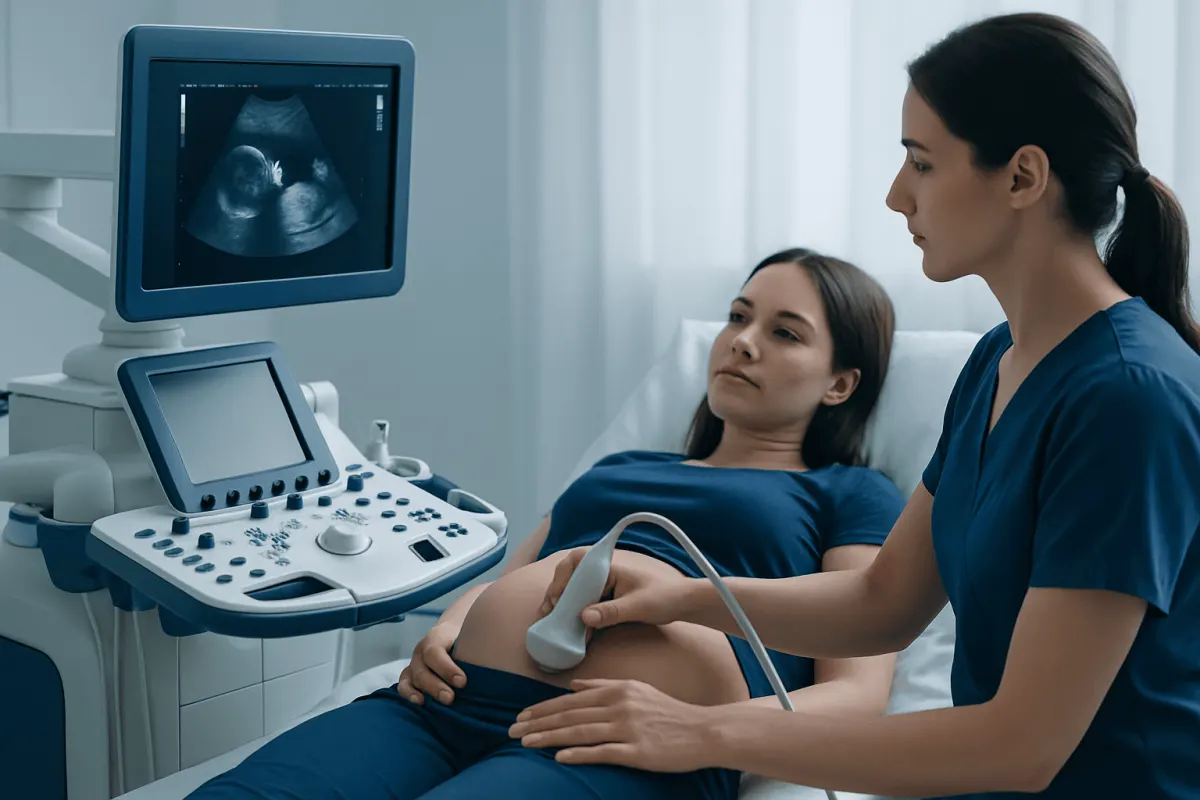
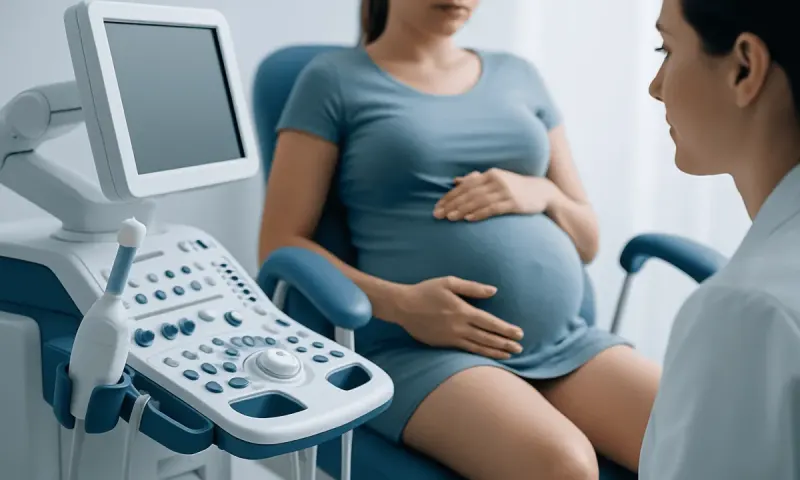
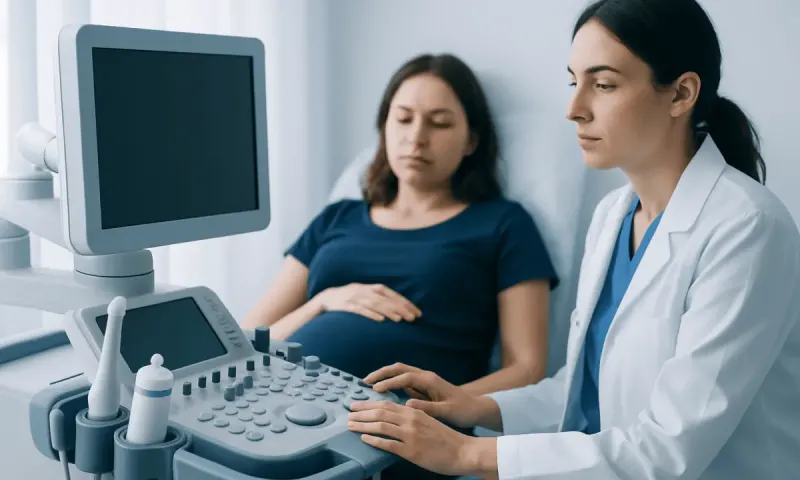
If someone takes birth control before realizing they are pregnant, they should stop using it and arrange prenatal advice, but there is usually no reason to panic. Available evidence does not show that accidental early exposure to most hormonal contraceptives causes major birth defects, although an ongoing pregnancy with an IUD needs prompt medical assessment.
Overview: What Happens if Birth Control Is Taken During Pregnancy?
If someone takes birth control during pregnancy before knowing they are pregnant, the most likely outcome is that nothing harmful happens. Studies of accidental exposure to birth control pills and other hormonal methods in early pregnancy have generally not found an increased risk of major congenital abnormalities. The appropriate next step is to stop the contraceptive method and contact a qualified clinician for pregnancy confirmation and routine prenatal guidance.
Birth control is designed to prevent pregnancy, not to end one. Hormonal methods, including combined oral contraceptive pills, progestin-only pills, patches, vaginal rings, implants, injections, and hormonal intrauterine devices (IUDs), are not used as abortion medicines. However, a pregnancy that begins while an IUD is in place needs particular attention because the location of the pregnancy should be checked promptly.
It is understandable to feel worried after an unexpected pregnancy or a positive test while using contraception. A clinician can review the type of contraception used, when it was last taken or inserted, any symptoms, and other medicines. In most situations, accidental exposure alone does not mean additional testing beyond standard prenatal care is needed.
Why Pregnancy Can Occur While Using Birth Control
No contraceptive method is completely effective in all circumstances. Effectiveness can be reduced when pills are missed, started late, or not absorbed because of vomiting or severe diarrhea. Some medicines and herbal products can also affect how certain hormonal contraceptives work, so it is important to discuss all medicines with a pharmacist or clinician.
With methods that do not require daily use, pregnancy can occur if an injection is delayed, a patch or ring is not used as directed, an implant has reached the end of its approved duration, or an IUD has moved or been expelled without being noticed. Fertility can return quickly after stopping many methods, including pills, patches, rings, implants, and IUDs. After the contraceptive injection, return of fertility may take longer for some people, but pregnancy is still possible.
A late or missed period, nausea, breast tenderness, fatigue, or unexpected spotting can occur both with hormonal contraception and with pregnancy. A home pregnancy test is a reasonable first step when pregnancy is possible. If the result is positive, unclear, or symptoms continue despite a negative result, medical advice is recommended.
What Is Known About Different Types of Birth Control Exposure
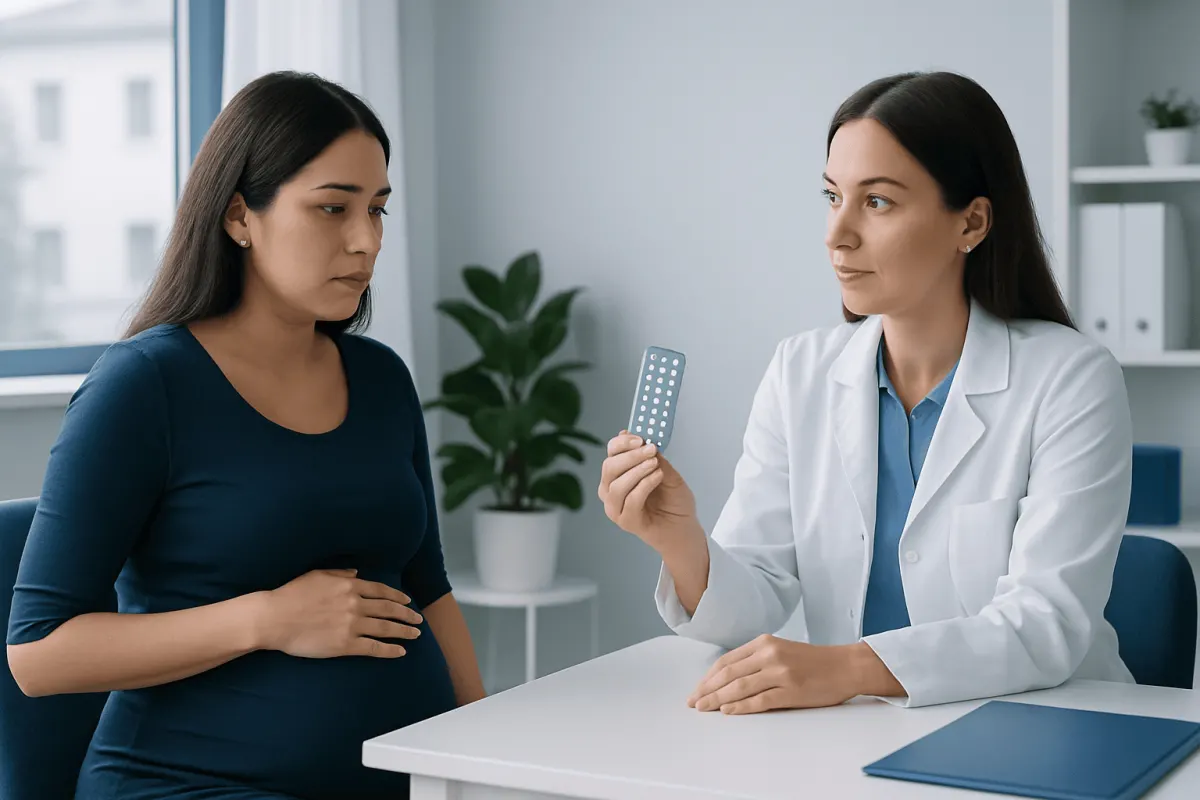
Combined oral contraceptive pills contain estrogen and a progestin. Although these pills should not be continued in pregnancy, accidental use in early pregnancy has not been shown to cause major birth defects. Earlier concerns about some fetal effects have not been supported by stronger, more recent evidence. A clinician may still document the exposure as part of routine pregnancy history.
Progestin-only pills, contraceptive injections, implants, patches, and vaginal rings should also be discontinued once pregnancy is recognized. Evidence on unintentional early exposure is generally reassuring, but data are more limited for some methods than for oral pills. This is one reason a clinician should review the individual situation rather than make assumptions based on a single online source.
Hormonal and copper IUDs are different because the device remains inside the uterus. If pregnancy occurs with an IUD, a clinician will usually perform an ultrasound or arrange appropriate assessment to confirm that the pregnancy is in the uterus. If the IUD strings are visible and removal can be done safely, removal is often recommended because leaving an IUD in place increases the risk of miscarriage, infection, and premature birth. Removal can itself carry a small risk, so this decision should be made with a clinician.
Emergency contraception, including emergency contraceptive pills, does not interrupt an established pregnancy. It works mainly by delaying or preventing ovulation before pregnancy begins. If it is taken and pregnancy is later discovered, it is not considered a reason to end a wanted pregnancy based on medication exposure alone.
The Special Importance of Ruling Out Ectopic Pregnancy
An ectopic pregnancy develops outside the main cavity of the uterus, most often in a fallopian tube. Contraception greatly lowers the overall chance of pregnancy, including ectopic pregnancy. However, if pregnancy happens while an IUD is in place, a greater proportion of those uncommon pregnancies may be ectopic compared with pregnancies in people not using an IUD.
This does not mean that every pregnancy with an IUD is ectopic. Most pregnancies that occur are still located in the uterus, but confirming the location is important. A clinician may use blood tests and an early ultrasound, depending on how far along the pregnancy may be and whether symptoms are present.
Urgent assessment is needed for one-sided lower abdominal or pelvic pain, shoulder-tip pain, dizziness, fainting, marked weakness, or heavy vaginal bleeding during early pregnancy. These symptoms can have different causes, but they should not be ignored because ectopic pregnancy can become serious if untreated.
What to Do After a Positive Pregnancy Test
After a positive pregnancy test, stop taking contraceptive pills and remove a patch or vaginal ring if one is being used. Do not attempt to remove an implant or IUD at home. Contact an obstetrician-gynecologist, family physician, midwife, or sexual health clinician to discuss the safest next steps and arrange confirmation of the pregnancy.
It can be helpful to write down the name of the contraceptive, the dates it was used, the first day of the last menstrual period if known, and the date of the positive test. Bringing medication packets or photographs of labels may help the clinical team identify the ingredients. The appointment is also an opportunity to review prescription medicines, over-the-counter products, vitamins, alcohol use, smoking, and other health conditions.
People who may wish to continue the pregnancy can begin general early-pregnancy measures while waiting for care. These include taking a prenatal vitamin containing folic acid if appropriate, avoiding alcohol and recreational drugs, and seeking advice before starting or stopping any non-contraceptive medicine. Those who are uncertain about continuing the pregnancy can receive confidential, nonjudgmental counseling about their options according to local laws and available services.
When to Seek Medical Care
A person should contact a clinician soon after a positive pregnancy test while using any contraceptive method. Prompt contact is especially important if an IUD or implant is in place, if the pregnancy test is positive after emergency contraception, or if there is uncertainty about which medicine or method was used. Early assessment provides reassurance and helps establish appropriate prenatal care.
Same-day or urgent medical care is appropriate for severe or increasing pelvic or abdominal pain, heavy bleeding, fainting, dizziness, shoulder pain, fever, or feeling very unwell. These symptoms may not always signal a serious problem, but they require timely evaluation in pregnancy.
Acıbadem Health Point’s multidisciplinary specialists in JCI-accredited hospitals can assess early pregnancy concerns, including pregnancies occurring with contraception in place, for Myomectomy Recovery for International Patients: The Usual Travel Timeline" class="ahp-ilk">international patients. The priority is individualized evaluation, clear information, and appropriate follow-up based on the person’s symptoms, pregnancy plans, and medical history.
Reassurance and Planning for the Future
Accidental use of birth control in the first weeks of pregnancy is common because pregnancy may not be recognized immediately. For most hormonal methods, available research is reassuring and does not indicate a need for alarm or for pregnancy termination solely because of accidental contraceptive exposure. Standard prenatal screening and ultrasound recommendations are usually sufficient unless a clinician identifies another reason for closer monitoring.
After pregnancy care is complete, a clinician can help with a future contraception plan that fits health needs, preferences, breastfeeding plans, and plans for future pregnancies. Options may include daily methods, long-acting reversible contraception, barrier methods, or permanent contraception for people who are certain they do not want future pregnancies.
Open discussion about missed pills, side effects, difficulty accessing prescriptions, or concerns about a current method can help identify a more suitable option. Choosing contraception is personal, and the best method is one that is medically appropriate and can be used consistently and comfortably.
Frequently asked questions
01Can birth control pills harm a baby if taken before pregnancy is discovered?
Accidental use of birth control pills in early pregnancy is not generally associated with an increased risk of major birth defects. The pills should be stopped once pregnancy is suspected or confirmed, and the exposure should be discussed at an early prenatal appointment. In most cases, routine prenatal care is all that is needed.
02Should a person stop birth control immediately after a positive pregnancy test?
Yes, oral contraceptive pills should be stopped, and a patch or vaginal ring should be removed after a positive test. An implant or IUD should not be removed without medical help. A clinician can confirm the pregnancy and advise on safe device removal when needed.
03What if pregnancy happens with an IUD in place?
A pregnancy with an IUD requires prompt medical assessment to confirm whether it is located inside the uterus. If the pregnancy is intrauterine and the IUD can be safely removed, removal is often advised because retaining it raises the risk of pregnancy complications. The decision should be made with an experienced clinician.
04Does emergency contraception cause an abortion if a person is already pregnant?
No. Emergency contraception does not end an established pregnancy and does not work as an abortion medication. If pregnancy occurs despite emergency contraception or was already present when it was taken, available evidence does not show that it harms the developing pregnancy.
05Can someone be pregnant while still having bleeding on birth control?
Yes. Hormonal contraception can cause withdrawal bleeding or irregular spotting, and bleeding does not always rule out pregnancy. A pregnancy test is advisable if pills were missed, a method was used incorrectly, or pregnancy symptoms occur.
06When is pain during a pregnancy on birth control an emergency?
Severe abdominal or pelvic pain, shoulder-tip pain, fainting, dizziness, heavy bleeding, or marked weakness need urgent medical evaluation. These symptoms can sometimes indicate ectopic pregnancy or another condition that requires prompt care. This is especially important when pregnancy occurs with an IUD in place.
This article is for general information only and is not a substitute for professional medical advice. Please consult a qualified doctor about your individual situation.
Persistent digestive symptoms? Get evaluated in Turkey
JCI-accredited · board-certified surgeons · reply within 24h
Add us as a Preferred Source to see more of our trusted health content across Google Search, AI Overviews and Discover.