Can Stress Cause a Miscarriage During Pregnancy?
Everyday stress, worry, work pressure, or an upsetting event is not known to directly cause a miscarriage. Pregnancy bleeding and cramping are often not serious, but certain symptoms need prompt medical assessment to identify miscarriage, ectopic pregnancy, or another cause and to provide appropriate support.
Can stress make you have a miscarriage?
Can stress make you have a miscarriage? For most people, ordinary day-to-day stress, anxiety, a busy schedule, an argument, or a single upsetting event is not known to directly cause miscarriage. Many pregnancies continue normally through emotionally difficult periods, and a person who has a miscarriage should not blame themselves for feeling stressed.
Research exploring severe, prolonged stress and pregnancy loss has produced mixed findings. Some studies have found an association, but an association cannot show that stress caused the miscarriage. Stress may occur alongside other factors, including health conditions, limited access to care, sleep disruption, smoking, or financial hardship, which can make results difficult to interpret.
The most important immediate concern is symptoms rather than stress itself. Light spotting can occur in healthy pregnancies, but vaginal bleeding, cramping, or pain should be reported to a maternity clinician. Heavy bleeding, severe abdominal pain, pain mainly on one side, shoulder-tip pain, dizziness, fainting, or fever should be assessed urgently because these symptoms can occasionally signal an ectopic pregnancy or another condition needing prompt treatment.
Why miscarriages happen and why self-blame is not helpful
A miscarriage is the loss of a pregnancy before 20 weeks, although most happen during the first trimester. Early pregnancy loss is common, and it is usually caused by random chromosome changes in the embryo. These changes often prevent the pregnancy from developing normally and generally happen by chance at fertilization or early development.
Other possible contributors can include increasing maternal age, certain uterine differences, poorly controlled diabetes or thyroid disease, some infections, autoimmune conditions, blood-clotting disorders in selected situations, and lifestyle exposures such as smoking, alcohol, or recreational drugs. However, a clear cause is not found in every individual miscarriage, especially after a first loss.
Normal activities do not usually cause miscarriage. Exercise appropriate for pregnancy, sex in an uncomplicated pregnancy, working, lifting typical household items, traveling, or experiencing emotional distress are not usually responsible. A clinician can give individualized advice when a pregnancy has specific complications or restrictions.
It is understandable to search for an explanation after bleeding or a pregnancy loss. Yet guilt can make an already painful experience harder. In most cases, there was nothing the pregnant person did or did not do that could have prevented an early miscarriage.
Stress in pregnancy: what it can affect
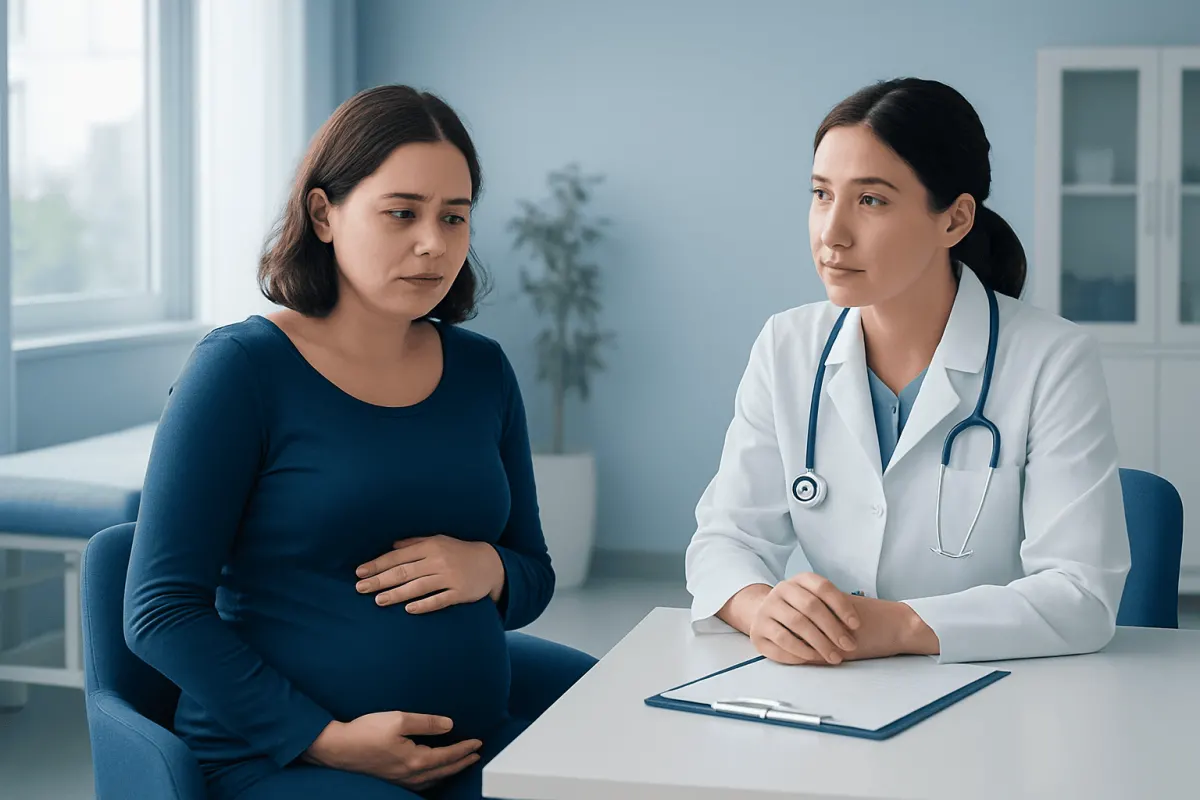
Stress is a normal physical and emotional response. During pregnancy, worries about symptoms, previous losses, work, family responsibilities, finances, and childbirth can all feel more intense. Brief stress raises stress hormones temporarily, but this normal response has not been shown to trigger miscarriage in an otherwise developing pregnancy.
Persistent high stress may still deserve care because it can affect sleep, appetite, concentration, relationships, and the ability to attend prenatal appointments or follow health advice. Anxiety and depression can also begin or worsen during pregnancy. These concerns are real and treatable, regardless of whether they are related to a pregnancy complication.
A healthcare professional may ask about mood, safety at home, sleep, substance use, and practical sources of strain. This is not meant to imply that the person caused a problem. It helps the care team offer support, such as counseling, mental health treatment, social support services, or adjustments to a care plan.
For people with a prior loss, stress can be especially understandable in a subsequent pregnancy. Regular communication with a maternity team and a plan for when to call about symptoms can provide reassurance without placing responsibility for pregnancy outcomes on the individual.
Bleeding and cramping: what symptoms can mean
Spotting is light vaginal bleeding, often seen only on toilet paper or underwear. It can happen in early pregnancy for several reasons, including changes in the cervix, a small collection of blood near the pregnancy, or after sex. Some people with spotting go on to have healthy pregnancies, but it cannot be safely diagnosed by symptoms alone.
Cramping may feel similar to menstrual cramps and can occur as the uterus changes. Mild cramps without bleeding can be common. Bleeding with cramps, passage of tissue or fluid, worsening pelvic pressure, or a sudden reduction in pregnancy symptoms may occur with miscarriage, but none of these signs confirms a diagnosis without medical evaluation.
Pregnancy symptoms can also fluctuate naturally, particularly nausea, breast tenderness, and fatigue. A change in symptoms alone does not necessarily mean that something is wrong. A clinician can explain which symptoms are expected at a particular stage of pregnancy and whether testing is appropriate.
- Seek emergency care now for soaking pads with blood, severe or worsening abdominal pain, one-sided pelvic pain, shoulder-tip pain, fainting, marked dizziness, weakness, or fever.
- Contact a maternity clinician promptly for any new bleeding, persistent cramps, pain during pregnancy, or concern about reduced fetal movement later in pregnancy.
How doctors evaluate possible miscarriage
A clinician will ask about the timing and amount of bleeding, pain, the date of the last menstrual period, previous pregnancies, medicines, health conditions, and any risk factors for ectopic pregnancy. They may also ask about stress and emotional wellbeing as part of comprehensive care, not because they assume stress caused the symptoms.
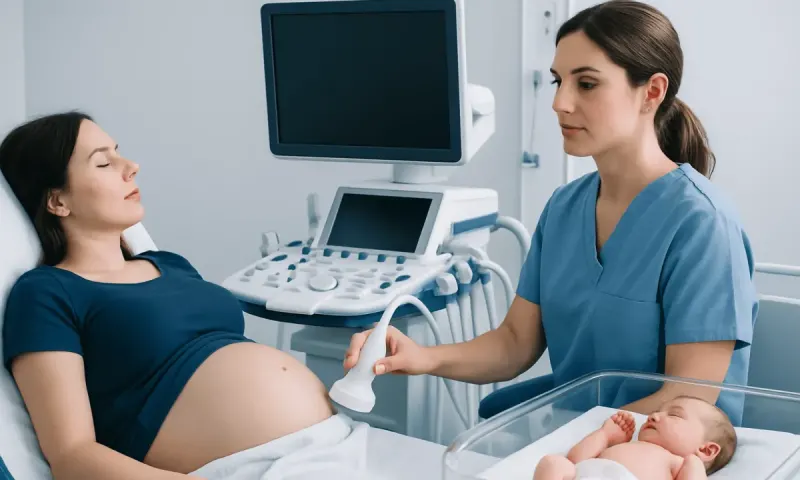
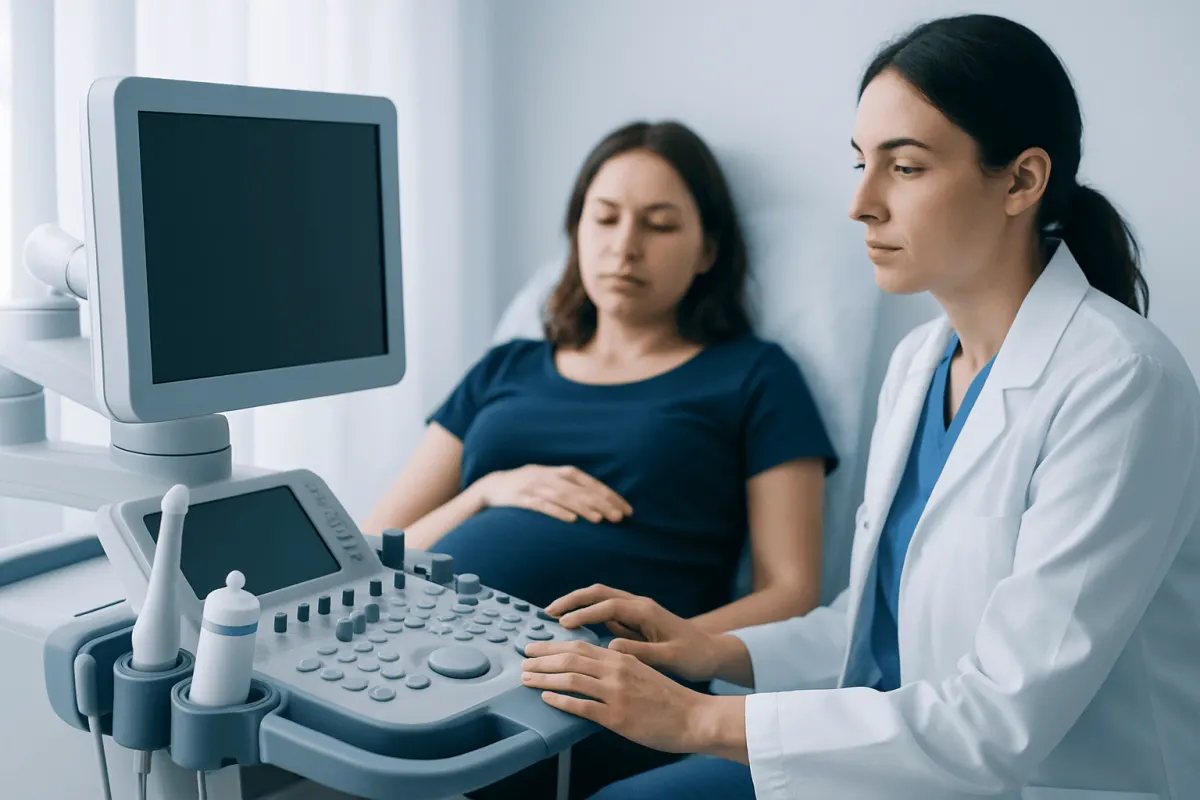
Evaluation may include a pelvic examination, blood tests, and an ultrasound scan. Blood testing may measure human chorionic gonadotropin (hCG), a pregnancy hormone. When a pregnancy is very early, repeating hCG testing and ultrasound after a short interval may be necessary because one test cannot always determine whether a pregnancy is developing normally.
An ultrasound can help identify the location of the pregnancy, assess development, and look for other explanations for bleeding. Confirming that a pregnancy is in the uterus is particularly important when symptoms could suggest ectopic pregnancy. Clinicians take care not to diagnose a miscarriage until the findings are sufficiently clear.
If miscarriage is confirmed, the team will discuss what to expect and suitable management options. These may include waiting for the body to pass pregnancy tissue naturally, medication to help this happen, or a procedure when clinically appropriate. The choice depends on symptoms, scan findings, medical history, personal preferences, and urgent safety considerations.
Supporting wellbeing and reducing stress safely
Stress management cannot guarantee a pregnancy outcome, but it can protect overall wellbeing and make it easier to cope with uncertainty. Helpful approaches may include regular meals, fluids, gentle activity if approved by the maternity team, consistent sleep routines, and limiting overwhelming sources of information. Avoiding alcohol, smoking, recreational drugs, and non-prescribed medicines is also important in pregnancy.
People may find it useful to speak with a trusted partner, friend, family member, midwife, obstetrician, counselor, or therapist. Breathing exercises, mindfulness, prayer or spiritual support, journaling, and brief walks may help some people feel more grounded. The best approach is one that feels safe, practical, and sustainable rather than another task to complete perfectly.
Anyone experiencing persistent sadness, panic, intrusive thoughts, inability to function, or thoughts of self-harm should seek urgent mental health support. Pregnancy-related anxiety and depression are medical concerns, and effective support can include talking therapies and, when needed, medicines selected carefully by a qualified clinician.
After a miscarriage, grief reactions vary widely. Some people feel sadness, anger, numbness, guilt, or relief; others have several feelings at once. There is no correct timetable for recovery, and bereavement support can be valuable for the pregnant person, partner, and family.
When to seek medical care and what happens next
Any vaginal bleeding in pregnancy should be communicated to a doctor, midwife, or maternity unit, even when it is light and there is no pain. They can advise whether same-day assessment is needed based on gestational age, medical history, blood type, symptoms, and ultrasound findings. If symptoms are severe or rapidly worsening, emergency care is safer than waiting for a routine appointment.
Urgent assessment is particularly important for heavy bleeding, severe cramps, pain on one side of the lower abdomen, shoulder pain, fainting, dizziness, fever, chills, or foul-smelling vaginal discharge. These signs can be associated with significant blood loss, infection, or ectopic pregnancy. Prompt care aims to protect health and provide answers as quickly as possible.
Following one miscarriage, extensive testing is not always needed because a future healthy pregnancy remains likely for many people. Recurrent pregnancy loss, typically defined differently by local clinical guidelines, may lead a specialist to consider chromosome testing, uterine imaging, hormone and thyroid testing, or assessment for selected immune or clotting conditions.
Acıbadem Health Point’s multidisciplinary specialists and JCI-accredited hospitals provide assessment and treatment for pregnancy concerns and recurrent loss for international patients. A qualified obstetrician or fertility specialist can help interpret individual risks, review past pregnancy history, and plan appropriate follow-up.
Frequently asked questions
01Can crying or having an argument cause a miscarriage?
Crying, arguing, or experiencing a single upsetting event is not known to cause miscarriage. Emotional stress can feel intense during pregnancy, but most early miscarriages are related to random chromosome changes in the developing embryo. If distress is persistent or overwhelming, discussing it with a healthcare professional can help.
02Can severe stress increase miscarriage risk?
Studies on severe or chronic stress and miscarriage have had mixed results. Some research suggests an association, but it cannot prove that stress itself caused a loss because many health, social, and lifestyle factors may be involved. Stress support is worthwhile for wellbeing, but it should not be viewed as a cause for self-blame.
03Does spotting mean that a miscarriage is happening?
No. Spotting can occur in healthy pregnancies and may have several causes, including changes to the cervix. However, all bleeding in pregnancy should be reported to a maternity clinician, especially if it is accompanied by pain, cramping, dizziness, or increasing blood loss.
04What are the first signs of miscarriage?
Possible signs include vaginal bleeding, cramping or lower abdominal pain, passage of tissue or fluid, and pelvic pressure. Symptoms vary, and some may also occur in continuing pregnancies. An ultrasound and, sometimes, repeat blood tests are used to clarify what is happening.
05When should someone go to the emergency department during pregnancy?
Emergency assessment is needed for heavy bleeding, severe or worsening abdominal pain, one-sided pain, shoulder-tip pain, fainting, significant dizziness, fever, or feeling very unwell. These symptoms may require rapid evaluation for ectopic pregnancy, infection, or substantial bleeding. If unsure, it is safer to seek urgent medical advice.
06Can a person prevent a miscarriage by relaxing more?
Relaxation can support sleep, mood, and coping, but it cannot prevent most miscarriages because they are usually caused by random chromosome changes. Helpful pregnancy care includes attending prenatal visits, avoiding smoking and alcohol, managing long-term health conditions, and seeking advice about medicines. A person should not feel responsible for preventing a loss through stress control alone.
This article is for general information only and is not a substitute for professional medical advice. Please consult a qualified doctor about your individual situation.
Joint and spine care in Turkey — expert assessment & treatment
JCI-accredited · board-certified surgeons · reply within 24h
Add us as a Preferred Source to see more of our trusted health content across Google Search, AI Overviews and Discover.