Urinating Very Often After Surgery: When to Seek Care
Urinating very often can occur for a short time after surgery because of intravenous fluids, bladder irritation, anesthesia effects, catheters, medicines, or changes near the bladder and pelvic organs. Recovery varies by procedure and individual health, but persistent or troubling urinary changes should be reviewed by a clinician to identify treatable causes.
Overview: why urinating very often may happen after surgery
Urinating very often after surgery is usually a temporary recovery symptom rather than a sign that something has gone wrong. The bladder may be more sensitive after anesthesia, a urinary catheter, intravenous fluids, medicines, or surgery close to the urinary tract. For many people, the pattern settles as normal fluid balance and bladder function return.
The experience can vary. Some people pass small amounts frequently because the bladder feels irritated or does not empty fully; others produce larger amounts of urine after receiving fluids during an operation. Surgery involving the prostate, bladder, uterus, ovaries, bowel, or pelvic floor is more likely to change urinary habits because these structures are close together.
Frequency means needing to pass urine more often than usual. It is different from urgency, which is a sudden difficult-to-delay need to urinate, and from increased urine volume, which can occur after high fluid intake or certain medical conditions. Noting how often a person urinates, the amount passed, and any pain or leakage can help the care team understand the problem.
Is it common to pee a lot after surgery?
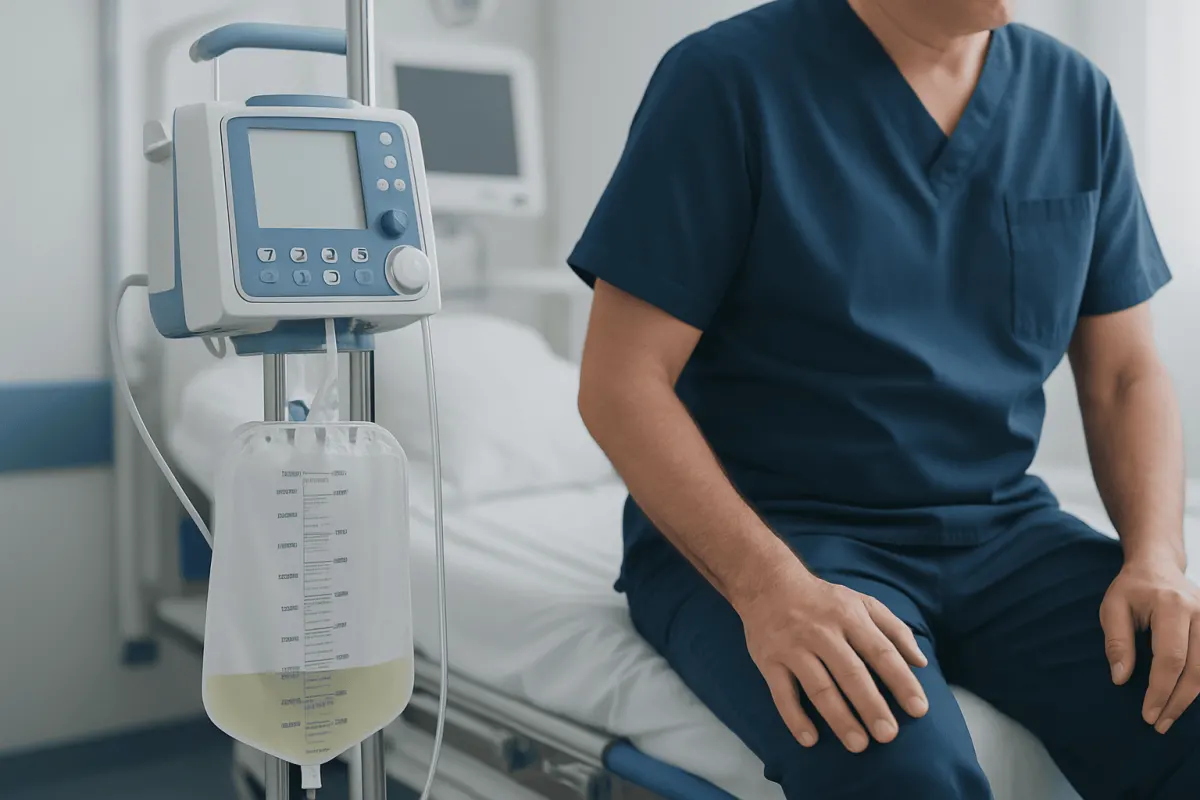
Yes, it can be common to pee a lot after surgery, especially during the first day or two. Intravenous fluids administered during and after an operation can lead to increased urine production once the kidneys remove the extra fluid. If a catheter was used, the bladder can also feel temporarily irritated when the catheter is removed, creating a frequent urge to urinate.
Some postoperative medicines can contribute as well. Diuretics increase urine production, while opioid pain medicines and anesthetic drugs may make it harder for the bladder to empty efficiently. Constipation, which is common during recovery, can put pressure on the bladder and worsen frequency or urgency.
Frequent urination should gradually become less disruptive. However, symptoms should not simply be assumed to be part of recovery if they are severe, continue without improvement, or develop alongside burning, fever, cloudy urine, lower abdominal pain, or new leakage. These features may indicate a urinary tract infection, incomplete emptying, or another condition that needs treatment.
How long does it take for urination to return to normal after surgery?

There is no single frequent urination surgery recovery time. After a minor operation away from the urinary tract, bladder habits often return to normal within a few days as anesthesia effects, fluids, and catheter-related irritation resolve. Recovery can take longer after pelvic, prostate, bladder, or gynecologic surgery, because tissues and nerves involved in bladder control may need time to heal.
Urinating frequently after prostate surgery may persist for weeks or sometimes longer while the urinary tract adapts after catheter removal. Urgency, frequency, and temporary urine leakage can occur during this period. The surgeon may recommend pelvic floor rehabilitation, timed voiding, or other strategies based on the procedure and the person’s symptoms.
Urinating often after hysterectomy can also occur temporarily, particularly if the bladder was moved or handled during surgery. Swelling, altered pelvic support, catheter use, constipation, and infection can contribute. The operating team should be contacted if urinary symptoms do not steadily improve, interfere substantially with sleep or daily activities, or are accompanied by warning signs.
What will an urologist do for frequent urination?
An urologist will begin by discussing the timing of symptoms, the type of surgery performed, fluid intake, medicines, medical conditions, and associated concerns such as burning, weak stream, leakage, pain, or waking at night to urinate. A bladder diary, usually recording drinks and urination for several days, can show whether the issue is frequent small voids, excessive urine production, or both.
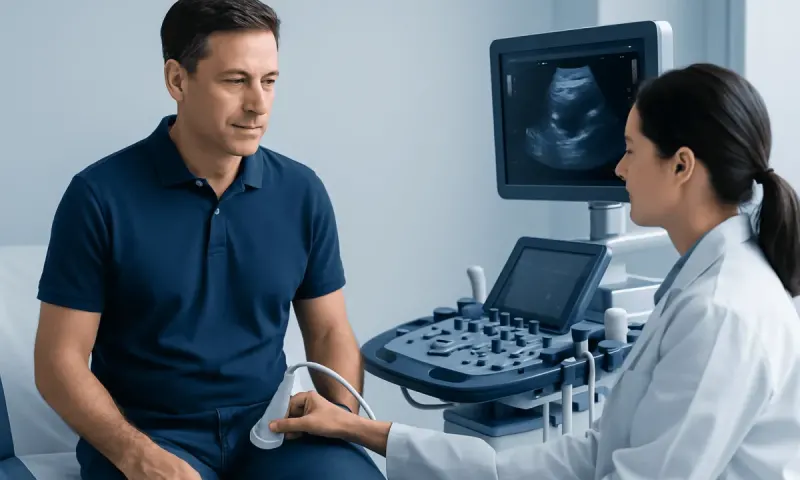
Assessment may include a physical examination, urine testing for infection or blood, and measurement of residual urine left in the bladder after urination. Depending on the situation, the specialist may recommend ultrasound imaging, urine-flow testing, cystoscopy to look inside the bladder, or urodynamic testing to evaluate how the bladder stores and releases urine.
Treatment depends on the cause. It may involve addressing a urinary infection or constipation, reviewing medicines, adjusting fluid timing, bladder training, pelvic floor physiotherapy, or medicines for an overactive bladder when appropriate. A urologist also evaluates for obstruction, stones, inflammation, or other conditions that may require more specific care.
For symptoms linked to pelvic floor weakness or surgery, a clinician may suggest structured rehabilitation and gradual return to activity. Individual advice is particularly important after prostate or gynecologic operations, since the safest plan depends on the procedure and stage of healing.
Is there a surgery for frequent urination?
Surgery is not usually the first treatment for frequent urination. Many causes respond to treating an infection, managing constipation, changing contributory medicines, bladder training, pelvic floor therapy, or medication. Surgery is considered only when testing identifies a structural problem or when carefully selected non-surgical treatments have not controlled significant symptoms.
Examples include procedures to relieve urinary blockage caused by an enlarged prostate, repair certain pelvic organ prolapse problems, remove bladder stones, or treat a narrowing of the urethra. In selected people with severe overactive bladder that has not responded to conservative care, specialists may discuss advanced options such as nerve stimulation, bladder Botox injections, or reconstructive procedures. The potential benefits and risks need careful individual review.
When frequent urination follows an operation, the priority is to identify the underlying reason rather than to rush toward another procedure. The original surgeon and, where needed, a urologist can determine whether symptoms reflect expected healing, a complication such as infection, or an unrelated urinary condition.
Practical steps during recovery
People recovering from surgery should follow their surgical team’s instructions about drinking, activity, catheter care, wound care, and medications. Unless the care team has recommended fluid restriction for a medical reason, regular hydration is generally preferable to deliberately drinking very little. Concentrated urine can irritate the bladder and may increase the risk of dehydration.
It may help to spread fluids through the day and reduce drinks close to bedtime if nighttime urination is troublesome. Caffeine, alcohol, carbonated beverages, and some acidic or spicy foods can worsen urgency for some people. Keeping a short bladder diary can be useful, but repeated attempts to urinate “just in case” may reinforce a frequent-voiding pattern.
Preventing constipation can also reduce pressure on the bladder. This may include gentle movement when approved, adequate fluids, fiber-containing foods, and any bowel medicines recommended after surgery. Pelvic floor exercises should only be started or resumed according to the surgeon’s guidance, especially after a procedure involving the prostate, bladder, vagina, or pelvic floor.
Acıbadem Health Point’s multidisciplinary specialists and JCI-accredited hospitals can assess urinary symptoms after surgery and coordinate care for international patients when urology, gynecology, rehabilitation, or surgical follow-up is needed.
When to seek medical care
Contact the surgical team or a doctor promptly if urinating very often is new, persistent, worsening, or difficult to manage after surgery. A medical review is also appropriate for burning when urinating, foul-smelling or cloudy urine, new urine leakage, a weak stream, a sensation that the bladder is not empty, or symptoms lasting beyond the recovery timeframe explained by the surgeon.
Urgent medical care is needed if a person cannot pass urine, develops severe lower abdominal swelling or pain, has fever or chills, sees large amounts of blood or blood clots in urine, feels faint, or becomes generally unwell. These symptoms can indicate urinary retention, infection, bleeding, or another complication requiring timely assessment.
People with diabetes, kidney disease, known prostate enlargement, a history of recurrent urinary infections, or previous bladder problems may benefit from earlier review. It is helpful to bring a medication list, details of the operation, and a record of fluid intake and urine output when possible.
Frequently asked questions
01Why am I urinating frequently after surgery?
Frequent urination after surgery may result from intravenous fluids, anesthesia, catheter-related bladder irritation, medication effects, constipation, or healing around pelvic organs. It can also be caused by a urinary tract infection or incomplete bladder emptying. A clinician should assess symptoms that are persistent, painful, or worsening.
02How long does frequent urination last after a catheter is removed?
A frequent urge to urinate or mild discomfort can occur briefly after catheter removal because the urethra and bladder may be irritated. Many people improve over a few days, but recovery can be longer after prostate, bladder, or pelvic surgery. The care team should be contacted if there is inability to urinate, increasing pain, fever, or ongoing symptoms.
03Is urinating frequently after prostate surgery normal?
It can be part of recovery after prostate surgery, particularly after the catheter is removed. Bladder urgency, frequency, and temporary leakage may occur as the urinary tract heals and adapts. The surgeon can advise on the expected timeline and whether pelvic floor rehabilitation or further assessment is appropriate.
04Can a urinary tract infection cause frequent urination after surgery?
Yes. Surgery and catheter use can increase the chance of a urinary tract infection in some people. Burning, urgency, cloudy or strong-smelling urine, fever, pelvic pain, or feeling unwell should be reported so urine testing and treatment can be arranged if needed.
05Should I drink less water if I am urinating very often after surgery?
It is generally not advisable to sharply reduce fluids unless a clinician has specifically recommended it. Dehydration can make urine more concentrated and may irritate the bladder. Spreading fluids through the day and limiting caffeine or alcohol may be more helpful for some people.
06When is frequent urination after surgery an emergency?
Seek urgent care if the person cannot urinate, has severe pain or swelling in the lower abdomen, fever or chills, heavy bleeding or clots in the urine, or feels very unwell. These symptoms can indicate urinary retention, infection, or bleeding and should not wait for a routine appointment.
This article is for general information only and is not a substitute for professional medical advice. Please consult a qualified doctor about your individual situation.
Persistent digestive symptoms? Get evaluated in Turkey
JCI-accredited · board-certified surgeons · reply within 24h
Add us as a Preferred Source to see more of our trusted health content across Google Search, AI Overviews and Discover.