What Counts as Frequent Urination?
Frequent urination is a noticeable need to pass urine more often than is usual for the individual. It can follow increased fluid intake or caffeine use, but persistent changes may also be linked with urinary, hormonal, prostate, pelvic, or sleep-related conditions.
What Is Considered Frequent Urination?
What is considered frequent urination? It is the need to urinate more often than is usual for a person, often described as more than about eight times in 24 hours for adults. However, the most important clue is a clear change from the person’s normal pattern, especially if it is persistent, disruptive, or accompanied by other symptoms.
Fluid intake, weather, exercise, pregnancy, caffeine, alcohol, and medicines can all temporarily increase toilet visits. Frequent urination may involve small amounts of urine each time, normal amounts more often, or large volumes of urine. These patterns are not identical and can point toward different causes.
Waking from sleep to urinate is called nocturia. What is considered frequent urination at night varies, but waking once may be common in some adults, particularly with increasing age. Waking two or more times regularly, or any waking that significantly affects sleep and daytime wellbeing, is worth discussing with a healthcare professional.
Frequency, Urgency, and High Urine Volume
Urinary frequency means going to the toilet often. Urgency means a sudden, difficult-to-delay urge to urinate. A person can have one, both, or neither. For example, a bladder infection may cause frequent small voids with urgency and burning, while drinking several large caffeinated drinks may lead to more frequent but comfortable urination.
Polyuria is the production of an abnormally large total volume of urine, commonly accompanied by thirst. This differs from frequency with small urine volumes. A clinician may ask whether each visit produces only a little urine or a usual or large amount, because this distinction can help identify problems such as bladder irritation, incomplete emptying, high blood glucose, or medication effects.
A simple bladder diary is often useful. For two to three days, a person can record the time and approximate amount of drinks, each urination, nighttime waking, leakage, urgency, and related symptoms. This practical record gives more useful information than trying to estimate frequency from memory alone.
Common Causes and Risk Factors

Temporary frequent urination can result from drinking more fluids than usual, especially coffee, tea, energy drinks, alcohol, or carbonated beverages. Some medicines, including diuretics used for conditions such as high blood pressure or swelling, are designed to increase urine production. Taking them later in the day may contribute to nighttime trips, although medicine schedules should only be changed with a prescriber’s advice.
Urinary tract infection, bladder inflammation, kidney stones, and sexually transmitted infections can irritate the urinary system. Symptoms may include pain or burning during urination, lower abdominal discomfort, cloudy or strong-smelling urine, urgency, fever, or flank pain. A urine test can help clarify whether infection or another cause is present.
Overactive bladder describes a pattern of urinary urgency, usually with frequency and sometimes leakage, without necessarily having an infection. Pelvic floor changes, constipation, neurological conditions, and prior pelvic surgery may contribute in some people. Anxiety can intensify awareness of bladder sensations, but ongoing symptoms should not automatically be attributed to stress without an appropriate health assessment.
In men, frequent urination may be related to prostate enlargement, which can narrow the flow of urine. What is considered frequent urination in men is not defined by a different fixed number; associated symptoms are especially important. A weak stream, hesitancy, straining, dribbling, or a sense that the bladder has not emptied should be evaluated.
Pregnancy, Diabetes, and Nighttime Urination
What is considered frequent urination in pregnancy is generally a noticeable increase from the person’s prepregnancy routine. In early pregnancy, hormonal changes and increased blood flow to the kidneys can make urination more frequent. Later in pregnancy, the growing uterus may place pressure on the bladder, often causing more frequent small-volume urination.
Although frequent urination in early pregnancy and throughout pregnancy is common, pain, burning, fever, blood in urine, or back pain should be assessed promptly because urinary infections need particular attention during pregnancy. New severe thirst, fatigue, or large amounts of urine should also be discussed with the maternity care team.
What is considered frequent urination for diabetes may include both frequent toilet visits and unusually large urine volumes, often with increased thirst. When blood glucose is high, the kidneys pass extra glucose into the urine, drawing water with it. This pattern can be a feature of undiagnosed diabetes or a sign that diabetes management needs review, so it should not be ignored.
Nocturia may also be influenced by leg swelling, sleep apnea, heart or kidney conditions, and evening fluid intake. The body can shift fluid from the legs into circulation when lying down, increasing nighttime urine production. Treating the underlying contributor is more effective than simply restricting fluids excessively.
How Frequent Urination Is Evaluated
A clinician will usually begin by asking when the change started, how often the person urinates during the day and night, whether urine volumes are small or large, and whether there is pain, leakage, thirst, fever, or changes in urine appearance. Medical history, pregnancy status, fluid and caffeine intake, medicines, bowel habits, and sleep symptoms can all be relevant.
A urinalysis may identify blood, glucose, protein, or signs of infection. Depending on the situation, a clinician may request a urine culture, blood glucose testing, kidney function tests, pregnancy testing, or other blood tests. A physical examination may include an abdominal examination and, where appropriate, pelvic, prostate, or neurological assessment.
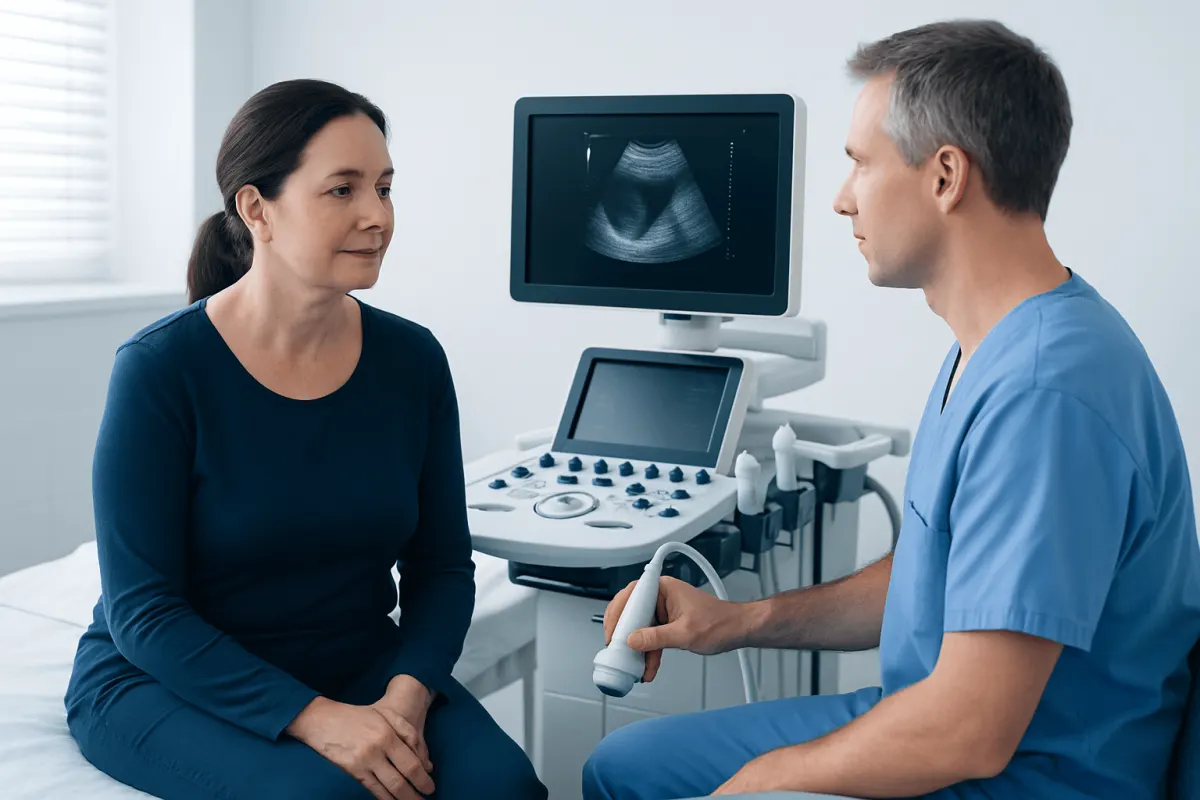
Further testing is individualized. It may include ultrasound imaging to assess the kidneys and bladder, measurement of urine left in the bladder after urination, or specialist bladder-function testing. These evaluations help distinguish urinary frequency from poor bladder emptying, infection, structural problems, or increased urine production.
Treatment Options and Everyday Measures
Treatment depends on the underlying cause. A confirmed urinary infection may require prescribed antimicrobial treatment, while diabetes-related urinary symptoms improve by addressing blood glucose with a clinician’s guidance. For prostate-related symptoms, overactive bladder, stones, or pelvic floor concerns, treatment may involve lifestyle approaches, medicines, physical therapy, procedures, or referral to a urology specialist.
Helpful everyday measures may include drinking regular, sensible amounts of water during the day; reducing caffeine and alcohol if they trigger symptoms; and avoiding large volumes of fluid shortly before bedtime. It is usually not helpful to severely restrict fluids, as concentrated urine can irritate the bladder and inadequate hydration can cause other health problems.
Managing constipation, maintaining a healthy weight where appropriate, and using a planned toileting schedule can help some people. Pelvic floor exercises may be beneficial for certain bladder-control concerns, but it is best to learn the correct technique from a qualified healthcare professional, especially when there is pelvic pain or difficulty emptying the bladder.
People may encounter discussions about frequent urination on online forums, including searches such as “what is considered frequent urination Reddit.” Personal accounts can be reassuring, but they cannot diagnose the cause. Symptoms should be assessed based on the individual’s health history and any warning signs rather than online comparisons.
When to Seek Medical Care
A person should arrange a medical appointment if frequent urination lasts more than a few days without an obvious explanation, repeatedly interrupts sleep, affects daily activities, or occurs with urgency, leakage, weak flow, or a feeling of incomplete emptying. A new change is particularly important for people who are pregnant, have diabetes, kidney disease, neurological conditions, or a history of urinary problems.
Urgent medical advice is needed for fever or chills with urinary symptoms, pain in the side or back, visible blood in urine, vomiting, severe lower abdominal pain, inability to pass urine, confusion, or marked weakness. These signs may indicate infection, obstruction, or another problem requiring prompt care.
Frequent urination is sometimes raised in relation to pets, with searches such as “what is considered frequent urination in cats” or “what is considered frequent urination in dogs.” Human guidance does not apply to animals. A cat or dog that urinates more often, strains, has accidents, drinks much more, or has blood in urine should be assessed by a veterinarian, as urinary blockage can be an emergency in pets.
Acıbadem Health Point’s multidisciplinary specialists and JCI-accredited hospitals can evaluate urinary symptoms and coordinate care for international patients when needed. A qualified clinician can identify the most likely cause and recommend care that fits the person’s symptoms, health conditions, and test results.
Frequently asked questions
01How many times a day is too much to urinate?
Many adults urinate about four to eight times in 24 hours, but this varies with fluid intake, activity, medicines, and individual bladder capacity. More than eight visits may be considered frequent, particularly if it is a new pattern or causes inconvenience, urgency, or sleep disruption.
02Is frequent urination always a sign of diabetes?
No. Caffeine, alcohol, urinary infections, pregnancy, overactive bladder, prostate enlargement, and some medicines are among the many possible causes. Diabetes is more likely when frequent urination occurs with increased thirst, large urine volumes, unexplained weight change, fatigue, or recurrent infections.
03Why do I urinate frequently but only a little comes out?
Passing small amounts frequently can happen when the bladder is irritated or when there is urgency. Urinary tract infection, overactive bladder, stones, pelvic conditions, and incomplete bladder emptying are possible causes, so persistent symptoms should be assessed.
04Is it normal to urinate more often in early pregnancy?
Yes. Hormonal changes and increased kidney blood flow can cause frequent urination early in pregnancy, and bladder pressure can contribute later on. Pregnant people should contact their maternity team if there is burning, pain, fever, blood in urine, or new severe thirst.
05How often is too often to urinate at night?
A single nighttime toilet visit can occur in many adults, especially with age. Regularly waking two or more times, or waking often enough to affect sleep quality and daytime functioning, is a reason to discuss the pattern with a healthcare professional.
06Can drinking less water stop frequent urination?
Reducing excessive evening drinks and bladder irritants such as caffeine may help some people. However, severe fluid restriction is not recommended because dehydration and concentrated urine can worsen symptoms or create other health concerns. The underlying cause should be addressed instead.
This article is for general information only and is not a substitute for professional medical advice. Please consult a qualified doctor about your individual situation.
Explore treatments in Turkey — costs, top hospitals & a free quote
JCI-accredited · board-certified surgeons · reply within 24h
Add us as a Preferred Source to see more of our trusted health content across Google Search, AI Overviews and Discover.