Upper Endoscopy: Preparation, Procedure, and Recovery
Upper endoscopy, also called gastroscopy or upper GI endoscopy, is a common procedure that lets a specialist examine the lining of the esophagus, stomach and duodenum. It can help identify the cause of digestive symptoms and may allow certain problems to be treated during the same visit.
Overview: What Is an Upper Endoscopy?
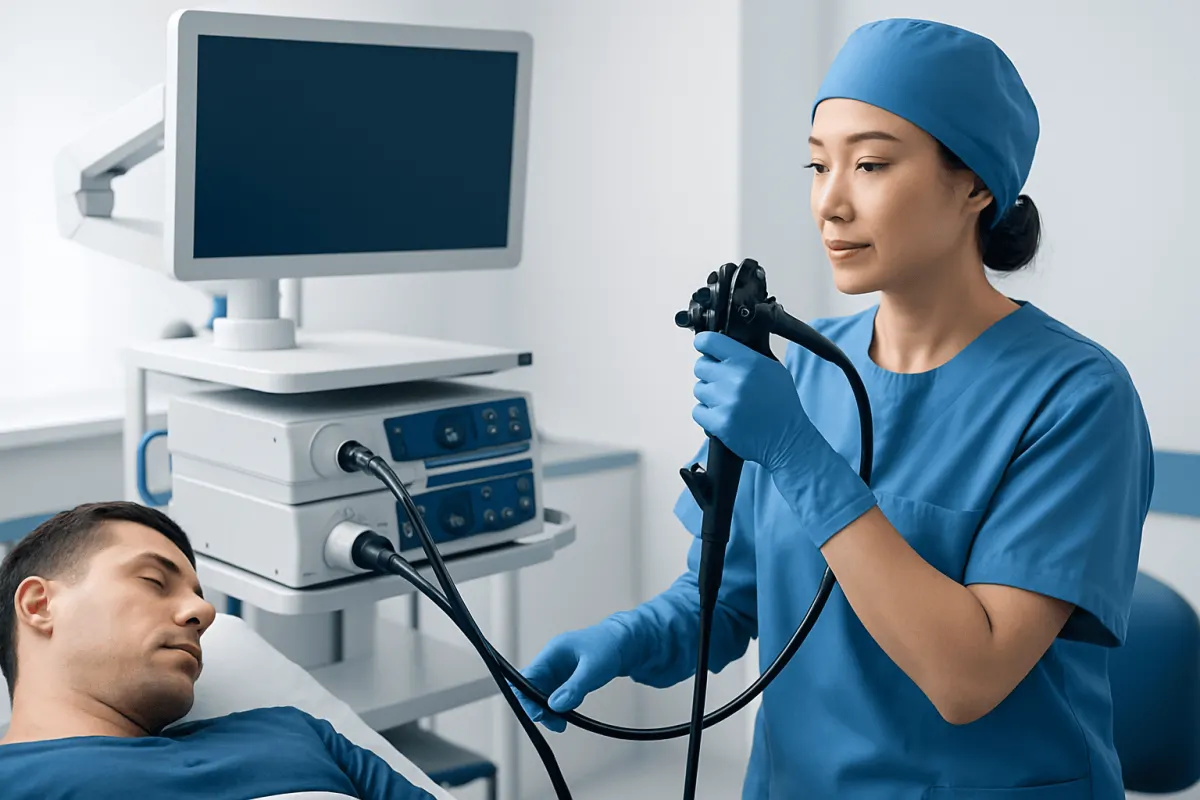
An upper endoscopy is a procedure used to examine the upper part of the digestive tract. It is also called an upper gastrointestinal (GI) endoscopy, esophagogastroduodenoscopy (EGD), or gastroscopy. A gastroenterologist passes a narrow, flexible tube called an endoscope through the mouth and gently into the esophagus, stomach, and first section of the small intestine, known as the duodenum.
The endoscope has a light and a small camera that sends images to a monitor. This allows the clinician to look closely at the digestive lining for inflammation, ulcers, narrowing, bleeding, growths, or other changes. The procedure is usually performed as an outpatient test, meaning the patient generally goes home the same day.
Upper endoscopy is both a diagnostic and, in some situations, therapeutic procedure. In addition to taking pictures and collecting tissue samples, the specialist may be able to control bleeding, widen a narrowed area, remove certain polyps, or retrieve a swallowed object. The care team explains the planned purpose of the procedure and what may be done if an unexpected finding is seen.
Why an Upper Endoscopy May Be Recommended
A clinician may recommend upper endoscopy when a person has persistent or concerning symptoms involving the upper digestive system. It can help investigate symptoms such as trouble or pain with swallowing, ongoing heartburn, upper abdominal pain, unexplained nausea or vomiting, a feeling of food sticking, or unexplained weight loss.
The test can also help find the source of bleeding in the digestive tract. Signs can include vomiting blood, dark material that resembles coffee grounds, black tar-like stools, or iron-deficiency anemia without an obvious explanation. These symptoms should be assessed promptly by a healthcare professional.
Common conditions evaluated with upper endoscopy include reflux-related injury to the esophagus, peptic ulcers, inflammation of the stomach or duodenum, celiac disease, and abnormalities such as Barrett's esophagus. It may also be used for surveillance in people with selected known conditions, based on their specialist’s recommendations.
Endoscopy findings are considered alongside symptoms, medical history, laboratory results, and imaging when needed. A normal examination can still be valuable, as it may help the clinician rule out structural causes and decide whether other tests would be useful.
How to Prepare Before the Procedure
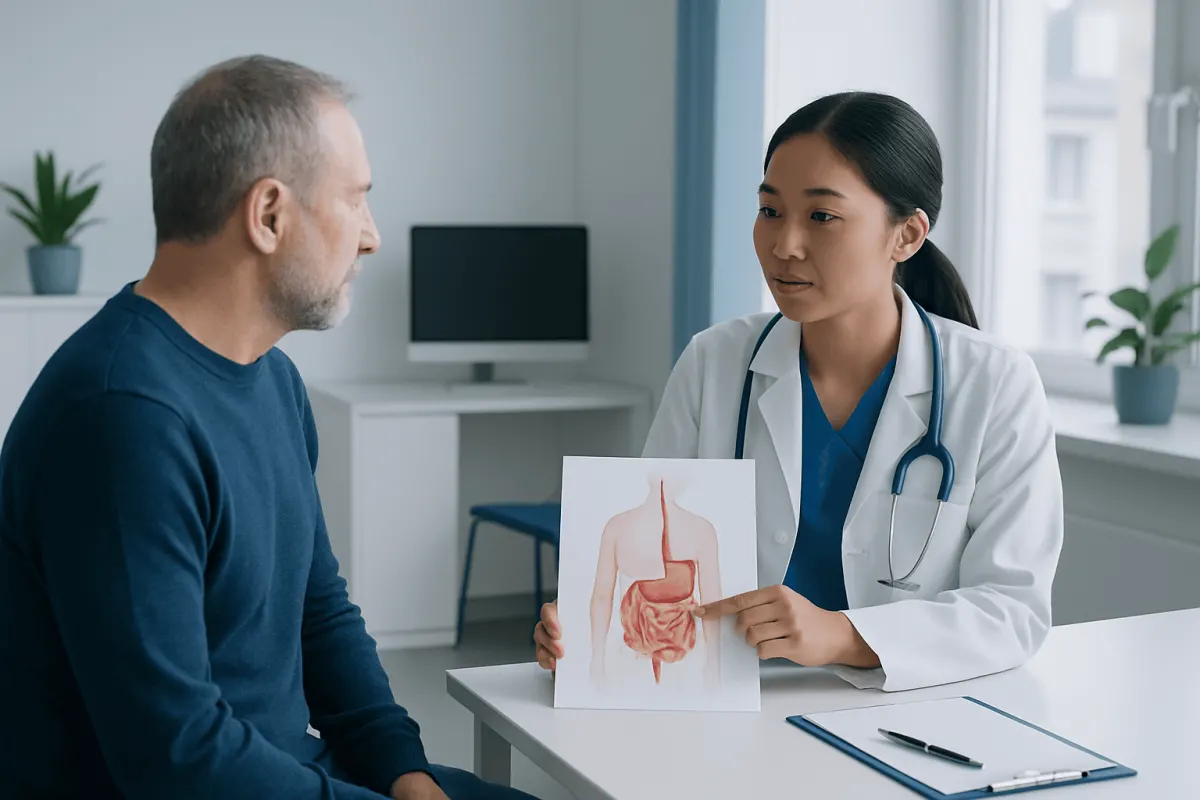
A clear view of the digestive lining is essential, so the stomach must be empty. The endoscopy center will provide specific fasting instructions, which commonly require stopping solid food for several hours before the appointment and limiting clear liquids closer to the procedure. Instructions can differ depending on the procedure time, medical conditions, and whether sedation is planned, so patients should follow the directions from their own care team.
Before the appointment, patients should tell the team about all prescription medicines, over-the-counter products, vitamins, supplements, allergies, pregnancy, and medical conditions. This is especially important for blood thinners, diabetes medicines, insulin, medications that affect stomach emptying, and medicines used for heart or lung conditions. A clinician will advise whether any medicine should be continued, adjusted, or temporarily paused; patients should not make changes on their own.
Patients should arrange for a responsible adult to take them home if they receive sedating medicine. Sedation can affect alertness, memory, coordination, and judgment for the rest of the day. It is generally wise to avoid driving, operating machinery, drinking alcohol, making important decisions, or signing legal documents until the effects have fully worn off.
- Bring identification, relevant medical information, and a current medication list.
- Wear comfortable clothing and remove dentures, contact lenses, or jewelry if instructed.
- Tell the team about previous reactions to anesthesia or sedation.
- Ask in advance about eating, work, travel, and medication plans after the test.
What Happens During an Upper Endoscopy?
On arrival, a nurse usually reviews the patient’s history, medicines, allergies, fasting status, and consent form. Vital signs are checked, and an intravenous line may be placed for sedation. The clinician discusses the procedure, its benefits, alternatives, and possible risks, giving the patient an opportunity to ask questions.
Many patients receive moderate or deep sedation to help them feel relaxed and comfortable. In some circumstances, the throat may be numbed with a local anesthetic spray, with or without sedation. Monitoring equipment tracks breathing, oxygen level, heart rate, and blood pressure throughout the examination.
The patient typically lies on the left side and may wear a mouth guard to protect the teeth and endoscope. The clinician advances the lubricated endoscope through the mouth; it does not interfere with breathing. Air or carbon dioxide is introduced to gently expand the digestive tract and improve visibility, which may cause temporary bloating or pressure.
The examination itself often takes a relatively short time, although it can take longer if biopsies or treatment are needed. Taking a biopsy is usually painless because the digestive lining does not sense cutting in the same way as skin. Tissue samples may be tested for inflammation, infection, precancerous changes, or other conditions.
Possible Treatments During Endoscopy
If a problem is found, the specialist may be able to treat it through small instruments passed inside the endoscope. This can avoid or delay the need for a separate procedure in selected cases. Whether treatment is appropriate depends on the finding, the person’s health, and the expertise and equipment available.
For example, endoscopy may be used to treat some sources of upper GI bleeding by applying clips, heat-based therapy, injection therapy, or other techniques. A narrowed area of the esophagus may sometimes be widened with endoscopic dilation, and particular polyps or abnormal tissues may be removed or sampled for further assessment.
Some people need an endoscopic procedure to remove a swallowed item or impacted food. Others may require specialized treatment for conditions affecting the bile ducts or pancreas, which can involve a different procedure called ERCP. The care team will explain if further testing, pathology review, medication, surgery, or follow-up endoscopy is recommended.
Not every abnormality can or should be treated immediately. In many cases, the safest approach is to await biopsy results, review the findings carefully, and make a personalized plan with the treating clinician.
Recovery, Results, and Possible Side Effects
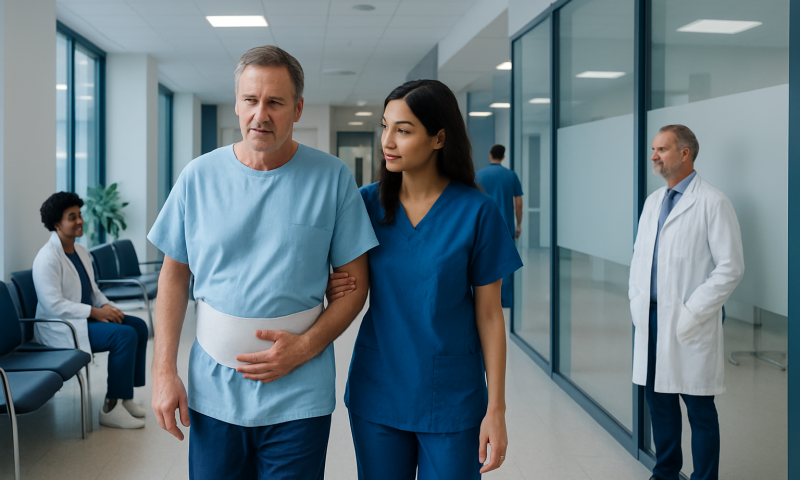
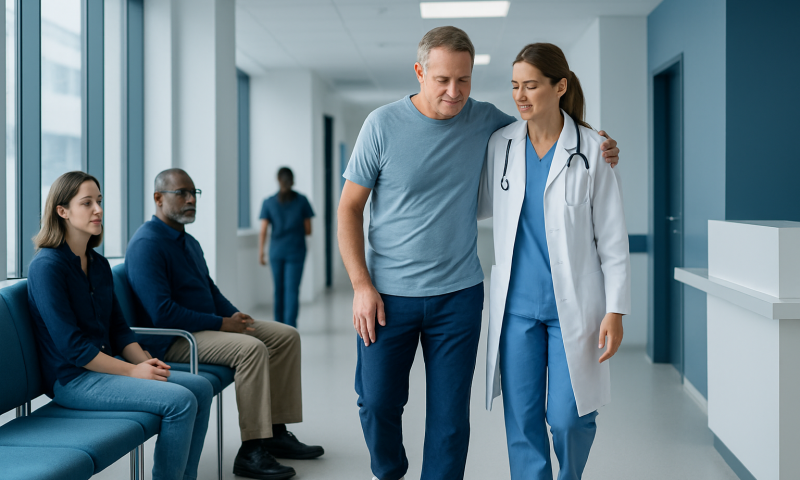
After the procedure, patients rest in a recovery area while sedation wears off. It is common to have a mild sore throat, bloating, belching, or temporary drowsiness. These effects usually improve within a short time. Eating and drinking can typically resume when swallowing feels normal and the care team confirms it is safe to do so.
The clinician may discuss preliminary findings before discharge, although sedation can make it hard to remember details. Having the accompanying adult listen to instructions can be helpful. If biopsies were taken, the final results may take several days or longer, depending on the laboratory testing required. The team will explain how and when results will be communicated.
Upper endoscopy is generally considered safe, but no procedure is entirely risk-free. Rare complications can include bleeding, infection, a reaction to sedation, aspiration, damage to a tooth, or a tear in the digestive tract. The likelihood varies with the person’s health and whether a therapeutic intervention is performed.
Patients should follow their discharge instructions and contact the healthcare team if they have questions. Acıbadem Health Point’s multidisciplinary specialists and JCI-accredited hospitals evaluate and treat digestive conditions for international patients, with care plans based on individual needs.
When to Seek Medical Advice After Endoscopy
Most people recover without difficulty, but it is important to know when symptoms may need urgent assessment. The endoscopy center should provide a contact number and clear instructions for the period after discharge. Patients should not hesitate to call if a symptom feels unusual or worsening.
Urgent medical attention is needed for severe or persistent chest pain or abdominal pain, trouble breathing, fever, repeated vomiting, vomiting blood, black stools, fainting, or marked weakness. These symptoms do not necessarily mean a complication has occurred, but they should be evaluated promptly.
A mild throat discomfort or brief bloating alone is usually expected and often settles with time. However, people with significant symptoms, substantial medical conditions, or uncertainty about medications, food, or activity should seek guidance from their doctor or endoscopy team rather than relying on general advice.
Follow-up depends on the reason for the procedure and its findings. Some patients only need a review of results, while others may need treatment for an underlying condition, repeat endoscopy, or ongoing surveillance. Keeping follow-up appointments helps ensure that results are understood and the next steps are clear.
Frequently asked questions
01Is upper endoscopy painful?
Most people do not experience pain during upper endoscopy because sedation and/or throat numbing is commonly used. They may notice pressure, bloating, or a brief sensation in the throat as the endoscope is introduced. The care team monitors comfort throughout the procedure.
02How long does an upper endoscopy take?
The examination itself often takes a short time, but the full visit includes preparation, sedation, recovery, and discharge instructions. It may take longer if the clinician takes biopsies or performs treatment. The endoscopy unit can provide a more individualized time estimate.
03Can a person eat before an upper endoscopy?
The stomach needs to be empty for the procedure to be safe and accurate, so patients are asked to fast beforehand. Exact instructions vary and should come from the endoscopy team. Patients should clarify instructions if they have diabetes, take regular medicines, or are unsure what counts as a clear liquid.
04Will a biopsy mean cancer is suspected?
No. Biopsies are commonly taken to examine inflammation, infection, celiac disease, reflux-related changes, and other conditions. A biopsy is a routine way to obtain more detailed information, and it does not by itself indicate cancer.
05When can a person return to normal activities after upper endoscopy?
People who receive sedation usually need to rest for the remainder of the day and should not drive or make important decisions until the next day or as instructed. Many can return to usual activities the following day. Recovery advice may differ if a treatment was performed during the procedure.
06What is the difference between upper endoscopy and colonoscopy?
Upper endoscopy examines the esophagus, stomach, and duodenum through the mouth. Colonoscopy examines the large intestine through the rectum. They evaluate different areas of the digestive tract and require different preparation steps.
This article is for general information only and is not a substitute for professional medical advice. Please consult a qualified doctor about your individual situation.
Medical weight-loss options in Turkey — costs & eligibility
JCI-accredited · board-certified surgeons · reply within 24h
Add us as a Preferred Source to see more of our trusted health content across Google Search, AI Overviews and Discover.