Hernia Surgery Recovery Time: What to Expect Week by Week

Key Takeaways
- Hernia surgery recovery time varies by technique, hernia size and personal health; laparoscopic and robotic repairs often allow a faster return to routine than open repair.
- Walking on the day of surgery is encouraged in most cases and helps reduce stiffness, constipation and blood-clot risk.
- Bruising, swelling, tugging sensations and mild discomfort for a few weeks are common; escalating pain, fever, spreading redness or drainage are not and need prompt medical review.
- Lifting limits are set individually by the surgeon — never assume a number from the internet applies to your repair.
- Patients treated away from home should plan for a post-operative stay, a fitness-to-fly review before the return trip, and a clear aftercare plan with their doctor back home.
- Full comfort and confidence with strenuous activity can take up to three months, and occasional twinges during that period are usually not a sign of failure.
Most people are up and walking the same day as hernia repair, back to desk work within one to two weeks, and cleared for heavier activity around four to six weeks — though every recovery is individual. This week-by-week guide explains what is typically normal, what is not, and how recovery is planned when surgery is arranged away from home.
How Long Is Hernia Surgery Recovery Time?
For most adults, hernia surgery recovery time follows a broadly predictable pattern: walking and self-care within 24 hours, light daily activity and desk-based work within about one to two weeks, and a gradual return to normal exercise and heavier lifting somewhere around four to six weeks. Complete internal healing and full confidence in the repair can take up to three months. These are averages, not promises — the actual timeline depends on the type of hernia, the surgical technique, whether mesh was used, age, fitness, and how physically demanding a person’s job or sport happens to be.
Technique matters. Minimally invasive (laparoscopic or robotic) repairs use several small incisions and are often associated with less wound discomfort and an earlier return to routine. Open repair, larger or recurrent hernias, and complex abdominal wall reconstruction generally involve a longer, more staged recovery. A repair of a small inguinal hernia in a healthy 35-year-old and a large incisional hernia repair in someone with other medical conditions are simply not the same journey, and it is unhelpful to compare them.
Recovery is also personal in a way that surprises many patients. Two people can have the same operation on the same day and feel very different at week two — one back at the office, the other still needing afternoon naps. Fatigue after anesthesia is normal and often outlasts the incision pain. The most useful mindset is to treat the week-by-week outline below as a map rather than a schedule, and to let the operating surgeon set the final limits.
Week 1: The First Days After Surgery
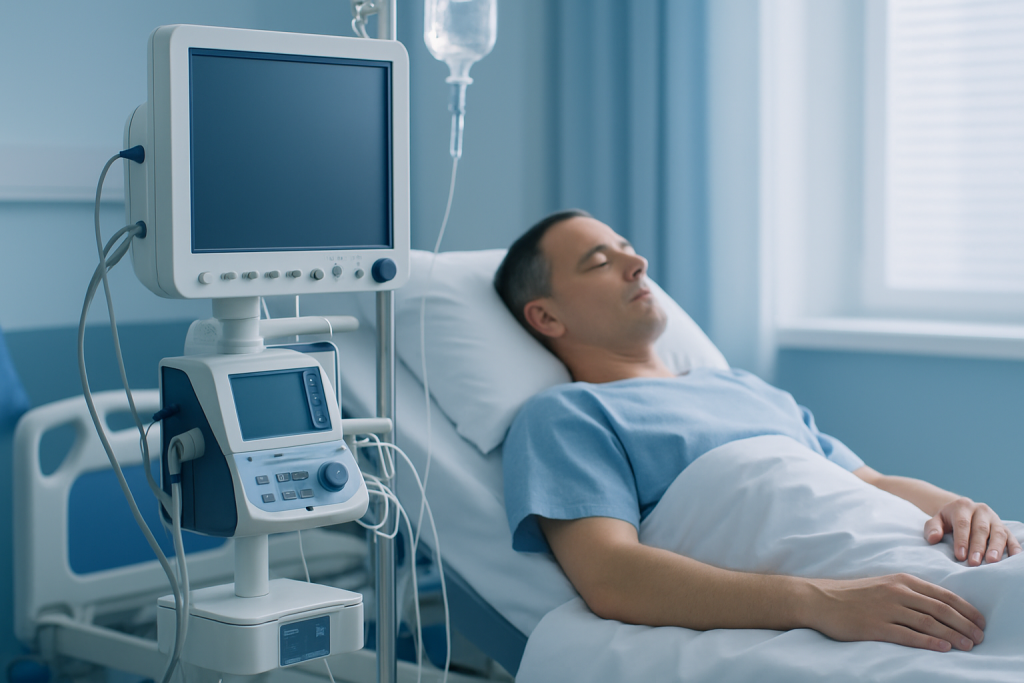
Many hernia repairs are performed as day surgery or with a single overnight stay, though this is decided case by case. In the first 24 to 48 hours, most people feel sore, bloated and tired. Discomfort is usually described as a dragging, pulling or bruised sensation around the repair rather than sharp pain. Care teams typically encourage short, gentle walks around the room or hallway on the day of surgery, because early movement helps the lungs, the bowels and circulation.
Common and expected in week one:
- Bruising and swelling around the incisions — in groin hernia repair, this can extend into the scrotum or labia and look alarming while still being normal.
- Shoulder-tip discomfort for a day or two after laparoscopic surgery, caused by the gas used to create working space.
- Constipation, often related to anesthesia, pain medication and reduced movement.
- Broken sleep, low appetite and a general sense of being wiped out.
Pain control, wound care and shower instructions vary by surgeon and dressing type, so written discharge instructions should be followed exactly rather than general advice found online. Driving is usually off the table while taking sedating pain medication or while unable to perform an emergency stop comfortably. Most teams ask patients to avoid lifting anything heavier than a few pounds during this period and to support the abdomen with a hand or pillow when coughing or sneezing.
Weeks 2 and 3: Returning to Daily Routine

By the start of week two, many people notice a clear turning point: less need for pain medication, easier movement in and out of bed, and a return of normal appetite. Incisions are usually closed and drying, and any dissolvable stitches are quietly doing their work. Fatigue often lingers, and it is common to manage a full morning of activity and then need a rest in the afternoon.
This is typically when desk-based or remote work becomes realistic, sometimes on reduced hours at first. Jobs involving lifting, climbing, prolonged standing or driving heavy vehicles usually require a longer break, and the surgeon should specify this in writing for employers. Walking distances can be increased steadily — many teams suggest building up to 20 to 30 minutes of comfortable walking daily — while running, gym work, swimming and core exercises remain on hold.
Sensations during weeks two and three can be confusing. A tugging feeling, mild numbness near the incision, occasional twinges when turning in bed, and a firm ridge under the scar are all frequently reported as tissues heal and any mesh integrates. These usually settle over the following weeks. What should be improving, not worsening, is overall pain: a recovery that is going backward deserves a phone call rather than a wait-and-see approach.
Weeks 4 to 6: Exercise, Lifting and Work Clearance
Between weeks four and six, most people feel substantially normal for everyday life — shopping, cooking, light gardening, sexual activity and travel are usually comfortable again, subject to the surgeon’s approval. This is also when many surgeons review the patient and discuss lifting limits and a graded return to exercise. Some allow gentle cycling or light resistance work earlier; others prefer a longer wait, especially after open or complex repairs.
A sensible general approach to rebuilding activity looks like this:
- Reintroduce one new activity at a time and judge the response over 24 hours.
- Progress by comfort, not calendar — mild soreness that settles quickly is usually acceptable; sharp pain or swelling at the repair site is a signal to step back.
- Leave heavy lifting, contact sport and intense abdominal training until specifically cleared.
- Keep bowels regular and avoid straining, which puts direct pressure on the healing area.
Numbers circulated online about how much weight is “safe” at a given week can be misleading, because they depend on the repair performed. The only lifting limit that matters is the one given by the operating surgeon for that specific operation. Patients who work in construction, nursing, warehousing or the military often need a documented, staged return-to-duty plan.
Weeks 6 to 12 and Beyond: Settling Into Full Recovery
From around six weeks, most repairs are considered well healed, and the majority of patients describe feeling like themselves again. Even so, tissue remodeling continues for several months. Occasional pulling sensations after a long day, weather-related aching, or mild scar sensitivity can persist into the third month and are usually not signs of a problem. Numbness in a patch of skin near a groin incision may take months to fade and sometimes remains permanently without causing harm.
A small number of people experience discomfort that lasts beyond three months. This is worth raising rather than tolerating quietly, because there are assessment pathways and management options, from physical therapy and nerve-focused treatment to imaging when indicated. Similarly, a new bulge, a change in shape at the site, or symptoms resembling the original hernia should be examined; recurrence is uncommon but possible, and early review is easier than late review.
Long-term care is mostly about reducing pressure on the abdominal wall: maintaining a healthy weight, treating chronic cough or constipation, stopping smoking (which impairs wound healing), and lifting with technique rather than force. Patients who have had one hernia are sometimes more prone to another, so these habits are protective rather than optional.
What Is Normal and What Needs a Doctor
Distinguishing ordinary healing from a complication is the single most useful skill during recovery. Normal signals include gradually decreasing pain, bruising that fades from purple to yellow, mild swelling that improves with rest and elevation, and slow but steady gains in stamina. Abnormal signals tend to be sudden, escalating or accompanied by feeling unwell.
Prompt medical advice is appropriate for:
- Fever, chills, or increasing redness, warmth, hardness or pus-like drainage from an incision.
- Pain that worsens rather than improves, or is not controlled by the prescribed plan.
- Persistent vomiting, inability to pass gas or stool, or a swollen, tense abdomen.
- A hard, tender, irreducible lump at the hernia site.
- Calf pain or swelling, chest pain, or shortness of breath — these require emergency care.
Patients recovering far from the operating hospital should know exactly whom to call, at what hour, and in what language, before they need to. A written escalation plan is part of good surgical care, not an extra.
Planning Recovery When Surgery Is Arranged Away From Home
For anyone traveling for hernia repair, hernia surgery recovery time has to be planned alongside travel logistics rather than after them. The practical questions are consistent: how many nights are needed near the hospital before the surgeon signs off on travel, when the wound check happens, whether a follow-up appointment can be done by video once home, and who reviews the operative report locally. Airlines and surgeons commonly advise a period of observation after abdominal surgery before flying, with the exact interval decided individually — so return flights are best kept flexible or booked with change options.
Good coordination also covers the unglamorous details that shape comfort: accommodation within a short, low-effort journey of the hospital; a companion or interpreter for discharge instructions; a prescription and pain-management plan that is workable at the destination and at home; and copies of imaging, operative notes and mesh documentation in English for the primary care physician or general surgeon back in the United States. Patients who are unsure whether surgery is the right step at all can often obtain a written second opinion or an online consultation before committing to travel, and reasonable cost planning ranges — not fixed quotes — can usually be discussed in advance.
Acibadem Health Point coordinates this journey for international patients, connecting them with multidisciplinary surgical teams at JCI-accredited Acıbadem hospitals and helping arrange consultations, scheduling, interpreters and follow-up communication after the return home. Any decision about the type of repair, the timing of travel and the pace of recovery should always be made with a qualified surgeon who has examined the patient and reviewed the imaging.
Frequently asked questions
01How soon can someone go back to work after hernia surgery?
Many people with desk-based or remote jobs return within one to two weeks after a minimally invasive repair, often starting with reduced hours. Physically demanding work involving lifting, climbing or heavy driving usually requires four to six weeks or longer. The surgeon should provide a written recommendation tailored to the specific operation and job duties.
02When is it safe to lift heavy objects again?
Lifting restrictions depend on the type of hernia, the repair technique and individual healing, so there is no single safe number of pounds. Most surgeons ask patients to avoid heavy lifting for several weeks and then reintroduce it gradually once reviewed. Straining before clearance can cause pain and discomfort, so the surgeon's specific instructions should be followed.
03Is it normal to still feel pulling or twinges six weeks after surgery?
Yes, intermittent tugging, twinges or scar sensitivity are commonly reported for several weeks to a few months as tissues remodel and any mesh integrates. What matters is the trend: sensations should gradually become less frequent and less intense. Pain that is increasing, constant or associated with a new bulge should be assessed by a doctor.
04How long after hernia surgery is flying usually possible?
Surgeons commonly advise a short observation period near the hospital before long-haul travel, with the exact interval decided case by case based on the operation and the patient's health. Airlines may also have their own guidance after abdominal surgery. Booking flexible return travel and obtaining written fitness-to-fly confirmation from the treating surgeon is the safest approach.
05Does laparoscopic hernia repair really recover faster than open surgery?
For many patients, minimally invasive repair is associated with less wound discomfort and an earlier return to daily activity, but this is not universal. Hernia size, complexity, previous surgery and overall health can influence the choice of technique and the pace of recovery. The best option is decided by the surgeon after examination and imaging.
06What signs after hernia surgery mean a doctor should be contacted right away?
Fever, chills, spreading redness or pus-like drainage from an incision, worsening pain, persistent vomiting, inability to pass gas or stool, or a hard tender lump at the surgical site all warrant prompt medical advice. Chest pain, shortness of breath, or calf swelling require emergency care. Having a clear contact plan before discharge makes this easier.
07Can a hernia come back after surgery?
Recurrence is uncommon but possible, and risk varies with hernia type, technique and individual factors such as smoking, obesity, chronic cough or constipation. A new bulge or the return of familiar symptoms should be evaluated rather than monitored at home. Maintaining a healthy weight and good lifting technique supports the long-term result.
This article is for general information only and is not a substitute for professional medical advice. Please consult a qualified doctor about your individual situation.
Explore treatments in Turkey — costs, top hospitals & a free quote
JCI-accredited · board-certified surgeons · reply within 24h
Add us as a Preferred Source to see more of our trusted health content across Google Search, AI Overviews and Discover.