Uneven Shoulders: Causes and When to Seek Help
Uneven shoulders are often related to normal body variation, posture habits, or muscle imbalance, but they can sometimes be a sign of a spinal curve, prior injury, or another musculoskeletal condition. A clinical assessment can identify whether the difference is temporary, functional, or needs further investigation.
Overview: What Uneven Shoulders Can Mean
Uneven shoulders means that one shoulder appears higher, lower, more forward, or more prominent than the other. This can be noticed in a mirror, in photographs, when clothing sits unevenly, or when a person feels that a backpack strap repeatedly slips from one side. In many people, mild shoulder asymmetry is a normal feature of body shape and does not cause symptoms or require treatment.
However, a visible difference can also develop because of posture, muscle imbalance, a shoulder or neck injury, unequal loading during work or sport, or changes in the spine. In children and adolescents, uneven shoulders can occasionally be one of the outward signs of scoliosis, a sideways curve of the spine. The important questions are whether the change is new or progressing, whether it is associated with discomfort or reduced function, and whether other body asymmetries are present.
Appearance alone cannot diagnose the cause. A clinician can examine posture, shoulder movement, muscle strength, the neck, and the spine to decide whether reassurance, rehabilitation, imaging, or referral is appropriate.
How to Recognize Shoulder Asymmetry
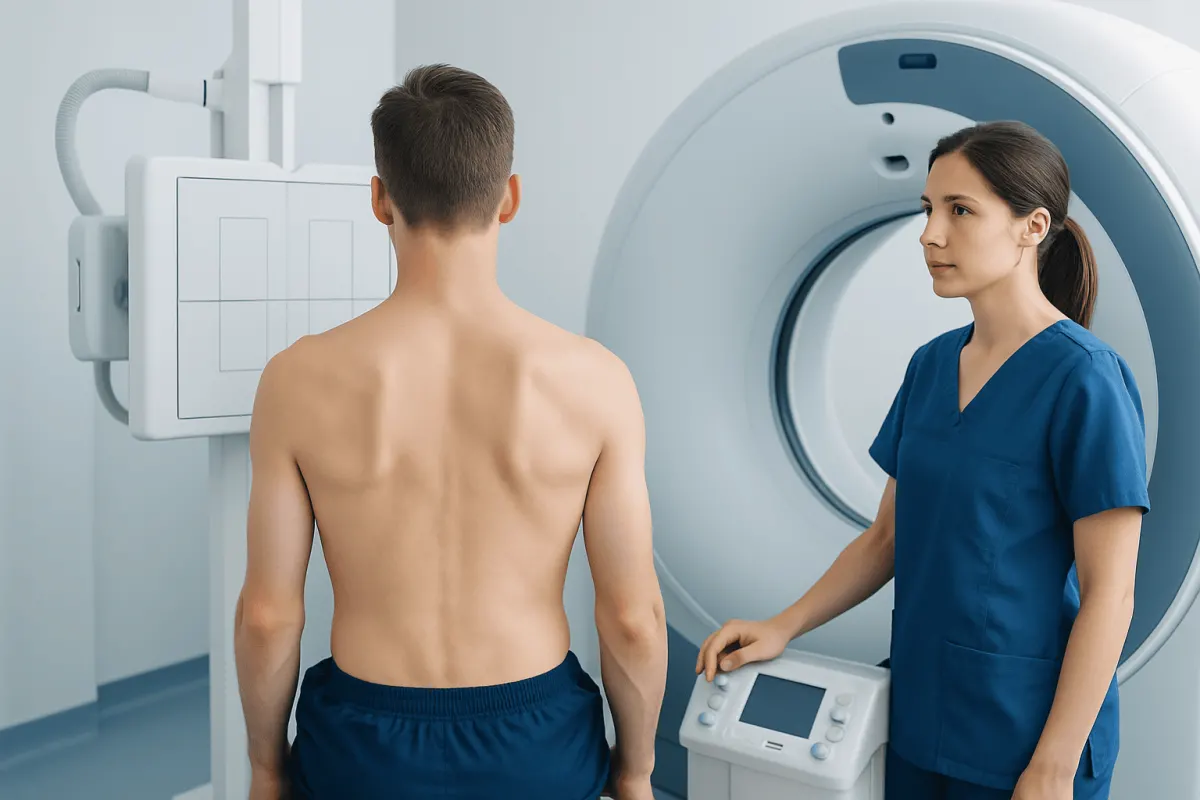
Shoulders should be viewed while the person is standing naturally, with both feet supported and arms relaxed. One shoulder may sit at a different height, but asymmetry can also involve the shoulder blade, collarbone, waist, hips, or the way the trunk rotates. A person may also notice one sleeve seeming shorter, a bra strap sitting differently, or a shirt neckline appearing tilted.
Functional symptoms are often more important than the visual difference. These may include neck or upper-back tightness, pain around the shoulder blade, restricted ability to lift an arm, fatigue with overhead activities, or discomfort after sitting at a desk. Some people compensate by leaning, lifting one hip, or holding their head slightly to one side, which can contribute to further strain over time.
In children and teenagers, family members may notice one shoulder blade or rib area becoming more prominent when the child bends forward. This observation does not confirm scoliosis, but it is a useful reason to arrange an assessment, particularly during periods of rapid growth.
- One shoulder becoming noticeably higher or more prominent
- Persistent neck, shoulder, or upper-back discomfort
- Uneven shoulder blades, waistline, or hips
- Reduced shoulder movement, weakness, or altered sensation
- A visible change that seems to be increasing over time
Common Causes and Contributing Factors
Postural habits are a frequent cause of apparent uneven shoulders. Long periods of sitting, leaning toward one side, using a phone or computer with the head turned, or repeatedly carrying a bag on one shoulder may tighten some muscles while others become less active. This can change how the shoulder blades rest against the chest wall and make the shoulders look uneven.
Muscle imbalance or tightness around the neck, chest, shoulder blade, and upper back may also contribute. This can occur with repetitive activities, an unfamiliar exercise routine, desk-based work, or poor recovery after a minor strain. A past injury to the shoulder, collarbone, ribs, neck, or upper back can similarly affect alignment, movement, and muscle control.
Spinal conditions are another consideration. A sideways spinal curve may cause one shoulder or hip to appear higher. Scoliosis is often identified in childhood or adolescence, although spinal curvature can also be diagnosed in adults. Other causes are less common but may include differences in leg length, joint problems, nerve-related muscle weakness, or inflammatory conditions affecting the spine or shoulder.
It is not usually possible to determine the cause simply by comparing shoulder height. A thorough history and physical examination help distinguish a flexible posture-related difference from a structural change requiring targeted care.
Clinical Assessment and Possible Tests
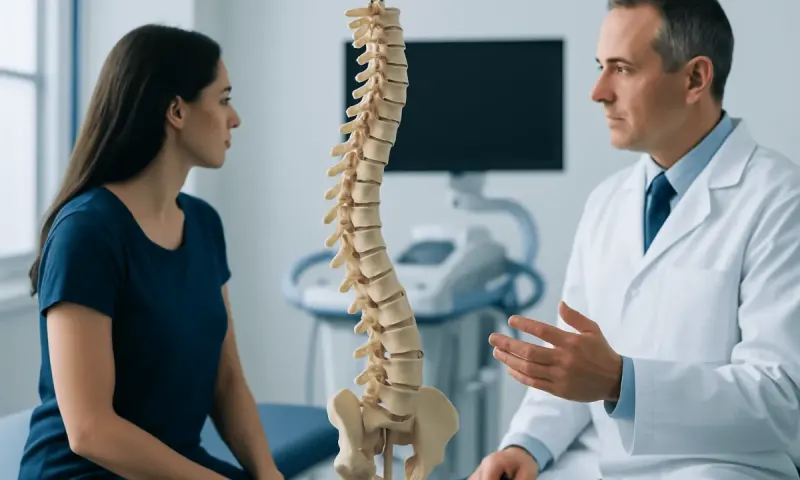
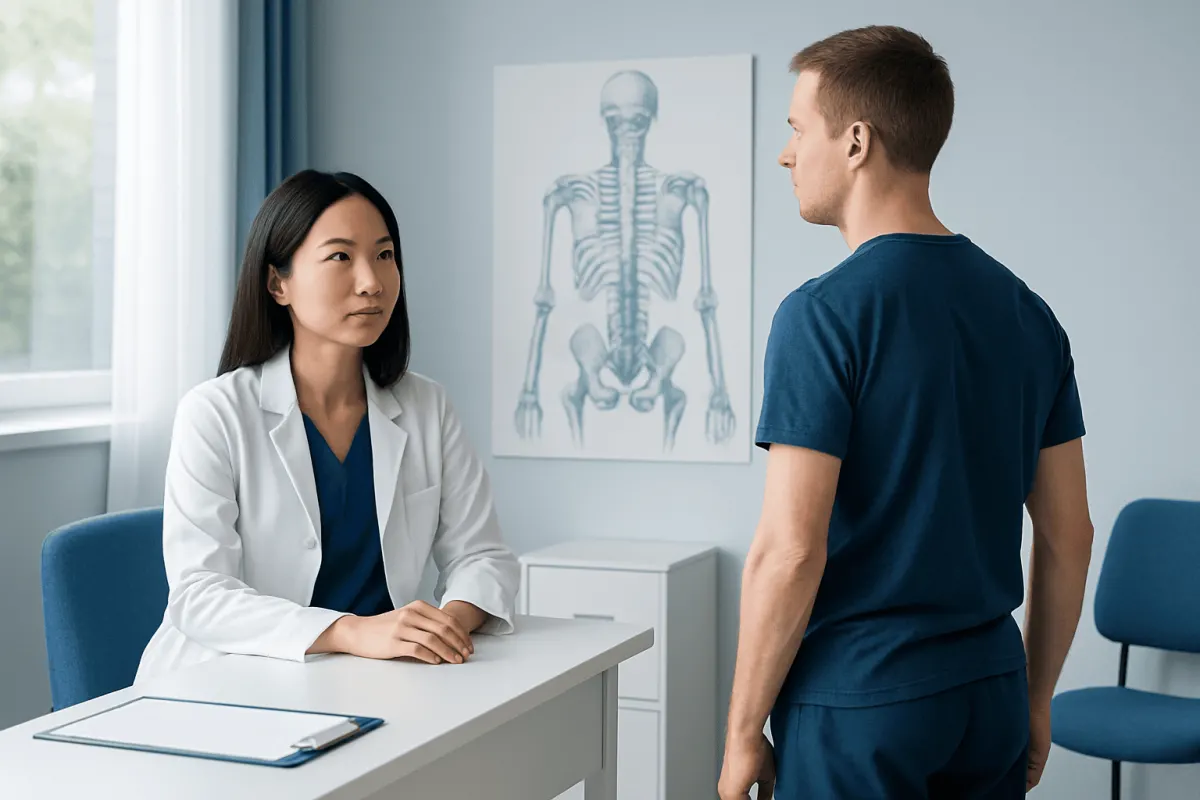
A doctor, physiotherapist, or musculoskeletal specialist will usually begin by asking when the unevenness was first noticed, whether it changes during the day, and whether pain, injury, numbness, weakness, fever, weight loss, or reduced activity is present. They may also ask about sport, work demands, growth history in younger patients, and any family history of spinal conditions.
The examination may include observing the person standing and walking, checking shoulder and neck range of motion, assessing muscle strength, and looking at the shoulder blades, spine, hips, and leg alignment. The clinician may ask the person to bend forward to assess for trunk rotation. They will also consider whether pain is coming from the shoulder itself, the neck, or the upper back.
Imaging is not needed for every person with uneven shoulders. X-rays may be used when a spinal curve, fracture, bony injury, or significant structural difference is suspected. Other imaging tests may be considered when symptoms suggest a soft-tissue, nerve, or joint problem. The choice of test should be guided by the clinical findings rather than appearance alone.
Treatment Options Depend on the Cause
When uneven shoulders are related to posture, muscle tension, or a minor strain, conservative care is often appropriate. This may include guided exercises to improve shoulder-blade control, strengthen the upper back and core, and gently improve flexibility in tight areas. A physiotherapist can tailor a program to the person’s symptoms, work demands, activity level, and movement pattern.
Simple adjustments may support recovery, such as taking regular movement breaks, positioning screens at a comfortable height, alternating the side used to carry items, and gradually returning to activities after an injury. Pain relief options may be discussed with a clinician or pharmacist when needed, particularly if the person has other medical conditions or takes regular medication.
If an underlying condition is identified, treatment focuses on that condition. For example, management of scoliosis may involve monitoring, targeted rehabilitation, bracing in selected growing children, or specialist discussion for more significant curves. Physical therapy and rehabilitation can be useful for many causes of shoulder and spine-related movement symptoms.
Acıbadem Health Point’s multidisciplinary specialists and JCI-accredited hospitals assess musculoskeletal and spinal concerns for international patients, with care planned according to the individual diagnosis and needs.
Prevention and Everyday Self-Care
Not all shoulder asymmetry can be prevented, especially when it reflects natural anatomy or a structural spinal condition. Still, everyday movement habits can reduce avoidable strain. Regular activity that develops general strength, mobility, and endurance supports comfortable shoulder and upper-back function.
Ergonomic changes can be helpful for people who work or study at a desk. The screen should be positioned so that the person does not repeatedly turn or bend the neck, and the chair and work surface should allow the shoulders to remain relaxed. Brief movement breaks throughout the day are often more useful than trying to maintain one rigid “perfect” posture for hours.
When carrying loads, use both backpack straps when possible and keep the load manageable. During exercise, gradually increase training intensity and pay attention to technique, especially with overhead movements. A person should avoid forcing a shoulder into a painful position or starting intensive corrective exercises without assessment if there is marked asymmetry, injury, or neurological symptoms.
When to Seek Medical Care
Arrange a routine medical assessment if uneven shoulders are new, becoming more noticeable, painful, or affecting daily activities. Children and teenagers should be checked if a parent, caregiver, or teacher notices uneven shoulders, a prominent shoulder blade, asymmetry of the waist or hips, or a possible spinal curve. Early assessment can clarify whether monitoring or specialist care is needed.
Seek prompt medical advice after a fall, collision, or other injury if there is a visible deformity, severe pain, bruising, swelling, or inability to move the arm normally. Urgent assessment is also important for shoulder asymmetry accompanied by new arm weakness, numbness, loss of coordination, fever, unexplained weight loss, chest pain, shortness of breath, or symptoms that rapidly worsen.
Most cases are not emergencies, and many improve with appropriate guidance. Still, a qualified clinician is best placed to identify the cause and recommend safe next steps, especially when the change persists or occurs with other symptoms.
Frequently asked questions
01Is it normal to have one shoulder higher than the other?
A mild difference in shoulder height can be normal and may not need treatment, particularly if it has always been present and causes no discomfort. If the difference is new, increasing, or associated with pain or limited movement, it is sensible to arrange a medical assessment.
02Can poor posture cause uneven shoulders?
Yes. Repeated leaning, prolonged desk work, carrying loads on one side, and muscle tightness can alter how the shoulders and shoulder blades rest. Improving movement habits and following a tailored exercise plan may help when posture is a contributing factor.
03Do uneven shoulders mean scoliosis?
Not necessarily. Uneven shoulders can have several causes, including normal variation, posture, muscle imbalance, and injury. However, they can be a visible feature of scoliosis, so children, teenagers, or adults with persistent asymmetry should be evaluated when a spinal curve is suspected.
04Can exercises fix uneven shoulders?
Exercises may improve shoulder position, strength, flexibility, and symptoms when the cause is functional, such as muscle imbalance or posture-related strain. They do not correct every structural cause, so an assessment is important before beginning a corrective exercise program.
05Should a child with uneven shoulders see a doctor?
Yes, a child should be assessed if uneven shoulders are noticeable, new, or accompanied by uneven hips, a prominent shoulder blade, or changes when bending forward. This allows a clinician to check for scoliosis and other possible causes during growth.
06What symptoms with uneven shoulders need urgent attention?
Urgent assessment is needed after significant injury, or if uneven shoulders occur with severe pain, inability to move the arm, numbness, weakness, breathing difficulty, chest pain, fever, or rapidly worsening symptoms. These signs may indicate a problem that should not be managed with self-care alone.
This article is for general information only and is not a substitute for professional medical advice. Please consult a qualified doctor about your individual situation.
Joint and spine care in Turkey — expert assessment & treatment
JCI-accredited · board-certified surgeons · reply within 24h
Add us as a Preferred Source to see more of our trusted health content across Google Search, AI Overviews and Discover.