Unable to Sleep: Common Causes and When to Seek Help
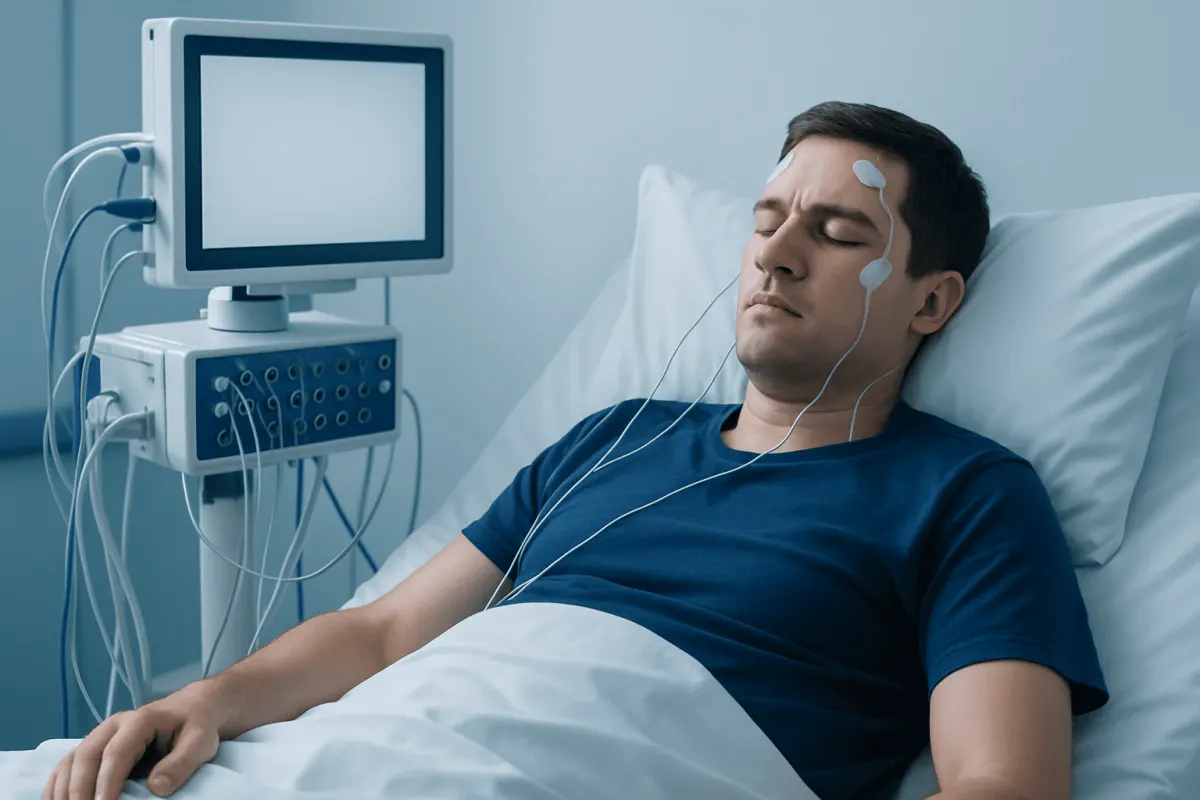
Being unable to sleep can happen occasionally during stressful periods, illness, travel or schedule changes. When difficulty falling asleep or staying asleep persists, affects daytime functioning, or causes worry about sleep, it may be a sign of insomnia or another health issue that can be evaluated and treated.
Overview: What Does It Mean to Be Unable to Sleep?
Being unable to sleep may mean taking a long time to fall asleep, waking repeatedly during the night, waking earlier than intended, or sleeping but not feeling restored. A difficult night from time to time is usually not harmful. However, sleep problems can become frustrating when they occur regularly and leave a person tired, irritable, unfocused, or less able to manage everyday responsibilities.
Insomnia is the medical term for ongoing difficulty with sleep despite having a reasonable opportunity to sleep. It may be short term, such as during an acute stressor or illness, or long term when it occurs at least several nights a week for months. Insomnia can occur on its own, but it can also develop alongside pain, anxiety, depression, breathing disorders during sleep, hormonal changes, or other health conditions.
Sleep needs vary by age and individual circumstances. Rather than focusing only on the number of hours slept, it is helpful to consider daytime wellbeing, alertness, mood, and safety. A person who is regularly unable to sleep should not assume that they simply need to “try harder”; effective assessment and practical treatments are available.
Common Sleep Patterns and Daytime Effects
Different sleep patterns can point to different contributing factors. Difficulty falling asleep may occur when the mind feels alert or worried at bedtime, after late caffeine use, or when the sleep schedule changes frequently. Waking many times can be associated with environmental disruption, pain, reflux, frequent urination, alcohol use, or breathing interruptions. Early-morning waking may sometimes accompany low mood, although it is not diagnostic by itself.
Daytime symptoms are important because they show how sleep loss is affecting health and function. These may include sleepiness, low energy, reduced concentration, forgetfulness, headaches, mood changes, slower reaction times, and reduced performance at work or school. People who are sleepy should take particular care when driving, using machinery, or doing tasks where alertness is essential.
A common cycle can develop: after several poor nights, a person may begin to worry about bedtime, spend extra time in bed, nap for long periods, or closely watch the clock. These understandable responses can unintentionally make sleep more difficult by reducing the body’s natural sleep drive and strengthening the association between bed and wakefulness.
Why Sleep Becomes Difficult

Many factors can contribute to sleeplessness, and more than one may be present at the same time. Emotional stress, grief, relationship difficulties, work pressures, examinations, financial concerns, and major life changes may temporarily increase alertness. Anxiety and depression can affect sleep as well, while prolonged poor sleep can also worsen emotional wellbeing.
Daily habits and surroundings matter. Irregular wake times, long or late naps, shift work, jet lag, bright screens close to bedtime, late-night work, noise, uncomfortable temperatures, nicotine, alcohol, and caffeine can all interfere with sleep. Although alcohol may make a person feel sleepy initially, it often fragments sleep later in the night.
Physical causes can include chronic pain, asthma or other breathing problems, reflux, thyroid disease, menopause-related symptoms, neurological disorders, and frequent nighttime urination. Some medicines and substances can also disturb sleep, including certain stimulants, decongestants, corticosteroids, and some treatments for mood or breathing conditions. A doctor or pharmacist can review medicines safely; prescribed medication should not be stopped without professional advice.
- Snoring, gasping, or breathing pauses may suggest obstructive sleep apnea.
- An urge to move the legs, especially in the evening, may suggest restless legs syndrome.
- Periods of unusually high energy, reduced need for sleep, impulsivity, or racing thoughts need prompt mental health assessment.
How Doctors Assess Ongoing Sleep Problems
A clinician will usually ask about the sleep pattern, including bedtime, wake time, naps, nighttime awakenings, snoring, daytime sleepiness, and how long symptoms have been present. They may also ask about mood, stress, work schedules, alcohol and caffeine intake, medical history, and all prescription, over-the-counter, and herbal products.
A sleep diary can be especially useful. For one to two weeks, a person may record when they go to bed, estimate when sleep begins, note awakenings, wake time, naps, caffeine or alcohol use, and daytime energy. This does not need to be perfect; it helps identify patterns that may not be obvious during a single appointment.
Testing is not necessary for everyone with insomnia. Depending on symptoms, a clinician may recommend blood tests, a mental health assessment, or a sleep study. Sleep studies are particularly useful when there is concern about sleep apnea, unusual movements or behaviors during sleep, or excessive daytime sleepiness. The aim is to identify treatable contributors rather than to judge a person’s sleep habits.
Treatment Options That Can Help
For persistent insomnia, cognitive behavioral therapy for insomnia, often called CBT-I, is widely recommended as a first-line treatment. It is a structured approach that helps a person change unhelpful sleep habits and thoughts about sleep. It may include setting a consistent schedule, reducing time spent awake in bed, learning relaxation skills, and addressing fear or worry about not sleeping. CBT-I may be provided in person, through guided programs, or through appropriately selected digital services.
Addressing an underlying cause is equally important. Treating pain, reflux, anxiety, depression, menopause symptoms, breathing disorders, or medication side effects may improve sleep. For suspected sleep apnea, clinical assessment and targeted treatment can reduce breathing interruptions and support better-quality sleep.
Sleep medicines may be considered for selected people, usually for a limited period and under medical supervision. They can cause side effects, next-day drowsiness, falls, dependence, or interactions with alcohol and other medicines. Over-the-counter sleep products and supplements are not risk-free either, especially for older adults, pregnant people, or those taking regular medication. A qualified clinician can help weigh potential benefits and risks.
Practical Self-Care for Better Sleep
Small, consistent changes are often more helpful than trying many new strategies at once. A regular wake time every day, including weekends when possible, helps anchor the body clock. Going to bed when genuinely sleepy rather than simply because it is a set time can reduce long periods of wakefulness in bed.
The bedroom should support sleep: quiet, dark, comfortable, and cool enough for personal preference. If a person is awake for a prolonged period and feels increasingly frustrated, it can help to leave the bed briefly and do a calm, low-light activity, such as reading something neutral, until sleepiness returns. Checking the clock repeatedly is best avoided.
During the day, regular physical activity and exposure to daylight can support healthy sleep timing. Caffeine is best limited later in the day, and nicotine and alcohol near bedtime should be avoided. Heavy meals, intense exercise, and emotionally demanding work immediately before bed may also be disruptive. Relaxing routines such as gentle stretching, slow breathing, a warm shower, or writing down next-day tasks can help create a transition into sleep.
Self-care can support sleep, but it is not a test of willpower. If these steps do not help after a few weeks, or sleep problems are significantly affecting wellbeing, professional guidance is appropriate.
When to Seek Medical Care
A person should arrange a medical appointment if they are unable to sleep most nights for several weeks, if poor sleep is affecting concentration, mood, work, school, relationships, or daily safety, or if they rely on alcohol or non-prescribed products to sleep. Medical advice is also appropriate when insomnia occurs with persistent pain, troublesome reflux, significant night sweats, or frequent nighttime urination.
Prompt assessment is important for loud snoring with choking or gasping, witnessed breathing pauses, severe daytime sleepiness, or falling asleep unintentionally. These symptoms can indicate a sleep-related breathing disorder. Urgent mental health support is needed if sleeplessness occurs with thoughts of self-harm, severe agitation, confusion, hallucinations, or a markedly elevated mood with little perceived need for sleep.
Acıbadem Health Point’s multidisciplinary specialists and JCI-accredited hospitals can assess sleep concerns and related medical conditions for international patients. An individualized evaluation can help clarify whether the main issue is insomnia, a sleep disorder, a medical condition, medication effects, or a combination of factors.
Frequently asked questions
01Why am I unable to sleep even when I feel tired?
Feeling tired does not always mean the brain and body are ready for sleep. Stress, worry, caffeine, an irregular sleep schedule, pain, and spending long periods awake in bed can all keep the body in an alert state. If this pattern continues, a clinician can help identify contributing factors.
02Is one sleepless night harmful?
An occasional sleepless night is common and usually does not cause lasting harm. It may lead to temporary tiredness, irritability, and reduced concentration the next day. Avoid driving or hazardous tasks if alertness is reduced, and return to a regular sleep routine rather than trying to compensate with long naps.
03Can anxiety cause insomnia?
Yes. Anxiety can make it harder to relax, may cause racing thoughts, and can increase physical alertness at bedtime. Insomnia and anxiety can also reinforce each other, so addressing both sleep habits and emotional wellbeing is often helpful.
04Should a person take melatonin when unable to sleep?
Melatonin may be useful in specific situations, such as jet lag or certain body-clock sleep disorders, but it is not the right treatment for every form of insomnia. Product quality, timing, other medicines, age, and medical conditions should be considered. A doctor or pharmacist can offer individualized advice before it is used regularly.
05What is the best bedtime routine for insomnia?
A helpful routine is calm, predictable, and repeated most evenings. It may include dimming lights, putting away work and screens, avoiding caffeine and alcohol late in the day, and doing a relaxing activity. The most important foundation is often a consistent wake time rather than forcing an early bedtime.
06How long should sleep problems last before seeing a doctor?
It is reasonable to seek advice sooner if poor sleep causes major daytime impairment, safety concerns, breathing symptoms during sleep, or worsening mental health. Otherwise, an appointment is recommended when difficulty sleeping happens regularly for several weeks or does not improve with practical routine changes. A doctor can assess for insomnia and other treatable causes.
This article is for general information only and is not a substitute for professional medical advice. Please consult a qualified doctor about your individual situation.
Persistent digestive symptoms? Get evaluated in Turkey
JCI-accredited · board-certified surgeons · reply within 24h
Add us as a Preferred Source to see more of our trusted health content across Google Search, AI Overviews and Discover.