Separation Anxiety in Babies: Signs and Support
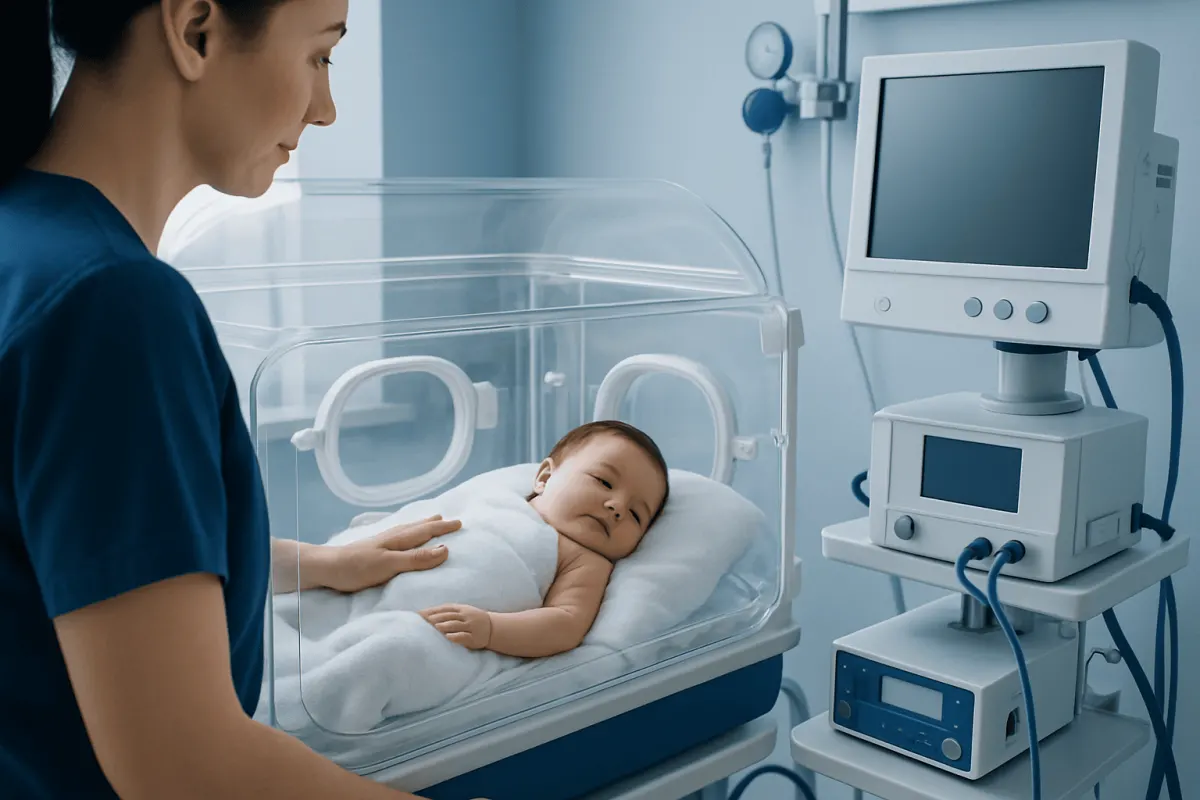
Separation anxiety in babies is a common and healthy developmental response in which an infant becomes upset when a parent or familiar caregiver leaves. It usually reflects growing attachment and memory skills, and most babies become more comfortable with brief separations over time.
Overview: What Separation Anxiety Means in Babies
Separation anxiety in babies is a normal developmental stage in which an infant becomes distressed when separated from a parent, familiar caregiver, or another person they know well. A baby may cry, reach for the parent, cling closely, or become unsettled at bedtime or when left with another trusted adult. This response is usually a sign that the baby has formed an important attachment and now recognizes that the parent can leave.
It often begins around 6 to 9 months of age, when babies develop stronger memory and begin to understand that people and objects continue to exist even when out of sight. Separation anxiety can vary greatly from one child to another. Some babies show only brief protests, while others have more intense reactions during particular periods, such as illness, travel, a new childcare arrangement, or other changes in routine.
For most families, this phase gradually improves as the child gains confidence that caregivers return and develops more language, independence, and coping skills. Supportive routines can make the experience easier without requiring parents to avoid all separations.
Common Signs and Everyday Patterns
A baby with separation anxiety may cry when a parent walks into another room, object when being handed to a relative, or become upset when a familiar caregiver leaves. Distress may also appear at childcare drop-off, when waking during the night, or when a parent is preparing to leave home. Babies may cling more than usual, want to be held frequently, or resist settling with someone else.
These behaviors often fluctuate. A baby who was comfortable with grandparents or a regular caregiver may temporarily become more hesitant, especially after a cold, disrupted sleep, travel, developmental changes, or time away from the usual routine. This does not necessarily mean that the caregiver relationship has changed or that the baby is regressing.
Separation anxiety is different from ordinary fussiness because it is closely connected to the departure or absence of a familiar person. It may overlap with stranger anxiety, when a baby is cautious around unfamiliar people. Both are common parts of social and emotional development, although the timing and intensity differ between children.
Why Separation Anxiety Develops
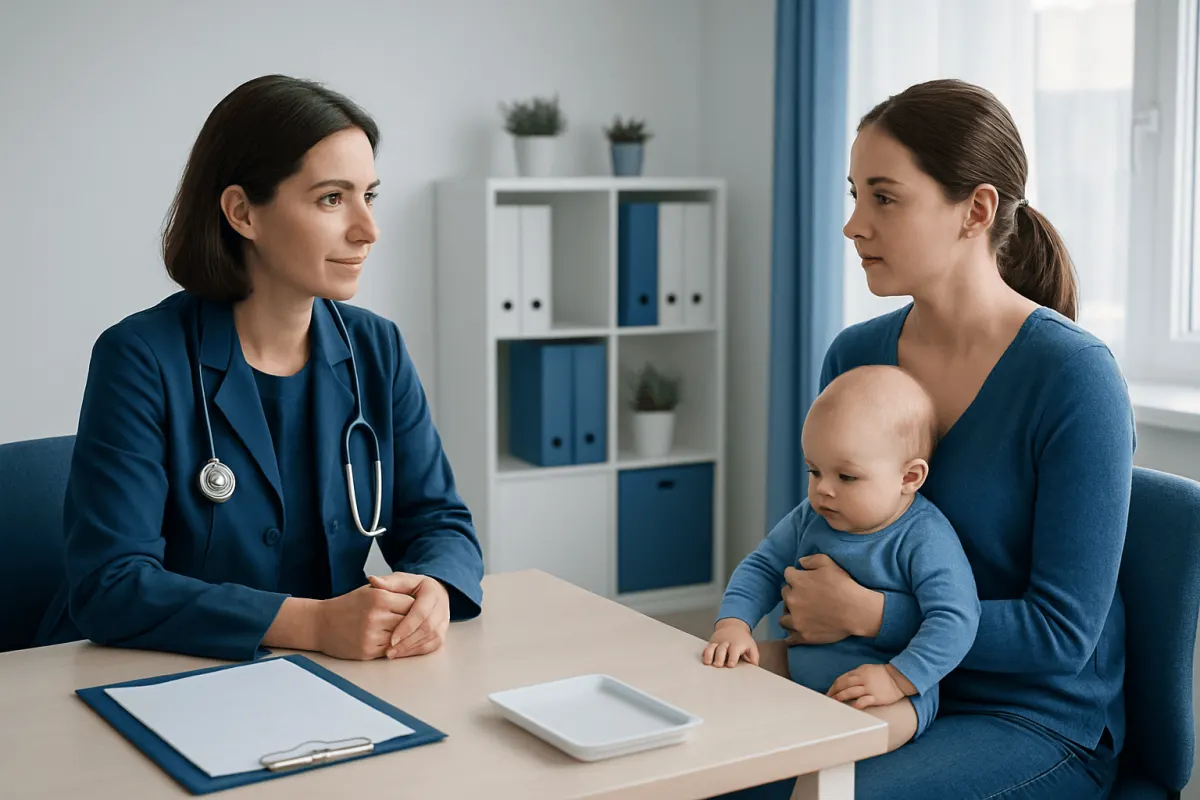
Separation anxiety develops as a baby’s brain and relationships mature. In early infancy, babies may not yet understand that a parent remains present when out of view. Later, as memory and awareness improve, a baby can recognize that a parent has gone but may not yet understand how long the separation will last or feel confident that the parent will return.
A secure attachment does not prevent separation anxiety. In fact, a baby who strongly prefers a familiar caregiver may be demonstrating a normal attachment bond. Comforting, responsive care helps children learn over time that their needs will be met and that separations are temporary.
Temperament can influence how strongly a baby reacts. Some infants are naturally more cautious, sensitive to change, or slow to warm up in new settings. Stressful changes, including moving home, beginning childcare, a new sibling, illness, or changes in a caregiver’s schedule, can temporarily make separation-related distress more noticeable.
Parents should not blame themselves for a baby’s separation anxiety. It is not usually caused by giving too much affection, holding a baby often, breastfeeding, or responding promptly to crying. The goal is to provide reassurance while gradually helping the baby tolerate short, safe separations.
Practical Ways to Help a Baby Feel Secure
Predictability is one of the most helpful tools. Before leaving, a parent can use a short, calm goodbye such as, “I am going to the kitchen, and I will be back soon.” Although a young baby may not understand every word, the repeated tone and pattern can become reassuring. Long, emotional departures may accidentally increase tension, so brief and warm goodbyes are generally best.
Practicing very short separations at home can help. A parent might step into another room for a moment, then return as promised. Over time, separations can be lengthened gradually when the baby is calm and safe with another familiar adult. Peek-a-boo and hiding a toy under a cloth are also simple play activities that support the idea that something can disappear and return.
When using childcare or asking another caregiver to help, it may be useful to begin with short visits while the parent remains nearby. A familiar comfort item, such as a safe soft toy or blanket appropriate for the child’s age and sleep environment, may be helpful during waking transitions. Caregivers can also follow familiar feeding, play, and sleep routines where possible.
- Keep departures calm, brief, and consistent.
- Tell the baby goodbye rather than leaving secretly.
- Allow time for the baby to become familiar with new caregivers.
- Return when promised whenever possible.
- Offer comfort without criticizing or shaming the baby for crying.
It is understandable for parents to feel upset when a baby cries. However, leaving a baby with a trusted caregiver for necessary work, rest, appointments, or family responsibilities is not harmful. A calm caregiver response and a reliable reunion can help build confidence over time.
Sleep, Childcare, and Other Challenging Moments
Separation anxiety may become especially noticeable around sleep. A baby who previously settled easily may protest when placed in the crib or wake and call for a parent during the night. Parents can maintain a calming bedtime routine with familiar steps, such as feeding, a bath if desired, quiet play, a short story, and a consistent goodnight phrase. The approach should fit the baby’s age, feeding needs, and family circumstances.
For childcare drop-offs, a predictable handover is often more effective than repeatedly returning after saying goodbye. The parent can greet the caregiver warmly, offer a brief reassurance to the baby, and leave as planned. Many babies settle shortly after the parent leaves, even if the first few minutes are difficult. A caregiver can share updates about how long the baby took to settle and what was comforting.
Parents may wish to avoid making major changes to routines during a period of intense distress when that is possible. However, routine activities do not need to stop completely. Gradual exposure to safe, familiar separations can support adjustment, whereas avoiding every separation may make future transitions feel harder.
If nighttime distress is persistent, parents can discuss sleep routines with a pediatrician. Safe sleep guidance remains important: infants should be placed on their backs for sleep on a firm, flat sleep surface without loose bedding, pillows, or soft objects.
When Separation Anxiety May Need Further Assessment
Most separation anxiety in babies is temporary and does not require medical treatment. It is generally most reassuring when the baby can be comforted by a familiar adult, has periods of relaxed play and connection, and is otherwise feeding, growing, and developing as expected.
It may be helpful to speak with a pediatrician if a baby’s distress is unusually intense or prolonged, if the child cannot be soothed by any familiar caregiver, or if anxiety is seriously disrupting feeding, sleep, childcare attendance, or family functioning. A clinician can consider whether factors such as illness, pain, hearing difficulties, sleep problems, developmental differences, or family stress may be contributing.
In older children, anxiety that is severe, persistent, and significantly interferes with daily life can sometimes be part of an anxiety disorder. This is different from the expected developmental separation distress seen in babies. A qualified healthcare professional can assess symptoms in the context of the child’s age and overall development.
When to Seek Medical Care
Parents should arrange medical advice promptly if a baby’s behavior changes suddenly and is accompanied by signs of illness, such as fever, persistent vomiting, breathing difficulty, unusual sleepiness, poor feeding, dehydration, or apparent pain. A baby may become more clingy when unwell, and treating the underlying problem is important.
A pediatric assessment is also appropriate if there are concerns about delayed development, loss of previously acquired skills, limited response to familiar caregivers, problems with hearing or vision, or ongoing difficulty with feeding and sleep. These signs do not necessarily indicate a serious condition, but they deserve individualized evaluation.
Parents who feel overwhelmed, anxious, or unable to cope with a baby’s crying should seek support as well. A pediatrician, family doctor, or qualified mental health professional can help families develop practical strategies. Acıbadem Health Point’s multidisciplinary specialists and JCI-accredited hospitals can assess child health concerns and support international patients when further evaluation is needed.
Frequently asked questions
01At what age does separation anxiety start in babies?
Separation anxiety often starts between 6 and 9 months of age, although timing varies. It may become more noticeable during the second year of life, when children are mobile, more aware of their surroundings, and strongly attached to familiar caregivers.
02How long does separation anxiety in babies last?
It commonly comes and goes over several months rather than following an exact timeline. Most children gradually become more comfortable with separations as they gain confidence, language skills, and experience with reliable caregiver reunions.
03Should parents leave without saying goodbye to avoid crying?
It is usually better to say a brief, calm goodbye. Leaving secretly can make a baby less certain about when a parent may disappear, while predictable departures help the child learn that the parent leaves and returns.
04Can separation anxiety make a baby wake at night?
Yes. Babies may seek extra reassurance at bedtime or after waking during the night when separation anxiety is strong. A consistent, calming sleep routine and age-appropriate comfort can help, while persistent sleep problems should be discussed with a pediatrician.
05Does separation anxiety mean a baby is too attached to a parent?
No. Separation anxiety is usually a normal sign that a baby recognizes and relies on a familiar caregiver. Responsive care and secure attachment generally support a child’s growing confidence rather than causing unhealthy dependence.
06When is separation anxiety in a baby not normal?
A baby’s distress may need assessment when it is extreme, does not improve with familiar comfort, or significantly affects feeding, sleep, growth, or daily care. Parents should also seek medical advice if anxiety appears with illness symptoms, developmental concerns, or a sudden major change in behavior.
This article is for general information only and is not a substitute for professional medical advice. Please consult a qualified doctor about your individual situation.
Explore treatments in Turkey — costs, top hospitals & a free quote
JCI-accredited · board-certified surgeons · reply within 24h
Add us as a Preferred Source to see more of our trusted health content across Google Search, AI Overviews and Discover.