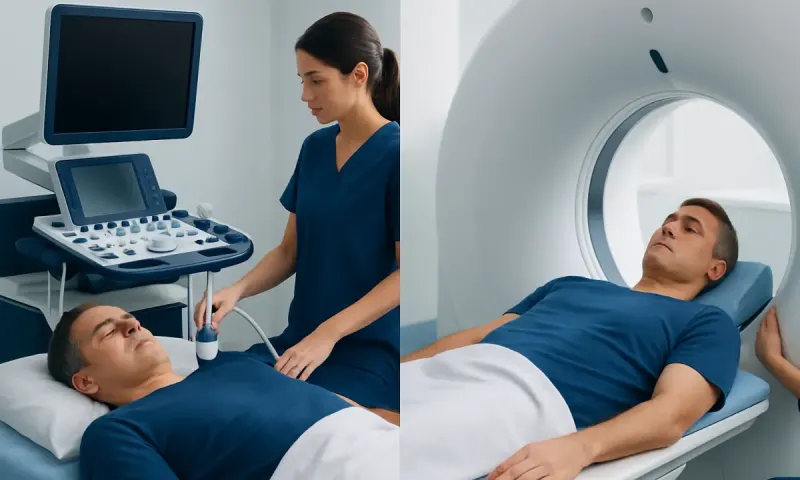
Ultrasound Treatments: How Sound Waves Are Used
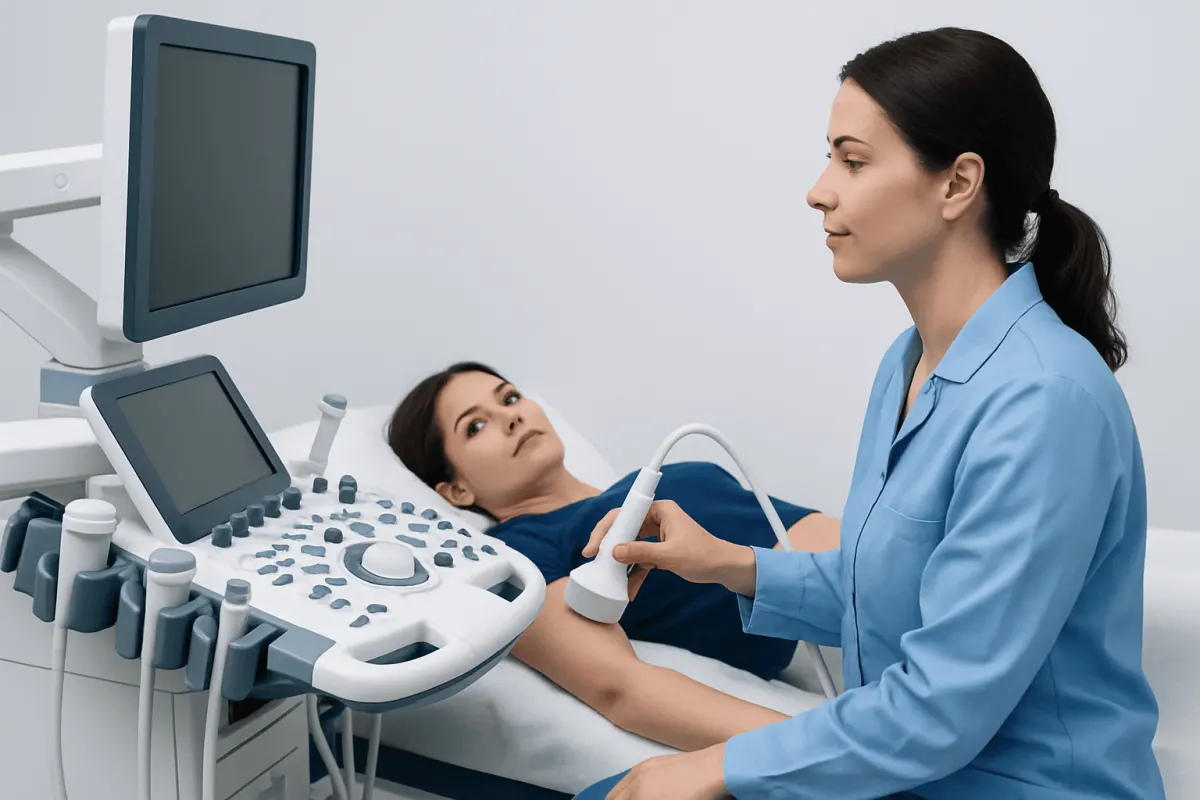
Ultrasound treatments may refer to diagnostic scans or therapeutic procedures that use sound-wave energy to support healing, target tissue, or guide medical care. The procedure, recovery period and expected results vary greatly depending on why ultrasound is being used.
Overview: What Are Ultrasound Treatments?
Ultrasound treatments use high-frequency sound waves that are above the range of human hearing. Depending on the clinical purpose, these waves can create images inside the body, deliver controlled energy to tissue, or help clinicians perform procedures more accurately. Although the same term is often used broadly, diagnostic ultrasound and therapeutic ultrasound are different medical applications.
Diagnostic ultrasound, also called sonography, produces real-time images of organs, blood flow, pregnancy development, muscles and other structures. It does not use ionizing radiation. Therapeutic ultrasound uses sound-wave energy with the aim of producing a biological effect, such as gentle warming of selected soft tissues or disruption of a specific target in specialized focused-ultrasound procedures.
In rehabilitation settings, therapeutic ultrasound may be considered as one part of a wider care plan for some soft-tissue or musculoskeletal symptoms. It is not suitable for every condition, and research findings on its benefit vary by diagnosis and treatment approach. A clinician or physiotherapist should assess whether it is appropriate alongside exercise, activity modification, manual therapy, medication or other treatments.
Types of Ultrasound Treatment and What to Expect
External therapeutic ultrasound is commonly delivered through a handheld applicator placed on the skin with a gel. The gel helps sound waves pass efficiently from the applicator into the body. A session is usually performed in an outpatient setting and may take only a few minutes for the area being treated.
During rehabilitation ultrasound, a person may feel little at all or may notice gentle warmth. The clinician adjusts the settings according to the body area, the depth of the tissue and the treatment goal. Treatment should not be painful. The appointment may also include assessment, stretching, strengthening exercises, education about movement and a home rehabilitation plan.
Other ultrasound-based treatments are more specialized. High-intensity focused ultrasound, for example, concentrates energy at a planned target deeper within the body while aiming to limit effects on nearby tissue. It may be used for selected conditions in appropriately equipped centers. Ultrasound can also guide injections, biopsies and other procedures by helping clinicians see the target area in real time.
Preparation differs by procedure. For a simple external therapy session, comfortable clothing that allows access to the treatment area is generally helpful. For focused or image-guided interventions, the medical team may provide instructions about eating, drinking, medicines, transportation home or necessary tests beforehand.
Who May Benefit and Who Needs Extra Caution?
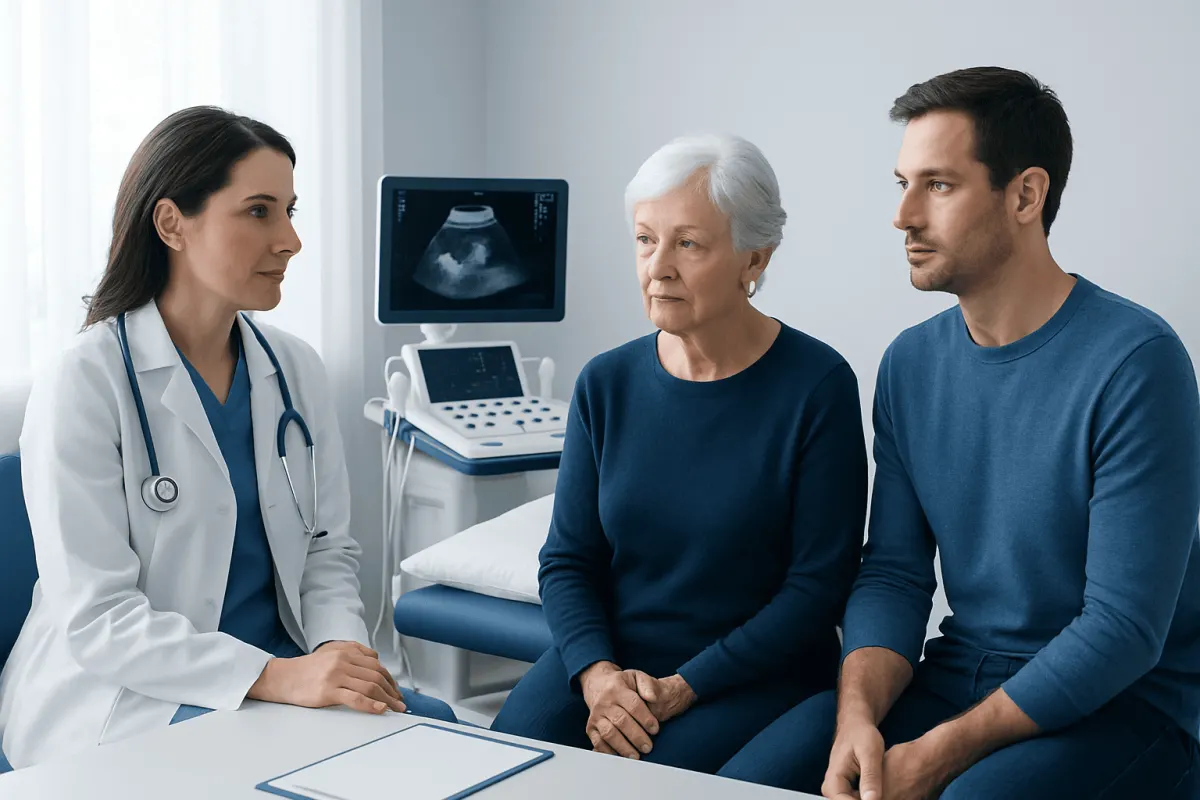
The possible role of ultrasound treatment depends on a clear diagnosis. In rehabilitation, it may sometimes be used for tendon, ligament, muscle or joint-related symptoms, often together with an active recovery program. It should not replace evaluation of persistent pain, sudden injury, loss of strength, numbness or reduced mobility.
Therapeutic ultrasound is not appropriate over every part of the body or for every person. The treatment provider should know about pregnancy, cancer history, implanted electronic devices, reduced sensation, circulation problems, active infection, bleeding risk, recent surgery and any metal implants. These factors do not always prevent treatment, but they may change the plan or mean another approach is safer.
Ultrasound should generally not be applied over areas where it could affect a developing fetus, over known or suspected cancer unless specifically directed by a specialist, over the eyes, over the heart, over growing bone in children, or over an area with impaired sensation without careful clinical judgment. The exact precautions depend on the type of ultrasound and the intended use.
A clinician may recommend a broader assessment for symptoms related to conditions such as arthritis or a tendon injury, since the most effective treatment often addresses the underlying cause rather than a symptom alone.
Recovery, Aftercare and Expected Results
Recovery after a routine external ultrasound therapy session is usually minimal. Most people can return to ordinary daily activities unless their clinician has advised temporary restrictions because of the injury or condition being treated. The underlying condition, rather than the ultrasound session itself, often determines how quickly someone can resume sport, work duties or heavier physical activity.
Some people experience temporary warmth, mild soreness or redness in the treated area. Applying the recommended rehabilitation advice, including gentle movement or prescribed exercises, may be more important for long-term progress than the ultrasound session alone. Resting completely for prolonged periods is not usually helpful for many musculoskeletal problems unless a clinician has specifically advised it.
Recovery after focused ultrasound or an ultrasound-guided intervention can be different. There may be a short observation period, activity limitations, medication instructions or follow-up imaging depending on the procedure. Patients should follow the written instructions from their treatment team, as these are tailored to the procedure and their medical history.
Acıbadem Health Point’s multidisciplinary specialists and JCI-accredited hospitals diagnose and treat conditions that may require ultrasound-guided or ultrasound-based care for international patients. The appropriate treatment plan should always be based on an individual medical assessment.
What Not to Do After Ultrasound Therapy?
After standard external ultrasound therapy, people should avoid actions that aggravate the treated injury, such as returning immediately to intense training, heavy lifting or repetitive movements that trigger pain. The therapist may recommend modified activity rather than complete inactivity. Following the rehabilitation plan and gradually increasing activity is generally safer than testing the area too quickly.
It is also sensible not to apply excessive heat, deep massage or other treatments to a newly irritated or unusually tender area unless the treating clinician has advised them. If the skin is red or sensitive, avoid scratching or exposing the area to strong heat until it settles. Do not change prescribed medicines or stop another treatment because of ultrasound therapy without consulting the clinician who manages the condition.
After a focused ultrasound procedure or ultrasound-guided intervention, restrictions may be more specific. Patients should not drive, drink alcohol, make important decisions or undertake strenuous activity if they have received sedation or if the care team has instructed otherwise. Any procedure-specific discharge guidance takes priority over general advice.
How Long Does It Take for Ultrasound Therapy to Work?
For rehabilitation ultrasound, results are not always immediate and vary according to the condition, severity, duration of symptoms and the rest of the treatment program. Some people may notice short-term easing of stiffness or discomfort, while others may not notice a change after one session. Improvement, if it occurs, is more often assessed over a series of appointments and through changes in function, movement and pain during daily activities.
Ultrasound therapy is usually considered an adjunct, meaning it may support rather than replace treatments with stronger evidence for many musculoskeletal conditions, such as guided exercise and progressive loading. If symptoms are not improving as expected, the clinician may reassess the diagnosis and modify the care plan.
Focused ultrasound procedures have different timelines. Their effects can develop over days, weeks or longer, depending on the tissue being targeted and the reason for treatment. Follow-up appointments are important because they allow the care team to assess both benefit and possible side effects.
Do You Get Results Immediately After an Ultrasound?
The answer depends on what type of ultrasound is meant. During a diagnostic ultrasound scan, the sonographer may obtain images immediately, but the formal interpretation is usually provided by a radiologist or another qualified clinician. The timing of results can vary by examination, clinical urgency and local workflow.
During therapeutic ultrasound, a person may feel temporary warmth or relaxation during or shortly after the session, but this does not confirm that the underlying problem has resolved. Meaningful recovery is better judged by gradual improvements in symptoms, mobility, strength and ability to carry out normal activities.
For focused ultrasound treatment, immediate technical feedback may be available to the clinical team, but the medical result may take time to become clear. Patients should ask their clinician what outcome to expect, when it is reasonable to evaluate progress and what follow-up tests, if any, are needed.
What Are the Negative Side Effects of Ultrasound Therapy?
When delivered correctly by a trained professional, external therapeutic ultrasound is generally well tolerated. Possible short-term effects include warmth, mild skin redness, temporary soreness or discomfort in the treated region. These effects should be mild and brief; treatment should be adjusted or stopped if it causes pain.
Uncommon but more significant risks can include skin irritation or burns if equipment settings are unsuitable, the applicator is not used correctly, or the treatment area has reduced sensation. Inappropriate use over certain tissues or medical conditions could potentially worsen an injury or affect sensitive structures. This is why treatment should be based on an assessment rather than self-directed use.
Focused ultrasound and ultrasound-guided procedures have their own potential risks, which depend on the body area and technique. These may include pain, swelling, bruising, temporary nerve-related symptoms, bleeding, infection or effects on nearby tissue. The treating specialist should explain the relevant benefits, alternatives and risks before the procedure.
When to Seek Medical Care
Medical advice is important for severe pain, sudden swelling, inability to bear weight or use a limb, numbness, weakness, fever, a rapidly spreading rash, or symptoms that follow a significant injury. These signs can indicate a problem that needs assessment rather than continued self-care or routine therapy.
After an ultrasound-based procedure, patients should contact their care team promptly for increasing pain, persistent redness or swelling, drainage from an injection or procedure site, fever, new weakness, new numbness, shortness of breath or any unexpected symptom that concerns them. Emergency care is appropriate for severe symptoms or signs of a serious allergic reaction.
People whose symptoms persist, recur or interfere with sleep, work or normal movement should arrange a clinical review. A qualified doctor can identify the cause and discuss suitable options, which may include rehabilitation, physical therapy and rehabilitation, medication, imaging or referral to another specialist.
Frequently asked questions
01Is ultrasound therapy painful?
External therapeutic ultrasound should not be painful. Some people feel mild warmth, while others feel very little during treatment. Pain, burning or increasing discomfort should be reported immediately so the clinician can stop or adjust the treatment.
02Can ultrasound therapy heal an injury by itself?
Ultrasound therapy is usually used as one component of a broader treatment plan rather than as a stand-alone cure. For many muscle, tendon and joint conditions, guided exercise, gradual return to activity and addressing contributing factors are important parts of recovery. The right plan depends on the diagnosis.
03Can I exercise after ultrasound therapy?
In many cases, gentle or prescribed exercise is encouraged after treatment because it supports rehabilitation. However, strenuous exercise or movements that worsen symptoms may need to be limited temporarily. The treating clinician can advise which activities are safe for the specific condition.
04Is therapeutic ultrasound the same as a diagnostic ultrasound scan?
No. Diagnostic ultrasound uses sound waves to create images that help assess structures inside the body. Therapeutic ultrasound delivers sound-wave energy with the intention of affecting tissue, while focused ultrasound is a specialized treatment used for selected medical indications.
05How many ultrasound therapy sessions are needed?
The number of sessions varies based on the condition, treatment goals and response to care. A clinician should review progress rather than continuing treatment automatically. If there is no meaningful improvement, reassessment may be needed.
06Who should avoid ultrasound therapy?
Suitability depends on the treatment type and body area. People should tell their clinician about pregnancy, cancer, implanted devices, circulation or sensation problems, bleeding risks and recent surgery. A trained professional can determine whether ultrasound is safe or whether another treatment is more appropriate.
This article is for general information only and is not a substitute for professional medical advice. Please consult a qualified doctor about your individual situation.
Explore treatments in Turkey — costs, top hospitals & a free quote
JCI-accredited · board-certified surgeons · reply within 24h
Add us as a Preferred Source to see more of our trusted health content across Google Search, AI Overviews and Discover.