Turkish Hair Transplant Before and After: Procedure, Benefits, Risks and Recovery

Key Takeaways
- A hair transplant changes the appearance gradually; final results usually take months, not days.
- The right candidate has stable hair loss and enough healthy donor hair for transplanting.
- Common techniques include FUE and DHI, each with different recovery and planning considerations.
- Temporary swelling, shedding, and scalp sensitivity can be part of normal healing.
- Good aftercare, realistic expectations, and follow-up visits help support the best outcome.
A Turkish hair transplant before and after journey usually begins with a detailed consultation, then a follicle extraction and implantation procedure, followed by several months of healing before visible growth appears. The most useful results are not just about hair density, but about choosing the right technique, understanding recovery, and planning follow-up care from home if traveling internationally.
Overview
When people search for a turkish hair transplant before and after comparison, they are usually looking for two things at once: how the procedure is done and how natural the result can look over time. In practical terms, the “before” phase includes consultation, scalp assessment, and planning; the “after” phase is a gradual process of healing, shedding, regrowth, and long-term hair maintenance.
Turkey is a well-known destination for hair restoration because many international patients can access experienced teams, modern techniques, and coordinated travel care in one place. That convenience matters, but the medical details matter more. A successful result depends on candidacy, donor hair quality, the chosen method, and how carefully aftercare instructions are followed once the patient returns home.
Hair transplant surgery is not a quick fix for every type of hair loss. It is best viewed as a medical procedure that redistributes existing hair follicles from a donor area to thinning or balding areas. For many patients, the change is meaningful and confidence-restoring, but the outcome should be discussed in realistic, individual terms rather than as a guaranteed transformation.
What the before-and-after journey usually looks like
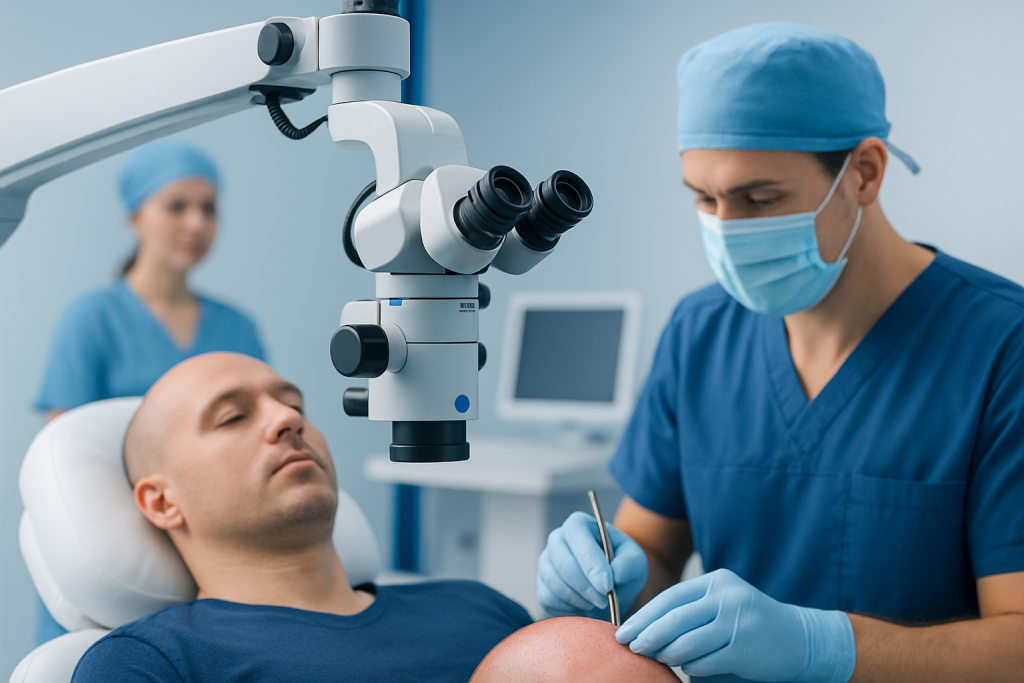
The “before” stage starts with pattern assessment. A clinician looks at where the hair is thinning, how much donor hair is available, the stability of the hair loss pattern, and whether other scalp conditions are present. Good planning also includes discussing the patient’s styling goals, hairline preference, and how much density can reasonably be created with available grafts.
During the procedure day, hair follicles are typically taken from the back or sides of the scalp, where hair tends to be more resistant to thinning. They are then prepared and placed into the thinning areas. Depending on the technique, this may be done with small recipient channels or with a more direct implantation approach. The process can take several hours, and patients usually go home the same day or after a short observation period.
The “after” phase is more subtle than many people expect. Early on, the scalp may look red or swollen, and some transplanted hairs may shed before new growth begins. That temporary shedding can be unsettling if it is unexpected, but it is often part of the normal cycle. The visible improvement usually develops over several months, with fuller cosmetic results appearing gradually rather than all at once.
Symptoms and signs after the procedure

In the first days after a hair transplant, mild tenderness, tightness, swelling, and small crusts around the grafts are common. The donor area may also feel sore or numb for a short time. These changes usually improve as the scalp heals, especially when the patient follows washing and sleeping instructions closely.
Another common feature of recovery is “shock shedding,” in which the transplanted hairs fall out before new ones begin growing. This does not mean the procedure has failed. The follicles themselves remain in the scalp, and new hair growth typically starts later in the recovery process.
Patients should stay alert for symptoms that seem different from normal healing, such as increasing pain, spreading redness, fever, discharge, or worsening swelling. These signs do not necessarily mean something serious, but they should be reviewed by a clinician promptly so that any problem can be addressed early.
Causes and risk factors that affect results
Hair loss has many causes, and a transplant works best when the pattern is stable and the underlying condition is understood. The most common reason for transplant surgery is androgenetic alopecia, also called pattern hair loss, which can affect men and women differently. In this setting, follicles are moved to areas where thinning has become more visible.
Several factors influence whether a patient is a good candidate and how natural the final appearance may be. These include donor hair density, hair texture, scalp laxity, the extent of baldness, age, and future hair-loss progression. A person with active or rapidly progressing hair loss may need a more cautious plan, because transplanted hair will not stop existing hair from continuing to thin.
Other conditions can complicate planning, such as alopecia areata, scarring alopecias, uncontrolled dermatitis, or medical problems that affect healing. Smoking, poorly controlled chronic disease, and inconsistent medication use can also increase risk. For this reason, a careful medical history is as important as the cosmetic discussion.
Diagnosis and consultation before a transplant
A good consultation is more than a brief look at the scalp. It usually includes a history of when hair loss began, family history, past treatments, medications, and any prior scalp surgery. The clinician may examine hair caliber, density, donor reserve, and the distribution of thinning with close visual inspection and magnification.
Some patients need additional tests if the cause of hair loss is not clear or if another medical issue is suspected. Blood work may be considered in selected cases, especially when diffuse shedding suggests nutritional, hormonal, or systemic contributors. The goal is not to over-test, but to make sure a transplant is being planned for the right type of hair loss.
For international patients, consultation also includes travel and follow-up planning. It helps to know how many days should be set aside for the procedure, when the first wash will happen, how remote review will work after returning home, and which local doctor can be contacted if an unexpected issue appears later.
Treatment options and procedure techniques
Hair transplant surgery is usually performed using follicular unit extraction (FUE) or direct hair implantation (DHI), though the exact approach depends on the clinic and the patient’s anatomy. In FUE, individual follicular units are removed from the donor area and then placed into tiny recipient sites. In DHI, extraction is followed by implantation using a specialized tool that can streamline placement in some cases.
Technique selection is not just a branding choice. It affects the distribution of grafts, the pattern of healing, the length of the procedure, and the type of aftercare needed. A well-planned hairline should match the person’s age, facial shape, and future hair-loss risk, rather than aiming for an overly low or dense line that may not age well.
Some patients also ask whether medications or adjunctive therapies can help after surgery. Doctors may discuss non-surgical options to support existing hair, but these should be individualized. A transplant is best understood as one part of a broader hair-restoration plan, not the entire treatment by itself.
Benefits, risks, and expected recovery
The main benefit of a hair transplant is durable redistribution of healthy follicles to thinning areas, which can create a fuller-looking hairline or improve crown coverage. For many patients, the biggest change is not only appearance but also how they style their hair and present themselves in daily life. Because the transplanted hair comes from the patient’s own scalp, the result can look and feel natural when planning and placement are done carefully.
As with any surgery, there are risks. These may include infection, bleeding, poor growth of some grafts, uneven density, scarring, temporary numbness, swelling, or an appearance that does not match the original plan. There is also the possibility that ongoing hair loss in untreated areas will continue, which can make future planning necessary.
Recovery is usually manageable, but it requires patience. Many people can return to low-key routines within a few days, while strenuous exercise, sun exposure, heavy sweating, and friction on the scalp should be avoided for the period recommended by the surgical team. Visible growth tends to appear gradually over months, with a more meaningful cosmetic picture forming later than patients often expect.
Prevention, self-care, and travel-friendly aftercare
After a Turkish hair transplant, the simplest self-care measures often make the biggest difference. Patients are usually advised to sleep with the head elevated at first, handle the grafts gently, and wash the scalp exactly as instructed. Picking at crusts or scratching the area can disturb healing and should be avoided.
Sun protection is important, especially for patients returning to warm climates or spending time outdoors during travel. A loose hat may be permitted at the appropriate stage, but timing should be confirmed by the treating team. Patients should also avoid smoking and be cautious with alcohol and intense physical activity while the scalp is still healing.
For people traveling internationally, written aftercare instructions are especially valuable. It helps to have clear guidance on when to resume normal shampooing, what is expected during shedding, how to recognize a problem, and how to send follow-up photos securely. This makes recovery more predictable even after the patient has left the clinic city.
When to see a doctor
A patient should contact the treating doctor if pain becomes more intense instead of improving, if redness spreads, or if there is discharge from the scalp. Fever, significant swelling, or sudden concerns about the donor area also deserve medical review. Prompt communication is usually the safest approach, even when the issue turns out to be minor.
It is also sensible to ask for review if the expected growth timeline seems unusually delayed or if the hairline looks uneven once the early healing phase has passed. Some concerns can be addressed with time, while others need an in-person or remote assessment to guide the next step.
Patients who are planning care abroad should ideally choose a center that offers structured follow-up. Acibadem Health Point can coordinate diagnosis and treatment for international patients through multidisciplinary specialists and JCI-accredited hospitals, with support that continues beyond the procedure day.
Frequently asked questions
01How soon will a Turkish hair transplant look normal after surgery?
The scalp usually looks its most noticeable in the first days because of redness, crusting, or mild swelling. The appearance then changes gradually as healing progresses and new growth begins over the following months. Final cosmetic improvement takes time, so early photos rarely reflect the end result.
02Is shedding after a hair transplant a bad sign?
Not usually. The transplanted hairs often shed before the follicles start producing new hairs, which is part of the normal growth cycle. What matters is whether the follicles remain healthy and whether the scalp heals as expected.
03Who is a good candidate for a hair transplant?
A good candidate typically has stable hair loss, enough donor hair, and realistic expectations about density and long-term maintenance. A doctor also checks for scalp conditions or medical issues that could affect healing or results. Not every pattern of hair loss is suitable for surgery.
04What is the difference between FUE and DHI?
Both methods involve moving hair follicles from a donor area to thinning areas, but they differ in how the follicles are placed. FUE usually involves creating recipient sites before implantation, while DHI uses a specialized implantation tool. The best choice depends on scalp features, goals, and the surgeon’s assessment.
05How long should an international patient stay in Turkey for a hair transplant?
The exact stay depends on the procedure plan, the first wash schedule, and how much in-person follow-up is needed. Many patients plan for a short trip that includes consultation, surgery, and early postoperative care. The treating team should outline the recommended timing before travel is booked.
06Can a hair transplant stop future hair loss?
A transplant can restore hair to selected areas, but it does not stop the underlying tendency for hair loss in non-transplanted hair. Some patients may need medical treatment or future planning to maintain a balanced appearance over time. That is why long-term follow-up matters.
This article is for general information only and is not a substitute for professional medical advice. Please consult a qualified doctor about your individual situation.
Hair transplant in Turkey — costs, graft counts & a free assessment
JCI-accredited · board-certified surgeons · reply within 24h
Add us as a Preferred Source to see more of our trusted health content across Google Search, AI Overviews and Discover.