Why Back Surgery Should Be Avoided?

Key Takeaways
- Most back pain improves without surgery, especially when there is no nerve damage or structural emergency.
- Surgery can help specific problems, but it does not guarantee complete pain relief and may require a long recovery.
- Non-surgical options often include activity modification, physical therapy, medicines, and guided injections.
- Back surgery is more likely to be considered when there is persistent nerve compression, weakness, instability, or a serious spinal condition.
- A careful second opinion can help patients understand whether surgery is truly the right next step.
Back surgery is not the first answer for many people with back pain because most cases improve with non-surgical care, and surgery carries its own risks and recovery demands. The decision is usually based on how severe symptoms are, what the scans show, and whether nerve function or quality of life is being affected.
Overview
When people ask why back surgery should be avoided, the most accurate answer is that it often is not the best first step. In many cases, back pain improves with time, movement-based therapy, and other non-surgical treatments, while surgery introduces new risks, a recovery period, and the possibility that pain may not fully disappear.
That does not mean surgery is “bad” or never appropriate. It means the decision should be tied to a specific diagnosis rather than to pain alone. A herniated disc, spinal stenosis, fracture, infection, or nerve compression may require surgery in some patients, but many episodes of common low back pain do not.
For international patients, the challenge is often deciding whether to travel for surgery at all. A clear diagnosis, review of imaging, and a discussion of realistic outcomes can prevent someone from flying home with the same pain, only now after an operation and rehabilitation needs. The most useful question is not simply whether surgery is available, but whether it is truly necessary.
Symptoms
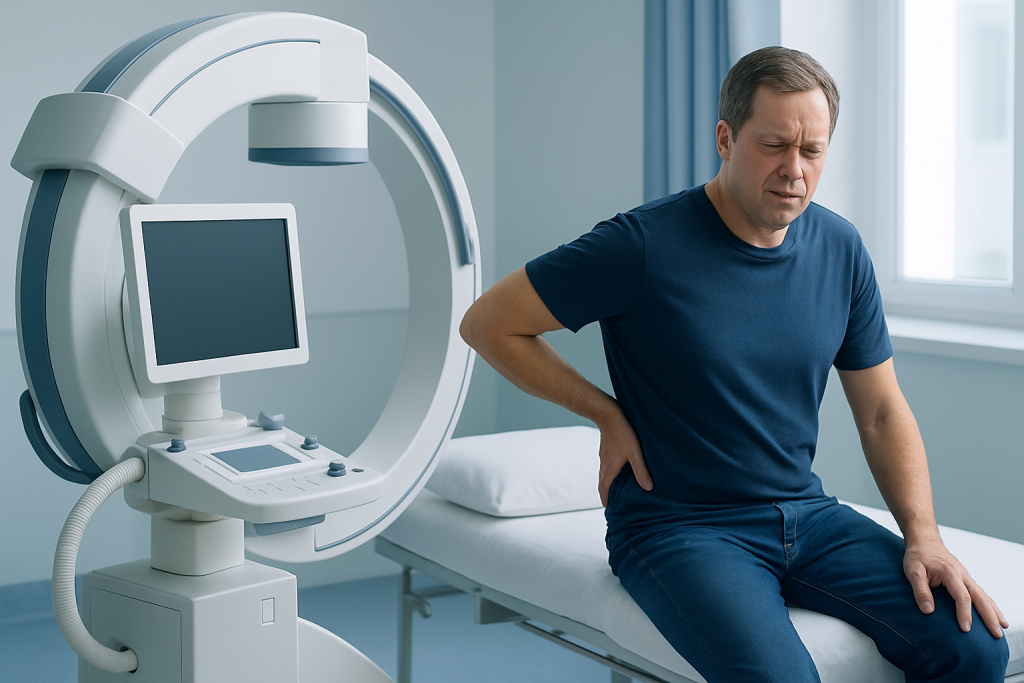
Back pain can feel similar across very different conditions, which is one reason surgery is sometimes considered too early. Muscle strain, irritated joints, disc changes, and nerve compression may all create aching, stiffness, or pain that worsens with certain movements.
Symptoms that matter most are those suggesting nerve involvement or a more serious spinal problem. These may include pain that shoots down the leg, numbness or tingling, weakness, difficulty walking, or pain that does not improve after a reasonable period of conservative care.
-
Common, often non-surgical patterns: local low back pain, stiffness after sitting, flare-ups with lifting, and pain that improves with rest or movement changes.
-
More concerning patterns: progressive weakness, loss of bladder or bowel control, fever with back pain, or pain after significant trauma.
Because symptoms overlap, patients often need a clinician who can separate ordinary pain from warning signs. That distinction helps avoid both unnecessary surgery and dangerous delays in treatment.
Causes & Risk Factors
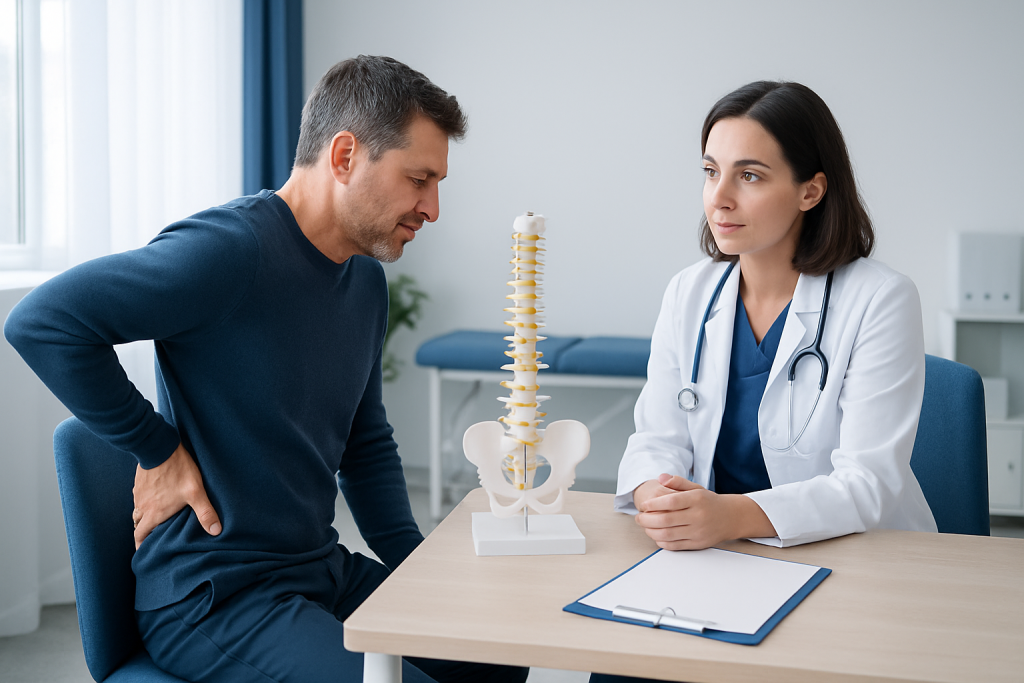
Back surgery is often avoided when the pain source is not something surgery can reliably fix. Mechanical back pain from strained muscles, irritated facet joints, deconditioning, or posture-related stress may respond better to rehabilitation than to an operation.
Even when imaging shows disc degeneration or a bulge, the scan does not always explain the pain. Many people have age-related spinal changes on MRI without symptoms, so an operation based only on imaging may not address the real problem.
Factors that can make surgery less appealing or less predictable include widespread pain, smoking, poorly controlled diabetes, obesity, severe osteoporosis, anxiety about recovery, and long-standing pain without a clear structural target. These issues do not automatically rule out surgery, but they can reduce the chance of a smooth result.
In practical terms, surgeons look for a clear match between the patient’s symptoms, exam findings, and imaging. When that match is weak, the safest path is often to continue with non-surgical care and reassess over time.
Diagnosis
Good decision-making starts with a careful diagnosis rather than a quick decision to operate. A clinician usually begins with a history of the pain, a physical examination, and questions about how the symptoms affect standing, walking, sleep, work, and travel.
Imaging such as X-rays, MRI, or CT scans may be useful, but they are interpreted in context. A scan can show narrowing, disc changes, or arthritis, yet those findings only matter if they explain the patient’s symptoms and examination.
When someone is considering surgery from another country, it is especially important to collect records before traveling. Prior imaging, reports, medication lists, and notes about physical therapy or injections can help the receiving specialist decide whether surgery is appropriate or whether another option should be tried first.
In some cases, a second opinion is valuable. It can confirm that surgery is necessary, or it can uncover a non-operative plan that was overlooked.
Treatment Options
The main reason back surgery should be avoided in many patients is that there are often effective alternatives. Non-surgical treatment aims to reduce pain, restore movement, and improve strength while giving irritated tissues time to settle.
Common options include guided physical therapy, activity modification, anti-inflammatory or other pain-relieving medicines when appropriate, heat or cold therapy, and injections in selected cases. A rehabilitation plan may also address core strength, posture, hip mobility, and safe lifting habits.
For nerve-related pain, surgery may still be helpful when there is clear compression and symptoms are persistent or worsening. Procedures such as decompression or stabilizing surgery can be important for some patients, but they are usually reserved for situations where conservative care has not worked or where function is at risk.
The key tradeoff is simple: surgery can address anatomy, but not every pain problem is purely anatomical. When the main issue is sensitivity, weakness, or deconditioning, rehabilitation often offers a better starting point.
Prevention & Self-care
People can lower the chance of needing back surgery by protecting spinal health early and responding to pain thoughtfully. Staying active, maintaining a healthy weight, and avoiding long periods of inactivity can reduce strain on the back over time.
Self-care is most helpful when it is steady rather than dramatic. This may include regular walking, a home exercise plan from a physiotherapist, ergonomic changes at a desk, careful lifting techniques, and smoking cessation if relevant.
-
Helpful habits: build core and hip strength, vary sitting and standing, use supportive sleep positions, and keep up with prescribed rehab exercises.
-
What to avoid: prolonged bed rest, self-medicating without guidance, repeated heavy lifting during a flare, and delaying evaluation when symptoms are getting worse.
For patients planning care abroad, preparation matters. Bringing prior records, arranging follow-up near home, and understanding post-treatment activity limits can make recovery safer and less stressful.
When to See a Doctor
Medical evaluation is important when back pain lasts more than a few weeks, keeps returning, or interferes with daily life. It is also wise to seek care if pain is spreading into a leg, if numbness or weakness appears, or if the pain is not improving with basic home measures.
Urgent assessment is needed for symptoms such as new bladder or bowel problems, rapidly worsening weakness, severe pain after trauma, fever with back pain, or loss of balance and coordination. These signs can indicate conditions that should not wait.
For patients already told they “need surgery,” another review can be valuable before making a final decision. A thoughtful specialist may confirm that surgery is the right choice, or may recommend a non-surgical path with close follow-up instead. Acibadem Health Point’s multidisciplinary specialists and JCI-accredited hospitals also diagnose and treat back conditions for international patients, with coordinated care that can help patients understand their options clearly.
Ultimately, avoiding unnecessary surgery is not about delaying care. It is about choosing the treatment that best matches the cause of the pain, the risks involved, and the person’s goals for recovery.
Recovery Expectations and Decision-Making
One reason back surgery is approached cautiously is that recovery can be more demanding than many patients expect. Even successful surgery may involve activity restrictions, physical therapy, time away from work, and a gradual return to normal movement.
Patients who travel for surgery should also think about practical recovery issues: where they will rest, who will assist them, how they will attend follow-up visits, and whether they can safely return home by plane or long-distance travel. These details matter because pain relief is only one part of the outcome.
A balanced decision weighs benefits against the burden of recovery and the chance that non-surgical care could still help. The right plan is individualized, and it is usually built by comparing the patient’s symptoms, scan findings, daily limitations, and personal preferences.
Frequently asked questions
01Why back surgery should be avoided in some cases?
Back surgery should be avoided when the pain is likely to improve with non-surgical care or when imaging does not clearly match the symptoms. Surgery also carries recovery time and risks that may not be worthwhile if the problem is mainly muscular, postural, or inflammatory. A specialist can help decide whether surgery is truly needed.
02Does back surgery always relieve pain?
No, surgery does not guarantee complete pain relief. It works best when there is a clear structural problem, such as nerve compression, that matches the patient’s symptoms. Some people improve greatly, while others still need rehabilitation and pain management afterward.
03What treatments are usually tried before surgery?
Doctors often start with physical therapy, activity changes, targeted medicines, and sometimes injections. The exact plan depends on the diagnosis and whether symptoms are mild, moderate, or worsening. Conservative care is often the best first approach for ordinary low back pain.
04When is back surgery more likely to be necessary?
Surgery becomes more likely when there is progressive weakness, nerve compression that does not improve, spinal instability, infection, fracture, or loss of bladder or bowel control. In those situations, surgery may protect function or prevent further harm. A doctor should assess these symptoms promptly.
05Is a second opinion worthwhile before back surgery?
Yes, a second opinion can be very helpful, especially if the diagnosis is uncertain or the recommended procedure is major. It can confirm the need for surgery or reveal another treatment path. This is especially useful for patients traveling internationally for care.
06How can someone prepare if they need treatment abroad?
Patients should gather imaging, reports, medication lists, and notes from prior treatments before traveling. They should also ask how recovery, follow-up, and return travel will be managed. Clear planning helps avoid surprises during the healing period.
This article is for general information only and is not a substitute for professional medical advice. Please consult a qualified doctor about your individual situation.
Joint and spine care in Turkey — expert assessment & treatment
JCI-accredited · board-certified surgeons · reply within 24h
Add us as a Preferred Source to see more of our trusted health content across Google Search, AI Overviews and Discover.