Free Flap Surgery: Procedure, Benefits, Risks and Recovery

Key Takeaways
- Free flap surgery transfers living tissue with its blood supply to rebuild a missing or damaged area.
- It is commonly used in reconstruction after cancer removal, severe injury, or tissue loss that needs durable repair.
- Success depends on careful planning, microsurgical skill, and close monitoring of blood flow after surgery.
- Recovery often takes weeks to months and includes wound care, activity limits, and follow-up visits.
- Risks include bleeding, infection, clotting in the flap vessels, and delayed healing, but many issues can be treated promptly if found early.
Free flap surgery is a reconstructive operation that moves tissue from one part of the body to another and reconnects its blood vessels under a microscope. It is used to restore form and function after cancer surgery, trauma, infection, or complex wounds.
Overview
Free flap surgery is a type of reconstructive surgery in which tissue is taken from one area of the body and moved to another area that needs repair. The tissue, known as a flap, is transferred together with its artery and vein, and those vessels are reconnected under a microscope so the tissue can survive in its new location.
This approach is different from a skin graft, which relies on the recipient site to grow new blood supply. A free flap brings its own circulation, making it useful when a wound is deep, exposed, complex, or has been affected by scarring, radiation, or infection. Surgeons may use muscle, skin, fat, bone, or a combination of these tissues, depending on the reconstruction needed.
For international patients, free flap surgery is often considered when local treatment options are limited or when the repair requires a specialist team. Planning usually includes imaging, a detailed discussion of the donor site and expected recovery, and coordination for follow-up after returning home.
Symptoms and Conditions That May Lead to Free Flap Surgery

Free flap surgery is not performed for a symptom on its own; it is chosen to rebuild an area after tissue has been removed or destroyed. People may be offered this operation after cancer treatment, especially in the head and neck, breast, mouth, jaw, or limb, where tissue restoration can help protect function and appearance.
It is also used after traumatic injuries, such as open fractures, crushed limbs, or major soft-tissue loss. Chronic wounds, severe infections, pressure injuries, and defects after previous operations may also need this kind of reconstruction when simpler measures are not enough.
In practical terms, the goal is to restore coverage, support healing, and improve movement, speech, swallowing, walking, or daily comfort, depending on the body part involved.
Causes and Risk Factors
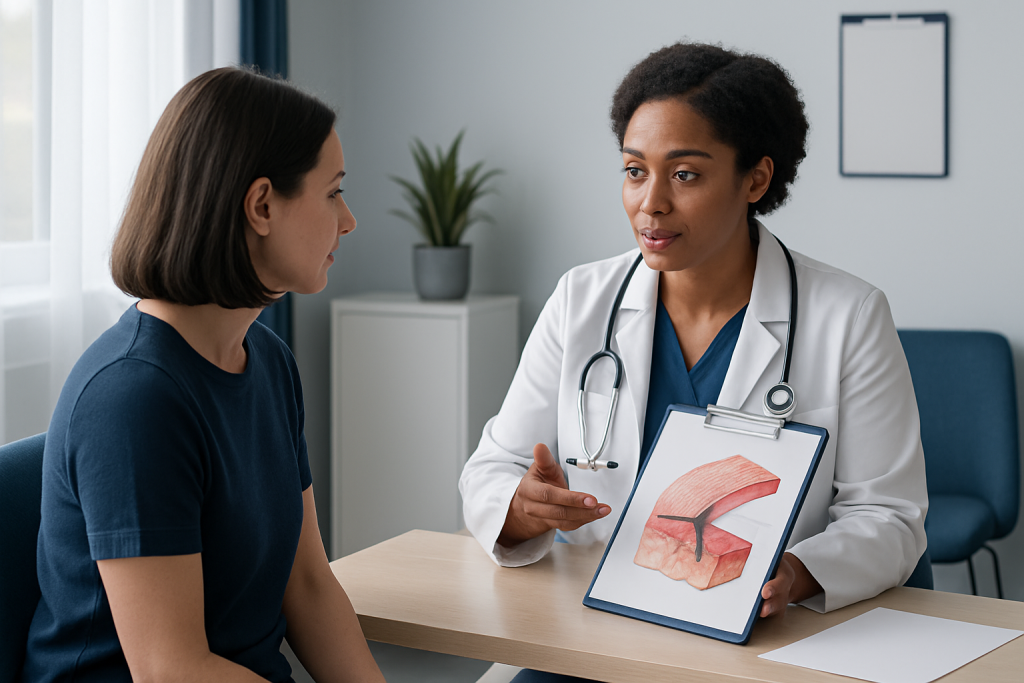
The need for free flap surgery usually arises when a defect is too large or too complex for standard closure, skin grafting, or local tissue rearrangement. Cancer surgery is a common reason, because removing a tumor can leave a wide area that needs durable reconstruction.
Certain factors can increase the chance that a person will need a free flap or influence how the team plans the operation. These include prior radiation therapy, repeated surgery in the same area, poor circulation, diabetes, smoking, obesity, vascular disease, and infections that damage tissue quality.
Risk factors also matter for flap survival. A surgeon will review blood vessel health, medications, clotting history, nutrition, and overall medical fitness before recommending surgery. This careful selection helps reduce complications and supports a safer recovery.
Diagnosis and Preoperative Planning
Before surgery, the reconstructive team studies the defect and the patient’s overall health in detail. This may include physical examination, imaging scans, blood tests, and sometimes vessel mapping to identify suitable donor and recipient blood vessels.
Planning is highly individualized. The surgeon considers the size and depth of the defect, whether bone, muscle, or skin is needed, and which donor site can be used with the least impact on daily function. The team also thinks ahead to rehabilitation, such as speech therapy, physiotherapy, or wound care, depending on the reconstruction.
For patients traveling from another country, preoperative planning often includes virtual consultations, record review, and discussion of how long to stay locally for surgery and early monitoring. Clear instructions about medicines, smoking cessation, nutrition, and practical arrangements can make the process smoother and more predictable.
Treatment Options: How Free Flap Surgery Is Done
Free flap surgery is performed in an operating room by a reconstructive surgeon, often with support from a microsurgical team. The surgeon removes the selected tissue from the donor site, keeps the blood vessels attached, and transfers it to the area being rebuilt.
Once in place, the vessels are connected to nearby arteries and veins using fine sutures under a microscope. The team then checks that blood is flowing through the flap and that the tissue is healthy. The donor site is closed or covered separately, and drains may be placed to help with healing.
Common flap types vary by the needed reconstruction. Some flaps provide skin and soft tissue, while others include bone or muscle. The right choice depends on the location, the amount of tissue needed, and the functional goals of surgery. After the operation, close monitoring is essential because the first hours and days are important for detecting any blood flow problems.
- Skin and soft-tissue flaps help cover exposed structures and fill dead space.
- Bone-containing flaps may rebuild areas such as the jaw or other skeletal defects.
- Muscle or composite flaps can restore coverage where infection, trauma, or complex wounds are present.
Benefits, Risks, and Possible Complications
The main benefit of free flap surgery is durable reconstruction using living tissue with its own blood supply. This can improve wound healing, protect underlying structures, and support better function than procedures that rely on less robust tissue replacement.
Many people value the ability to restore appearance and reduce long-term problems such as exposed bone, chronic drainage, or repeated breakdown of the wound. In some settings, free flap reconstruction can also improve speech, swallowing, chewing, or mobility, depending on the affected area.
As with any major operation, there are risks. These include bleeding, infection, wound separation, fluid collection, donor-site discomfort, and anesthesia-related complications. A specific concern in free flap surgery is vascular compromise, when the flap’s blood flow becomes narrowed or blocked. If this happens, urgent assessment is needed because prompt treatment may save the flap.
Some complications are temporary and manageable with medication, dressing changes, drainage, or a return to the operating room if necessary. The surgical team usually explains both the reconstruction plan and the backup options before surgery so the patient knows what to expect.
Recovery, Rehabilitation, and Self-care
Recovery after free flap surgery is gradual and often includes a hospital stay for observation, pain control, and monitoring of the flap’s color, warmth, and blood flow. The length of stay depends on the type of reconstruction, the patient’s medical condition, and whether any early healing issues occur.
At home, healing continues over several weeks. Patients are commonly advised to keep follow-up appointments, protect the donor and recipient sites, avoid heavy lifting or strenuous activity for a period of time, and follow wound-care instructions closely. If the operation was done for head and neck reconstruction, speech and swallowing therapy may be part of recovery; after limb reconstruction, physiotherapy may help restore strength and mobility.
Good self-care supports recovery. That includes eating enough protein and calories as advised, staying hydrated, avoiding smoking and nicotine, and watching for signs of infection or poor healing. Because patients may be recovering far from home, it is helpful to leave with written instructions, contact details for the surgical team, and a clear plan for local follow-up once travel is possible.
When to See a Doctor
Medical review is important if the flap or donor site becomes suddenly pale, blue, very cold, increasingly swollen, or more painful than expected. These changes can suggest a circulation problem or another complication that needs prompt assessment.
A doctor should also be contacted for fever, pus-like drainage, spreading redness, wound opening, unusual bleeding, shortness of breath, chest pain, or any new symptom that makes recovery seem off track. If the patient is traveling, it is wise to know in advance whom to contact both locally and at the surgical center.
People considering free flap surgery should seek evaluation from a reconstructive surgeon with microsurgical experience, especially when the defect is complex or prior treatment has limited other options. Acibadem Health Point’s multidisciplinary specialists and JCI-accredited hospitals diagnose and treat this condition for international patients with coordinated care from planning through follow-up.
Frequently asked questions
01What is free flap surgery used for?
Free flap surgery is used to rebuild areas that have lost tissue because of cancer surgery, trauma, infection, or another complex wound. The aim is to restore coverage and, when possible, improve function as well as appearance.
02How is free flap surgery different from a skin graft?
A skin graft is placed on an area and depends on new blood vessels growing in from the recipient site. A free flap brings its own blood supply and is connected to nearby vessels, which makes it more suitable for larger or more complicated defects.
03How long does recovery take after free flap surgery?
Recovery varies widely, but it usually takes weeks to months rather than days. The hospital phase is followed by wound healing, activity limits, and sometimes rehabilitation such as physiotherapy or speech therapy.
04What are the biggest risks of free flap surgery?
The most important flap-specific risk is loss of blood flow to the transferred tissue. Other risks include infection, bleeding, wound problems, donor-site discomfort, and anesthesia-related complications.
05Can free flap surgery fail?
Yes, although careful planning and monitoring help reduce the risk. If circulation problems are found early, the team may be able to correct them and protect the flap.
06Who is a good candidate for free flap surgery?
People with large or complex tissue defects, especially after cancer removal or major injury, may be candidates. The decision depends on overall health, blood vessel status, the size of the defect, and whether the benefits outweigh the surgical risks.
This article is for general information only and is not a substitute for professional medical advice. Please consult a qualified doctor about your individual situation.
Joint and spine care in Turkey — expert assessment & treatment
JCI-accredited · board-certified surgeons · reply within 24h
Add us as a Preferred Source to see more of our trusted health content across Google Search, AI Overviews and Discover.