Turkey Teeth in Turkey Cost 2026: Prices, Packages and What’s Included

Key Takeaways
- Quotes are normally built per tooth, so the total depends on how many units are treated, the material chosen and whether extra procedures such as root canal treatment, gum work or implants are needed.
- Package prices in Turkey are typically lower than comparable private UK fees, but the figure a patient sees online is an indicative starting band, not a personalised quote.
- A written, itemised treatment plan issued after a proper assessment — including X-rays or a scan — is more useful than any advertised headline price.
- Crowns and most veneers involve irreversible reshaping of natural teeth, so a second opinion and a discussion of conservative alternatives are always reasonable before committing.
- Accreditation such as JCI, verifiable dentist credentials and a clear written complications and revision policy matter more than cost alone.
- Most treatment plans require two visits or one longer stay, plus a realistic plan for check-ups and any repairs with a dentist in the UK.
“Turkey teeth” is the informal British nickname for extensive crown or veneer work carried out in Turkey, and the turkey teeth cost is almost always quoted per unit (per tooth) rather than as a single flat price. This guide explains how 2026 quotes are structured, what packages usually include, how to assess a provider, and how to plan recovery and aftercare once back in the UK.
What “Turkey Teeth” Actually Refers To
“Turkey teeth” is a media and social-media nickname rather than a clinical term. In practice it usually describes a full or partial smile makeover carried out abroad, most often using dental crowns — and sometimes veneers — placed across the upper and lower front teeth to change their colour, shape and alignment. Because the phrase covers several very different procedures, the turkey teeth cost quoted by one provider may not be comparable with another until the underlying treatment plan is understood.
The distinction matters. A veneer is a thin facing bonded to the front surface of a tooth, and can be relatively conservative depending on the technique used. A crown covers the whole tooth and requires more of the natural tooth structure to be reduced beforehand. Both are irreversible once the tooth has been prepared, and the restored teeth will need ongoing maintenance and eventual replacement over a lifetime. This is one reason many dentists in the UK and in Turkey encourage patients to consider whether orthodontics, whitening or composite bonding could achieve an acceptable result with less tooth reduction.
Patients travelling from the UK are therefore best served by treating the trip as a planned course of dental care rather than a shopping decision. That means an assessment first, a written plan second, and a price third — in that order. A qualified dentist should explain what is being removed, what is being replaced, and what the long-term maintenance commitment looks like before any preparation begins.
Turkey Teeth Cost in 2026: How Quotes Are Structured
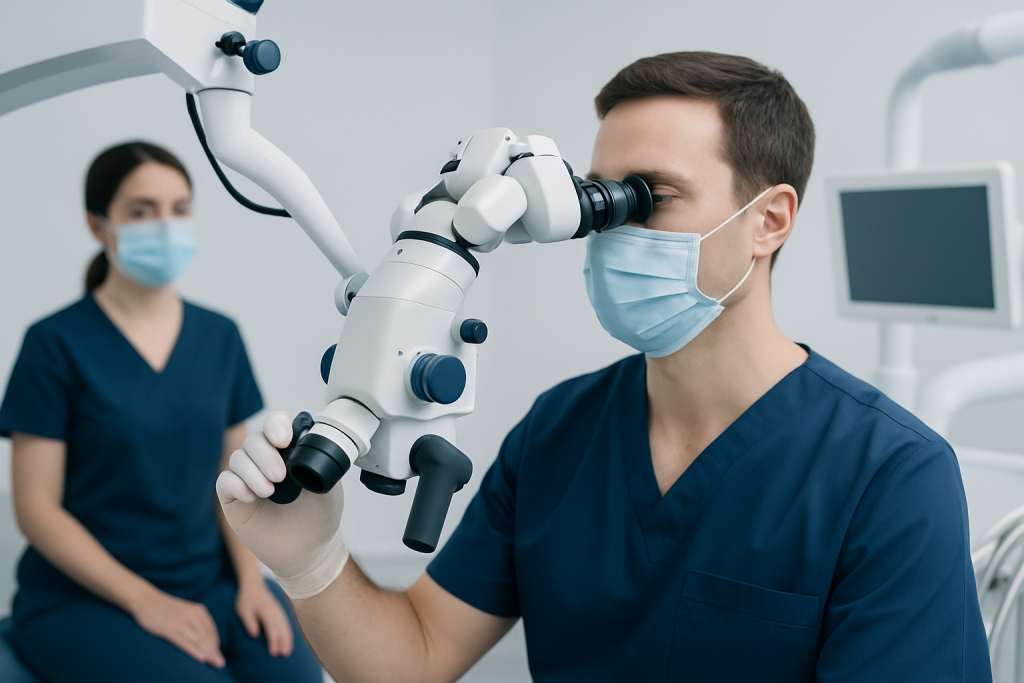
The turkey teeth cost is rarely a single number. Almost all clinics in Turkey price cosmetic dentistry per unit — that is, per crown or per veneer — and then multiply by the number of teeth in the plan. A patient treating only the visible upper front teeth will sit in a very different band from someone having sixteen or twenty units placed across both arches. Advertised “full mouth” figures usually assume a specific unit count, so it is worth checking exactly how many teeth that price covers.
Material is the second variable. Metal-ceramic crowns generally sit at the lower end of the range, monolithic zirconia in the middle, and layered zirconia or pressed glass-ceramic restorations towards the upper end, reflecting differences in laboratory work and optical properties. A third variable is the preparatory work: teeth that need root canal treatment, gum contouring, extractions, bone grafting or dental implants add separate line items. In some cases an implant-based plan is clinically more appropriate than crowning compromised teeth, and it is priced quite differently.
As general planning guidance, private cosmetic dentistry in Turkey is commonly quoted at levels below equivalent private fees in the United Kingdom, which is a large part of why the destination is popular. However, published price lists should be read as indicative starting bands only. Any responsible provider will decline to confirm a final figure until X-rays or a 3D scan have been reviewed and the mouth has been examined. Patients should also budget separately for flights, accommodation if not included, transfers, and a contingency for unforeseen additional treatment.
- Unit count — how many crowns or veneers the quote covers
- Material — metal-ceramic, zirconia or glass-ceramic
- Preparatory treatment — fillings, root canals, extractions, gum therapy
- Implants or bridgework — priced as separate components
- Non-clinical costs — travel, accommodation, transfers, food, time off work
What a Treatment Package Typically Includes

Most Turkish clinics present cosmetic dentistry as a package because international patients are coordinating travel at the same time as care. A typical package covers the clinical pathway — consultation and examination, diagnostic imaging, tooth preparation, temporary restorations, laboratory-made final restorations, fitting and adjustment appointments — plus a set of hospitality elements such as airport transfers, hotel nights and clinic transport. Interpreting support and a named coordinator are usually included for international patients.
Exclusions are just as important as inclusions. Flights are almost never part of the package. Additional procedures identified after the in-person examination — a root canal that was not visible on the initial photographs, for example — are typically charged separately. Night guards, which are often recommended to protect new restorations for patients who grind their teeth, may be an optional extra. So may follow-up scans, extended hotel stays if treatment takes longer than planned, and replacement temporary crowns.
Before travelling, it is reasonable to ask for the package in writing, itemised, with a clear statement of what happens financially if the plan changes mid-treatment. Patients should also ask what documentation they will be given at discharge: the material used, the shade, the laboratory, the treating dentist’s name, and copies of radiographs. That paperwork is what a UK dentist will want to see later, and it costs nothing to request.
Choosing a Provider: Accreditation and Clinician Credentials
Price comparison is only meaningful once quality and governance have been assessed. International accreditation is a helpful starting filter. Joint Commission International (JCI) accreditation indicates that a hospital or health group has been assessed against international standards covering patient safety, infection control, medication management and clinical governance. It is not a guarantee of any individual outcome, but it does signal that systems are externally reviewed.
Clinician credentials deserve equal attention. Patients can reasonably ask which dentist will carry out the treatment, where they qualified, whether they hold specialist registration in prosthodontics, periodontics or oral surgery where relevant, and how frequently they perform the specific procedure being proposed. A clinic that is comfortable naming the treating dentist in advance — and offering a video consultation with them rather than only with a sales adviser — is easier to assess than one that does not.
Other practical markers include: a written complications and revision policy; a stated approach to what happens if a restoration debonds or fractures after the patient returns home; clarity about whether the laboratory work is done in-house; and a willingness to discuss more conservative alternatives rather than defaulting to full-arch crowns. Patients should be cautious of any provider that discourages a second opinion, applies time-limited pressure to book, or promises a guaranteed cosmetic result. Reputable providers describe likely outcomes and risks, not certainties.
Planning the Trip: Consultations, Timing and Number of Visits
The patient journey normally begins remotely. Photographs, a description of the concern and any recent radiographs are reviewed, and an indicative plan with a cost band is issued. A video consultation is a valuable next step: it allows the patient to ask about materials, tooth reduction, alternatives and aftercare, and to see how questions are answered. Nothing discussed remotely is final — the definitive plan is confirmed in person after clinical examination and imaging.
Most crown and veneer plans are staged. A common pattern is one visit for examination, preparation and temporary restorations, followed by a period during which the laboratory fabricates the final restorations, and then fitting appointments. Some clinics complete this within a single extended stay; others prefer two separate trips with an interval in between, which can allow the gums to settle and the temporaries to be trialled. The number of visits depends entirely on the complexity of the case, so patients should ask early — it affects flight bookings, annual leave and total budget.
Coordination support usually covers visa guidance for those who need it, hotel booking, airport and clinic transfers, and interpreting. Patients should confirm who their point of contact is, how to reach them outside appointment hours, and what the plan would be if an unexpected medical issue arose during the stay. It is also sensible to check travel insurance terms, as many standard policies exclude planned treatment abroad; specialist medical travel cover may be needed.
Recovery, Travel Timing and Flying Home
Recovery from crown or veneer work is generally straightforward compared with surgical procedures, but the mouth does need time to settle. Temporary sensitivity to hot and cold, tender gums around the prepared margins, and an adjustment period while the bite is fine-tuned are all common. Patients are usually advised to eat softer foods initially and to avoid very hard or sticky items while temporaries are in place, as these can dislodge.
Flying itself is not usually a problem after routine restorative dentistry. However, if the plan has included extractions, implants, bone grafting or sinus procedures, the treating team may advise a specific interval before flying and may give additional instructions about pressure changes, blowing the nose, or avoiding strenuous activity. Patients should follow the instructions given by their own clinician rather than general advice found online, and should not book a tight return flight immediately after a final fitting appointment — leaving a buffer of at least a day or two allows time for adjustments.
Anyone who has had sedation or a general anaesthetic will need a longer window and, in many cases, a travel companion. Patients taking anticoagulants, those with diabetes, immune conditions or a history of endocarditis, and those who are pregnant should disclose this at the enquiry stage, because it can change both the plan and the timing. If pain, swelling, fever or bleeding occurs at any point, urgent contact with the treating clinic is appropriate rather than waiting until the flight home.
Aftercare Once Back in the UK
Aftercare is the part of the journey most often underestimated. New crowns and veneers require the same maintenance as natural teeth and arguably more attention at the gum margins: twice-daily brushing, interdental cleaning, and regular hygienist appointments. Restorations can chip, debond or wear over time, and the gum line can recede, so long-term monitoring by a dentist is essential regardless of where the work was carried out.
Before leaving Turkey, patients should collect their full clinical records and understand the follow-up pathway. Practically, this means knowing who to contact if something goes wrong, whether remote review by photograph is offered, what the clinic’s policy is on repairs or replacements, and whether returning to Turkey would be required. It is also wise to speak to a UK dentist in advance about whether they are willing to take on routine care and emergency repair of work carried out abroad, as practices vary in their approach and NHS availability for cosmetic restorations is limited.
Patients who grind or clench their teeth are frequently advised to wear a protective night guard. Those with a history of gum disease need that condition stabilised before, not after, cosmetic work. Keeping a simple record of the materials used and the shade selected makes any future repair much easier for a different clinician to match.
When to Speak to a Patient Coordinator
It is worth contacting a patient coordinator early — before flights are booked — rather than after a decision has been made. A coordinator can arrange for imaging and photographs to be reviewed by a dentist, organise a video consultation, explain what a realistic plan and cost band would look like for the individual case, and set out how many days the treatment is likely to require. That information often changes the shape of the trip.
Coordinators also handle the practical layer that patients cannot easily manage from the UK: appointment sequencing, hospital or clinic admission paperwork, interpreting, accommodation near the treatment site, transfers, and guidance on visa requirements where relevant. For patients with underlying medical conditions, they can ensure the relevant specialists are involved in planning. Second-opinion reviews are also a legitimate reason to make contact — including for patients who have already been quoted elsewhere and want the proposed plan reviewed independently.
Acibadem Health Point coordinates care for international patients across Acıbadem’s JCI-accredited hospitals and clinics, where multidisciplinary teams — including dental specialists working alongside colleagues in oral surgery and related fields — assess each case individually and set out the options in writing. Whichever provider a patient chooses, the same principles apply: seek an in-person assessment, insist on an itemised written plan, ask about alternatives and risks, and confirm the aftercare pathway before travelling. Anyone considering extensive dental work abroad should discuss it with a qualified dentist who knows their mouth and medical history.
Frequently asked questions
01Why is dental treatment in Turkey usually cheaper than in the UK?
The main drivers are lower operating costs, including staffing, laboratory work, premises and overheads, combined with a high volume of international patients. Lower price does not automatically mean lower quality, but it also does not guarantee quality. The most reliable indicators remain accreditation, verifiable clinician credentials, a proper in-person assessment and a clear written treatment plan.
02Can a clinic give an exact price before I travel?
A clinic can usually give an indicative band based on photographs and any radiographs supplied, but a definitive figure should only follow a clinical examination and imaging carried out in person. Additional treatment such as root canals, gum therapy or extractions may be identified at that point. Ask in advance how any changes to the plan would be priced and communicated.
03How long do I need to stay in Turkey for crowns or veneers?
It depends entirely on the complexity of the case and whether preparatory treatment is needed. Many plans are completed in one extended stay, while others are staged across two visits with an interval in between. Confirm the expected number of appointments with the treating dentist before booking flights, and allow a buffer day or two before the return journey.
04Are crowns and veneers reversible if I change my mind?
No. Preparing a tooth for a crown, and in most cases for a veneer, involves removing natural tooth structure that cannot be replaced. This is why a second opinion and a discussion of more conservative options — such as whitening, composite bonding or orthodontics — are worth having before treatment begins. A qualified dentist can explain what would be removed in each scenario.
05What happens if a crown breaks after I return to the UK?
Ask the clinic before travelling what its policy is on repairs, replacements and remote review, and whether returning to Turkey would be necessary. It is also sensible to check in advance whether a local UK dentist will take on emergency repairs of work carried out abroad. Keeping full records of the materials, shade and treating clinician makes any later repair considerably easier.
06Does JCI accreditation guarantee a good outcome?
No accreditation can guarantee an individual result. JCI accreditation indicates that an organisation has been externally assessed against international standards for patient safety and clinical governance, which is a useful filter when comparing providers. It should be considered alongside the specific clinician’s qualifications, experience with the proposed procedure and the clarity of the treatment plan.
07When should I contact a patient coordinator?
Ideally before booking flights or paying deposits. A coordinator can arrange a dentist review of your images, set up a video consultation, outline the likely length of stay and cost band, and organise accommodation, transfers and interpreting. They can also arrange a second-opinion review if you have already received a plan elsewhere.
This article is for general information only and is not a substitute for professional medical advice. Please consult a qualified doctor about your individual situation.
Explore treatments in Turkey — costs, top hospitals & a free quote
JCI-accredited · board-certified surgeons · reply within 24h
Add us as a Preferred Source to see more of our trusted health content across Google Search, AI Overviews and Discover.