Tummy Tuck Results: A Flatter Abdominal Contour
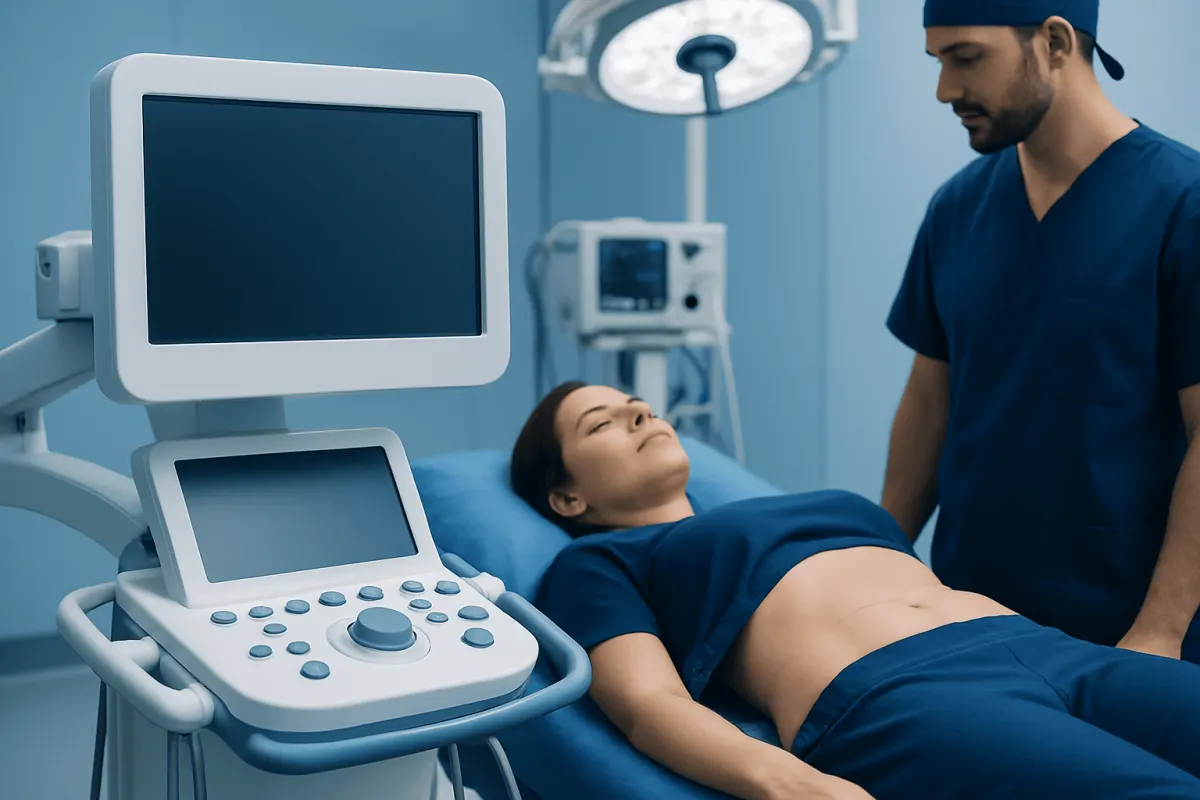
Tummy tuck results typically include a smoother, flatter abdominal contour and removal of loose lower-abdominal skin. Final results develop gradually as swelling settles and scars mature, usually over several months to a year.
Overview: What tummy tuck results can look like
Tummy tuck results are designed to improve the shape of the abdomen by removing loose skin and, in some cases, a limited amount of fat. The procedure, also called abdominoplasty, may also tighten the connective tissue of the abdominal wall when it has stretched or separated. Many people notice a flatter lower abdomen, smoother skin and a more defined waistline once healing progresses.
The outcome is individual. It depends on skin quality, the amount and location of excess tissue, abdominal muscle condition, prior scars, body weight and the type of procedure performed. A tummy tuck does not replace weight management, and it does not remove internal abdominal fat around the organs.
Visible changes begin immediately, but swelling can temporarily conceal the final contour. Most swelling improves over the first few months, while scar color and firmness may continue to change for 12 months or longer. A consultation for tummy tuck surgery can help clarify what contour changes are realistic for an individual body.
How a tummy tuck works and who may be a candidate
Abdominoplasty focuses on tissues between the skin and the abdominal wall. The surgeon makes an incision that is usually placed low on the abdomen so it can often be covered by underwear or swimwear. Excess skin is removed, and the remaining skin is redraped. Depending on the plan, liposuction may be used to refine areas such as the flanks, but it is not required in every operation.
When pregnancy, major weight changes or aging have stretched the central abdominal connective tissue, the surgeon may bring this tissue back together with sutures. This is sometimes described as muscle repair, although the rectus muscles themselves are generally not cut. Repair can improve the appearance of a bulge caused by diastasis recti, but it is not a treatment for all causes of abdominal enlargement.
Suitable candidates are generally in good overall health, close to a stable weight, do not smoke or can stop nicotine use as advised, and have realistic expectations. People considering future pregnancies or active weight-loss plans may choose to postpone surgery because these changes can affect the result. The surgeon also reviews medical conditions, medications, previous operations and any history of blood-clotting problems.
The procedure step by step
Before surgery, the surgical team reviews the treatment plan, marks the areas involved and confirms anesthesia arrangements. Tummy tuck surgery is commonly performed under general anesthesia. The specific approach may be a full tummy tuck, a smaller mini tummy tuck focused below the navel, or a more extensive procedure combined with contouring in other areas.
During a full tummy tuck, the surgeon makes a low abdominal incision and lifts the skin and fatty layer from the abdominal wall. If needed, stretched abdominal connective tissue is tightened. Excess skin is removed, the remaining skin is positioned downward, and a new opening for the navel may be created. Drains may be used temporarily in some cases, depending on the technique and surgeon preference.
The incision is then closed and dressings or a supportive garment may be applied. The operation and recovery plan vary with the extent of surgery and whether additional procedures are performed. Patients should ask their surgeon exactly which technique is planned, where scars are expected and what support will be needed after discharge.
Recovery timeline and how results settle
In the first days after surgery, discomfort, swelling, bruising and a feeling of tightness are expected. People often walk slightly bent at the waist at first to avoid stretching the incision. Short, frequent walks are usually encouraged as directed because movement supports circulation, but strenuous activity and lifting must be avoided during the early healing period.
Many people need help at home initially, particularly with childcare, meals and daily tasks. Return to desk-based work may be possible after a few weeks for some patients, while jobs involving physical effort require more recovery time. The treating surgeon gives individualized guidance about driving, exercise, lifting, showering, compression garments and follow-up appointments.
Contour changes are often easier to judge after several weeks, although swelling can fluctuate and may persist longer in certain areas. Scars are permanent, but they usually fade and soften over time. Protecting healing scars from sun exposure and following scar-care advice may help their appearance. Photographs taken at set intervals can provide a more reliable view of progress than daily mirror checks.
Benefits, limitations and possible risks
The potential benefits of a tummy tuck include removal of hanging or creased skin, a smoother lower abdominal profile and improved comfort in clothing. For people with an abdominal wall separation, repair may improve the feeling of central looseness and reduce the visible bulge associated with that separation. Some patients also find that skin irritation beneath an overhanging fold becomes easier to manage after excess skin is removed.
However, a tummy tuck has important limitations. It does not treat obesity, create a completely scar-free abdomen or guarantee symmetry. Stretch marks outside the section of skin removed may remain, and liposuction or muscle repair cannot eliminate all fullness caused by internal fat, bloating or underlying medical conditions.
Possible surgical risks include bleeding, infection, fluid collection, delayed wound healing, numbness, unfavorable scarring, uneven contour, persistent swelling, changes in navel appearance, anesthesia complications and blood clots. Nicotine use, diabetes, poor nutrition, obesity and certain medications can increase some risks. A qualified plastic surgeon can explain the individual risk profile and the measures used to reduce complications.
Questions people often ask about tummy tuck results
Can you tell if someone got a tummy tuck? Not necessarily. When the incision heals well and is placed low on the abdomen, it may be hidden by many styles of underwear or swimwear. A natural-looking result depends on careful planning, appropriate skin removal, scar healing and avoiding an overly tight or unnatural contour. Scars, a changed navel shape or a very smooth abdomen may be noticeable in some cases, especially early in recovery.
What happens if you lose 20 lbs after a tummy tuck? Moderate weight loss after healing may make the abdomen look leaner, but it can also leave new skin looseness depending on the amount lost, skin elasticity and the person’s starting weight. Losing 20 pounds may have little visible effect for one person and a larger effect for another. Reaching a sustainable weight before surgery is generally preferred when possible.
What I wish I knew before getting a tummy tuck? Many patients find it helpful to understand that recovery takes longer than the operation itself, swelling can last for months and a scar is an expected trade-off for removing excess skin. Planning practical support, allowing adequate time away from physical demands and maintaining stable expectations are important. It is also useful to discuss whether muscle repair, liposuction or another procedure is truly needed rather than assuming every tummy tuck includes the same steps.
Can your stomach still get big after a tummy tuck? Yes. Weight gain, pregnancy, bloating, constipation, aging and accumulation of internal abdominal fat can all make the abdomen larger after surgery. A tummy tuck improves the tissues treated at the time of surgery, but it does not prevent future body changes. Stable nutrition, regular activity and follow-up with a clinician for persistent abdominal swelling can help protect health and appearance.
Maintaining results and when to seek medical care
Long-term tummy tuck results are best supported by stable weight, balanced nutrition, regular physical activity once cleared by the surgeon and avoiding nicotine products. Pregnancy and substantial weight fluctuation can stretch the skin and abdominal wall again. People with symptoms of diastasis, a hernia or persistent abdominal discomfort should receive a medical assessment rather than relying on cosmetic surgery alone.
When to seek medical care: After surgery, urgent medical advice is needed for chest pain, shortness of breath, fainting, one-sided leg swelling or pain, rapidly increasing abdominal swelling, severe or worsening pain, heavy bleeding, fever, spreading redness, pus-like drainage or an opening in the incision. These symptoms do not always indicate a serious complication, but they should be assessed promptly.
Routine follow-up is important even when recovery appears to be progressing normally. Acıbadem Health Point’s multidisciplinary specialists and JCI-accredited hospitals diagnose and treat patients seeking abdominal contour procedures, including international patients. A consultation should include discussion of health goals, alternatives, expected scars, recovery needs and appropriate aftercare.
Frequently asked questions
01How long do tummy tuck results last?
Tummy tuck results can be long-lasting when body weight remains relatively stable. Aging still affects skin and body composition over time, and pregnancy or significant weight gain may alter the contour again.
02When will my stomach look flat after a tummy tuck?
The abdomen may look flatter immediately, but swelling commonly masks the final shape. Many people see progressive improvement over several months, while the final contour and scar maturation can take a year or longer.
03Does a tummy tuck remove all stretch marks?
A tummy tuck only removes stretch marks located on the skin that is removed, often the lower abdomen. Stretch marks above the navel or outside the excised area may remain, though their position may change as the skin is redraped.
04Is a tummy tuck the same as liposuction?
No. Liposuction removes localized fat but does not remove substantial excess skin or tighten separated abdominal connective tissue. A tummy tuck removes excess skin and may include liposuction or abdominal wall repair when appropriate.
05Will I have numbness after a tummy tuck?
Temporary numbness or altered sensation in the lower abdominal skin is common because small skin nerves are affected during surgery. Sensation often improves gradually, but some degree of long-term change is possible.
06Can exercise replace a tummy tuck for loose skin?
Exercise strengthens muscles and supports overall health, but it cannot reliably remove substantial loose skin or repair all abdominal wall separation. A clinician can help determine whether symptoms or contour concerns are related to skin, fat, muscle separation or another cause.
This article is for general information only and is not a substitute for professional medical advice. Please consult a qualified doctor about your individual situation.
Explore treatments in Turkey — costs, top hospitals & a free quote
JCI-accredited · board-certified surgeons · reply within 24h
Add us as a Preferred Source to see more of our trusted health content across Google Search, AI Overviews and Discover.