Seroma After Plastic Surgery: Fluid Swelling, Symptoms, and Treatment

A seroma after plastic surgery is a collection of clear fluid that can form in the space where tissue was lifted, removed, or reshaped. Most seromas are manageable with careful follow-up, but new or worsening swelling should always be assessed by a qualified surgeon.
Overview
A seroma after plastic surgery is a collection of serous fluid, a clear to pale yellow liquid that comes from blood vessels and lymphatic channels during healing. It forms under the skin in a space created by surgery, often called dead space. This can happen after procedures that lift or separate tissue, such as tummy tuck, breast surgery, body contouring, liposuction, facelift, or reconstructive surgery.
Seromas are not the same as pus or a blood clot. They are usually part of the body’s healing response, but they can delay recovery if they become large, uncomfortable, or repeatedly refill after drainage. Many small seromas settle gradually as the body absorbs the fluid, while others need medical care to remove the fluid and help the tissue layers seal together.
Patients should not try to drain a seroma at home. Even when the swelling seems simple, sterile technique and clinical judgment are important to avoid infection, bleeding, or injury to healing tissue. A surgeon can decide whether the seroma can be monitored or whether it needs treatment.
Symptoms of a Seroma
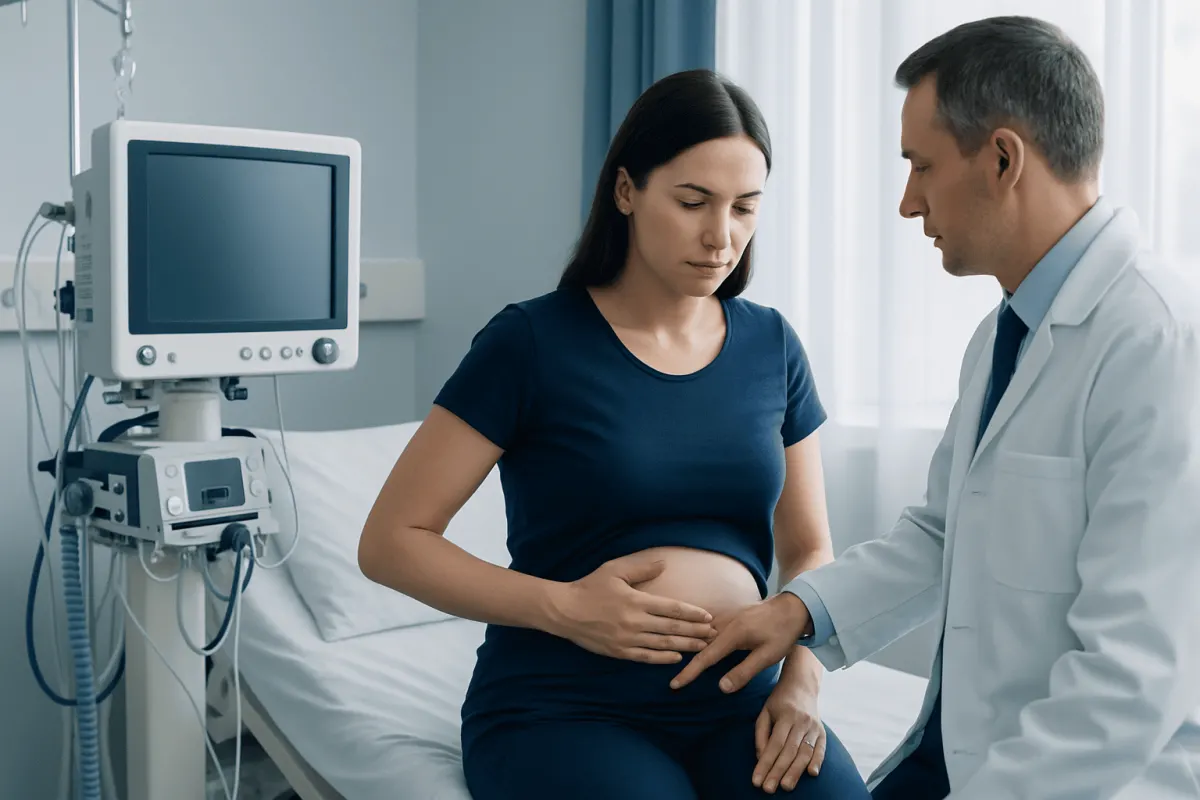
Seroma symptoms often appear several days to a few weeks after surgery, especially after drains are removed or activity levels increase. The swelling is commonly soft, smooth, and sometimes described as a water-filled pocket. It may feel different from ordinary postoperative swelling because it can shift or ripple when gently pressed.
Possible signs include localized swelling near the surgical area, a feeling of fullness or tightness, mild discomfort, and a visible bulge that may change with position. Some patients notice clear or straw-colored fluid leaking from an incision line or a former drain site. The skin over the area may look normal, although it can appear stretched if the collection is large.
It is important to distinguish a seroma from other postoperative concerns. A hematoma is a collection of blood and may appear with bruising, firmness, or increasing pain. Infection may cause redness, warmth, tenderness, fever, or cloudy and foul-smelling drainage. Because symptoms can overlap, a postoperative check-up is the safest way to confirm the cause.
Causes and Risk Factors
A seroma develops when fluid collects in the space between tissues that have been separated during surgery. The body naturally produces inflammatory fluid as it heals, and tiny lymphatic channels may leak after being cut or stretched. If the tissue surfaces do not adhere quickly, fluid can accumulate before the body has time to absorb it.
Seromas are more likely after operations involving larger surface areas or tissue movement. Examples include abdominoplasty, breast reduction, mastectomy reconstruction, body lift surgery, thigh lift, arm lift, and some liposuction procedures. The risk may also increase when there is extensive undermining of tissue, removal of large amounts of fat or skin, or significant movement in the operated area early in recovery.
Several patient and recovery factors may contribute as well. These can include higher body weight, smoking, diabetes or impaired wound healing, previous surgery in the same area, and not following activity or compression instructions. Drains, quilting sutures, progressive tension sutures, and compression garments may be used in selected cases to reduce the space where fluid can collect, but no method can completely eliminate risk.
How Seromas Are Diagnosed
Diagnosis usually begins with a physical examination and a discussion of symptoms, timing, and recent changes in activity or drainage. The surgeon will look at the shape and location of swelling, check the incision, and assess whether the area feels fluid-filled, firm, warm, or tender. The appearance of any drainage can also provide useful information.
In many cases, the diagnosis is clear from the examination. If the swelling is deep, the procedure was complex, or the diagnosis is uncertain, ultrasound may be used to confirm a fluid pocket and guide treatment. Ultrasound can help differentiate a seroma from a hematoma, abscess, or ordinary tissue swelling.
If fluid is removed, the clinician may assess its color and consistency. Clear or straw-colored fluid is typical of a seroma. If the fluid is cloudy, bloody, foul-smelling, or associated with fever and worsening redness, additional testing such as laboratory analysis or culture may be considered to evaluate infection or another complication.
Treatment Options
Treatment depends on the size of the seroma, symptoms, timing after surgery, and whether the fluid is reaccumulating. Small, painless seromas may be observed because the body can gradually reabsorb the fluid. The surgeon may recommend continued use of a compression garment, reduced activity, and scheduled follow-up to make sure the swelling is improving.
Larger seromas, painful collections, or seromas that put tension on the incision may be treated with aspiration. During aspiration, a clinician uses sterile technique to remove fluid with a needle and syringe, sometimes with ultrasound guidance. Some seromas refill and need more than one aspiration. This does not always mean something is wrong, but repeated appointments may be needed until the space closes.
In selected cases, a drain may be placed again, or additional measures may be considered if a seroma becomes chronic. Rarely, procedures such as sclerotherapy or surgical management may be discussed when a persistent capsule forms around the fluid pocket. Antibiotics are not used for an uncomplicated seroma, but they may be prescribed if there is evidence of infection.
Patients should avoid massaging, squeezing, puncturing, or applying unapproved heat to the area unless specifically instructed by their surgeon. These actions can irritate healing tissue or introduce bacteria. Pain relief, wound care, and garment use should follow the individualized postoperative plan.
Prevention and Self-Care During Recovery
Not all seromas can be prevented, even with excellent surgical technique and careful aftercare. However, patients can lower risk by following the recovery plan closely. This usually includes wearing compression garments as instructed, attending drain checks if drains are used, and avoiding early strenuous activity that creates pulling or friction in the surgical area.
Good drain care is especially important when drains are part of the procedure. Patients should keep the drain site clean, empty and measure fluid as directed, and report sudden changes in the amount, color, or smell of fluid. Drains should only be removed by the surgical team or according to clear medical instructions.
Helpful self-care measures may include:
- Walking gently as advised to support circulation while avoiding overexertion.
- Keeping follow-up appointments, even if recovery seems normal.
- Maintaining good nutrition and hydration to support wound healing.
- Avoiding smoking and nicotine products, which can impair tissue healing.
- Reporting new swelling early rather than waiting for it to become uncomfortable.
Compression should be snug but not painfully tight. If a garment causes numbness, skin color changes, blistering, or increased pain, the patient should contact the care team for adjustment advice.
When to See a Doctor
Patients should contact their surgeon if they notice a new bulge, increasing swelling, fluid movement under the skin, or clear drainage from the incision after plastic surgery. Early assessment often makes treatment simpler and helps prevent unnecessary discomfort. Even if the seroma is small, the surgeon may want to document it and monitor progress.
Medical attention is especially important if swelling grows quickly, pain worsens, the skin becomes red or hot, drainage becomes cloudy or foul-smelling, or fever develops. These signs may suggest infection, hematoma, wound separation, or another issue that needs timely care. Severe or rapidly expanding swelling, shortness of breath, chest pain, or fainting should be treated as urgent symptoms.
International patients recovering after surgery should have a clear follow-up plan before traveling, including who to contact if swelling appears after returning home. Acıbadem Health Point’s multidisciplinary specialists and JCI-accredited hospitals diagnose and treat postoperative concerns, including seromas, for international patients when specialist evaluation is needed.
Frequently asked questions
01Is a seroma after plastic surgery dangerous?
Most seromas are not dangerous and can be managed with observation or simple drainage. However, a seroma should still be checked by a surgeon because it can cause discomfort, delay healing, or become infected in some cases. New or worsening swelling after surgery should not be ignored.
02How long does a seroma take to go away?
A small seroma may be absorbed by the body over days to weeks, but the timeline varies depending on the procedure and the size of the fluid pocket. Larger seromas may need aspiration, and some may refill before finally settling. Follow-up visits help the surgeon confirm that healing is moving in the right direction.
03What does a seroma feel like?
A seroma often feels like a soft, fluid-filled swelling under the skin. Some patients describe a sloshing, shifting, or wave-like sensation when the area is gently touched or when they change position. It may cause tightness or mild discomfort, but severe pain is not typical and should be reported.
04Can a seroma be treated at home?
Patients should not try to drain a seroma at home because puncturing the skin can introduce infection or damage healing tissue. Home care usually means following the surgeon’s instructions, wearing compression if advised, limiting strenuous activity, and monitoring symptoms. Any decision to aspirate or drain fluid should be made by a qualified clinician.
05Can compression garments prevent seroma formation?
Compression garments may help reduce swelling and support tissue contact after some plastic surgery procedures. They do not guarantee prevention, and they must fit correctly to avoid skin problems or circulation issues. Patients should wear them only as directed by their surgical team.
06Why did my seroma come back after aspiration?
A seroma can refill if the space under the skin has not yet sealed and fluid is still being produced during healing. This can happen even when aspiration is performed correctly. The surgeon may recommend repeated aspiration, continued compression, temporary activity reduction, or other measures depending on the pattern.
07How can I tell the difference between a seroma and an infection?
A seroma usually causes soft swelling and may produce clear or straw-colored fluid. Infection is more likely when there is increasing redness, warmth, worsening pain, fever, or cloudy and unpleasant-smelling drainage. Because the signs can overlap, a surgeon should evaluate the area rather than relying on appearance alone.
This article is for general information only and is not a substitute for professional medical advice. Please consult a qualified doctor about your individual situation.
Explore treatments in Turkey — costs, top hospitals & a free quote
JCI-accredited · board-certified surgeons · reply within 24h
Add us as a Preferred Source to see more of our trusted health content across Google Search, AI Overviews and Discover.