Trouble Urinating After Surgery: When to Seek Care

Trouble urinating can mean a slow stream, straining, incomplete emptying, pain, or being unable to pass urine. It is often temporary after surgery, but sudden inability to urinate requires urgent medical assessment because the bladder may need to be emptied safely.
Overview: what trouble urinating can mean
Trouble urinating describes a range of urinary symptoms, including difficulty starting the flow, straining, a weak or interrupted stream, dribbling, pain, frequent small amounts of urine, or a feeling that the bladder has not emptied. Some people develop these symptoms temporarily after an operation, while others have an underlying urinary condition that becomes more noticeable around the time of surgery.
When a person cannot urinate at all despite feeling a full bladder, this is called acute urinary retention. It can cause pressure or pain in the lower abdomen and should be assessed urgently. In many cases it can be relieved promptly by draining the bladder, followed by evaluation of why the retention occurred.
Postoperative urinary symptoms are common because anesthesia, intravenous fluids, reduced movement, pain, medicines, swelling, and stress on the body can temporarily affect normal bladder function. However, difficulty urinating should not simply be ignored, particularly if it is worsening or continues after the expected recovery period.
Why trouble urinating can happen after surgery
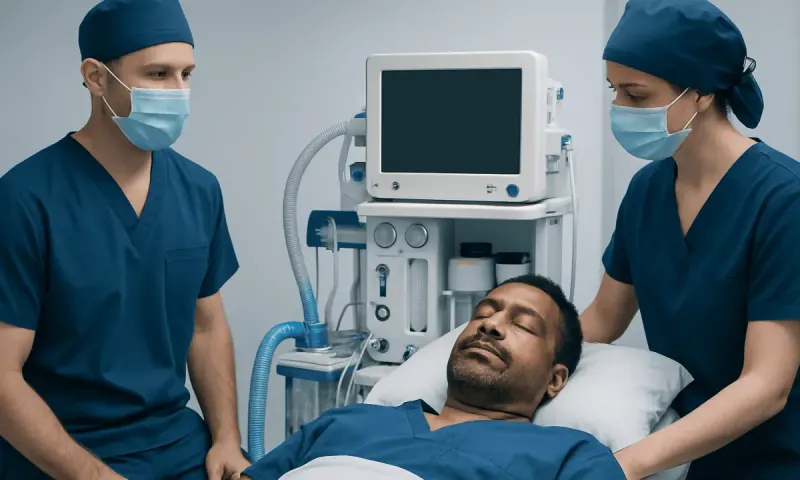
Trouble urinating after surgery may occur when anesthesia temporarily reduces bladder sensation and contraction. Opioid pain medicines, some anti-nausea medicines, and medicines with anticholinergic effects can also make it harder for the bladder muscle to empty. Having fluids through a drip, being unable to get out of bed easily, and delaying toileting because of pain may add to the problem.
Surgery near the pelvis can have more direct effects. Trouble urinating after prostate surgery or trouble urinating after prostatectomy may reflect postoperative swelling, irritation from a catheter, changes around the bladder outlet, or, less commonly, narrowing from scar tissue. Trouble urinating after rectal surgery can occur because pelvic nerves and tissues that help control bladder emptying are close to the surgical area.
Other possible contributors include constipation, urinary tract infection, an enlarged prostate, pelvic organ prolapse, a urethral stricture, bladder stones, nerve conditions, and dehydration. A clinician considers the timing of symptoms, the type of surgery, medicines, medical history, and accompanying symptoms to distinguish a temporary postoperative issue from another cause.
Men with a history of prostate enlargement and people who have previously experienced retention may be at higher risk of urinary retention after an operation. Older age, longer procedures, spinal anesthesia, and higher doses of certain pain medicines can also increase risk, although symptoms can occur in anyone.
What do hospitals do if you can't pee?

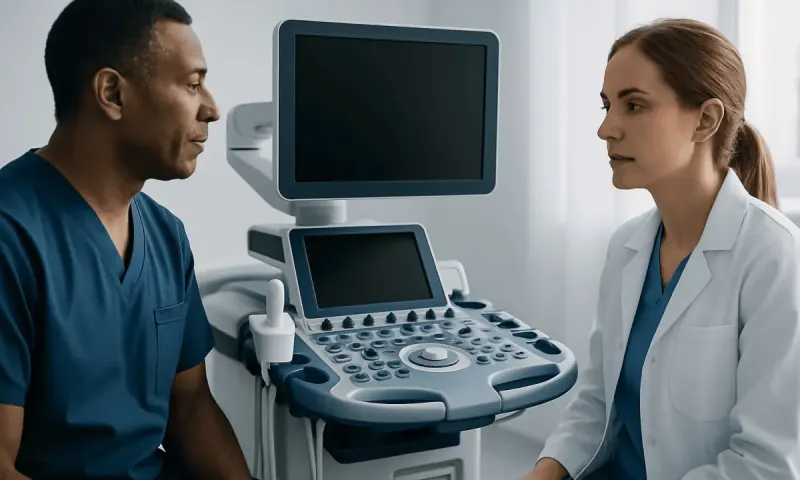
When a patient cannot pass urine after an operation, hospital staff first assess how uncomfortable the person is, when they last urinated, how much fluid they have received, and whether the lower abdomen appears or feels distended. A bedside bladder scan may be used to estimate the amount of urine in the bladder without an invasive test.
If the bladder is significantly full or the person is in pain, a clinician may insert a urinary catheter to drain the urine. This can be an intermittent catheter used once, or an indwelling catheter that stays in place briefly. Catheterization both relieves pressure and helps prevent excessive bladder stretching.
The care team also reviews medicines, constipation, fluid balance, and signs of infection or obstruction. Depending on the situation, treatment may include adjusting pain medicines, helping the person mobilize safely, managing constipation, treating an infection, or arranging urology review. Before discharge, some patients are asked to pass urine successfully after catheter removal; this is sometimes called a trial without catheter.
If an obstruction or structural problem is suspected, testing may include urine analysis, blood tests, ultrasound, cystoscopy, or imaging tailored to the clinical situation. The goal is not only to restore bladder emptying, but also to identify and manage the reason for the problem.
How long does difficulty urinating last after surgery?
For many people, difficulty urinating after surgery improves within hours to a few days as anesthetic effects fade, mobility returns, and medicines are adjusted. If a catheter was used during surgery, mild burning, urgency, or a temporarily altered stream may occur after it is removed and often improves over several days.
Recovery can take longer after surgery involving the prostate, bladder, urethra, rectum, or other pelvic organs. Trouble urinating post surgery may also persist when there is significant swelling, constipation, infection, pre-existing prostate enlargement, or temporary nerve irritation. The expected recovery timeline should be discussed with the operating surgeon because it depends on the procedure and the individual’s health.
A person should contact their surgical team if symptoms are not improving, if they are passing only very small amounts despite a strong urge, or if they need to strain markedly. New inability to urinate, worsening lower-abdominal discomfort, fever, vomiting, or confusion in an older adult warrants prompt assessment rather than waiting for a routine follow-up.
Longer-lasting symptoms may require investigation for conditions such as urinary retention, a bladder-emptying disorder, or a narrowed urethra. Treatment is based on the cause and may range from temporary catheter support and medication review to targeted urological procedures.
How long does urethra damage take to heal?
Healing after urethral injury depends on the location and severity of the damage, whether there is a partial tear or complete disruption, whether infection is present, and what treatment is needed. Minor irritation from catheterization may settle within days. More significant injury or surgery requires a longer recovery period and planned follow-up.
When a catheter is used to allow the urethra to rest after injury or reconstruction, it may remain in place for a period determined by the treating urologist. Imaging or a supervised catheter-removal plan may be used to confirm that urine can pass safely before normal voiding resumes. It is important not to remove or manipulate a catheter without medical advice.
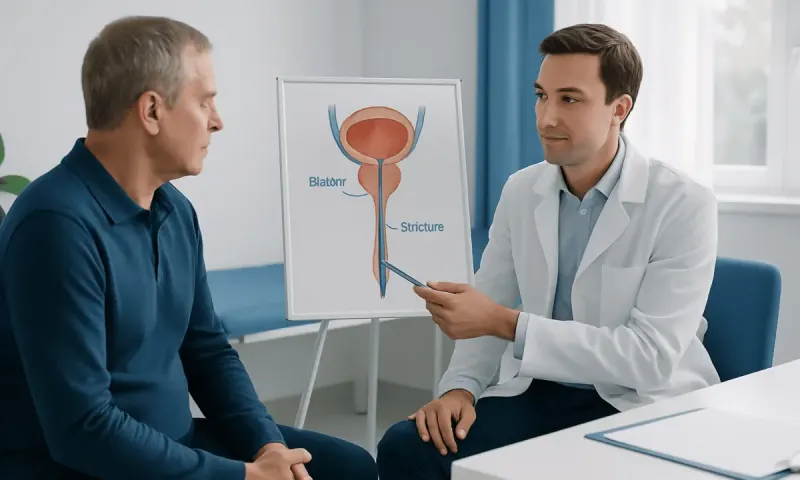
Scar formation can narrow the urethra and lead to a urethral stricture, causing weak stream, spraying, straining, infections, or incomplete emptying. If symptoms develop after an injury, pelvic surgery, catheterization, or infection, a urology assessment can clarify whether a stricture is present and what treatment is appropriate.
Healing is supported by following catheter-care instructions, maintaining appropriate fluid intake unless advised otherwise, avoiding straining from constipation, and attending follow-up appointments. Smoking cessation and good control of conditions such as diabetes may also support recovery after surgery.
How painful is urethroplasty recovery?
Urethroplasty is surgery to repair or reconstruct a narrowed or damaged urethra. Recovery discomfort varies with the repair performed and whether tissue is taken from another area, such as the inside of the mouth. Most people have discomfort rather than severe uncontrolled pain, and the surgical team provides an individualized plan for pain relief and catheter care.
A catheter commonly stays in place during early healing. It can cause bladder spasms, a sense of urgency, or irritation, which patients should report to the care team. Temporary swelling, bruising, and tiredness can also occur, while activity restrictions are usually advised to protect the repair.
Follow-up is important because the surgeon may need to check healing before catheter removal and monitor urinary flow afterwards. The timing for returning to work, exercise, driving, and sexual activity differs between patients and should follow the surgical team’s instructions. A sudden reduction in urine drainage through the catheter, fever, increasing pain, or marked bleeding should be reported promptly.
For people with a confirmed urethral narrowing, reconstructive planning may include urethroplasty treatment when appropriate. The choice between observation, endoscopic treatment, and reconstruction depends on the stricture’s length, location, prior treatment, and individual circumstances.
Evaluation, treatment and practical self-care
Evaluation starts with a clinical history and examination. A doctor may ask about the urine stream, pain, fluid intake, bowel habits, medicines, previous urinary symptoms, neurologic conditions, and the details of recent surgery. Urine testing can identify infection or blood, while a bladder scan can check whether urine remains after voiding.
Treatment targets the cause. Temporary retention may improve with bladder drainage, mobilization, treatment of constipation, and review of contributing medicines. Infection is treated according to clinical findings and testing. If prostate enlargement contributes to obstruction, management may include monitoring, medication, or procedural options after urological assessment.
At home, people recovering from surgery should follow postoperative instructions, take medicines only as prescribed, and avoid becoming constipated. It may help to allow enough time in the bathroom, use privacy and a comfortable position, and keep hydrated as advised by the surgical team. Excessive fluid intake is not a substitute for assessment if urine cannot be passed.
Patients should not force urine by straining intensely or use unprescribed medicines or herbal products to manage retention. For people with persistent urinary symptoms, referral to a urologist can help determine whether further testing or treatment is needed. Acıbadem Health Point’s multidisciplinary specialists and JCI-accredited hospitals assess and treat urinary conditions for international patients.
When to seek medical care
Urgent medical care is needed when a person cannot urinate at all, particularly when there is a painful or swollen lower abdomen. This can indicate acute urinary retention and may require prompt bladder drainage. It is also important to seek urgent advice after surgery if a catheter is not draining, falls out unexpectedly, or there is new severe pain.
Contact a clinician promptly for fever, chills, burning urination with feeling unwell, cloudy or foul-smelling urine, visible blood in urine, new back or flank pain, vomiting, or rapidly worsening urinary symptoms. These features may indicate infection, bleeding, obstruction, or another complication that needs evaluation.
Non-urgent but timely review is appropriate for a weak stream, repeated straining, leakage with a feeling of incomplete emptying, recurrent urinary infections, or symptoms that persist beyond the recovery guidance given by the surgical team. Early assessment can often prevent discomfort and identify treatable causes.
Frequently asked questions
01Is trouble urinating after surgery normal?
Temporary difficulty urinating can occur after surgery, particularly after anesthesia or when opioid pain medicines are used. It should improve as the body recovers, but complete inability to pass urine or worsening symptoms need prompt medical assessment.
02How long does difficulty urinating last after surgery?
Mild symptoms often improve within hours to a few days. Recovery may take longer after pelvic, prostate, rectal, bladder, or urethral procedures, and the surgeon can provide the most relevant expected timeline.
03How long does urethra damage take to heal?
Minor urethral irritation may resolve within days, while more substantial injuries or reconstructive repairs can require weeks of protected healing and follow-up. The treatment team determines when a catheter can be removed and when normal activity can safely resume.
04How painful is urethroplasty recovery?
Pain after urethroplasty varies, but it is usually managed with a planned pain-relief approach. Catheter-related discomfort, swelling, and tiredness are common during early recovery, and patients should report pain that is increasing or difficult to control.
05What do hospitals do if you can't pee?
Hospitals usually assess bladder fullness, often with a bladder scan, and review the person’s symptoms, medicines, and recent surgery. If the bladder is full, a catheter may be used to drain urine while clinicians investigate and treat the underlying cause.
06Can constipation cause trouble urinating after surgery?
Yes. Constipation can place pressure on the bladder outlet and make it harder to relax the pelvic floor, which may worsen difficulty urinating. Managing constipation according to postoperative advice can support comfortable bladder emptying.
This article is for general information only and is not a substitute for professional medical advice. Please consult a qualified doctor about your individual situation.
Persistent digestive symptoms? Get evaluated in Turkey
JCI-accredited · board-certified surgeons · reply within 24h
Add us as a Preferred Source to see more of our trusted health content across Google Search, AI Overviews and Discover.