Treatments for Gyno: When Surgery May Help
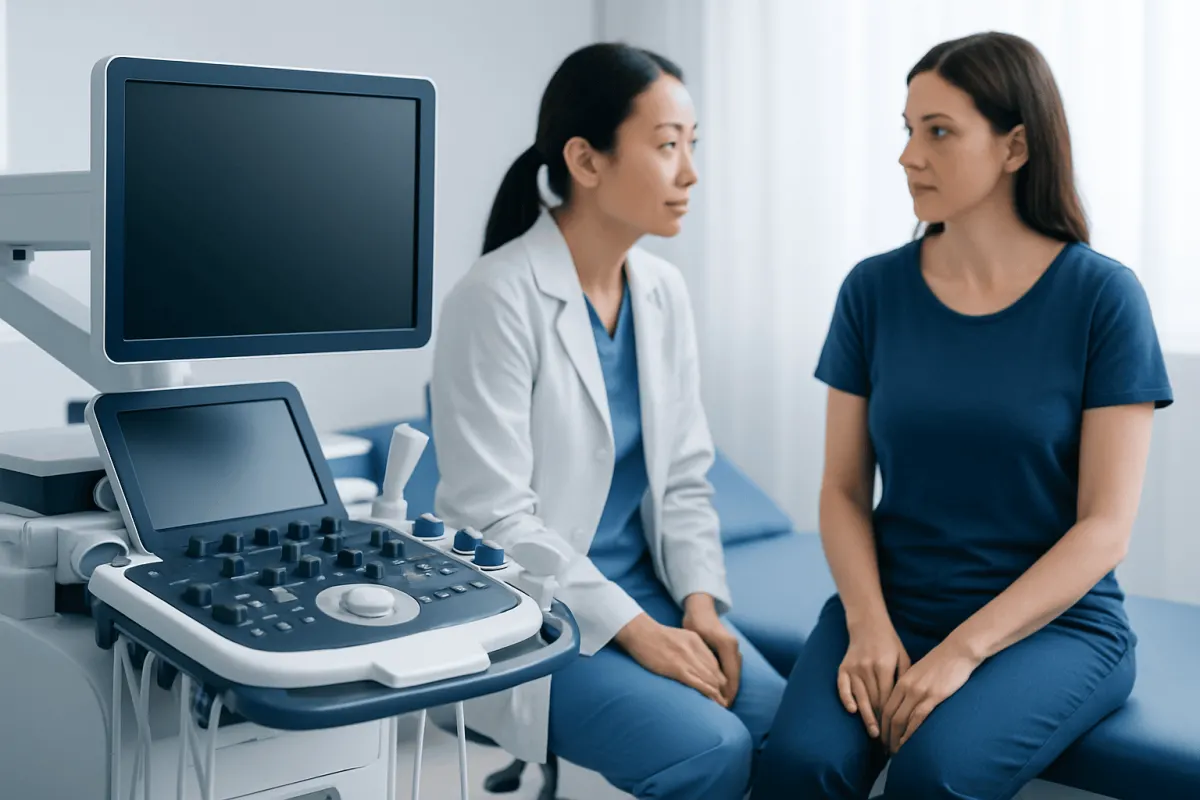
Treatments for gyno, also called gynecomastia, depend on its cause, duration and effect on daily life. Options may include observation, addressing medicines or health conditions that contribute to breast enlargement, and surgery for persistent excess glandular tissue or fat.
Overview: What Are Treatments for Gyno?
Treatments for gyno are individualized approaches for gynecomastia, a non-cancerous increase in breast gland tissue in males. The best approach begins with confirming the cause and distinguishing glandular enlargement from chest fat alone, sometimes called pseudogynecomastia. Some people need only reassurance and follow-up, while others benefit from medical management of an underlying problem or an operation.
Gynecomastia can occur during infancy, puberty or older adulthood because hormone levels naturally change at these times. It may also be associated with certain medicines, alcohol or substance use, liver or kidney disease, thyroid disorders, low testosterone, or less commonly a hormone-producing condition. A clinical assessment helps determine whether treatment is needed and which option is most appropriate.
Persistent breast enlargement can cause tenderness, self-consciousness or difficulty finding comfortable clothing. These concerns are valid and can be discussed openly with a qualified doctor. For a broader explanation of the condition and its possible causes, see gynecomastia.
Assessment Before Treatment
A clinician will usually ask when the enlargement began, whether it has changed, and whether there is pain, nipple discharge, a lump, weight change or other symptoms. They will also review prescription medicines, supplements, alcohol intake and recreational substance use. Pubertal development, general health and family history may be relevant.
The physical examination assesses whether the enlargement is mainly firm glandular tissue, fatty tissue or both. The doctor also checks for signs that suggest another condition. Blood tests may be considered when history or examination indicates a hormonal, thyroid, liver, kidney or other medical cause. Imaging is not needed for every person, but ultrasound or mammography may be recommended when the findings are uncertain or concerning.
Stopping a prescribed medicine without medical guidance is not safe. If a medicine may be contributing, the prescribing clinician can decide whether an alternative is possible. Treating an underlying cause may improve gynecomastia, particularly when the change is recent.
Non-Surgical and Surgical Treatment Options

Observation is often appropriate for mild or recent gynecomastia, especially during puberty. Follow-up allows the clinician to monitor symptoms and determine whether the tissue is settling naturally. If excess body fat is contributing to chest fullness, gradual weight management, regular physical activity and a balanced diet can improve overall chest contour, although they do not reliably remove established glandular tissue.
When an underlying health condition is identified, treatment focuses on that condition. A doctor may also review medicines or substances linked with breast enlargement. In selected early cases, a hormone-modulating medicine may be considered by an experienced specialist, but medication is not suitable for everyone and is generally less effective for longstanding, fibrous glandular tissue.
Gynecomastia surgery, often called male breast reduction, may be considered when enlargement has persisted, causes pain or distress, or does not improve after contributing factors have been addressed. The operation may involve liposuction to remove fatty tissue, direct excision to remove glandular tissue, or both. The exact technique, incision placement and need for skin tightening depend on chest size, skin elasticity and individual anatomy. Learn more about gynecomastia surgery.
As with any operation, potential risks include bleeding, infection, fluid collection, altered nipple sensation, contour irregularity, visible scars and asymmetry. A surgeon explains the expected benefits, limitations and risks in relation to the individual’s health and goals before a decision is made.
How Long Should I Recover After a Gyno Operation?
Recovery after a gyno operation varies with the surgical technique, the amount of tissue removed and the person’s general health. Many people can do light daily activities and desk-based work within several days to about one week, provided they feel comfortable and are not taking medicines that affect alertness. More physically demanding work may require additional time.
Surgeons commonly advise avoiding heavy lifting, chest exercises, vigorous upper-body activity and contact sports for several weeks. The exact timeline should come from the operating team because it may differ after liposuction alone, tissue excision or more extensive skin removal. Follow-up appointments allow the team to check healing and advise when exercise can safely resume.
Bruising, swelling and temporary firmness are common early in recovery. The chest often looks better as swelling subsides over the first weeks, but the final contour may take several months to settle. Scars also continue to mature over time and should be protected from sun exposure as advised.
How Painful Is Recovery From Gynecomastia Surgery?
Most people describe recovery discomfort as manageable rather than severe, although the experience differs between individuals and procedures. The chest may feel sore, tight, bruised or sensitive during the first days. Direct gland removal can cause more tenderness than liposuction alone because it involves a small incision and dissection of firmer tissue.
The surgeon may prescribe or recommend appropriate pain relief and explain how to use it safely. A compression garment is commonly worn to reduce swelling and support the healing tissues; it may feel snug but should not cause severe pain, numbness that worsens, or breathing difficulty. Resting with the upper body slightly elevated can also be more comfortable in the early days.
Patients should contact their surgical team promptly for pain that suddenly worsens, marked one-sided swelling, fever, increasing redness, drainage, shortness of breath or other unexpected symptoms. These signs do not always mean a serious complication, but they should be assessed without delay.
What Are the Typical Results of Gynecomastia Surgery?
The typical aim of gynecomastia surgery is a flatter, more proportionate chest contour and relief from tissue-related discomfort. Results depend on the amount and type of tissue present, skin quality, body weight stability and the surgical technique. Improvement is usually visible after the initial swelling begins to decrease, but the early appearance is not the final result.
Most residual swelling resolves gradually over weeks to months. Small areas of firmness or unevenness can be part of normal healing, particularly where glandular tissue was removed. The operating surgeon can assess whether these changes are expected and provide guidance on garments, scar care and activity progression.
Results are generally long-lasting when the underlying trigger has been addressed and body weight remains relatively stable. However, breast enlargement can recur if there are ongoing hormonal changes, significant weight gain, use of contributing substances or medicines, or an untreated medical condition. Surgery cannot prevent all future causes of chest enlargement.
What to Do After Gyno Surgery?
After gyno surgery, patients should follow the written instructions from their surgeon and attend scheduled reviews. This commonly includes wearing a compression garment for the recommended period, keeping dressings and incision sites clean and dry as instructed, taking prescribed medicines safely, and arranging support for the first day if sedation or general anesthesia was used.
Gentle walking is usually encouraged soon after surgery to support circulation, but strenuous activity should wait until the surgeon confirms it is safe. Patients should avoid smoking and nicotine products during healing because they can impair blood flow and wound repair. Alcohol, supplements and non-prescribed medicines should be discussed with the surgical team, particularly if they can increase bleeding risk.
It is helpful to maintain a balanced diet, drink adequate fluids and avoid judging the final contour too early. Photographing the chest frequently or comparing day-to-day changes can increase anxiety because swelling fluctuates. Questions about dressings, showering, work, travel or exercise are best directed to the treating team.
When to Seek Medical Care
Medical assessment is advisable for any new or persistent breast enlargement, particularly if it occurs on one side, grows quickly or is associated with a hard fixed lump. A doctor should also assess nipple discharge, skin dimpling, nipple changes, enlarged lymph nodes, unexplained Turkey Neck After Weight Loss: Treatment Options" class="ahp-ilk">weight loss or symptoms suggesting a hormonal or systemic illness. Although these features are uncommon, evaluation helps identify the cause.
After surgery, urgent medical advice is needed for rapidly increasing swelling, heavy bleeding, fever, spreading redness, pus-like drainage, severe or worsening pain, fainting, chest pain or shortness of breath. Patients should use the urgent contact details provided by their surgical team or seek emergency care when symptoms are severe.
Acıbadem Health Point’s multidisciplinary specialists and JCI-accredited hospitals diagnose and treat gynecomastia for international patients, with care plans based on clinical assessment, individual goals and safe follow-up arrangements.
Frequently asked questions
01Can gyno go away without surgery?
Yes. Gynecomastia related to puberty, temporary hormonal changes or a reversible trigger may improve without surgery. A doctor can assess whether observation is reasonable and whether an underlying cause needs to be addressed.
02Is gynecomastia surgery permanent?
Removing established glandular tissue can provide a long-lasting improvement in chest contour. However, new enlargement may occur if there are future hormonal changes, significant weight gain, certain medicines or substances, or an untreated health condition.
03Will exercise get rid of gynecomastia?
Exercise and weight management can reduce chest fat and improve overall body composition. They cannot reliably eliminate enlarged glandular breast tissue, which may remain even when a person is physically fit.
04How long do I need to wear compression after gynecomastia surgery?
The duration varies by procedure and surgeon preference, but compression is commonly used during the early healing period to support the chest and limit swelling. The operating team should provide the exact schedule and advise when it can be stopped.
05Are scars visible after gynecomastia surgery?
All surgical incisions leave scars, but surgeons usually place them in less noticeable areas, such as around the lower edge of the areola or within natural chest contours. Scars commonly fade and soften over time, although their final appearance varies between people.
06Can gynecomastia be a sign of cancer?
Gynecomastia itself is usually benign and is not the same as breast cancer. However, a new hard lump, skin or nipple change, discharge, or rapidly growing one-sided enlargement should be assessed by a doctor.
This article is for general information only and is not a substitute for professional medical advice. Please consult a qualified doctor about your individual situation.
Explore treatments in Turkey — costs, top hospitals & a free quote
JCI-accredited · board-certified surgeons · reply within 24h
Add us as a Preferred Source to see more of our trusted health content across Google Search, AI Overviews and Discover.