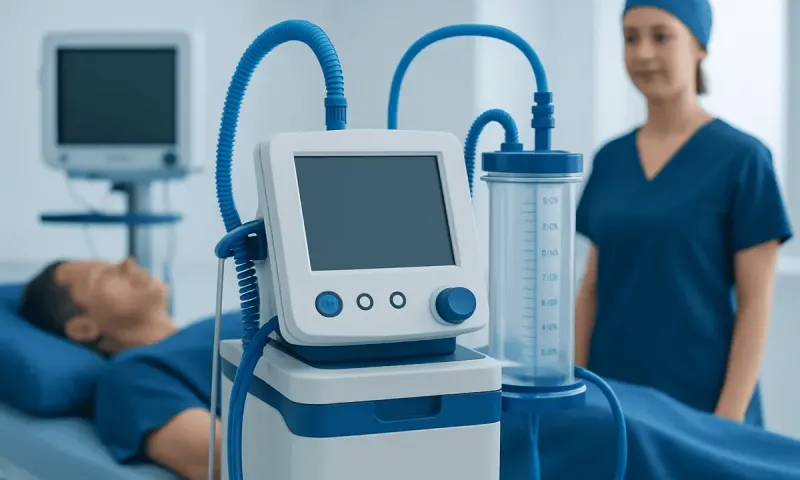
Tummy Surgery Recovery, Results and Considerations
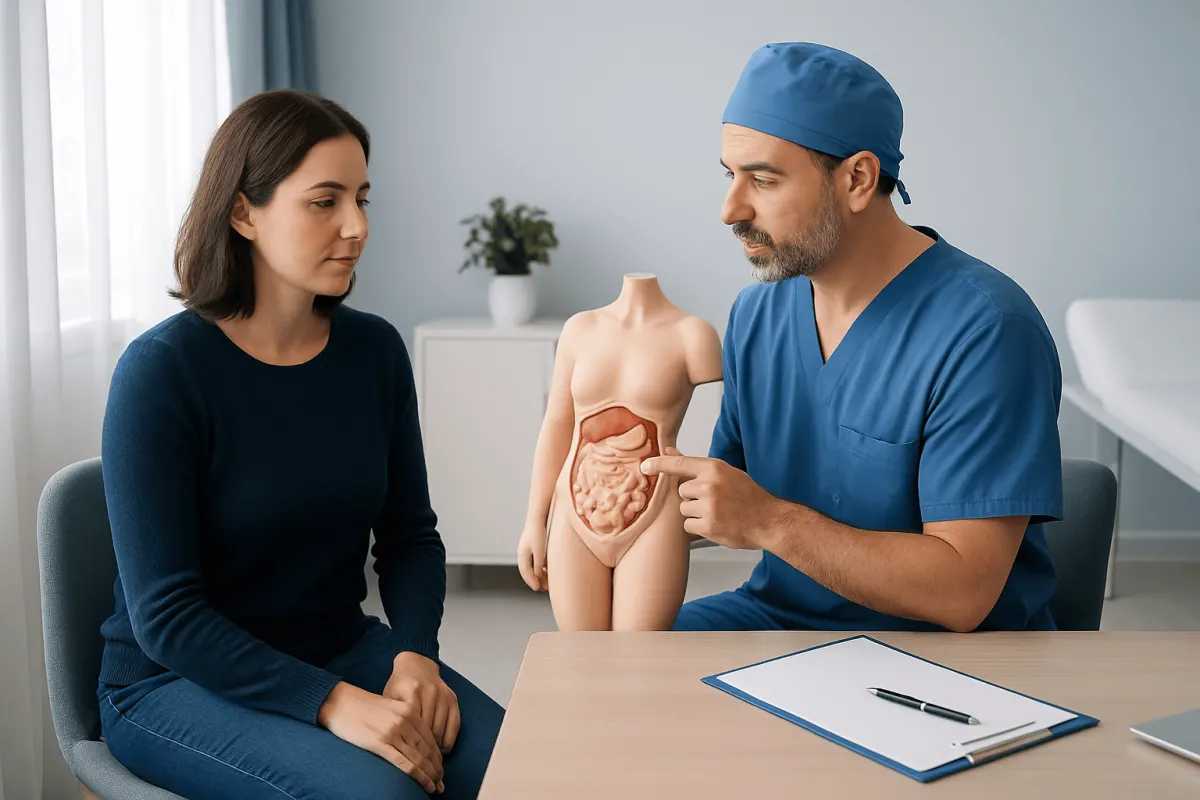
Tummy surgery, medically called abdominoplasty or a tummy tuck, reshapes the abdomen by removing loose skin and, when needed, repairing separated abdominal muscles. It is a major operation with a gradual recovery, and the best outcomes depend on appropriate candidacy, careful surgical planning and following aftercare instructions.
What Is Tummy Surgery?
Tummy surgery usually refers to abdominoplasty, commonly called a tummy tuck. It is a surgical procedure that improves the shape and firmness of the abdomen by removing excess skin and fatty tissue. In many cases, the surgeon also repairs stretched or separated abdominal muscles, known as diastasis recti, to create a flatter abdominal wall.
The procedure can be helpful after major Turkey Neck After Weight Loss: Treatment Options" class="ahp-ilk">weight loss, pregnancy, aging or previous abdominal changes that leave loose skin which does not improve with diet and exercise. It is not intended as a substitute for weight management, and it does not treat obesity. People considering surgery can learn more about the planned operation through abdominoplasty treatment information.
Different techniques are available. A full tummy tuck addresses skin and tissue across the lower and middle abdomen, while a mini tummy tuck treats a smaller amount of loose skin below the navel. Some patients may benefit from liposuction at the same time, but liposuction alone cannot correct substantial loose skin or muscle separation.
How Tummy Surgery Works and Who May Be a Candidate
Abdominoplasty works by lifting the abdominal skin and fat layer, reshaping the tissue beneath it and removing the excess. If the muscles have separated or become lax, the surgeon may bring them closer together with internal stitches. The remaining skin is then redraped smoothly, and the incision is closed.
A suitable candidate is generally in good overall health, near a stable weight and able to stop smoking or nicotine use before and after surgery. Stable weight matters because future significant weight changes can stretch the tissues again and affect the result. People should also have realistic expectations: surgery can improve contour, but it cannot create perfection or prevent normal future changes in the body.
Pregnancy plans are important to discuss. Although pregnancy after a tummy tuck may be possible, another pregnancy can stretch the repaired muscles and skin, potentially changing the result. For this reason, many people choose to postpone tummy surgery until they do not plan further pregnancies.
- Persistent loose abdominal skin after pregnancy or weight loss
- Abdominal muscle separation causing a bulge or reduced core support
- A stable weight and commitment to maintaining it
- Understanding of the recovery period, scar and possible risks
What Happens During the Procedure?
Before surgery, the plastic surgeon reviews medical history, current medicines, allergies, previous operations and goals. A physical examination helps identify the amount and location of loose skin, fat deposits, scars and muscle separation. The care team may recommend blood tests or other assessments to support safe anesthesia and surgery.
Tummy surgery is usually performed under general anesthesia. In a full abdominoplasty, the surgeon commonly makes a low horizontal incision between the hip areas, with the exact length depending on the amount of tissue to be removed. An additional incision around the navel may be needed when the upper abdomen is tightened and repositioned.
The surgeon lifts the skin and fatty layer, repairs the abdominal wall if appropriate, removes excess tissue and creates a new opening for the navel when required. Drains may be placed temporarily to remove fluid from the surgical area, although techniques vary. Dressings and a supportive compression garment are applied before recovery from anesthesia.
A mini tummy tuck usually uses a shorter incision and focuses on the area below the navel. It may be appropriate for selected people with limited skin laxity. The exact technique, use of liposuction and expected scar placement should be agreed during the surgical planning consultation.
Recovery Timeline After Tummy Surgery
Recovery is gradual and varies with the type of procedure, whether muscle repair was performed and the person’s overall health. In the first few days, soreness, tightness, swelling and bruising are expected. People may initially walk slightly bent forward because the abdomen feels tight. Short, gentle walks are encouraged as advised by the surgical team because movement supports circulation.
Many patients need assistance at home during the early recovery period and should avoid driving while taking sedating pain medicine or until they can move comfortably and safely. The surgeon provides individualized instructions for wound care, showering, compression garments, drains, medications, sleep position and follow-up appointments.
Light daily activity may be possible after a short period, while desk-based work often requires one to several weeks depending on comfort and job demands. Heavy lifting, strenuous exercise and abdominal training usually need to wait longer, often for several weeks or until the surgeon confirms healing is sufficient. Parents should plan support for lifting children during this time.
Swelling commonly improves over weeks and may take several months to fully settle. Incisions also mature slowly: scars may initially appear firm, red or darker before gradually fading over many months. Protecting healing scars from sun exposure and following scar-care advice can support the best possible appearance.
Benefits, Limits and Possible Risks
The main potential benefit of tummy surgery is a smoother, firmer abdominal contour with less loose skin. Muscle repair may also improve the feeling of abdominal support in people with diastasis recti. Removing overhanging skin can make clothing more comfortable and may make hygiene easier where skin folds have caused recurrent irritation.
Results are usually long-lasting when body weight remains stable, but they are not immune to aging, pregnancy or major weight changes. Tummy surgery does not replace healthy eating, physical activity or medical care for weight-related conditions. It also cannot guarantee an entirely flat abdomen, especially when body shape, internal abdominal fat or scars from earlier surgery influence the contour.
As with any major operation, risks include bleeding, infection, anesthesia-related complications, delayed wound healing, fluid collection under the skin (seroma), noticeable scarring, uneven contour, persistent swelling and temporary or lasting changes in skin sensation. Less common but serious complications include blood clots in the legs or lungs. The surgical team assesses individual risk factors and explains measures used to reduce them.
Smoking and nicotine products can significantly impair blood supply and healing. Certain medical conditions, blood-thinning medicines and a history of clotting problems may also change the risk profile. It is important to share complete and accurate health information and to follow preoperative instructions closely.
Preparing for Surgery and Supporting Healing
Preparation begins with an open discussion about goals, health conditions and practical support at home. The surgeon may advise stopping nicotine products well in advance, reviewing medicines and supplements, arranging transport and preparing a comfortable recovery area. Instructions about eating and drinking before anesthesia must be followed exactly.
After surgery, taking prescribed medicines as directed, attending follow-up visits and wearing compression garments if advised are important parts of recovery. A balanced diet with adequate protein, hydration and regular gentle movement can support healing. Patients should not start intense exercise, massage the surgical area or use scar products unless their surgeon says it is appropriate.
Maintaining a stable weight after recovery supports lasting contour improvement. If loose skin developed after substantial weight loss, some people may also have excess tissue in other body areas; treatment planning should consider overall health, nutritional status and personal priorities rather than rushing into multiple procedures.
Acıbadem Health Point’s multidisciplinary specialists and JCI-accredited hospitals diagnose and treat patients considering tummy surgery, including international patients, with individualized assessment and follow-up planning.
When to Seek Medical Care
People considering tummy surgery should arrange a consultation with a board-qualified plastic surgeon or another appropriately trained specialist. Medical assessment is particularly important for anyone with diabetes, heart or lung disease, a history of blood clots, previous abdominal surgery, an unstable weight or concerns about abdominal bulging that may be caused by a hernia rather than loose skin.
After surgery, the care team should be contacted promptly for increasing redness, warmth, drainage, worsening pain, fever, a rapidly enlarging swelling, wound opening or one-sided leg swelling. These symptoms do not always mean a serious problem, but they require timely clinical advice.
Emergency medical care is needed for symptoms such as sudden shortness of breath, chest pain, fainting, coughing up blood or severe uncontrolled bleeding. These may indicate a potentially serious complication and should not be managed by waiting for a routine appointment.
Frequently asked questions
01Is tummy surgery the same as a tummy tuck?
Yes. Tummy surgery commonly refers to abdominoplasty, also called a tummy tuck. The operation removes excess abdominal skin and may tighten separated or weakened abdominal muscles.
02Can tummy surgery help with weight loss?
Tummy surgery is a body-contouring procedure, not a weight-loss treatment. It is generally most appropriate when a person is already near a stable, sustainable weight and has loose skin or muscle separation that has not improved with lifestyle measures.
03How painful is recovery from a tummy tuck?
Discomfort, tightness and swelling are common, especially during the first days after surgery. The surgical team provides a pain-management plan and activity guidance, and symptoms generally become easier to manage as healing progresses.
04How long does it take to recover from tummy surgery?
Initial recovery commonly takes several weeks, but complete settling of swelling and scar maturation can take months. The timing of return to work, driving, exercise and lifting depends on the procedure performed and the surgeon’s assessment of healing.
05Will there be a scar after tummy surgery?
Yes, abdominoplasty leaves a permanent scar. Surgeons usually place the main scar low on the abdomen so it may be covered by many styles of underwear or swimwear, but its final appearance varies between individuals and improves gradually over time.
06Can a tummy tuck repair diastasis recti?
A full tummy tuck can often include repair of separated rectus abdominal muscles when this is clinically appropriate. The surgeon examines the abdomen and explains whether muscle repair is likely to help with contour or support in an individual case.
This article is for general information only and is not a substitute for professional medical advice. Please consult a qualified doctor about your individual situation.
Medical weight-loss options in Turkey — costs & eligibility
JCI-accredited · board-certified surgeons · reply within 24h
Add us as a Preferred Source to see more of our trusted health content across Google Search, AI Overviews and Discover.