Tooth Aching Medicine: Uses, Dosage and Side Effects

Key Takeaways
- Tooth aching medicine may ease pain from a toothache, but it cannot cure infection, decay, or a cracked tooth.
- Common options include over-the-counter pain relievers, which should be used exactly as directed on the label or by a clinician.
- Some medicines are not suitable for people with stomach ulcers, kidney disease, liver disease, pregnancy, or certain other health conditions.
- Temporary home care can support comfort, but worsening swelling, fever, or trouble swallowing needs prompt dental or medical attention.
- A dentist can identify the cause of the pain and recommend the right treatment, which may include dental procedures rather than medicine alone.
Tooth aching medicine can help reduce discomfort, but it does not treat the cause of the pain. A dentist should still evaluate persistent or severe toothache to find and manage the underlying problem safely.
Overview
Tooth aching medicine is any medicine used to reduce the pain of a toothache. It may help a person get through a meal, a flight, a workday, or a night of sleep, but it should be viewed as a short-term comfort measure rather than a cure. The real source of pain is often tooth decay, gum inflammation, a cracked tooth, grinding, or an infection that needs dental care.
For many people, the question is not only which medicine can ease the ache, but also how to use it safely while arranging a dental appointment. That is especially important for international patients who may be traveling, staying temporarily in another country, or trying to manage symptoms until they can be seen by a dentist after arrival. The safest approach is to use the medicine only as directed, avoid mixing products without checking labels, and seek a professional opinion if the pain is persistent, severe, or unusual.
In practical terms, tooth aching medicine is best understood as part of a larger plan. Comfort measures may provide time, but diagnosis identifies the cause, and treatment addresses what is actually wrong with the tooth or surrounding tissues.
Symptoms
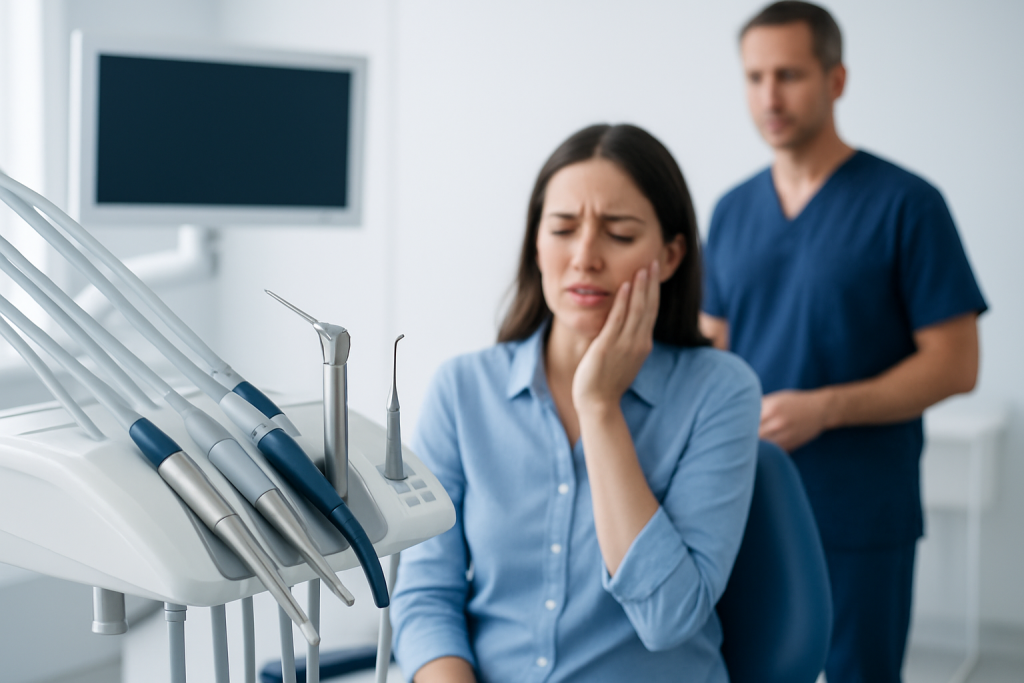
Toothache does not always feel the same way. Some people notice a dull, constant ache that becomes more obvious at night. Others feel sharp pain when biting, sensitivity to hot or cold foods, or throbbing pain that seems to spread to the jaw, ear, or temple.
Medicine may be considered when the discomfort makes eating, sleeping, or concentrating difficult. It is also commonly used when pain follows dental work, when a wisdom tooth is erupting, or when gums are inflamed. Still, the symptom pattern can give clues about the underlying problem, so pain that keeps returning deserves evaluation.
- Constant aching or throbbing in or around a tooth
- Sensitivity to temperature, pressure, or sweet foods
- Pain when chewing or biting
- Swollen or tender gums
- Pain that radiates to the jaw, ear, or head
If pain is accompanied by facial swelling, fever, bad taste in the mouth, or trouble opening the mouth, it may reflect an infection or another issue that needs prompt care rather than just symptom relief.
Causes & Risk Factors

A toothache is usually a signal, not a diagnosis. The most common causes include cavities, inflamed pulp inside the tooth, gum disease, an abscess, cracked enamel, and food trapped between teeth or under the gums. Sinus pressure can also be mistaken for tooth pain, especially in the upper teeth.
Several factors can increase the likelihood of needing tooth aching medicine. Irregular brushing and flossing, frequent sugary snacks, smoking, grinding teeth, dry mouth, and delayed dental visits all increase the chance that a minor problem becomes painful. A history of recent dental work can also lead to temporary soreness, although that usually improves with time.
General health matters too. People with diabetes, immune system problems, or conditions that make healing slower may be more vulnerable to dental infections. For travelers, pain can become harder to manage if routines change, stress rises, or access to familiar medicines is limited, which is why planning ahead is helpful.
Diagnosis
Before choosing the right tooth aching medicine, a dentist needs to understand why the tooth hurts. That usually starts with a careful history: when the pain began, what makes it worse, whether there is swelling, and whether the person has tried any medicine already. A dental exam then looks for visible decay, gum problems, cracks, loose fillings, or signs of infection.
X-rays may be used to check areas that are not visible on the surface, such as decay between teeth, problems at the root, or bone changes around an infection. In some situations, a dentist may also test how the tooth responds to tapping, temperature, or pressure to narrow down the cause.
For an international patient, a diagnosis may involve coordinating prior records, recent treatment summaries, or travel timing. Bringing a list of current medicines, allergies, and medical conditions can make the assessment safer and faster, especially if a procedure or prescription is being considered.
Treatment Options
Many people reach for over-the-counter pain relievers first. These medicines can lower discomfort while the dentist works on the cause. Common options include pain relievers that reduce inflammation and fever, or in some cases acetaminophen-based products. The best choice depends on the person’s overall health, other medicines, and the likely source of the pain.
It is important to use tooth aching medicine exactly as directed on the package or by a clinician. Taking more than recommended does not usually improve tooth pain safely and can raise the risk of side effects. People should also avoid combining products that contain the same active ingredient, since that can lead to accidental overuse.
Medication choice may be limited by medical history. Some pain relievers can be unsuitable for people with stomach ulcers, kidney disease, liver disease, bleeding disorders, or certain heart conditions. Pregnant or breastfeeding patients should ask a clinician before using any pain medicine, because safety varies by product and situation.
When a toothache is caused by infection, decay, or nerve damage, the definitive treatment may be dental rather than medicinal. That could include filling a cavity, treating the nerve, draining an abscess, replacing a broken restoration, or removing a tooth when it cannot be saved. Medicine may reduce discomfort, but it does not remove infected tissue or repair structural damage.
Antibiotics are not a routine toothache treatment on their own. They are only used when a dentist or doctor believes there is a bacterial infection that requires them, and they should be taken only when prescribed. Using them without proper assessment can delay the correct treatment.
Prevention & Self-care
The most reliable way to avoid repeated tooth pain is to protect the teeth before they become inflamed or infected. Brushing twice daily with fluoride toothpaste, cleaning between the teeth, and scheduling regular dental checkups all help reduce the chance that a small problem grows into a painful one. Limiting frequent sugary foods and drinks is also helpful.
While waiting for a dental visit, a few simple steps may improve comfort. A person can rinse gently with warm salt water, avoid chewing on the painful side, and choose soft foods if biting increases pain. Very hot, very cold, or very sweet foods may worsen sensitivity, so it can help to avoid them temporarily.
- Keep the mouth clean, but brush gently around the sore area
- Use medicines only as directed and check labels carefully
- Do not place aspirin or other tablets directly on the gum or tooth
- Avoid smoking and alcohol if they seem to aggravate symptoms
- Plan dental care early if travel or work will make access harder later
For patients traveling for treatment, self-care also includes preparation. Carrying a medication list, allergy information, and previous dental records can make the first appointment smoother and help the care team choose treatment safely.
When to See a Doctor
A dentist should be contacted if tooth pain lasts more than a day or two, keeps returning, or is severe enough to interfere with sleep or eating. Persistent pain often means the cause needs professional treatment, not just stronger medicine.
Urgent care is important if there is facial swelling, fever, pus, a foul taste, difficulty opening the mouth, or pain that spreads quickly. Trouble breathing or swallowing is especially concerning and requires immediate medical attention. These signs can suggest an infection that should not be managed at home.
People with weakened immunity, diabetes that is hard to control, or major medical conditions should not wait long if a toothache appears unusual. For those coming from abroad, coordinating with a dental team early can prevent a small issue from turning into a disrupted trip or a more complex procedure later. Acibadem Health Point’s multidisciplinary specialists and JCI-accredited hospitals can diagnose and treat dental conditions for international patients.
Frequently asked questions
01What is the best tooth aching medicine for a toothache?
The best option depends on the person’s health history and the cause of the pain. Over-the-counter pain relievers may help temporarily, but a dentist should still identify and treat the source of the toothache.
02Can tooth aching medicine cure an infected tooth?
No. Medicine may ease pain for a short time, but it does not remove infection or repair the damaged tooth. An abscess or other infection usually needs dental treatment.
03How long can someone take tooth pain medicine?
It should only be used for the shortest time needed and according to the label or a clinician’s advice. If pain continues beyond a couple of days, dental evaluation is recommended.
04Is it safe to put medicine directly on a painful tooth?
No, tablets should not be placed directly on the tooth or gums unless a dental professional specifically instructs it. This can irritate the tissue and does not treat the cause of pain.
05When does toothache become an emergency?
Swelling of the face, fever, pus, trouble swallowing, or difficulty breathing needs prompt medical attention. These signs may point to a spreading infection.
06Can children use the same tooth aching medicine as adults?
Not always. Children need age-appropriate products and dosing, so a parent or caregiver should ask a pediatrician or dentist before giving any pain medicine.
This article is for general information only and is not a substitute for professional medical advice. Please consult a qualified doctor about your individual situation.
Explore treatments in Turkey — costs, top hospitals & a free quote
JCI-accredited · board-certified surgeons · reply within 24h
Add us as a Preferred Source to see more of our trusted health content across Google Search, AI Overviews and Discover.