Biting the Tongue While Sleeping: What You Need to Know

Key Takeaways
- Tongue biting during sleep is often linked to teeth grinding, jaw clenching, sleep movements, or dental alignment issues.
- A single mild episode usually heals on its own, but repeated biting deserves medical attention.
- Clues such as confusion after waking, frequent injuries, or bed partner reports can help identify the cause.
- Diagnosis may involve a dental exam, sleep evaluation, or neurological assessment depending on the pattern.
- Treatment focuses on protecting the tongue, addressing the underlying trigger, and improving sleep habits.
Biting the tongue while sleeping can happen for several reasons, from teeth grinding and sleep-related movements to seizures or dental issues. Most cases are not dangerous, but recurring episodes, bleeding, or other sleep symptoms should be assessed by a doctor or dentist.
Overview
Bitings the tongue while sleeping is usually a sign that something in the sleep or jaw pattern is bringing the teeth and tongue together at the wrong moment. For many people, it happens during teeth grinding, jaw clenching, or an awkward movement in sleep; in others, it may point to a sleep disorder, a dental fit problem, or, less commonly, a neurological issue.
Most episodes are small and heal without special treatment. The important question is not only what happened, but how often it happens and whether it comes with other clues such as loud snoring, choking during sleep, morning headaches, jaw pain, or waking up confused.
For someone managing care from another country, the practical approach is to note the pattern before seeking treatment: when the biting happens, whether it is a single side of the tongue, and whether there are other nighttime symptoms. That information helps a dentist, sleep specialist, or neurologist decide which path to investigate first.
Symptoms
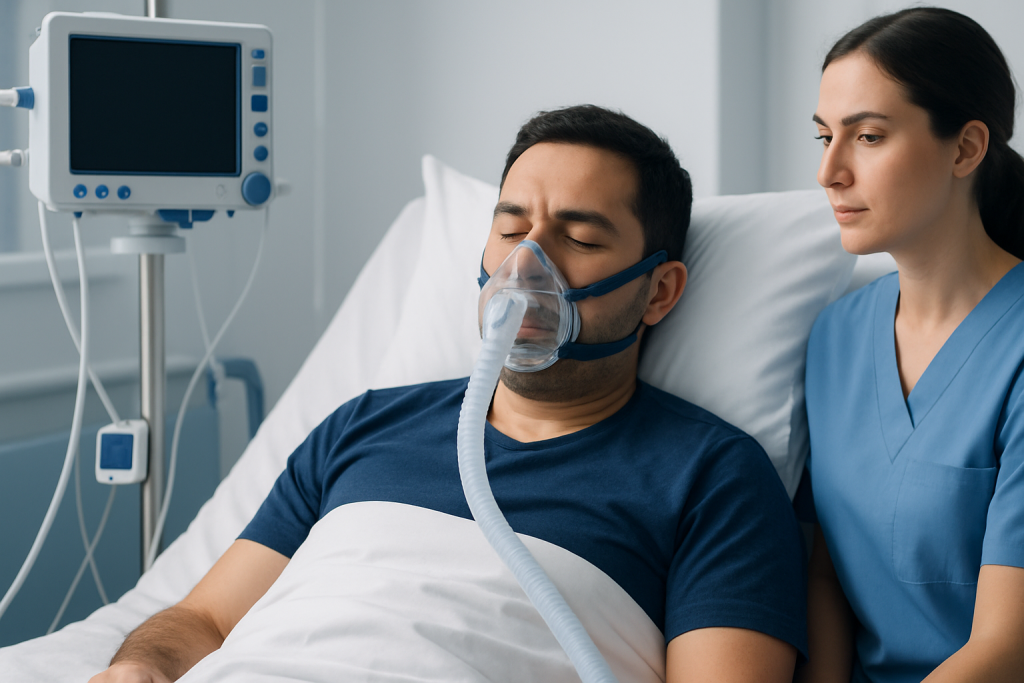
The most obvious sign is pain or swelling on the tongue after waking. There may be a small cut, a blood mark, or a sore area that stings when eating, speaking, or brushing teeth.
Some people notice related symptoms that suggest the cause is coming from the jaw or sleep itself. These may include:
- Jaw soreness or tightness in the morning
- Headaches on waking
- Tooth wear or sensitivity
- Loud snoring, pauses in breathing, or restless sleep
- Waking with a dry mouth
- Reports of jerking, unusual movements, or grinding from a bed partner
When tongue biting is linked to a seizure, the person may also have confusion after waking, fatigue, muscle soreness, or injuries that are not limited to the tongue. Those features do not confirm a seizure, but they do make a careful medical review more important.
Causes & Risk Factors

Several different patterns can lead to tongue biting during sleep. The tongue may be caught between the teeth during bruxism, which is the involuntary clenching or grinding of the jaw. In some people, the bite occurs because the tongue is positioned in a way that makes it more likely to be trapped during sleep movement.
Common contributors include dental crowding, a misaligned bite, stress-related jaw tension, alcohol or sedating substances before sleep, and sleep disorders such as obstructive sleep apnea. In sleep apnea, repeated breathing interruptions can trigger arousals and jaw movements that make injury more likely.
Less commonly, tongue biting can happen during a nighttime seizure. This is more concerning when the bite is severe, happens with loss of bladder control, confusion, or unexplained bruising, or occurs alongside a known seizure disorder. Risk is also higher when a person already has tooth wear, ill-fitting dental appliances, or untreated sleep disruption.
Diagnosis
Diagnosis starts with a history. A clinician will usually ask when the biting happens, how often it occurs, whether there is pain on waking, and whether anyone has noticed grinding, choking, or abnormal movements during sleep. Photos of the tongue injury can be helpful, especially if the wound has already started to heal by the appointment.
A dentist may examine the bite, the teeth, and signs of wear that point toward bruxism or alignment issues. If sleep apnea is suspected, a sleep study may be recommended to measure breathing patterns, oxygen levels, and sleep disruption.
If the story suggests a seizure or another neurological cause, a neurologist may review the episodes more closely and order tests such as an electroencephalogram or brain imaging when appropriate. The goal is to match the test to the pattern, rather than testing everything at once.
Treatment Options
Treatment depends on what is causing the tongue injury. If the issue is teeth grinding or jaw clenching, a custom night guard may help protect the tongue and teeth while the underlying habit is addressed. A dentist can decide whether the bite itself needs adjustment or whether the main benefit will come from protection and monitoring.
If sleep apnea is part of the picture, treating the breathing problem often reduces the night-time movements that can lead to tongue biting. Management may include weight-related changes when appropriate, positional strategies, oral appliances, or continuous positive airway pressure therapy, depending on the diagnosis and severity.
When a seizure disorder is suspected or confirmed, treatment is guided by a neurologist. That may involve medication review and longer-term seizure management. For a sore tongue, supportive care is usually enough: soft foods, good oral hygiene, avoiding very spicy or acidic foods for a few days, and watching for signs of infection or a deep cut that may need medical attention.
Prevention & Self-care
Prevention begins with noticing patterns. Keeping a brief sleep diary can reveal whether tongue biting follows stressful days, alcohol use, poor sleep, or a change in medications or dental appliances. A bed partner’s observations can also be valuable if grinding, snoring, or unusual movements are occurring.
Simple self-care may reduce irritation while the cause is being investigated. People often do better with a soft diet for a day or two after an injury, careful brushing, salt-water rinses if recommended by a clinician, and avoiding habits that add pressure to the jaw.
- Keep regular sleep hours when possible
- Avoid using alcohol or sedating products as a sleep aid without medical advice
- Address stress with relaxation techniques, exercise, or counseling
- Replace or refit dental devices that feel loose or uncomfortable
- Seek treatment for snoring, choking, or unrefreshing sleep
For international patients, it helps to collect prior dental records, medication lists, and any sleep-study results before traveling for care. That makes it easier for a specialist team to continue treatment without repeating unnecessary steps.
When to See a Doctor
Medical review is a good idea when tongue biting happens more than once, causes significant bleeding, or keeps returning despite a night guard or other simple measures. It should also be assessed if there is jaw pain, tooth damage, persistent snoring, choking at night, or daytime sleepiness that suggests a broader sleep problem.
Urgent care is appropriate if the tongue wound is deep, bleeding does not stop, swallowing becomes difficult, or there are signs of infection such as increasing swelling, fever, or pus. A sudden episode with confusion, injury elsewhere, or a witnessed seizure also needs prompt evaluation.
Acibadem Health Point’s multidisciplinary specialists and JCI-accredited hospitals diagnose and treat conditions like sleep-related tongue biting for international patients, coordinating dental, sleep, and neurological assessment when needed. That kind of coordinated review can be especially helpful when the cause is not obvious from a single symptom.
Outlook
The outlook is usually good once the trigger is identified. Many people improve when a dental issue is corrected, a night guard is used properly, or a sleep disorder is treated.
What matters most is not assuming every tongue bite has the same cause. Repeated injuries are the body’s way of signaling that the sleep pattern, bite, or nervous system may need attention.
With the right evaluation, most patients can protect the tongue, sleep more comfortably, and reduce the chance of the problem returning.
Frequently asked questions
01Is biting the tongue while sleeping always a sign of a seizure?
No. Teeth grinding, jaw clenching, sleep apnea, and dental factors are more common explanations. A seizure becomes more of a concern when tongue biting happens with confusion, loss of awareness, or other unusual movements.
02Can a night guard stop tongue biting?
A night guard can help when the biting is related to grinding or clenching, and it may also protect the teeth. It does not treat every cause, so a clinician should confirm whether it is the right option.
03Should a person see a dentist or a doctor first?
If the main issue seems to be jaw pain, tooth wear, or grinding, starting with a dentist is reasonable. If there is snoring, breathing pauses, confusion on waking, or repeated unexplained injuries, a doctor or sleep specialist may be the better first step.
04How long does a bitten tongue take to heal?
Minor tongue injuries often improve within a few days to about a week. Deeper cuts, ongoing trauma, or infection can take longer and may need medical assessment.
05Can sleep apnea cause tongue biting?
Yes, it can contribute indirectly through repeated arousals and jaw movements during sleep. If tongue biting happens with loud snoring, choking, or daytime sleepiness, sleep apnea should be considered.
06What can be done at home after a minor tongue bite?
Soft foods, careful oral hygiene, and avoiding spicy or acidic foods can make healing more comfortable. If bleeding is heavy, the wound looks deep, or pain worsens instead of improving, medical care is recommended.
This article is for general information only and is not a substitute for professional medical advice. Please consult a qualified doctor about your individual situation.
Explore treatments in Turkey — costs, top hospitals & a free quote
JCI-accredited · board-certified surgeons · reply within 24h
Add us as a Preferred Source to see more of our trusted health content across Google Search, AI Overviews and Discover.