What Is Hypoplastic Dental Enamel? A Complete Medical Guide

Key Takeaways
- Hypoplastic dental enamel means the enamel did not fully develop, leaving teeth thinner or unevenly covered.
- It can appear as pits, grooves, rough edges, white or brown areas, or increased sensitivity.
- The condition may be linked to childhood illness, genetics, premature birth, trauma, or nutritional factors.
- Diagnosis is based on a dental examination and sometimes X-rays or a review of medical history.
- Treatment ranges from fluoride and sealants to bonding, crowns, or other restorative care.
- Good home care and regular dental follow-up help protect enamel defects from decay and wear.
Hypoplastic dental enamel is a developmental defect in which tooth enamel forms too thinly, unevenly, or incompletely. It can affect how teeth look and function, and a dentist can often manage it with a personalized plan that protects the teeth and improves comfort.
Overview
Hypoplastic dental enamel is a condition in which the hard outer layer of a tooth forms incompletely. In simple terms, the enamel is too thin, missing in spots, or shaped irregularly, so the tooth has less natural protection than it should.
This is not the same as decay. It is a developmental enamel defect that happens while the tooth is forming, often long before a person notices a problem. Some people have only a small area affected on one tooth, while others have several teeth with visible changes.
Because enamel is the tooth’s shield, hypoplastic areas can be more sensitive to temperature, more prone to staining, and more vulnerable to cavities and wear. A dentist can usually identify the pattern and explain whether the issue is mild and cosmetic or something that needs active treatment.
Symptoms and Appearance
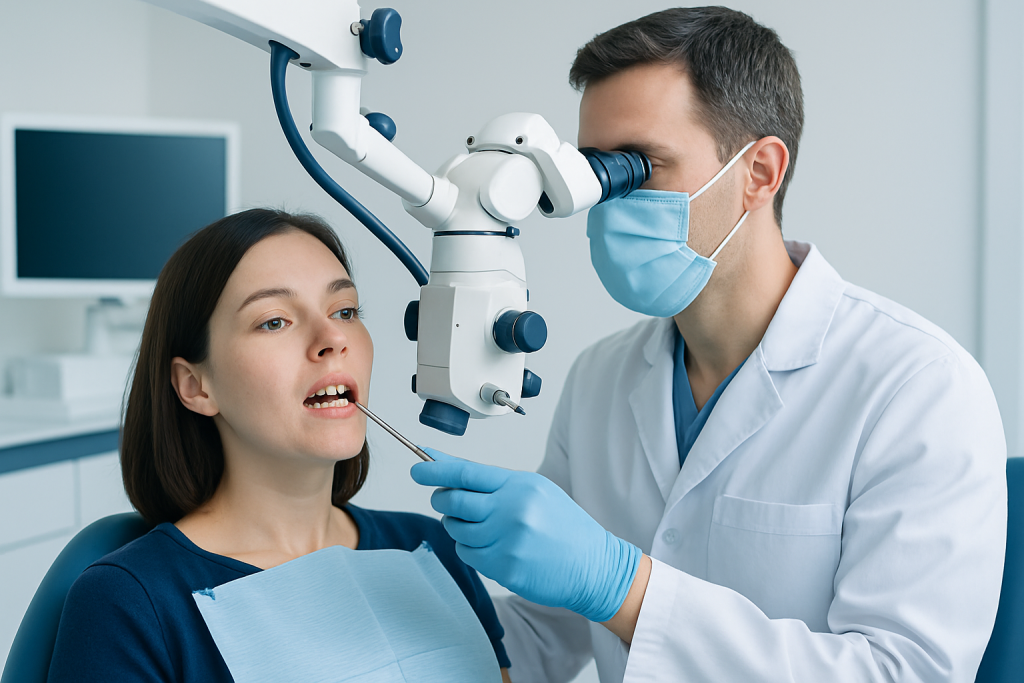
The first clue is often visual. Teeth may show shallow pits, grooves, thin edges, or areas where the surface looks rough instead of smooth. In some cases, the enamel may appear white, yellow, or brown because the thinner outer layer allows the underlying tooth structure to show through.
Not everyone feels symptoms, but some people notice sensitivity to cold drinks, sweets, or brushing. If the defect is on front teeth, the concern may be mostly aesthetic; if it is on chewing surfaces, the tooth may chip more easily or wear down faster over time.
Symptoms can vary depending on how much enamel is missing and which teeth are involved. A child, teenager, or adult may also have a history that helps explain the pattern, such as past illness, premature birth, or an inherited condition.
Causes and Risk Factors
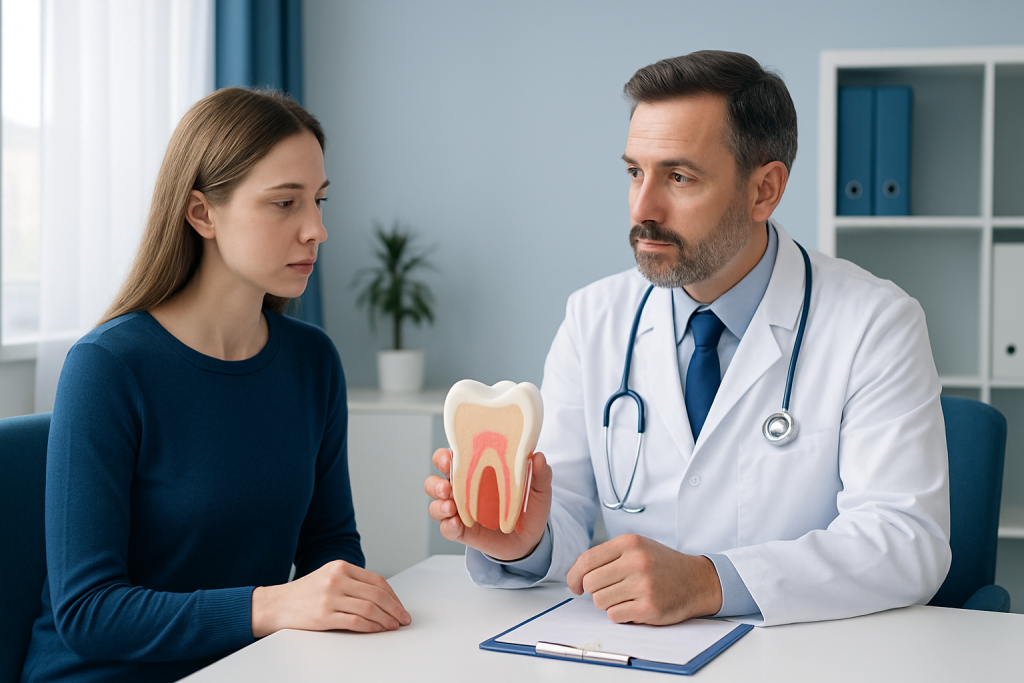
Tooth enamel develops during childhood, so anything that disrupts this process can contribute to hypoplastic dental enamel. Causes may include high fevers, serious childhood infections, premature birth, low birth weight, certain nutritional deficiencies, trauma to a developing tooth, or prolonged medical stress during the years teeth are forming.
Genetics can also play a role. Some people inherit conditions that affect enamel formation across multiple teeth, while others develop isolated defects from a local event affecting only one tooth or one area of the mouth.
Risk factors are not always avoidable, and having one does not mean a child will definitely develop enamel defects. The important point is that a detailed medical and dental history often helps the dentist understand why the enamel formed abnormally and what type of care is most appropriate.
Diagnosis
Diagnosis usually begins with a routine dental examination. The dentist looks for characteristic changes in enamel thickness, shape, color, and surface texture, and may gently check whether the tooth is sensitive or prone to plaque buildup around the defect.
X-rays may be used to assess the depth of the defect, the health of the tooth beneath the enamel, and whether other teeth show similar developmental patterns. In children, the dentist may also ask about pregnancy history, birth history, early childhood illnesses, nutrition, medications, or injuries that could have influenced tooth formation.
The goal is not only to name the problem but also to distinguish hypoplastic enamel from other conditions, such as fluorosis, erosion, or decay. That distinction matters because each problem is managed differently.
Treatment Options
Treatment depends on how severe the defect is, where it is located, and whether the tooth is sensitive or weakened. When the defect is small, the dentist may recommend preventive care such as fluoride, careful cleaning, and regular monitoring. Sealants can sometimes help protect vulnerable grooves and pits from cavity-causing bacteria.
If the defect affects appearance or function, restorative treatment may be considered. Dental bonding can smooth and cover small areas, while larger defects may need veneers or crowns to rebuild shape and protect the tooth. In children, treatment is chosen carefully so it supports chewing, speech, and comfort as the mouth continues to grow.
When sensitivity is a concern, the dentist may suggest desensitizing products or changes in daily oral hygiene. If decay has already developed in the weakened enamel, treatment shifts toward filling or restoring the tooth before damage progresses.
- Preventive care: fluoride, sealants, and close observation
- Restorative care: bonding, veneers, crowns, or fillings
- Symptom relief: sensitivity management and tailored home care
- Long-term follow-up: regular dental reviews to catch wear or decay early
Prevention and Self-care
Not every case can be prevented, especially when enamel defects are linked to development, genetics, or early childhood illness. Still, good oral care can reduce complications and help affected teeth last longer.
Daily brushing with a soft-bristled brush, fluoride toothpaste, and gentle technique can protect weak enamel without irritating sensitive areas. Flossing, reducing frequent sugary snacks, and drinking water after meals can also lower the risk of decay around the defect.
For people already diagnosed, it is sensible to avoid habits that place extra stress on the teeth, such as chewing ice or opening packages with the teeth. A dentist may also suggest a custom home-care plan if sensitivity or cavity risk is higher than usual.
When to See a Doctor
A dental visit is a good idea if a child or adult has teeth with pits, grooves, unusual discoloration, or a rough surface that seems different from normal enamel. Increased sensitivity, repeated chipping, or cavities forming in the same area are also reasons to seek care.
Parents should arrange a dental evaluation if a child’s new teeth appear malformed or if there is concern about enamel development after an early illness or premature birth. Early assessment can make treatment simpler and may prevent avoidable damage.
For international patients who need coordinated care, Acibadem Health Point’s multidisciplinary specialists and JCI-accredited hospitals diagnose and treat dental conditions such as hypoplastic dental enamel with individualized planning and follow-up.
Living With Hypoplastic Dental Enamel
Most people with hypoplastic dental enamel can manage it well once they understand which teeth are affected and what protection they need. The condition often becomes a long-term maintenance issue rather than a one-time problem, especially if several teeth are involved.
Follow-up matters because enamel defects can change over time as teeth wear, restorations age, or new cavities develop. Regular checkups help the dental team decide whether the current plan is still working or whether a repair should be adjusted.
For children and teens, the treatment approach may evolve as the mouth grows. The aim is to keep the teeth healthy, comfortable, and functional while choosing options that make sense for the patient’s age and dental development.
Frequently asked questions
01Is hypoplastic dental enamel the same as tooth decay?
No. Hypoplastic dental enamel is a development problem that happens while the tooth is forming, whereas tooth decay is damage caused later by bacteria and acids. However, weakened enamel can make decay more likely, so both conditions may appear together.
02Can hypoplastic dental enamel get worse over time?
The original defect does not usually spread in the way an infection would, but the tooth can become more worn, stained, or cavity-prone over time. Regular dental care helps prevent the affected area from breaking down further.
03Does hypoplastic enamel always need treatment?
Not always. Small, stable defects may only need monitoring and preventive care, while deeper or more noticeable defects may need bonding, sealants, or crowns. The best plan depends on sensitivity, cavity risk, and cosmetic concerns.
04Can children outgrow hypoplastic dental enamel?
No, because the enamel defect is part of how the tooth formed. Children can still do very well with the right dental care, and treatment may be adjusted as they grow.
05What is the difference between hypoplastic and thin enamel?
Hypoplastic enamel usually means the enamel did not form fully, so it may be thin, pitted, or missing in spots. Thin enamel can be a broader description, but in clinical practice the dentist looks at the exact pattern and cause before choosing treatment.
06Should someone with hypoplastic enamel see a specialist?
Many cases can be managed by a general dentist, especially if the defect is mild. A specialist may be helpful when several teeth are involved, the diagnosis is unclear, or restorative treatment needs careful planning.
This article is for general information only and is not a substitute for professional medical advice. Please consult a qualified doctor about your individual situation.
Explore treatments in Turkey — costs, top hospitals & a free quote
JCI-accredited · board-certified surgeons · reply within 24h
Add us as a Preferred Source to see more of our trusted health content across Google Search, AI Overviews and Discover.