Tingling in Legs: Causes, Warning Signs, and Care
Tingling in legs, often described as pins and needles, can happen after sitting or sleeping in one position and usually resolves once pressure on a nerve is relieved. However, frequent, persistent, painful, or worsening tingling may be related to nerve, spine, circulation, metabolic, or medication-related conditions and should be assessed by a clinician.
Overview: Why Tingling in Legs Happens
Tingling in legs is a sensation that may feel like pins and needles, buzzing, prickling, burning, or crawling under the skin. It occurs when sensory nerves are temporarily compressed, irritated, or not working normally. A familiar example is a leg “falling asleep” after sitting cross-legged or remaining still for a long time. As position changes and normal nerve signaling returns, the sensation commonly fades within minutes.
When tingling is recurrent, lasts for hours or days, occurs without an obvious positional trigger, or is accompanied by numbness, pain, weakness, or balance changes, it deserves medical attention. The symptom itself is not a diagnosis. It is a useful signal that can point to a range of causes, from a pinched nerve in the lower back to a generalized nerve disorder affecting both feet and legs.
Although many causes are manageable, it is important not to self-diagnose based on symptoms alone. A clinician can consider the timing, distribution, associated symptoms, medical history, and examination findings to identify whether the issue is likely related to nerves, blood flow, muscles, joints, or another health condition.
How the Sensation and Pattern Can Offer Clues
The location and pattern of tingling can help clinicians narrow down possible causes. Tingling affecting one leg may occur with local nerve compression, an injury, or irritation of a nerve root in the spine. For example, lower-back nerve irritation may cause symptoms that travel from the buttock down the back or side of the leg. This pattern is commonly called sciatica.
Tingling that begins in both feet and gradually moves upward may suggest peripheral neuropathy, a condition involving damage or dysfunction of nerves outside the brain and spinal cord. It may be accompanied by reduced sensation, burning discomfort, sensitivity to touch, or difficulty noticing cuts or temperature changes in the feet.
Symptoms may be more noticeable at night, after exercise, while walking, or during certain positions. Keeping a simple record of when symptoms occur, where they are felt, how long they last, and what improves or worsens them can be useful before a medical appointment. It can also help to note any back pain, leg swelling, skin color changes, weakness, or changes in walking.
Common Causes and Risk Factors

Temporary tingling is often caused by pressure on a nerve or reduced circulation from staying in one position. Tight clothing, prolonged kneeling, crossing the legs, or sitting for extended periods may all contribute. These symptoms generally improve after moving, stretching gently, or changing position.
Longer-lasting tingling may be linked to nerve compression or nerve injury. A herniated disc, spinal narrowing, arthritis-related changes in the spine, or muscle tightness can irritate nerves traveling into the leg. Injuries around the hip, knee, ankle, or foot may also affect nearby nerves. In some cases, surgery or scar tissue may contribute to nerve symptoms.
Medical conditions can affect nerves throughout the body. Diabetes is a common cause of peripheral neuropathy, particularly when blood glucose has been elevated over time. Other possible contributors include low vitamin B12 levels, thyroid disorders, kidney disease, excessive alcohol use, autoimmune diseases, certain infections, and some cancer treatments or other medicines. Not everyone with tingling has one of these conditions, but they may be considered during evaluation.
Less commonly, impaired blood flow may cause leg symptoms, especially if tingling occurs with cramping pain during walking, cold feet, slow-healing wounds, or changes in skin color. Smoking, high blood pressure, high cholesterol, diabetes, and reduced physical activity can increase the risk of vascular disease. A clinician can distinguish circulation-related symptoms from nerve-related symptoms through examination and appropriate testing.
What to Expect During Diagnosis
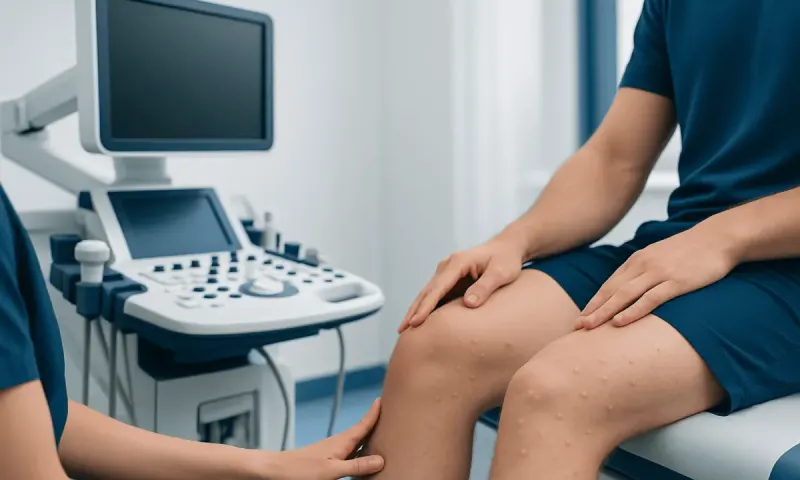
Assessment begins with a detailed conversation about the symptoms. A clinician may ask when the tingling started, whether it is constant or intermittent, if it affects one or both legs, and whether there is pain, weakness, numbness, back pain, or difficulty walking. Medical history is also important, including diabetes, thyroid disease, vitamin deficiencies, alcohol intake, recent infections, injuries, operations, and current medicines.
A physical examination may include checking strength, reflexes, sensation, balance, walking, pulses, skin temperature, and the range of movement of the back and legs. These findings can help determine whether the symptoms appear to come from a nerve root, peripheral nerve, circulation problem, or another source.
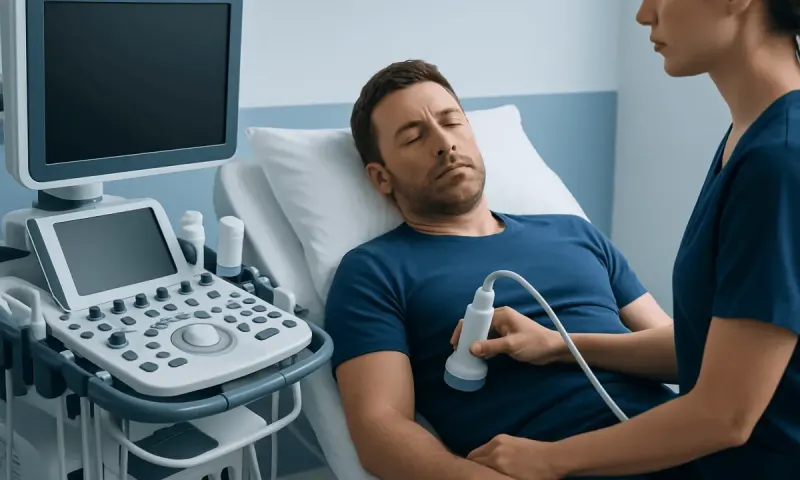
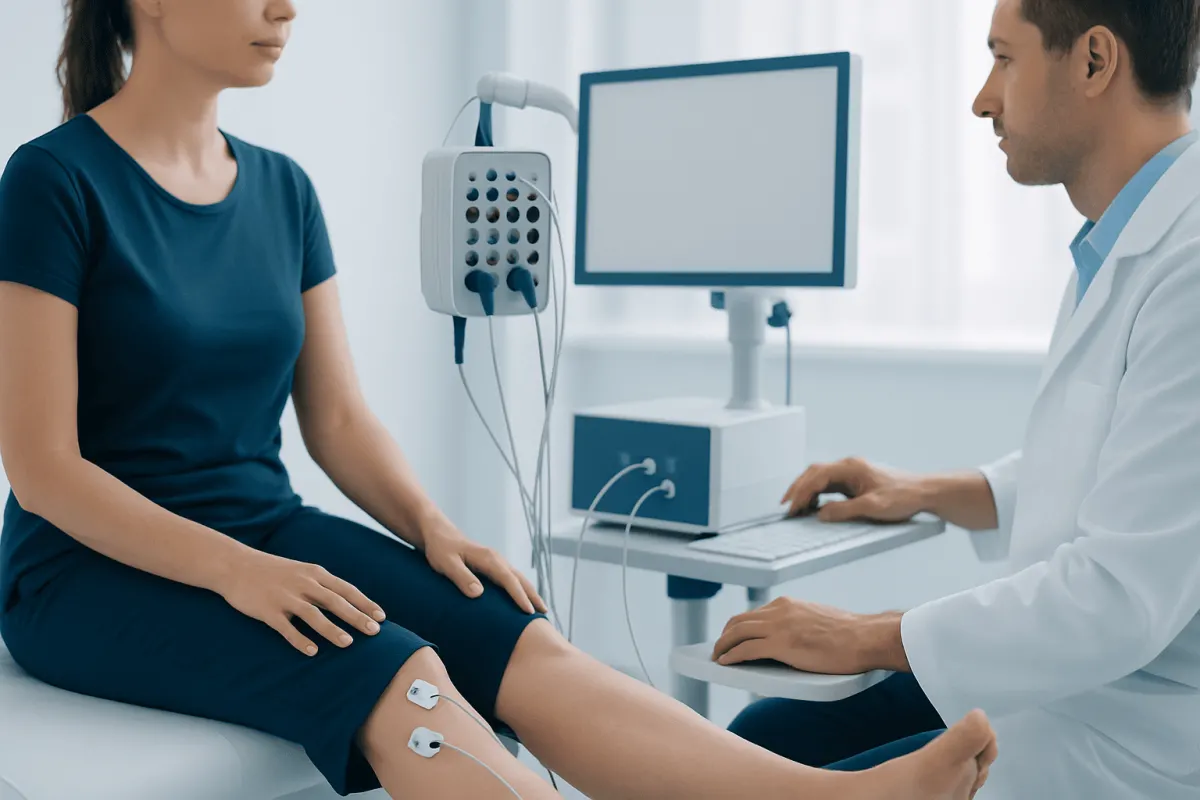
Tests are selected according to the suspected cause rather than performed routinely for everyone. Blood tests may check glucose levels, vitamin B12, thyroid function, kidney function, or markers of inflammation. Depending on the situation, imaging of the spine or leg, nerve conduction studies, electromyography, or vascular ultrasound may be recommended. These tests can help clarify the location and nature of nerve or blood-vessel problems.
Treatment Options Depend on the Cause
The most effective treatment for tingling in legs is treatment of the underlying cause. For positional tingling, regular movement, changing posture, and avoiding prolonged pressure on the legs may be enough. If a medicine is suspected of contributing, a clinician can review it and discuss alternatives when appropriate. People should not stop prescribed medicines without professional advice.
When a spinal or local nerve problem is involved, care may include activity modification, guided exercise, physical therapy, and approaches to manage pain or inflammation. Some people benefit from rehabilitation that improves posture, core strength, flexibility, and movement patterns. More advanced treatments may be considered if symptoms remain severe, there is significant nerve compression, or weakness is progressing.
For peripheral neuropathy, management focuses on the cause and symptom relief. This may include improving glucose management in diabetes, correcting a confirmed nutritional deficiency, reducing alcohol intake where relevant, and using clinician-prescribed treatments for nerve pain when needed. Daily foot care is particularly important for people with reduced sensation, as small injuries may otherwise go unnoticed.
It is helpful to have realistic expectations: nerve symptoms may improve gradually, especially when a reversible cause is addressed early. Some long-standing nerve conditions require ongoing management rather than a quick cure. Individual treatment plans should be discussed with a qualified doctor or neurologist.
Self-Care and Prevention Strategies
Simple habits can reduce episodes related to position or inactivity. Taking regular breaks from sitting, avoiding prolonged leg crossing, standing up periodically during travel, and using an ergonomic work setup may help. Gentle walking and stretching can support circulation and mobility, provided they do not worsen pain or cause instability.
A balanced diet that provides adequate vitamins and minerals supports general nerve health. For people with diabetes, following an agreed plan for blood glucose management, nutrition, physical activity, and regular health reviews can reduce the risk of nerve complications. Avoiding tobacco and limiting alcohol can also support circulation and nerve function.
Foot protection is sensible when tingling or numbness affects the feet. Comfortable, well-fitting footwear, daily checks for blisters or skin damage, and prompt attention to sores or infections are useful measures. People with diabetes or known neuropathy may benefit from individualized foot-care guidance from their healthcare team.
Home measures should not replace assessment when symptoms are persistent, painful, or changing. Strong massage, aggressive stretching, or unproven supplements may not be appropriate for every cause of tingling and can delay proper diagnosis. A clinician can advise which forms of exercise and self-care are suitable for the individual.
When to Seek Medical Care
A non-urgent medical appointment is appropriate for tingling that lasts more than a few days, keeps returning, spreads, disrupts sleep, or is associated with burning pain, numbness, weakness, falls, or changes in walking. Assessment is also advisable when symptoms occur in someone with diabetes, kidney disease, thyroid disease, a history of cancer treatment, heavy alcohol use, or a known spine condition.
Urgent medical care is needed if tingling begins suddenly together with weakness on one side of the body, facial drooping, trouble speaking, confusion, severe headache, or vision changes, as these can be signs of a stroke. Sudden tingling after a significant injury, especially with severe back or neck pain, should also be assessed promptly.
Emergency assessment is important for new leg weakness, numbness in the area around the groin or buttocks, or loss of bladder or bowel control. These symptoms can indicate serious pressure on nerves in the lower spine. A leg that becomes markedly swollen, pale, blue, cold, or very painful also needs urgent evaluation.
Acıbadem Health Point’s multidisciplinary specialists and JCI-accredited hospitals can assess persistent nerve, spine, and circulation-related symptoms for international patients. Timely evaluation helps identify the cause and guide appropriate, individualized care.
Frequently asked questions
01Is tingling in legs usually serious?
Brief tingling after sitting awkwardly or staying still for a long time is usually temporary and improves after changing position. Persistent, frequent, painful, or worsening tingling may need assessment because it can be related to nerve, spine, metabolic, or circulation conditions.
02Can dehydration cause tingling in legs?
Dehydration is not among the most common direct causes of tingling, but significant fluid or electrolyte imbalance can sometimes affect muscle and nerve function. Tingling that continues after hydration, or occurs with weakness, cramps, or illness, should be discussed with a healthcare professional.
03Can anxiety cause pins and needles in the legs?
Anxiety and rapid breathing can sometimes cause temporary tingling, often in the hands, feet, or around the mouth. However, anxiety should not be assumed to be the cause of ongoing or one-sided leg symptoms until physical causes have been considered.
04Why do my legs tingle at night?
Symptoms may feel more noticeable at night because there are fewer distractions and certain sleeping positions can place pressure on nerves. Peripheral neuropathy, restless legs syndrome, back-related nerve irritation, and circulation issues may also contribute, so recurring nighttime symptoms should be evaluated.
05Can vitamin B12 deficiency cause tingling in legs?
Yes. Vitamin B12 deficiency can affect the nervous system and may cause tingling, numbness, balance problems, fatigue, or weakness. A blood test can help confirm whether B12 deficiency is present, and treatment should be guided by a clinician.
06What is the difference between tingling and numbness?
Tingling is an abnormal sensation such as prickling, buzzing, or pins and needles. Numbness is reduced or absent feeling in an area. They can occur together when a nerve is compressed or affected by a medical condition.
This article is for general information only and is not a substitute for professional medical advice. Please consult a qualified doctor about your individual situation.
Joint and spine care in Turkey — expert assessment & treatment
JCI-accredited · board-certified surgeons · reply within 24h
Add us as a Preferred Source to see more of our trusted health content across Google Search, AI Overviews and Discover.