How Do I Know If I Have ED? Signs to Recognize
Occasional difficulty getting or keeping an erection is common and is often temporary, especially during stress, fatigue, illness, or after drinking alcohol. Erectile dysfunction (ED) is more likely when the problem happens repeatedly over time, causes concern, or affects sexual activity and relationships.
How can someone tell if they may have ED?
Someone may have erectile dysfunction, commonly called ED, if they repeatedly have trouble getting an erection, keeping it long enough for sexual activity, or achieving an erection that feels firm enough for satisfactory sex. One isolated episode is very common and does not usually mean there is a medical disorder. Stress, lack of sleep, alcohol, a temporary illness, worries about performance, and normal day-to-day changes can all affect erections.
ED is generally considered when erection difficulty is persistent or recurrent rather than occasional. It may develop gradually, with erections becoming less reliable over months, or it may appear more noticeably after a health change, medication change, emotional difficulty, or relationship concern. The most useful question is not whether every erection is perfect, but whether the pattern is ongoing and troubling.
Because erections depend on blood flow, nerves, hormones, emotional wellbeing, and sexual stimulation, ED can have more than one contributing factor. It is a common health concern and is often treatable. Speaking openly with a qualified doctor can help identify possible causes and appropriate next steps.
What symptoms and patterns can suggest ED?
ED can look different from person to person. Some people can get an erection but lose it before or during sex. Others need much more stimulation than before, have erections that are less firm, or find that erections occur less often. Difficulty may happen in every situation or only with a partner, during certain circumstances, or at particular times of life.
Changes in spontaneous or morning erections may be relevant. Regular morning erections can suggest that the physical erection mechanisms are functioning, although they do not rule out ED or prove that a difficulty is entirely psychological. Likewise, fewer morning erections may occur with poor sleep, aging, medication effects, hormone changes, or medical conditions, so this finding needs clinical context.
- Difficulty getting an erection despite sexual interest or stimulation
- Difficulty maintaining an erection through sexual activity
- Erections that are consistently less firm than desired
- Reduced confidence or avoidance of intimacy because of erection concerns
- Changes occurring alongside low sexual desire, fatigue, mood changes, or other health symptoms
Low desire and ED are related but not identical. A person may want sex but have trouble with erections, or may have reduced desire due to stress, depression, low testosterone, medication effects, relationship concerns, or illness. A clinician can help distinguish these concerns.
Why ED can happen: common causes and risk factors

Many temporary erection problems have everyday explanations, including anxiety, pressure to perform, tiredness, alcohol use, or a stressful period. When difficulties persist, it is important to consider physical factors as well. Blood vessels play a central role in erections, and conditions that affect circulation can contribute to ED.
Common health-related contributors include diabetes, high blood pressure, high cholesterol, obesity, heart and vascular disease, sleep disorders, neurological conditions, chronic kidney disease, and hormonal conditions. ED can sometimes be an early sign of vascular disease because penile blood vessels may be affected before symptoms occur elsewhere. This does not mean ED always indicates heart disease, but it is one reason a medical assessment can be valuable.
Some prescription medicines can affect erections or sexual desire. These may include certain treatments for blood pressure, depression or anxiety, prostate symptoms, pain, and other conditions. People should not stop prescribed medication on their own; a doctor may be able to review alternatives or adjust the overall treatment plan safely.
Smoking, frequent heavy alcohol use, recreational drugs, physical inactivity, and poor sleep can also increase the likelihood of ED. Emotional health matters too: anxiety, depression, grief, trauma, relationship difficulties, and concerns about sexual performance can cause or worsen symptoms. Often, physical and psychological factors overlap.
What red flags mean medical care should not wait?
Most erection difficulties are not emergencies, but prompt assessment is sensible when symptoms are sudden, persistent, or accompanied by other changes in health. A new pattern of ED, particularly in someone with diabetes, high blood pressure, high cholesterol, or a smoking history, is a good reason to arrange a routine medical review. It may provide an opportunity to check cardiovascular and metabolic health.
Urgent medical care is needed for an erection that is painful and lasts longer than four hours, even if sexual activity has ended. This can be priapism, which can damage penile tissue without timely treatment. Severe penile pain, swelling, bruising, a bend or popping sensation after injury, or new marked curvature should also be assessed urgently.
Emergency care is appropriate if erection difficulties occur with chest pain, severe shortness of breath, fainting, weakness on one side of the body, or other symptoms that could indicate a serious heart or neurological problem. These symptoms should not be attributed to ED alone.
For non-urgent but ongoing concerns, a primary care doctor, urologist, or sexual health clinician can help. Earlier conversations are often useful because treatment can address both sexual wellbeing and underlying health factors.
How doctors evaluate possible ED
A doctor usually begins by asking about the pattern of symptoms: when they began, how often they occur, whether erections happen during sleep or masturbation, and whether desire, ejaculation, orgasm, or penile shape has changed. Questions about stress, mood, relationships, alcohol, smoking, sleep, exercise, and medication use help create a complete picture. These discussions are routine and confidential.
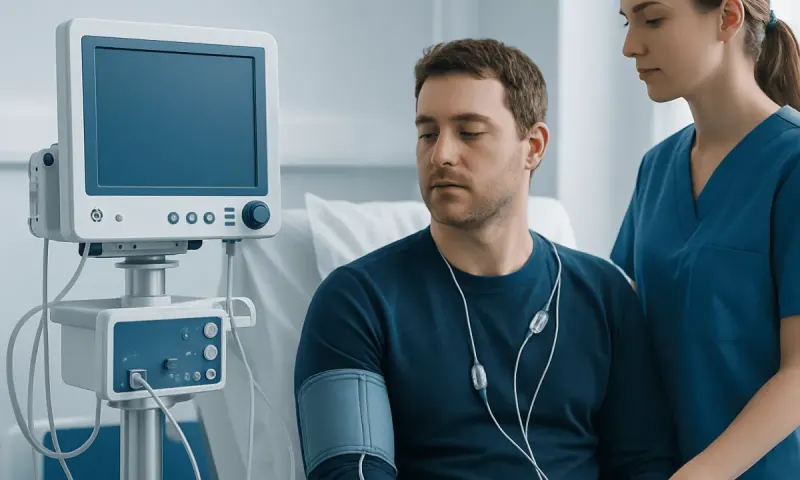
The clinician may review medical history for conditions such as diabetes, blood pressure problems, heart disease, neurological illness, or past pelvic surgery. A physical examination may include blood pressure, weight or waist assessment, and examination of the genitals when appropriate. The purpose is to identify signs of hormonal, vascular, neurological, or structural causes.
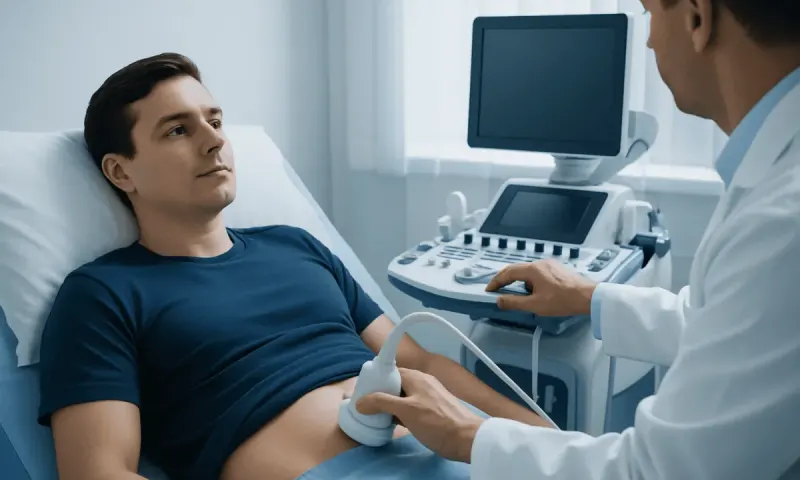
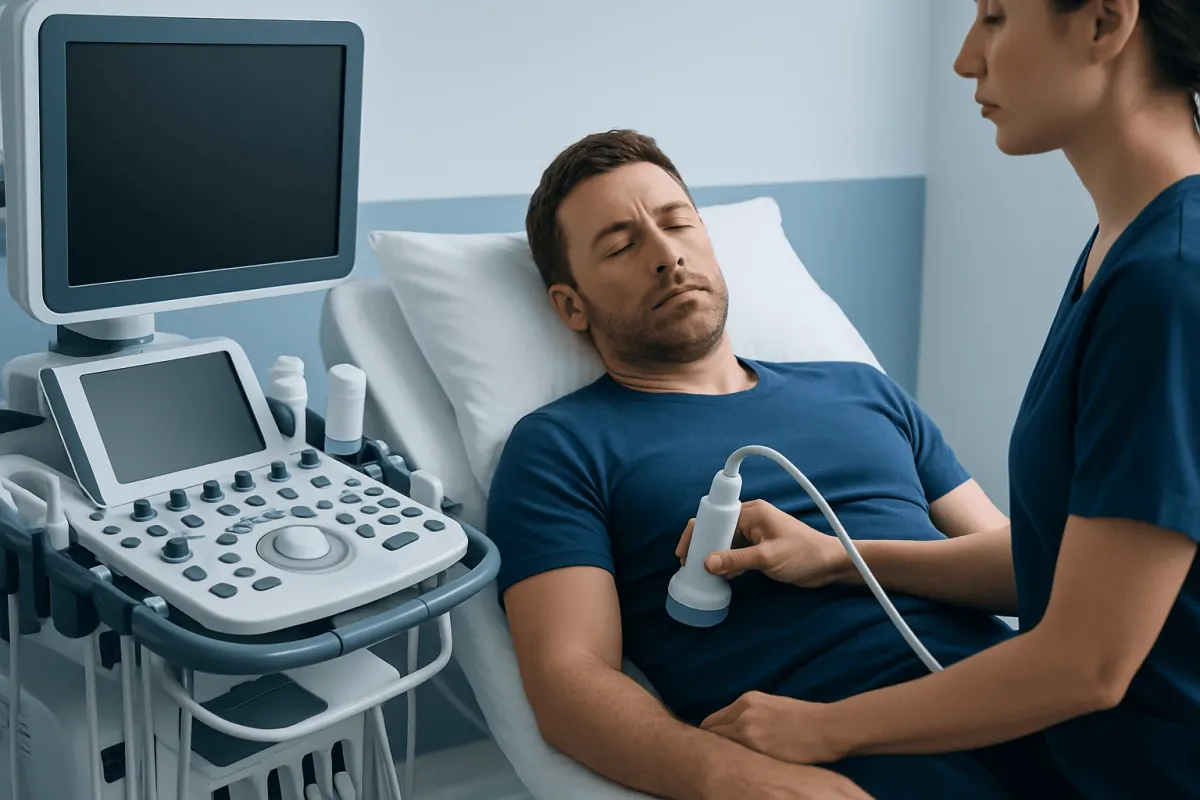
Blood tests may be recommended to check for diabetes, cholesterol levels, kidney function, thyroid conditions, or testosterone when symptoms suggest a hormonal issue. Further testing is not required for everyone. In selected cases, specialists may use penile blood-flow ultrasound or other assessments, especially when symptoms follow injury, surgery, or do not improve with initial care.
ED may occur alongside other urological concerns, such as urinary symptoms or prostate conditions. A clinician can determine whether related assessment is needed and can explain options for erectile dysfunction evaluation in an individual situation.
Treatment options and supportive steps
Effective care for ED starts with addressing contributing factors where possible. This may include improving sleep, increasing physical activity, reducing or stopping smoking, limiting alcohol, managing stress, and working toward a weight that supports overall health. Better management of diabetes, blood pressure, cholesterol, depression, anxiety, or sleep apnea may also improve erectile function and reduce broader health risks.
Psychological support can be very helpful when stress, anxiety, mood symptoms, relationship concerns, or performance worries contribute to the problem. Individual counseling or sex therapy may be used alone or alongside medical treatment. Involving a partner, if both people are comfortable, can sometimes improve communication and reduce pressure.
Prescription medicines known as PDE5 inhibitors are commonly used for ED, but they are not suitable for everyone. In particular, they must not be combined with nitrate medicines used for chest pain because the combination can dangerously lower blood pressure. A doctor should review heart health, current medicines, and individual risks before prescribing treatment.
Other options may include vacuum erection devices, injectable or urethral medicines, hormone treatment when a confirmed hormone deficiency is present, or surgical approaches in selected circumstances. The right choice depends on the cause, preferences, safety considerations, and response to earlier treatments. Specialist assessment for erectile dysfunction treatment can help patients understand these options clearly.
Preparing for a medical appointment and caring for overall health
Keeping a brief record before an appointment can make the discussion easier. It may help to note when the problem started, whether it is always present or situational, any changes in morning erections or sexual desire, recent stressors, and all medicines and supplements being used. Information about diabetes, blood pressure, cholesterol, sleep, and tobacco or alcohol use is also relevant.
It is best to avoid buying unregulated sexual enhancement products online or from informal sources. Some products may contain undisclosed prescription ingredients or unsafe substances, and they can interact with heart medicines and other treatments. A healthcare professional can recommend safer, evidence-based options.
Open communication with a partner can reduce shame and performance pressure. ED is a medical and emotional health issue, not a measure of masculinity, attraction, or relationship quality. If symptoms are persistent, a professional assessment is a practical and constructive next step.
Acıbadem Health Point’s multidisciplinary specialists and JCI-accredited hospitals can assess and treat ED for international patients, with care tailored to medical history and individual needs.
Frequently asked questions
01Can one episode of erection difficulty mean ED?
Usually, no. A single episode can happen because of stress, fatigue, alcohol, distraction, illness, or temporary anxiety. ED is more likely when the difficulty happens repeatedly and affects sexual activity over time.
02Can anxiety cause erectile dysfunction?
Yes. Anxiety about performance, stress, depression, relationship difficulties, and other emotional factors can interfere with sexual arousal and erections. These factors may occur alone or alongside physical causes, and both can be treated.
03Do morning erections mean someone does not have ED?
Not necessarily. Morning or spontaneous erections may suggest that the physical erection response is working at least some of the time, but they do not rule out ED. A doctor considers the full pattern of symptoms, health history, medications, and lifestyle factors.
04Is ED a sign of heart disease?
ED is not always caused by heart disease, but it can be linked to blood vessel health and risk factors such as diabetes, high blood pressure, high cholesterol, and smoking. Persistent or new ED is a reasonable reason to ask a doctor about cardiovascular risk assessment.
05Which doctor should someone see for ED?
A primary care doctor can often start the evaluation, review medications, and check for common health conditions. A urologist, endocrinologist, cardiologist, or mental health professional may become involved depending on suspected causes and individual needs.
06When is an erection problem an emergency?
Seek urgent medical care for a painful erection lasting more than four hours, severe pain or injury to the penis, or significant swelling or bruising. Emergency care is also needed if sexual symptoms occur with chest pain, fainting, severe shortness of breath, or stroke-like symptoms.
This article is for general information only and is not a substitute for professional medical advice. Please consult a qualified doctor about your individual situation.
Explore treatments in Turkey — costs, top hospitals & a free quote
JCI-accredited · board-certified surgeons · reply within 24h
Add us as a Preferred Source to see more of our trusted health content across Google Search, AI Overviews and Discover.