Tick Repellent: Types, Uses and Safety

Key Takeaways
- Tick repellents do not eliminate all risk, so clothing choices and tick checks still matter.
- Products containing DEET, picaridin, IR3535, oil of lemon eucalyptus, or permethrin may help prevent tick bites when used as directed.
- Permethrin is used on clothing and gear, while skin repellents are applied directly to exposed skin.
- Children, pregnant people, and individuals with sensitive skin may need extra guidance when choosing a product.
- A fever, rash, fatigue, or flu-like symptoms after a tick bite should prompt medical advice.
Tick repellent is one part of a broader plan to reduce tick bites, especially during outdoor activities in grassy, wooded, or brushy areas. Choosing the right product, using it correctly, and checking skin and clothing afterward can make prevention much more effective.
Overview
Tick repellent is best understood as a practical layer of protection rather than a complete shield. For people who hike, garden, camp, travel to rural areas, or spend time in parks and fields, it can reduce the chance of a tick attaching to skin or clothing long enough to feed.
Ticks are small, but the illnesses they may carry are worth taking seriously in a calm, preventive way. The goal is not to avoid the outdoors; it is to make outdoor time safer through a combination of repellent, sensible clothing, and routine tick checks after exposure.
Different products work in different ways. Some are applied to skin, while others are made for clothing, shoes, socks, or outdoor gear. Understanding that difference helps people choose a product that matches their activity and their comfort level.
How Tick Repellents Work

Tick repellents aim to keep ticks from climbing onto skin, biting, or staying attached long enough to feed. Some ingredients make the skin less attractive to ticks, while others bind to fabric and create a treated surface that can discourage or kill ticks on contact.
Skin-applied repellents are usually chosen for exposed areas such as wrists, ankles, neck, or hands, depending on the activity. Clothing treatments, especially permethrin-based products, are used on garments and gear rather than on skin, which is an important safety distinction.
Because no repellent is perfect, the most reliable approach combines several habits: long sleeves, pants tucked into socks, walking on clear trails, and checking the body carefully after time outdoors. That combination is especially useful for travelers who may be unfamiliar with local tick exposure risks.
Common Active Ingredients
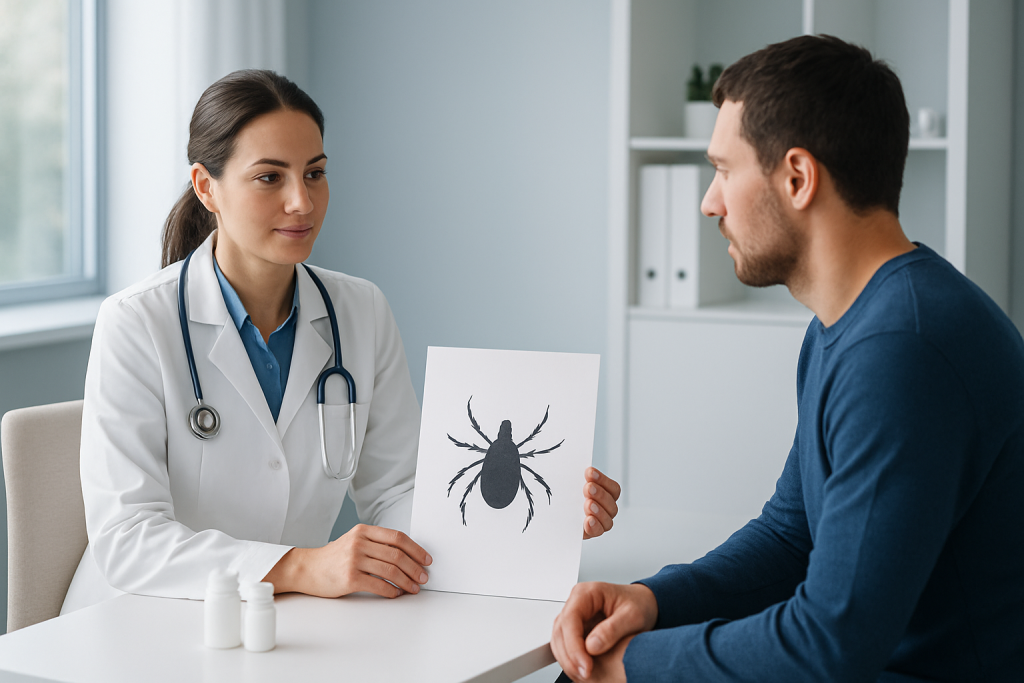
Several ingredients are commonly used in products marketed as tick repellent. DEET, picaridin, IR3535, and oil of lemon eucalyptus are found in many skin-applied repellents and are widely used for general insect protection, including against ticks in many settings.
Permethrin is different because it is designed for clothing, footwear, tents, and similar items. It should not be used directly on skin. Once dry on fabric, it can provide an added barrier for people spending extended time outdoors.
- DEET: Often used for exposed skin in outdoor environments.
- Picaridin: A skin-applied option valued by many users for its non-greasy feel.
- IR3535: Another skin-applied repellent used in some products.
- Oil of lemon eucalyptus: A plant-based option that may suit some adults when used as labeled.
- Permethrin: Intended for clothing and gear, not skin.
The best choice depends on the setting, age, skin sensitivity, and whether the person needs protection for a short walk or a longer stay in tick-prone areas. A clinician or pharmacist can help narrow options for children, pregnancy, or medical sensitivity.
Symptoms After a Tick Bite
Many tick bites cause only mild local skin changes, such as a small red bump, itchiness, or a brief sense of irritation. In some cases, the tick is noticed and removed before symptoms develop.
More important is what happens in the days or weeks after a bite. Fever, headache, unusual tiredness, muscle aches, joint pain, swollen lymph nodes, or a spreading rash can suggest an illness that needs medical evaluation. A rash does not always look the same from one person to another.
It is also possible to miss the bite entirely, especially if the tick is small or attached in a hidden area such as the scalp, behind the knees, under clothing lines, or in skin folds. That is why prevention and post-exposure checks work best together.
Causes & Risk Factors
Tick exposure increases when people spend time in areas where ticks live, especially tall grass, leaf litter, shrubs, wooded paths, and some rural or suburban landscapes. Pets that move through these areas can also carry ticks indoors.
Risk is usually higher during outdoor activities that involve sitting on the ground, brushing against vegetation, or walking off established trails. Travelers may be surprised by local tick activity if they are visiting a region with a different climate or seasonal pattern than home.
People do not need to avoid all outdoor activity, but they do benefit from planning ahead. Clothing choice, use of repellent, and a quick routine afterward can make a meaningful difference in exposure.
Diagnosis
Tick repellent itself does not require a medical diagnosis, but the reason for using it is prevention of tick exposure and tick-borne disease. If a tick has attached, the first step is often careful removal and observation of the skin and general health.
Doctors may ask when and where the bite occurred, how long the tick may have been attached, whether the tick was removed completely, and whether any symptoms have appeared. In some situations, testing may be considered if symptoms suggest an illness, though early results can be limited depending on the infection and the timing.
For international patients, bringing notes or photos of the tick, the bite site, and symptom timing can be helpful, especially if care begins in one country and follow-up happens in another. Clear documentation often makes the next medical visit more efficient.
Treatment Options
Treatment depends on the situation. If the tick is still attached, it should be removed promptly and correctly with fine-tipped tweezers or by a trained healthcare professional if removal is difficult. The skin area should then be cleaned gently.
If symptoms develop after a tick bite, the doctor may recommend further evaluation and treatment based on the suspected illness. Not every bite leads to infection, but persistent fever, rash, or body aches should never be dismissed as ordinary fatigue, especially after outdoor exposure.
For people who travel for treatment or follow-up, a sensible plan includes knowing where to seek care if symptoms appear after returning home. That may mean contacting the treating clinic, a local physician, or an urgent care service depending on how unwell the person feels.
Prevention & Self-care
Prevention works best when tick repellent is only one part of the routine. Wearing light-colored long clothing, tucking pants into socks, and using permethrin-treated clothing or gear where appropriate can reduce the chance that ticks reach skin.
After time outdoors, a full-body tick check is one of the most useful habits. Pay attention to hairlines, behind the ears, under arms, around the waist, behind knees, and between toes. Showering soon after being outdoors may also help with finding ticks before they remain attached.
Safe self-care also means using products exactly as directed on the label. Repellents should not be overapplied, mixed together without guidance, or used on broken skin unless the instructions allow it. Children and people with sensitive skin may need especially careful product selection.
- Apply skin repellent only to exposed areas as labeled.
- Use permethrin on clothing and gear, not directly on skin.
- Wash treated clothing according to the product instructions.
- Check pets and outdoor gear after returning indoors.
People who are traveling internationally may find it useful to pack a small tick-prevention kit: a suitable repellent, a pair of tweezers, antiseptic wipes, and a plan for where to get medical advice if symptoms appear after the trip.
When to See a Doctor
Medical advice is appropriate if a tick cannot be removed completely, if the bite site becomes increasingly red or painful, or if a rash develops after outdoor exposure. Fever, chills, headache, muscle aches, joint pain, or marked fatigue after a tick bite deserve prompt attention.
It is also wise to speak with a doctor before choosing a repellent if there is pregnancy, infancy, sensitive skin, or a history of reactions to insect products. A clinician can help balance safety and effectiveness without creating unnecessary worry.
If someone is unsure whether a symptom is related to a tick bite, it is safer to ask than to wait. Early evaluation can be especially helpful for travelers who may not be able to follow up easily once they return home. Acibadem Health Point’s multidisciplinary specialists and JCI-accredited hospitals diagnose and treat tick-related concerns for international patients in a coordinated setting.
Frequently asked questions
01What is the best tick repellent for skin?
Products containing DEET, picaridin, IR3535, or oil of lemon eucalyptus are commonly used on exposed skin. The best option depends on the person's age, skin sensitivity, and where they are spending time. Following the label directions is more important than choosing the strongest product.
02Is permethrin the same as regular tick repellent?
No. Permethrin is used on clothing, shoes, and gear, not on skin. Skin repellents are applied directly to exposed areas, while permethrin adds protection to fabric and equipment.
03Can children use tick repellent?
Many repellents can be used on children when the product label allows it, but age limits and application rules vary. A parent or caregiver should choose a product carefully and avoid overapplying it. When in doubt, a pediatrician or pharmacist can help.
04How often should tick repellent be reapplied?
That depends on the product and the activity level. Sweat, swimming, and time outdoors can reduce how long protection lasts, so the label should always guide reapplication. It is also important not to use more than recommended.
05What should someone do if a tick is found attached?
It should be removed as soon as possible with fine-tipped tweezers or by a healthcare professional if removal is difficult. The area should be cleaned afterward, and the person should watch for symptoms such as fever, rash, or body aches. If symptoms appear, medical advice is appropriate.
06Do natural repellents work as well as chemical ones?
Some plant-based products may help in certain situations, but they are not all equally effective or long-lasting. The most suitable option depends on the exposure level and the exact product. Reading the label and choosing a repellent with evidence-based ingredients is the safest approach.
This article is for general information only and is not a substitute for professional medical advice. Please consult a qualified doctor about your individual situation.
Explore treatments in Turkey — costs, top hospitals & a free quote
JCI-accredited · board-certified surgeons · reply within 24h
Add us as a Preferred Source to see more of our trusted health content across Google Search, AI Overviews and Discover.