Benign Lymph Nodes: Common Causes of Swelling
A benign lymph node is an enlarged or noticeable lymph node that is not caused by cancer. Most are reactive lymph nodes, meaning they are responding normally to an infection, inflammation, or another temporary immune-system trigger.
Overview: what does a benign lymph node mean?
A benign lymph node is a lymph node that is enlarged, palpable, or seen on an imaging test but is not cancerous. Lymph nodes are small, bean-shaped structures that support the immune system by filtering lymph fluid and helping the body recognize infections and other foreign material. They are found throughout the body, especially in the neck, underarms, groin, chest, and abdomen.
In most cases, a benign lymph node is “reactive.” This means it has become more active because the body is responding to a nearby infection, inflammation, injury, or immune stimulus. For example, neck lymph nodes may enlarge with a cold, sore throat, dental infection, or scalp irritation.
Feeling a lymph node can be unsettling, but enlargement alone does not identify its cause. A clinician considers the whole picture, including where the node is located, how long it has been present, whether it is changing, and whether there are other symptoms. Most enlarged lymph nodes are related to common, noncancerous causes.
How lymph nodes can feel and behave
Benign or reactive lymph nodes may feel like small round or oval lumps beneath the skin. They are often soft or rubbery and may move slightly under the fingers. Some are tender, particularly when they enlarge quickly during an infection. However, touch alone cannot reliably determine whether a node is benign, so self-examination should not replace medical assessment when a lump is persistent or concerning.
Not all lymph nodes can be felt. Nodes deeper in the chest or abdomen may only be detected on imaging performed for another reason. Imaging can describe features that appear more or less reassuring, but the scan result must be interpreted together with medical history, examination, and any needed follow-up.
A lymph node may remain noticeable for a while after an illness has resolved. The immune response can settle gradually, and a node may not return exactly to its previous size. Repeatedly squeezing or checking the area can cause local tenderness and make it difficult to tell whether there is a genuine change.
- Neck nodes may react to respiratory, throat, ear, dental, or skin conditions.
- Underarm nodes may react to infections or skin inflammation of the arm, chest, or breast area, and sometimes after vaccination.
- Groin nodes may react to skin problems, infections, or injuries affecting the legs, feet, genital area, or lower abdomen.
Common causes of benign lymph node enlargement
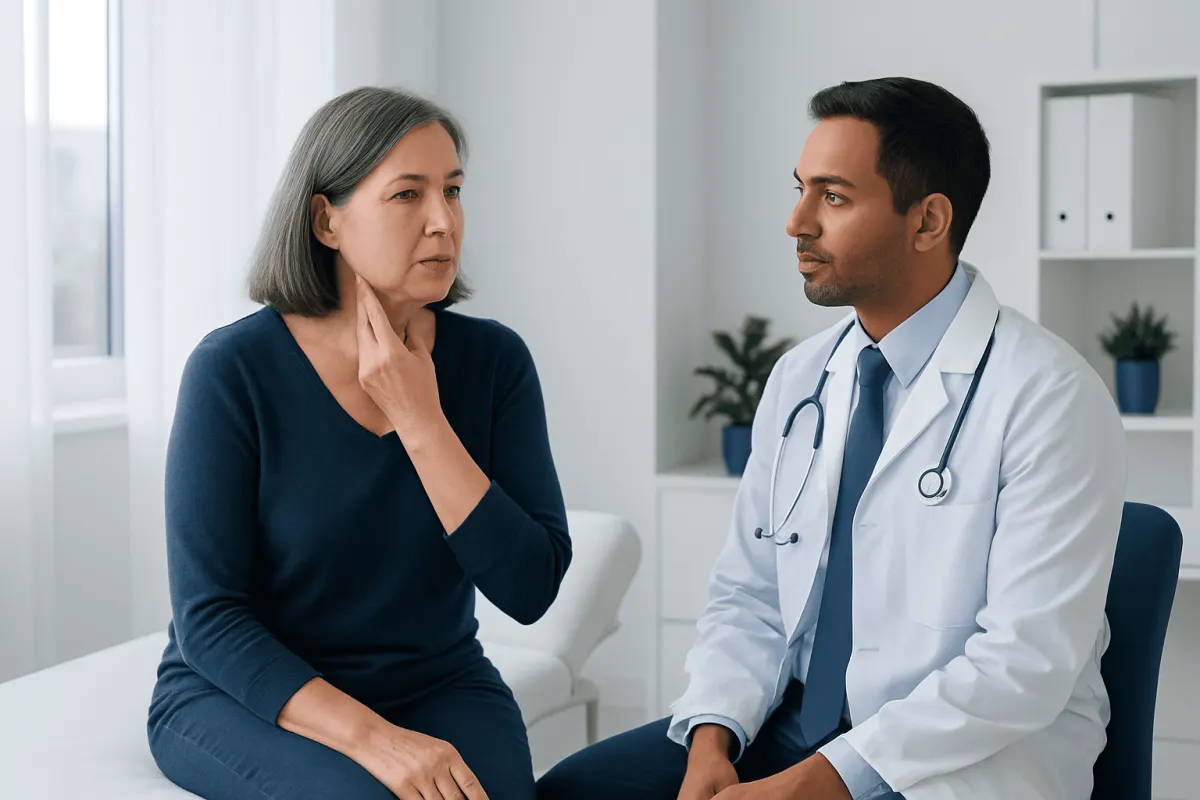
Infections are among the most frequent causes of benign lymph node enlargement. Viral illnesses such as colds, influenza-like infections, and infectious mononucleosis can cause lymph nodes to swell. Bacterial infections of the throat, skin, teeth, or ears can also lead to nearby lymph node enlargement. In these situations, the node is participating in the body’s immune response.
Inflammatory skin conditions, minor cuts, insect bites, autoimmune diseases, and some medications can also cause reactive nodes. Vaccinations may temporarily enlarge lymph nodes near the injection site, most often in the underarm after an upper-arm injection. This usually improves with time, but patients should tell their clinician about recent vaccination when being evaluated for a lump or having breast imaging.
Less commonly, enlarged lymph nodes can be associated with blood disorders, immune conditions, or cancers. This is why a clinician may recommend further assessment if a node has atypical features, continues to enlarge, occurs without an obvious explanation, or is accompanied by broader symptoms. Evaluation is intended to clarify the cause rather than to assume the worst.
How doctors assess a lymph node
Assessment usually starts with a detailed history. A doctor may ask about recent infections, sore throat, dental symptoms, skin wounds, travel, medications, vaccinations, contact with animals, immune conditions, and changes such as fever or unintended weight loss. They will also ask when the lump was first noticed and whether it has changed over time.
During the examination, the clinician assesses the node’s location, size, tenderness, consistency, mobility, and whether other lymph node areas are involved. They may examine the throat, ears, teeth, skin, abdomen, breasts, or limbs depending on the node’s location and a person’s symptoms.
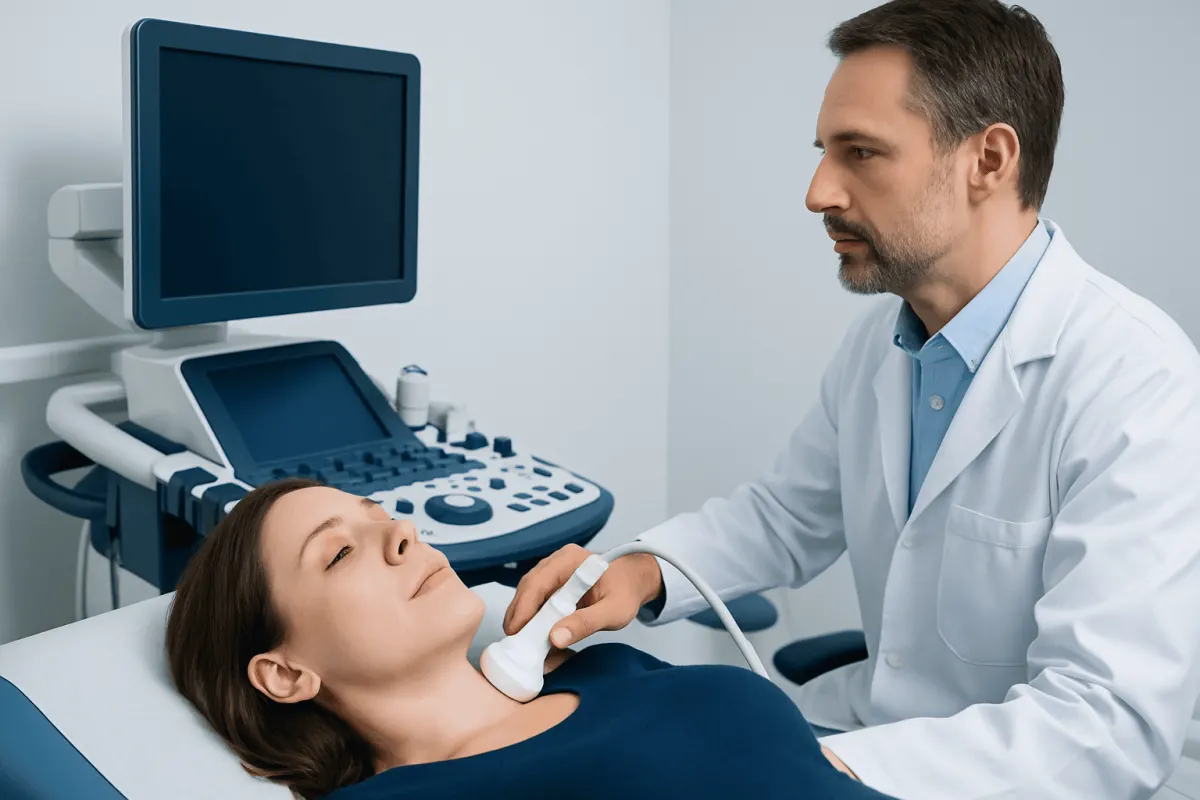
When further investigation is needed, tests may include blood tests or imaging such as ultrasound. Ultrasound is particularly useful for assessing superficial lymph nodes and surrounding tissues. In selected cases, doctors may recommend a needle sample or surgical biopsy to examine cells or tissue under a microscope. A biopsy is not needed for every enlarged node; it is considered when the clinical findings or follow-up pattern make tissue confirmation appropriate.
Follow-up is often an important part of care. If the likely cause is a recent infection and the examination is reassuring, a clinician may advise monitoring the node over a defined period while treating or allowing the underlying condition to resolve.
Treatment and day-to-day care
A benign lymph node itself does not usually need treatment. Care focuses on the underlying cause. For example, a viral illness may require rest, fluids, and symptom relief, while a confirmed bacterial infection may need treatment prescribed by a clinician. Antibiotics do not help viral infections and should only be used when medically indicated.
For a tender node associated with a minor infection, practical measures such as rest, adequate hydration, and a warm compress may provide comfort. Over-the-counter pain relief may be appropriate for some people, but the safest choice depends on age, pregnancy status, medical conditions, allergies, and other medicines. A pharmacist or doctor can offer individual guidance.
It is best not to massage, squeeze, or repeatedly measure the node at home. Instead, note the approximate location and any meaningful changes, such as continued enlargement or new symptoms. If a clinician has arranged review or repeat imaging, attending that follow-up is an important part of safe care.
When specialists are needed, Acıbadem Health Point’s multidisciplinary teams and JCI-accredited hospitals can assess lymph node concerns and coordinate diagnostic care for international patients.
When to seek medical care
A new swollen lymph node should be discussed with a doctor if it does not improve after a recent illness has passed, remains present for several weeks without a clear explanation, or appears to be getting larger. Assessment is also sensible when the lump is hard to define, fixed in place, or located above the collarbone, even if it is not painful.
Prompt medical advice is important if lymph node enlargement occurs with persistent fever, drenching night sweats, unexplained weight loss, marked fatigue, widespread itching, easy bruising, or recurrent infections. These symptoms can have many causes, but they deserve professional evaluation when they are ongoing or unexplained.
Urgent care is appropriate for difficulty breathing or swallowing, rapidly increasing neck swelling, severe illness, or signs of a serious infection such as high fever with worsening redness, warmth, pain, or pus near the affected area. People with a weakened immune system, including those receiving immune-suppressing treatment, should seek advice earlier for new or persistent swollen lymph nodes.
Prevention and healthy monitoring
It is not possible to prevent every reactive lymph node because they are part of normal immune function. Reducing the risk of infections through regular handwashing, recommended vaccinations, dental care, wound care, and management of chronic skin conditions may reduce common triggers for lymph node swelling.
For someone who has been advised to observe a likely reactive node, monitoring should be calm and structured. Checking no more often than recommended by a healthcare professional can help avoid irritation and anxiety. Keeping a brief note of the date, associated illness, and any clear size or symptom changes may be useful at a follow-up appointment.
A balanced diet, sufficient sleep, regular physical activity, and avoiding tobacco support general health, although they do not specifically shrink lymph nodes. The key step is addressing the reason a node has enlarged and seeking review if the expected improvement does not occur.
Frequently asked questions
01Is a benign lymph node the same as a swollen lymph node?
A benign lymph node is noncancerous, while a swollen lymph node simply describes enlargement. Many swollen lymph nodes are benign and reactive, especially during or after an infection. A clinician may use examination and, if needed, tests to determine the likely cause.
02How long can a reactive lymph node stay enlarged?
A reactive lymph node often reduces in size as the infection or inflammation improves, but this may take several weeks. Some nodes remain slightly more noticeable after the original trigger has resolved. A node that persists, grows, or has no clear explanation should be assessed by a doctor.
03Can a benign lymph node be painful?
Yes. Tenderness can occur when a lymph node enlarges quickly in response to infection or nearby inflammation. Pain is not by itself a reliable way to determine the cause, so persistent or worsening symptoms should be discussed with a healthcare professional.
04Can ultrasound tell if a lymph node is benign?
Ultrasound can provide useful information about a lymph node’s size, shape, internal appearance, and blood flow pattern. It may support a benign or reactive explanation, but results are interpreted alongside symptoms, examination findings, and medical history. Occasionally, follow-up imaging or a tissue sample is needed for clarity.
05Should a person take antibiotics for swollen lymph nodes?
Antibiotics are only helpful when a clinician suspects or confirms a bacterial infection. Many swollen lymph nodes are caused by viral illnesses and will not improve with antibiotics. Taking antibiotics unnecessarily can cause side effects and contribute to antibiotic resistance.
06What lymph node changes need prompt medical advice?
Medical advice should be sought for a node that is growing, persists without improvement, is associated with unexplained fever, night sweats, weight loss, or appears above the collarbone. Urgent assessment is needed for breathing or swallowing difficulty, rapidly increasing swelling, or signs of a serious infection.
This article is for general information only and is not a substitute for professional medical advice. Please consult a qualified doctor about your individual situation.
Hair transplant in Turkey — costs, graft counts & a free assessment
JCI-accredited · board-certified surgeons · reply within 24h
Add us as a Preferred Source to see more of our trusted health content across Google Search, AI Overviews and Discover.