Testicle Soreness and Swelling: When to Seek Care
Testicle soreness and swelling can follow minor injury, strenuous activity, skin irritation, or infection, and many cases improve with rest and supportive care. However, sudden intense pain or swelling can signal a time-sensitive problem, so knowing the timeline and warning signs is important.
Overview: What Testicle Soreness and Swelling Can Mean
Testicle soreness and swelling are common symptoms with many possible causes. In many people, mild discomfort follows a small bump, prolonged sitting, vigorous exercise, or temporary irritation and improves with simple measures over several days. It is still important not to assume that every episode is harmless, because some causes need prompt medical care.
The testicles sit within the scrotum alongside the epididymis, a coiled tube that stores sperm, and the spermatic cord, which carries blood vessels and other structures. Swelling may involve the testicle itself, the surrounding scrotal tissues, or fluid around the testicle. The pattern of symptoms, including how quickly they began and whether there is fever, urinary trouble, or nausea, helps guide the next steps.
Sudden, severe pain on one side is the most important warning sign. It can occur with testicular torsion, where the blood supply becomes twisted, and emergency assessment is needed. Less urgent but still important causes include infection, a hernia, a fluid collection, enlarged veins, or rarely a testicular tumour.
A Practical Timeline for Symptoms
Symptoms that begin soon after a clear minor injury or strenuous activity may be due to bruising, muscle strain in the groin, or temporary irritation. Testicle swelling after exercise can sometimes occur because of friction, inadequate support, or a previously unnoticed condition such as a hernia or varicocele. Mild symptoms should begin to ease with rest rather than steadily worsen.
During the first 24 hours after a minor knock, tenderness and modest swelling may develop. If pain is manageable, there is no nausea or vomiting, and the testicle does not appear unusually high or rotated, supportive care may be reasonable while arranging medical advice if symptoms persist. A direct blow that causes substantial swelling, bruising, or continuing pain should be assessed the same day.
Over the next 48 to 72 hours, uncomplicated soreness should generally show gradual improvement. If testicle swelling and soreness is unchanged, worsening, recurrent, or not clearly linked to an injury or activity, a clinician should examine it. Symptoms lasting more than a few days, or any newly felt lump or heaviness, should not be managed with self-care alone.
Common Causes and Risk Factors

Minor trauma is a frequent cause of short-lived discomfort. Testicle swelling after injury may result from bruising or bleeding into scrotal tissues, although more significant trauma can injure the testicle itself. Contact sports, cycling, falls, and workplace accidents can all cause injury, particularly without protective equipment.
Infection or inflammation can affect the epididymis or testicle. Epididymitis often causes gradually increasing one-sided pain and swelling and may occur with burning during urination, urinary frequency, discharge, or fever. In younger sexually active adults, some cases are associated with sexually transmitted infections; in older adults, urinary tract problems may contribute. The related condition epididymitis requires clinical assessment because treatment depends on the cause.
Other possibilities include a hydrocele, which is fluid around a testicle; a varicocele, which is enlargement of scrotal veins; and an inguinal hernia, when tissue from the abdomen moves into the groin or scrotum. A painless lump or firm enlargement can occasionally be a sign of testicular cancer, so changes that do not settle should be evaluated without delay.
- Recent injury, intensive training, cycling, or prolonged standing may contribute to soreness.
- Urinary infections, sexually transmitted infections, and recent urinary procedures can raise the likelihood of epididymal infection.
- A history of undescended testicle or a family history of testicular cancer may increase the need for careful assessment of a new lump.
Red Flags and When to Seek Medical Care
Emergency care is needed for sudden, severe testicular pain or rapidly increasing swelling, particularly when it is accompanied by nausea, vomiting, lower abdominal pain, sweating, or a testicle that seems higher than usual. These symptoms can occur with testicular torsion. Torsion may happen at any age but is more common in adolescents and young adults, and prompt treatment is essential to protect the testicle.
Same-day medical assessment is advisable after a significant impact to the scrotum, severe bruising, an open wound, pain that prevents normal activity, or swelling that is rapidly growing. It is also important to seek urgent advice for fever, chills, painful urination, penile discharge, or increasing redness and warmth of the scrotum, as these can suggest infection.
Medical review should also be arranged for a painless lump, a persistent feeling of heaviness, swelling that lasts beyond a few days, recurrent symptoms, or unexplained changes in testicle size or shape. Most causes are treatable, and an examination is the reliable way to distinguish them.
How Doctors Assess Testicular Symptoms
A clinician will ask when symptoms began, whether they followed exercise or trauma, and whether there are urinary, sexual health, or general symptoms such as fever. They may ask about recent infections, new sexual partners, prior surgery, fertility concerns, and any history of undescended testicle or scrotal conditions.
The examination usually includes checking the abdomen, groin, scrotum, and both testicles for tenderness, position, skin changes, fluid, a hernia, or a mass. Although this can feel sensitive, it is brief and provides important information. A chaperone can be requested where appropriate.
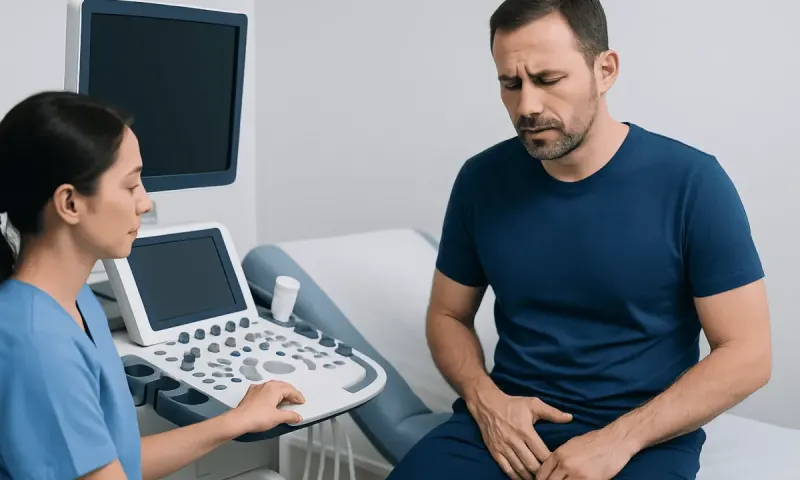
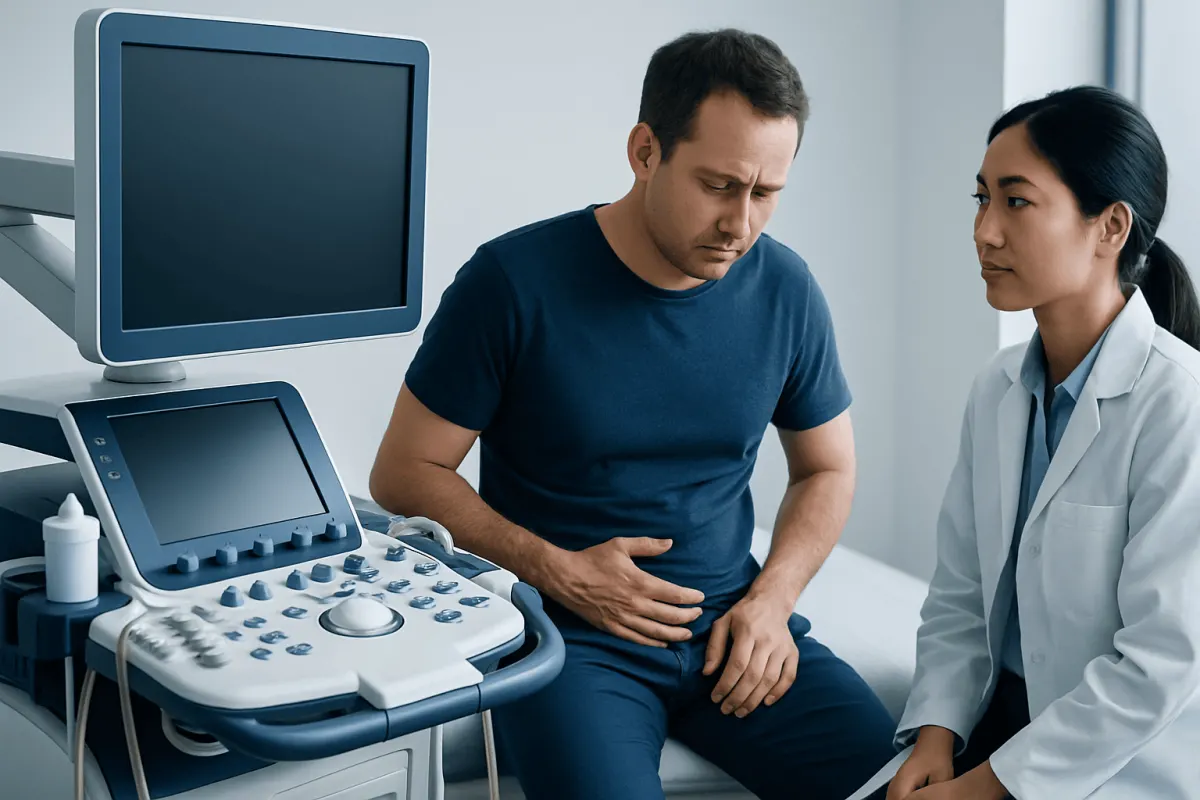
Depending on the findings, tests may include a urine sample, blood tests, and testing for sexually transmitted infections. A scrotal ultrasound with Doppler blood-flow assessment is commonly used to evaluate the testicle and nearby structures. It can help identify inflammation, fluid collections, injury, masses, and reduced blood flow that may suggest torsion.
Treatment Options Depend on the Cause
Treatment is based on the diagnosis rather than symptoms alone. For a minor injury or activity-related soreness, a clinician may recommend rest from aggravating activities, supportive underwear, cold packs wrapped in a cloth for short periods, and appropriate over-the-counter pain relief if it is safe for the individual. It is important to follow medicine labels and to ask a pharmacist or doctor about safety when there are kidney disease, stomach ulcers, blood-thinning medicines, allergies, or other health conditions.
Bacterial epididymitis or other infections may require prescription antibiotics, with the choice guided by the suspected source and test results. Completing prescribed treatment and following advice about sexual activity, partner testing, or treatment is important where an infection may be sexually transmitted. If pain and swelling do not improve as expected, further review is needed.
Testicular torsion needs urgent surgery to untwist the spermatic cord and secure the testicle; waiting at home is not appropriate when torsion is possible. A significant tear after trauma, a symptomatic hernia, a troublesome hydrocele, or a varicocele may also require a urology or surgical opinion. Appropriate urology care can clarify whether monitoring, medicines, or a procedure is most suitable.
Self-Care While Awaiting Advice and Prevention
For mild symptoms clearly linked to exertion or a minor knock, avoid sports, cycling, heavy lifting, and other activities that increase discomfort until symptoms improve. Supportive, well-fitting underwear may reduce movement and tenderness. A cold pack covered with fabric can be applied briefly at intervals during the first day or two after minor injury; ice should never be placed directly on the skin.
People should avoid trying to squeeze, massage, or reposition a painful testicle. These actions cannot correct torsion or infection and may worsen discomfort. Sexual activity should be avoided if it is painful or if infection is suspected until a clinician provides guidance.
Prevention includes wearing an athletic cup for contact sports, using comfortable and supportive sports clothing, and increasing training gradually. Safer sex practices and timely assessment of urinary symptoms can lower the risk of some infections. Regular awareness of what feels normal can help a person notice a persistent lump, change in size, or new heaviness early.
Acıbadem Health Point’s multidisciplinary specialists and JCI-accredited hospitals assess and treat urological conditions for international patients, with care planned according to the individual diagnosis and needs.
When to See a Doctor
Seek emergency care now for sudden intense pain, rapidly developing swelling, nausea or vomiting with scrotal pain, or a testicle that appears high, twisted, or unusually positioned. These symptoms should be treated as possible torsion until a doctor has assessed them.
Contact a doctor promptly for pain with fever, burning urination, discharge, redness, a groin bulge, or symptoms following a substantial injury. Arrange a non-emergency appointment for soreness or swelling that persists beyond a few days, keeps returning, or occurs without a clear explanation.
A new lump, firm area, enlargement, or persistent heaviness deserves a medical examination even if it is not painful. Early assessment is reassuring when the cause is benign and allows appropriate treatment when it is needed.
Frequently asked questions
01Is testicle soreness and swelling usually serious?
Mild soreness after a minor knock or exercise is often temporary and may improve with rest and support. However, the cause cannot be confirmed without considering the timing and associated symptoms. Sudden severe pain, rapid swelling, fever, or a persistent lump should be assessed by a clinician.
02How long should testicle swelling after exercise last?
If symptoms are mild and clearly related to activity, they should begin to improve within a few days with rest and supportive underwear. Continuing, worsening, or recurrent swelling should be medically reviewed, as exercise may reveal rather than cause a hernia, varicocele, or another condition. Sudden severe pain is an emergency regardless of recent activity.
03What should be done for testicle swelling after injury?
After a minor injury, rest, scrotal support, and short applications of a cloth-wrapped cold pack may help reduce discomfort. A significant blow, severe pain, marked bruising, increasing swelling, or symptoms that do not improve require urgent medical assessment. Emergency care is appropriate if there is sudden severe pain, nausea, or vomiting.
04Can an infection cause one testicle to swell?
Yes. Epididymitis and orchitis can cause one-sided pain, tenderness, and swelling, sometimes with fever, urinary symptoms, or discharge. A doctor may perform urine and infection tests and prescribe treatment based on the cause. Prompt assessment helps prevent complications and identifies conditions that can look similar.
05Can testicular cancer cause soreness and swelling?
Testicular cancer more often presents as a painless lump, enlargement, firmness, or a feeling of heaviness, although discomfort can occur. Most lumps and swelling are not cancer, but a new change should always be examined. Ultrasound is commonly used to investigate a suspicious finding.
06Should a person wait to see if sudden testicle pain goes away?
No. Sudden testicular pain should be evaluated urgently, even if it improves temporarily, because torsion can sometimes cause pain that comes and goes. Early assessment is the safest approach and may be important for preserving normal blood flow to the testicle.
This article is for general information only and is not a substitute for professional medical advice. Please consult a qualified doctor about your individual situation.
Persistent digestive symptoms? Get evaluated in Turkey
JCI-accredited · board-certified surgeons · reply within 24h
Add us as a Preferred Source to see more of our trusted health content across Google Search, AI Overviews and Discover.