

Temporomandibular Joint Dysfunction Headaches: What You Need to Know
- 10 min read
- Published November 26, 2026
Key Takeaways
- Temporomandibular joint dysfunction headaches often start near the temples, jaw, ears, or face and can feel like pressure, aching, or tension.
- Jaw clenching, teeth grinding, stress, bite problems, arthritis, and injury can all contribute to TMJ-related pain.
- Diagnosis usually depends on a detailed history and physical exam; imaging is used when another cause or structural problem is suspected.
- Treatment often begins with conservative care such as jaw rest, soft foods, heat or ice, stress management, and a mouth guard if advised.
- Persistent headaches, jaw locking, swelling, fever, or neurologic symptoms should be assessed by a doctor.
- Most people improve with a stepwise plan that addresses both the jaw and the headache pattern.
Temporomandibular joint dysfunction headaches are headaches linked to problems in the jaw joint and the muscles that move it. They often overlap with jaw pain, clicking, facial discomfort, and teeth grinding, so a careful evaluation is important to find the real source of symptoms.
Overview
Temporomandibular joint dysfunction headaches are headaches that arise when the jaw joint, the chewing muscles, or both are irritated. The temporomandibular joints sit just in front of each ear and allow the jaw to open, close, and move from side to side. When these structures are strained, the pain can be felt not only in the jaw but also in the temples, cheeks, ears, and the side of the head.
For many people, the headache is part of a broader pattern rather than a separate problem. They may notice morning jaw soreness, difficulty chewing tough foods, clicking or popping with mouth movement, or a feeling that the jaw is tired by the end of the day. Because these symptoms can overlap with migraine, tension-type headache, dental problems, and ear conditions, a clear diagnosis matters.
From a patient’s point of view, the challenge is often deciding whether the headache is coming from the jaw, the teeth, the neck, or somewhere else entirely. A careful history and exam can usually sort this out. The goal is not to label every headache as “TMJ,” but to understand when jaw dysfunction is part of the picture and how it can be treated safely.
Symptoms
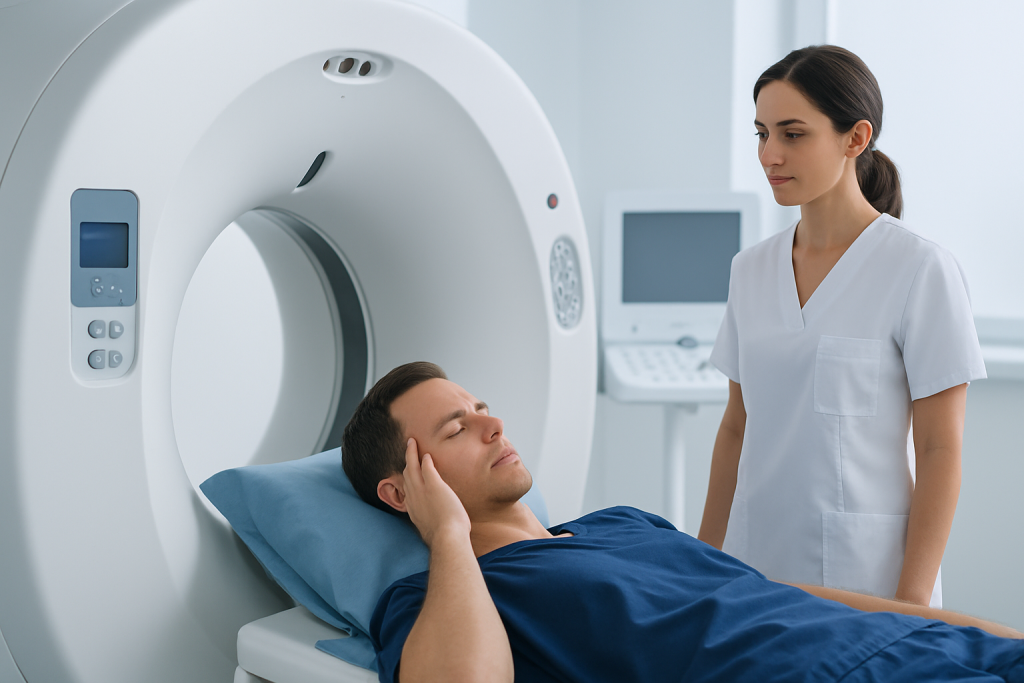
TMJ-related headaches do not always look the same from one person to another. Some people describe a dull, steady ache at the temples, while others feel pain that spreads across the cheeks, behind the eyes, or along the jawline. The headache may worsen after chewing, talking for a long time, yawning widely, or waking up after clenching or grinding during sleep.
Common associated symptoms include jaw clicking or popping, limited mouth opening, facial tenderness, ear fullness, pain when biting, and a sense that the jaw is tight or stuck. Some people also notice neck discomfort or tenderness in the muscles around the head and face. In certain cases, the symptoms come and go with periods of stress or heavy use of the jaw.
- Pain near the temples, ears, or jaw joints
- Headache that worsens with chewing or clenching
- Jaw clicking, popping, or locking
- Facial muscle soreness or fatigue
- Morning discomfort after sleep bruxism
It is worth noting that headache location alone does not confirm the cause. Migraine and tension headaches can also involve the temples or face, so the pattern, triggers, and related jaw symptoms are often more informative than the pain site by itself.
Causes & Risk Factors

Temporomandibular joint dysfunction can develop for more than one reason, and headaches often arise when several factors overlap. Teeth grinding and clenching are common contributors because they place repeated stress on the jaw muscles and joint. Stress does not create every case, but it can make muscle tension and clenching more likely, which may in turn intensify headaches.
Other contributors include bite irregularities, joint inflammation, arthritis, jaw injury, prolonged gum chewing, poorly fitting dental work, and habits such as holding the jaw tense during concentration. Some people have a history of neck or facial pain that seems to feed into the jaw problem, while others develop symptoms after a dental procedure or a period of increased stress.
Risk is not limited to one age group or one type of patient. However, people who clench their teeth at night, have generalized anxiety or high stress, have a prior jaw injury, or live with another pain condition may be more likely to notice recurring symptoms. For international patients, it can be especially helpful to bring any prior dental records, imaging reports, or headache notes when seeking a new evaluation abroad, because those details can shorten the path to an accurate diagnosis.
Diagnosis
Diagnosis usually begins with a conversation about how the headache feels, when it started, what makes it better or worse, and whether jaw symptoms are present. A clinician may ask about sleep habits, grinding, recent dental work, stress levels, and any history of migraine, sinus disease, or injury. This history is important because TMJ dysfunction is often a pattern diagnosis rather than a single test result.
The physical exam may include inspection of jaw movement, tenderness over the joint and chewing muscles, the amount the mouth opens, bite alignment, and signs of wear on the teeth. The clinician may also check the head, neck, ears, and neurologic function to make sure another condition is not being missed. In many cases, no special test is needed at first if the findings fit a common TMJ pattern.
Imaging can be useful when symptoms are severe, persistent, unusual, or not improving as expected. Dental X-rays, panoramic imaging, CT, or MRI may be considered depending on the question being asked. MRI is particularly helpful when soft tissues, disc position, or joint inflammation need to be assessed. A doctor may also involve a dentist, oral and maxillofacial specialist, neurologist, or physiotherapist if the picture is complex.
Treatment Options
Most treatment plans start conservatively, with the aim of reducing strain on the jaw while calming the headache pattern. Resting the jaw, choosing softer foods for a short period, avoiding wide mouth opening, and limiting gum chewing can all reduce irritation. Warm compresses may ease muscle tightness, while cold packs can help some people who feel more inflamed or sore after activity.
A custom or well-fitted night guard may be recommended if teeth grinding or clenching is contributing to the problem. Physical therapy can help when jaw mobility, posture, or neck muscle tension are part of the picture. In some cases, short-term medications may be considered by a doctor to relieve pain or reduce inflammation, but the choice depends on the individual’s medical history and the suspected cause of the headache.
When symptoms persist, other treatments may be discussed. These can include targeted injections in selected cases, treatment for underlying arthritis, dental correction if there is a structural issue, or approaches that address stress and sleep. Because temporomandibular joint dysfunction headaches often sit at the intersection of dentistry, neurology, and musculoskeletal care, the most effective plan is usually coordinated rather than one-size-fits-all.
Prevention & Self-care
Self-care works best when it becomes part of the daily routine rather than a reaction after pain peaks. People are often surprised by how much improvement can come from simple habits: keeping the teeth slightly apart when at rest, relaxing the tongue, avoiding jaw “testing,” and being mindful of daytime clenching during work or driving. These small adjustments can lower muscle strain over time.
Sleep and stress management also matter. Better sleep habits may reduce nighttime grinding in some people, while relaxation techniques, breathing exercises, and structured stress reduction can ease jaw tension. If a clinician has recommended a mouth guard, wearing it consistently can protect the teeth and may reduce the morning headache pattern associated with bruxism.
- Choose softer foods during flare-ups
- Avoid chewing ice, pens, or very sticky foods
- Use heat or ice as advised for comfort
- Practice jaw relaxation and posture awareness
- Keep follow-up appointments if symptoms persist
For patients traveling from another country for care, it helps to arrive with a list of symptoms, previous treatments, and any photos or scans if available. That preparation can make the first visit more efficient and help the specialist tailor advice to the patient’s daily life, eating habits, and recovery plan after returning home.
When to See a Doctor
Medical evaluation is a good idea when headaches keep returning, jaw pain interferes with eating or speaking, or the jaw feels locked, stuck, or increasingly limited in movement. A doctor should also be consulted if symptoms are one-sided and persistent, if there is swelling, if the bite suddenly changes, or if the pain does not improve with basic self-care. Recurrent morning headaches with signs of grinding are another reason to seek assessment.
Some symptoms deserve prompt medical attention because they may point to a different condition. These include fever, facial numbness, weakness, sudden severe headache, vision changes, trouble swallowing, significant trauma, or ear drainage. While TMJ dysfunction can be uncomfortable, it should not be assumed to explain every headache without proper evaluation.
When an international patient needs coordinated assessment, a center with multiple specialists can streamline the process by linking dental, jaw, and neurologic evaluation in one care plan. Acibadem Health Point’s multidisciplinary specialists and JCI-accredited hospitals diagnose and treat this condition for international patients, which can be helpful when follow-up will continue across borders.
Living With the Condition
Many people manage temporomandibular joint dysfunction headaches well once the main triggers are identified. The condition often improves in steps rather than overnight, so progress may mean fewer flare-ups, less morning tightness, or a shorter duration of pain rather than instant relief. Tracking symptoms in a simple diary can help identify patterns involving sleep, stress, chewing, posture, and headache timing.
It can also help to think broadly about the head and neck as a system. Jaw pain, muscle tension, and headache may reinforce one another, which is why a plan that addresses both comfort and function tends to work better than focusing on pain alone. With the right guidance, most patients can return to normal eating, speaking, and daily activity with fewer disruptions.
For those arranging care from abroad, clear instructions on mouth guard use, exercises, medication timing, and follow-up plans are especially important. A written summary from the treating team can support continuity of care after travel and make it easier for the local doctor or dentist at home to continue the plan.
Frequently asked questions
01How do temporomandibular joint dysfunction headaches feel?
They often feel like a dull ache, pressure, or tightness around the temples, jaw, cheeks, or ears. Some people notice that the pain gets worse when chewing, yawning, or clenching their teeth.
02Can TMJ problems cause headaches every day?
They can, especially if clenching, grinding, or muscle tension is ongoing. Daily headaches should still be evaluated to make sure another cause is not contributing.
03What is the difference between a TMJ headache and a migraine?
A TMJ headache is usually linked to jaw movement, jaw tenderness, or clenching and grinding. Migraine often includes sensitivity to light or sound, nausea, and a more distinct headache pattern, though the two can sometimes occur together.
04Will a mouth guard cure TMJ headaches?
A mouth guard may reduce grinding-related strain and protect the teeth, but it does not cure every case. Many people need additional measures such as stress management, physical therapy, or dental evaluation.
05Can stress really make TMJ headaches worse?
Yes. Stress can increase jaw clenching and muscle tension, which may worsen pain and trigger headaches in susceptible people. Relaxation techniques and sleep support can be useful parts of care.
06Should someone see a dentist or a neurologist first?
That depends on the symptoms. If the main issues are jaw pain, clicking, or chewing problems, a dentist or oral specialist may be the best first step; if the headache is severe, unusual, or accompanied by neurologic symptoms, a doctor should evaluate it promptly.
This article is for general information only and is not a substitute for professional medical advice. Please consult a qualified doctor about your individual situation.
Joint and spine care in Turkey — expert assessment & treatment
JCI-accredited · board-certified surgeons · reply within 24h
Add us as a Preferred Source to see more of our trusted health content across Google Search, AI Overviews and Discover.



How can we help you today?
Meet an Acibadem specialist by secure video, before you travel.
Book a video visit