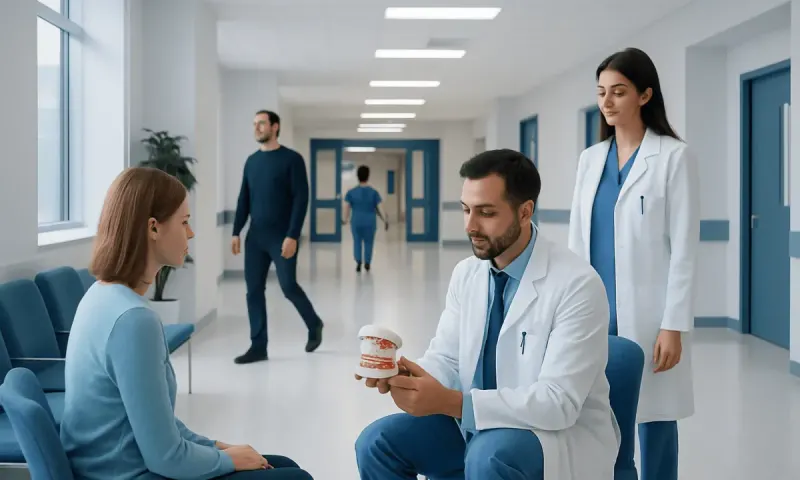
Teeth Whitening Prices in Istanbul, Turkey
Teeth whitening in Istanbul is typically planned after a dental examination confirms that staining can be treated safely and identifies the most suitable method. Rather than relying on advertised package figures, patients should ask for an itemised plan covering the examination, whitening approach, expected visits, aftercare and any dental care needed first.
Teeth Whitening Turkey Istanbul Prices: What Patients Should Know
People searching for teeth whitening Turkey Istanbul prices should know that there is no single medically appropriate figure for every patient. The total depends on whether whitening is performed in the clinic, at home with dentist-provided trays, or through a combined approach; it also depends on the current condition of the teeth, the type of staining and whether oral health treatment is required before bleaching.
Professional whitening is a cosmetic dental procedure that lightens the natural shade of teeth. A dentist assesses the mouth first, explains realistic results and provides a written treatment plan. Patients comparing providers should focus on clinician qualifications, infection-control standards, what the quoted plan includes, the proposed whitening material and how follow-up care is managed—not price alone.
Whitening is different from restorative or cosmetic treatments such as veneers and crowns. It can improve colour in suitable natural teeth, but it cannot repair damaged teeth or alter the colour of existing dental restorations. A consultation helps determine whether whitening is the right option for a person’s goals.
How Professional Teeth Whitening Works
Most professional whitening systems use peroxide-based gels. These active ingredients pass through the outer enamel and break down some of the coloured molecules within the tooth structure. This can make teeth appear lighter without removing healthy tooth tissue when the procedure is appropriately selected and supervised.
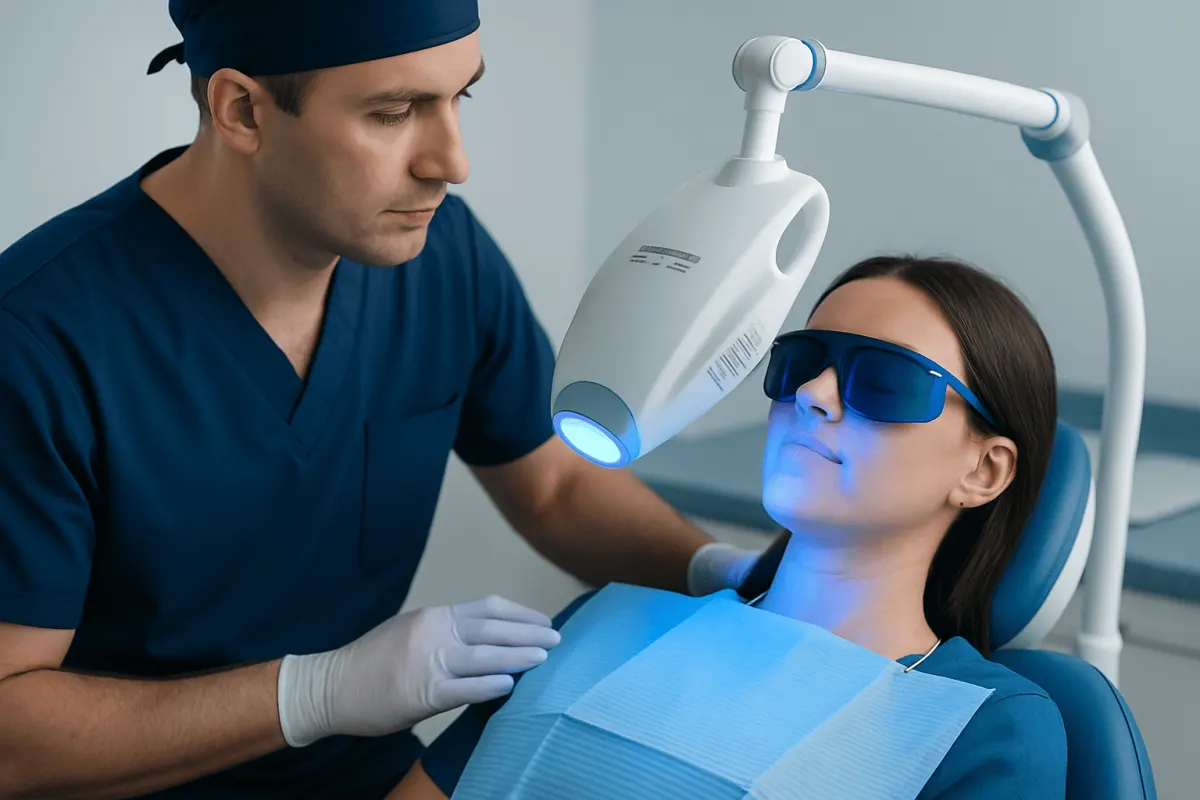
In-office whitening usually involves protecting the gums and lips, applying whitening gel to the teeth and monitoring the process during the appointment. Some systems use a light as part of the manufacturer’s protocol, although the bleaching gel is the active component. Dentist-supervised home whitening uses custom-made trays and carefully prescribed gel over a longer period.
The degree of improvement varies. Yellow or age-related staining often responds well, while grey, blue-grey or stain patterns associated with certain medicines, injury or developmental changes can be less predictable. A dentist can discuss likely outcomes before treatment and may recommend alternatives when bleaching is unlikely to meet expectations.
Who Is a Candidate for Teeth Whitening?
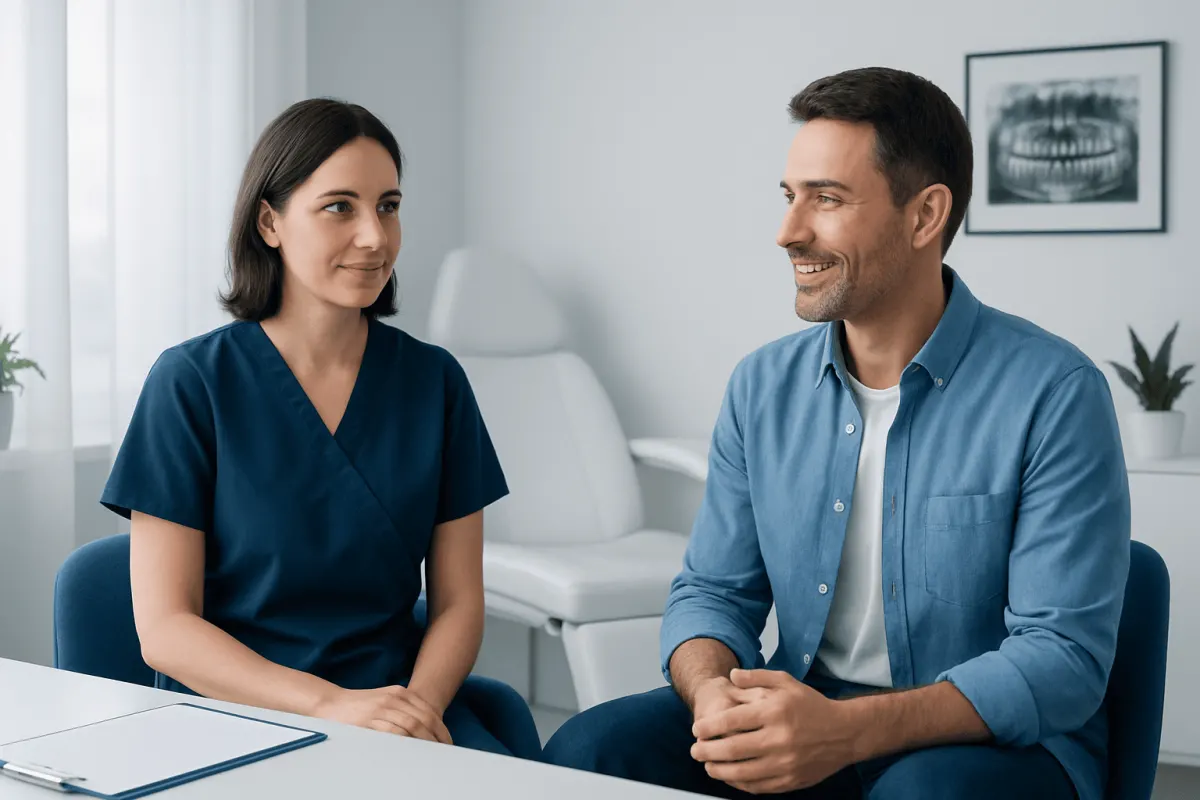
Healthy adults with natural teeth affected by external staining, age-related yellowing or mild general discoloration may be candidates for professional whitening. Common sources of surface staining include tea, coffee, tobacco, red wine and strongly coloured foods. Removing tartar and surface stains with a professional cleaning may be recommended before choosing a whitening method.
A dental examination is essential. Active tooth decay, leaking fillings, exposed roots, gum inflammation, significant enamel wear or cracked teeth can increase discomfort or require treatment first. Patients with existing crowns, bridges, fillings, veneers or implants should understand that these materials will not become lighter with bleaching and may no longer match the newly whitened natural teeth.
Whitening is generally postponed during pregnancy or breastfeeding because elective exposure to bleaching products is usually avoided when safety evidence is limited. Children and adolescents should be assessed individually by a dentist, as their teeth and pulp chambers differ from those of adults. People with marked sensitivity or a history of dental trauma need particular individual advice.
What Happens During the Procedure and Recovery?
The process usually starts with a consultation, oral examination and discussion of the desired shade. The dentist may record the starting tooth colour, take photographs or scans when appropriate, and check for decay, gum disease and restorations. If professional cleaning or restorative treatment is needed, this is generally completed before whitening.
For in-office treatment, the gums are isolated with a protective barrier and the whitening gel is placed on visible tooth surfaces. The dentist checks comfort and tissue protection throughout. For home treatment, impressions or digital scans may be used to make trays, followed by detailed instructions on using and storing the whitening product safely.
Most people can return to usual activities immediately. Temporary sensitivity to cold, air or sweet foods may occur during treatment or for a short time afterward. Dentists may suggest adjustments to the schedule, desensitising products or avoiding triggers if sensitivity develops. For the first days after whitening, limiting tobacco and deeply coloured drinks or foods may help reduce early restaining.
The final shade may settle after treatment ends. Good oral hygiene, regular dental reviews and moderation of staining exposures support longer-lasting results, although teeth naturally change colour over time and some patients choose dentist-guided touch-up treatment.
Benefits, Limitations and Possible Risks
The main potential benefit of teeth whitening is a brighter, more even-looking smile without drilling or removing tooth structure. It can be a conservative option for people whose main concern is the colour of otherwise healthy natural teeth. A dentist can help set a target that looks natural and appropriate for the individual.
Results are not permanent and are not identical for everyone. Deep intrinsic discoloration may respond only partly, and individual teeth that have been injured or had root canal treatment can require a different approach. Whitening should not be used to conceal pain, swelling, visible damage or untreated gum disease.
The most common adverse effects are short-lived tooth sensitivity and irritation of the gums or soft tissues, particularly if bleaching material contacts them. Using unregulated products, overusing home kits or whitening without a dental assessment may raise the risk of irritation, uneven results and missed dental problems. A qualified dentist should be contacted if pain is severe, symptoms persist, or the mouth develops sores or swelling.
How Much Does It Cost to Whiten Your Teeth in Istanbul, Turkey?
The cost to whiten teeth in Istanbul, Turkey varies substantially, so it is not responsible to give one universal price. Clinics may use different systems and appointment structures, and a plan may include an examination, hygiene treatment, in-office whitening, custom home trays, review visits or products for sensitivity. The chosen option should be based on dental suitability and informed consent rather than an advertised starting figure.
Before travelling or booking, patients can request an itemised written estimate. Useful questions include whether the examination and dental cleaning are included, how many whitening sessions or home-treatment supplies are planned, whether a review visit is included, and what happens if sensitivity prevents completion of the intended protocol. It is also sensible to ask which parts of care would be extra if decay, gum disease or restoration replacement is found.
Currency exchange changes, travel expenses and time away from home are separate considerations for international patients. A transparent plan should distinguish clinical fees from travel-related costs and explain which care must be completed before treatment can safely begin.
Is Teeth Whitening in Turkey Worth It?
Whether teeth whitening in Turkey is worth it is a personal decision that depends on a person’s dental health, expected result, travel plans and confidence in the provider’s clinical standards. The procedure may be worthwhile for someone with healthy natural teeth and stain-related colour changes who understands that results vary and require ongoing care.
For an international patient, continuity of care matters. They should receive clear written instructions, know how to access advice after returning home and arrange routine dental follow-up locally. It is important not to combine treatment with unrealistic expectations of an immediate, permanent or perfectly uniform shade.
Acıbadem Health Point’s multidisciplinary specialists and JCI-accredited hospitals support diagnosis and treatment planning for international patients. A comprehensive dental consultation can clarify whether whitening is appropriate and whether another dental treatment would better address the person’s concern.
How Much Are People Paying for Turkey Teeth, and Can Yellow Teeth Really Be Whitened?
The phrase “Turkey teeth” is often used online to describe a range of cosmetic dental treatments, including whitening, veneers, crowns and smile makeovers. These are not interchangeable procedures, and what people report paying may include very different treatment plans, materials, laboratory work, examinations and travel arrangements. Comparing informal online reports is therefore unlikely to provide a reliable estimate for an individual case.
Yellow teeth can often be whitened, particularly when the colour change is related to age, diet, tobacco use or surface stains. Professional cleaning may improve surface discoloration, while bleaching can lighten the natural tooth shade. However, results depend on the cause of yellowing, enamel condition and the presence of restorations.
A dentist may advise against whitening alone if yellowing is caused by thinning enamel, extensive restorations, decay or another dental condition. In such cases, treating the underlying issue and discussing restorative options may provide a safer and more balanced result. No whitening method can change the colour of crowns, fillings or veneers already in place.
When to Seek Medical Care
Arrange a prompt dental assessment before whitening if there is toothache, bleeding gums, persistent bad breath, loose teeth, sensitivity that is new or worsening, a cracked tooth, mouth sores or facial swelling. These symptoms can indicate conditions that should be assessed and treated before any cosmetic procedure.
Seek urgent dental or medical care for facial swelling with fever, trouble swallowing, difficulty breathing, uncontrolled bleeding or severe pain. Whitening should be stopped and a dentist contacted if there is severe burning of the gums, significant swelling, persistent pain or a suspected reaction to a product.
After professional whitening, mild temporary sensitivity can be expected in some people. Persistent symptoms, a change in a single tooth’s colour, or pain when biting deserve dental review because they may not be related to simple staining.
Frequently asked questions
01How much does it cost to whiten your teeth in Istanbul, Turkey?
There is no single standard cost because professional whitening plans differ by method, dental findings, number of visits and included aftercare. Patients should request an itemised written estimate after a dental assessment, including any treatment needed before whitening.
02Is teeth whitening in Turkey worth it?
It may be worthwhile when a person has healthy natural teeth, realistic expectations and access to a qualified dental team with clear follow-up arrangements. The decision should consider clinical quality, suitability, travel needs and the fact that whitening results are temporary rather than guaranteed.
03How much are people paying for Turkey teeth?
Online reports use “Turkey teeth” to describe very different treatments, such as whitening, veneers and crowns, so they are not directly comparable. A personal estimate should be based on an examination and a detailed treatment plan rather than social media claims or package advertisements.
04Can yellow teeth really be whitened?
Many yellow teeth can become lighter with professional cleaning and peroxide-based whitening, especially when discolouration is related to age, food, drinks or tobacco. The response varies, and whitening does not alter the colour of crowns, veneers, fillings or implants.
05Does professional teeth whitening hurt?
Some people experience temporary sensitivity during or shortly after whitening, often triggered by cold foods or drinks. A dentist can adapt the treatment plan and recommend measures to improve comfort if sensitivity occurs.
06How long does professional teeth whitening last?
Results vary with the whitening method, natural tooth characteristics, diet, tobacco exposure and oral hygiene. Colour can gradually return over time, and some people have dentist-guided touch-ups after an appropriate review.
This article is for general information only and is not a substitute for professional medical advice. Please consult a qualified doctor about your individual situation.
Explore treatments in Turkey — costs, top hospitals & a free quote
JCI-accredited · board-certified surgeons · reply within 24h
Add us as a Preferred Source to see more of our trusted health content across Google Search, AI Overviews and Discover.