Tear of the Skin: What You Need to Know

Key Takeaways
- A tear of the skin is an open wound that may range from a shallow split to a deeper laceration.
- Clean, gentle first aid helps reduce infection risk and supports healing.
- Skin tears are more common in older adults and in people taking certain medicines or living with fragile skin.
- Some tears need stitches, adhesive closure, or specialist wound care.
- Redness that spreads, pus, fever, increasing pain, or gaping edges are reasons to seek medical review.
A tear of the skin is a wound that happens when the skin splits or opens, often after friction, impact, or fragile skin breaks easily. Most tears can heal well with proper cleaning, protection, and medical assessment when the wound is deep, contaminated, or slow to close.
Overview
A tear of the skin is exactly what it sounds like: the skin has split open, often after a scrape, bump, fall, friction, or sudden pull. The injury may be small and shallow, or it may extend deeper enough to expose tissue underneath. In everyday language, people may call it a skin tear, cut, or laceration, depending on how it happened.
For patients deciding what to do next, the key question is not the name of the wound but how it looks and how it behaves. A clean, superficial tear may heal with careful home care, while a wound with separated edges, ongoing bleeding, or visible fat or muscle usually needs medical attention. The goal is simple: protect the skin, reduce infection risk, and give the tissue the best chance to close neatly.
Skin tears are especially important in older adults because aging skin can be thinner, drier, and more vulnerable to injury. They also matter for people who bruise easily, take blood-thinning medicine, have diabetes, or rely on steroids for long periods. In those situations, even an everyday incident such as catching the arm on a doorframe can create a wound that deserves prompt and gentle care.
Symptoms
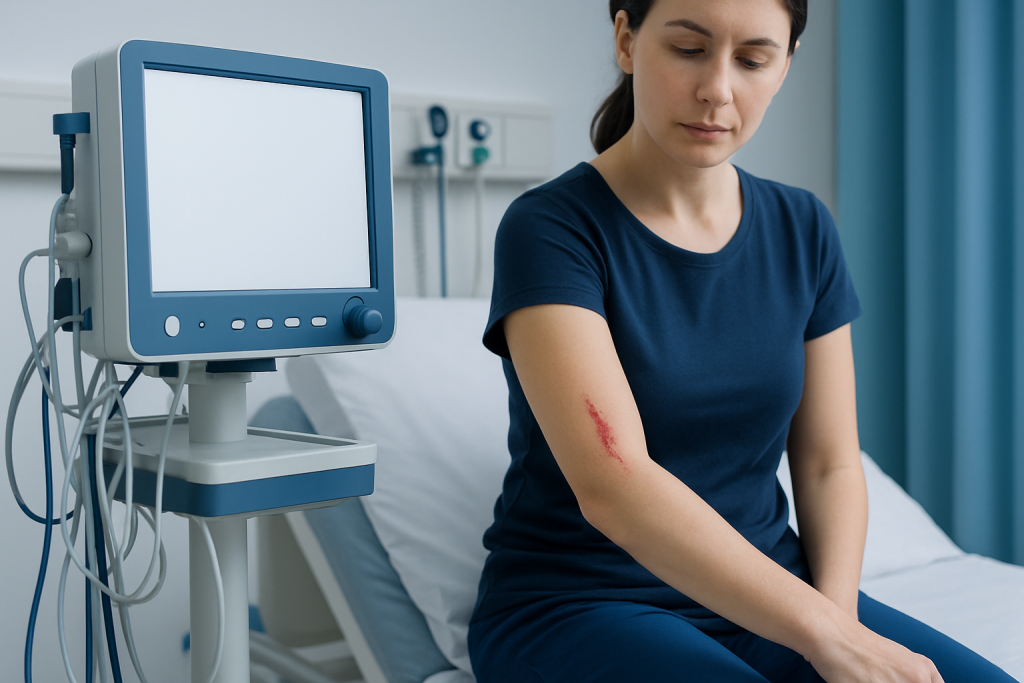
The appearance of a tear of the skin depends on the depth and direction of the injury. Some tears are narrow and linear, while others look ragged or flap-like, with the skin partly lifted. Bleeding may be mild or brisk, and pain can range from a brief sting to deeper tenderness around the wound.
Common signs include:
- Split or gaping skin
- Bleeding or oozing
- Bruising around the area
- Burning, stinging, or throbbing pain
- Swelling and sensitivity to touch
When the wound becomes infected or irritated, new symptoms may appear after the first day or two. These can include increasing redness, warmth, swelling, drainage, a bad smell, or pain that becomes worse instead of better. Any change that suggests the skin is not closing properly should be taken seriously, especially if the person is older or has a health condition that slows healing.
Causes & Risk Factors
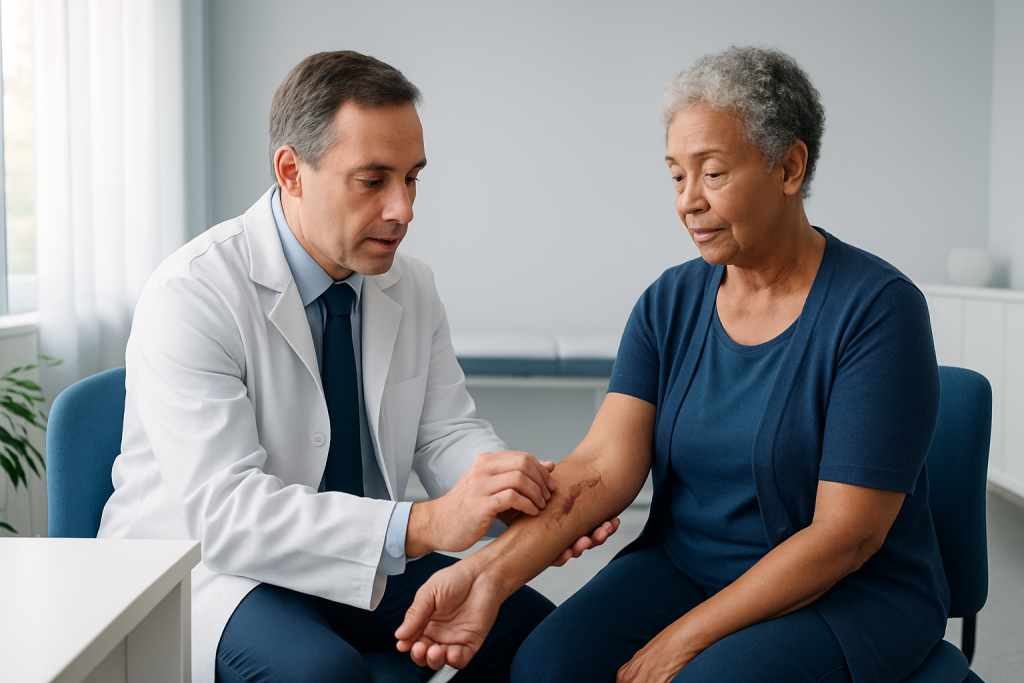
A tear of the skin usually happens when force is applied to skin that is unable to stretch enough to absorb it. The most common everyday causes are falls, bumps against furniture, pulling injuries, rough dressing changes, and friction from clothing, tape, or bedding. In hospitals and care settings, skin tears can also occur while helping someone move, wash, or dress.
Several factors make skin more fragile. Aging reduces natural elasticity and moisture, so the outer layers can split more easily. Long-term steroid use, sun damage, poor nutrition, dehydration, and chronic illness may also weaken the skin’s structure. People with impaired balance, limited mobility, or reduced sensation may not notice minor trauma until the tear is already open.
Risk is higher when the skin is exposed to repeated friction or when medical devices, adhesives, or tight clothing repeatedly rub the same area. Hands, forearms, shins, and lower legs are frequent sites because they are often exposed and easy to bump. Understanding the cause is helpful, because preventing the next tear often depends on changing the small daily triggers around the skin rather than focusing only on the wound itself.
Diagnosis
Diagnosis usually begins with a careful look at the wound. A clinician examines the size, depth, bleeding, edge separation, surrounding skin, and whether the wound is clean or contaminated. They also check circulation, sensation, and movement if the injury is near a joint or if a deeper structure may be involved.
In many cases, no special test is needed. If the tear is deep, if there is concern about retained debris, or if a foreign object may be present, imaging or further assessment may be appropriate. The clinician may also review tetanus vaccination status and ask about medications that affect bleeding or wound healing.
For people traveling from another country for care, diagnosis may happen quickly during an in-person wound assessment, then continue through follow-up visits or remote check-ins once the wound is stabilised. This is especially useful when a skin tear needs coordinated care from dermatology, plastic surgery, wound care, or internal medicine teams working together on a plan that fits the patient’s recovery timeline.
Treatment Options
Treatment depends on the depth, location, contamination level, and how much the wound edges have separated. The first step is usually gentle cleansing with clean water or saline, followed by controlling bleeding with light pressure. If the wound is small and superficial, careful cleaning and a protective dressing may be enough.
Some tears heal better when the edges are brought together using adhesive strips, skin glue, or stitches. A clinician chooses the method based on skin fragility and the shape of the tear. Very fragile skin does not always hold traditional stitches well, so wound closure may need to be adapted to avoid further injury.
Dressings are selected to protect the wound without pulling off newly formed skin when removed. This often means avoiding harsh tapes and using low-trauma materials instead. If infection is suspected, the doctor may recommend additional treatment. Pain relief, wound monitoring, and a follow-up plan are also part of care, because healing skin benefits from steady observation rather than one-time treatment alone.
For deeper or complicated wounds, specialist review may be needed to assess whether nearby tissue, tendons, or blood vessels are involved. In those situations, treatment is not just about closing the skin; it is about restoring safe function and preventing avoidable scarring or delayed healing.
Prevention & Self-care
Prevention starts with protecting fragile skin from friction and sudden pulls. People at higher risk can benefit from long sleeves, shin protection, padded clothing, and extra care around furniture edges, pets, and door handles. Gentle handling is important during dressing changes, bathing, and transfers from bed or chair.
Everyday self-care supports stronger skin. Regular moisturising, adequate hydration, balanced nutrition, and managing chronic conditions all help the skin stay more resilient. It is also sensible to review medications with a doctor if bruising or skin fragility has become a recurring issue, because some medicines increase the chance of tearing.
For those caring for an older adult or a patient with delicate skin, small habits make a meaningful difference:
- Use non-adhesive or low-trauma dressings when possible
- Trim nails and avoid scratching
- Keep living spaces free of sharp edges and clutter
- Move slowly during transfers and support the arms and legs fully
- Treat dry skin early, before it splits
Recovery also benefits from patience. A skin tear should not be soaked, scrubbed, or repeatedly uncovered just to “check” it. Clean hands, a protected dressing, and gentle observation are usually better than frequent handling.
When to See a Doctor
Medical review is advisable if the tear is deep, the edges are widely separated, bleeding does not stop after firm pressure, or the wound involves the face, hands, joints, or genitals. A doctor should also assess any tear caused by a bite, a dirty object, or a fall with possible head injury. Even a small wound may need professional care if the person has diabetes, poor circulation, immune suppression, or a history of slow healing.
Signs of possible infection include spreading redness, warmth, pus, worsening pain, fever, or red streaks moving away from the wound. A wound that reopens, smells unpleasant, or fails to improve over several days should also be checked. These problems do not always mean something serious, but they do mean the body may need extra help to heal properly.
If treatment is being arranged from abroad, it is reasonable to seek care at a centre that can evaluate the wound, provide closure if needed, and plan safe follow-up after travel. Acibadem Health Point’s multidisciplinary specialists and JCI-accredited hospitals diagnose and treat skin injuries for international patients, with care coordinated across specialties when needed. The main aim is to make healing straightforward, safe, and well supported.
Healing and Recovery
Healing time varies with the size of the tear, the person’s general health, and whether the wound stays clean and protected. Shallow tears may improve within days, while larger or fragile-skin wounds can take longer. The wound usually feels tender at first, then gradually less sore as the edges close and new skin forms.
During recovery, it is normal for the area to look pink or slightly shiny. What is not normal is worsening pain, spreading redness, repeated bleeding, or a dressing that becomes saturated again and again. Recovery works best when dressing changes are gentle, the wound is kept protected from rubbing, and follow-up is not skipped if a clinician has asked to review it.
People often want to know whether a scar will remain. Some tears heal with minimal marks, while deeper wounds may leave visible scarring or skin colour changes. Early, careful treatment improves the chance of a smoother outcome, but the priority is safe closure and infection prevention. Cosmetic healing follows good wound care.
Frequently asked questions
01What is a tear of the skin?
A tear of the skin is an open wound where the skin has split or broken, usually from friction, impact, or pulling force. It may be small and shallow or deeper and more complex. The right care depends on how wide, deep, and contaminated the wound is.
02Can a skin tear heal on its own?
Small, clean tears may heal with proper cleaning and a protective dressing. However, tears with gaping edges, ongoing bleeding, or signs of infection should be assessed by a clinician. Healing is usually better when the wound is protected from repeated trauma.
03Should a skin tear be covered or left open?
Most skin tears heal better when covered, because a dressing protects the area from dirt and rubbing. The dressing should be gentle and low-trauma so it does not pull away new skin. A doctor or wound-care professional can suggest the most suitable option.
04When does a skin tear need stitches?
Stitches or other closure methods may be needed if the tear is deep, the edges do not meet, or there is a risk of the wound reopening. Fragile skin sometimes requires an adapted closure approach rather than standard sutures. A clinician decides after examining the wound.
05How can older adults prevent skin tears?
Prevention includes moisturising dry skin, using soft clothing, avoiding harsh tape, and reducing bumps and friction around the home. Gentle assistance with movement and dressing also helps. If skin tears happen repeatedly, a doctor can review possible medical causes and wound-care strategies.
06What are the signs of infection after a skin tear?
Spreading redness, warmth, swelling, pus, worsening pain, fever, and red streaks are common warning signs. A wound that starts to smell bad or becomes more painful after initially improving should also be checked. These signs mean a medical review is a good idea.
This article is for general information only and is not a substitute for professional medical advice. Please consult a qualified doctor about your individual situation.
Explore treatments in Turkey — costs, top hospitals & a free quote
JCI-accredited · board-certified surgeons · reply within 24h
Add us as a Preferred Source to see more of our trusted health content across Google Search, AI Overviews and Discover.