Head Pain When I Bend Over: Causes, Relief and When to Worry

Key Takeaways
- Head pain that worsens when bending over is often related to sinus pressure, but it is not always a sinus infection.
- Migraine, dehydration, neck strain, high blood pressure, and some eye or neurologic conditions can also cause this pattern.
- Symptoms such as fever, facial pressure, thick nasal discharge, vision changes, vomiting, or sudden severe pain deserve prompt medical attention.
- Simple self-care may help mild cases, but persistent, recurrent, or one-sided pain should be evaluated by a clinician.
- Diagnosis depends on the full symptom pattern, exam findings, and sometimes imaging or other tests.
Head pain when someone bends over is often linked to pressure changes in the head and sinuses, but it can also happen with migraine, dehydration, or less common medical problems. Understanding the pattern of pain, associated symptoms, and warning signs can help determine whether home care is reasonable or medical evaluation is needed.
Overview
Head pain when I bend over is a common search because the symptom can feel very specific and unsettling. In many people, the discomfort is caused by pressure inside the sinuses or by a headache condition that becomes more noticeable with movement or changes in position.
Bending forward can temporarily increase pressure in the head, face, and upper airways. If the sinuses are inflamed or blocked, that movement may trigger a dull ache, a feeling of fullness, or a throbbing pain across the forehead, cheeks, or around the eyes. In other cases, the cause is not the sinuses at all, which is why the overall pattern matters more than the bend itself.
A useful way to think about this symptom is to ask: is the pain part of a cold, allergy flare, migraine, or another clear illness, or does it appear without an obvious reason? That distinction often helps guide the next step.
Symptoms
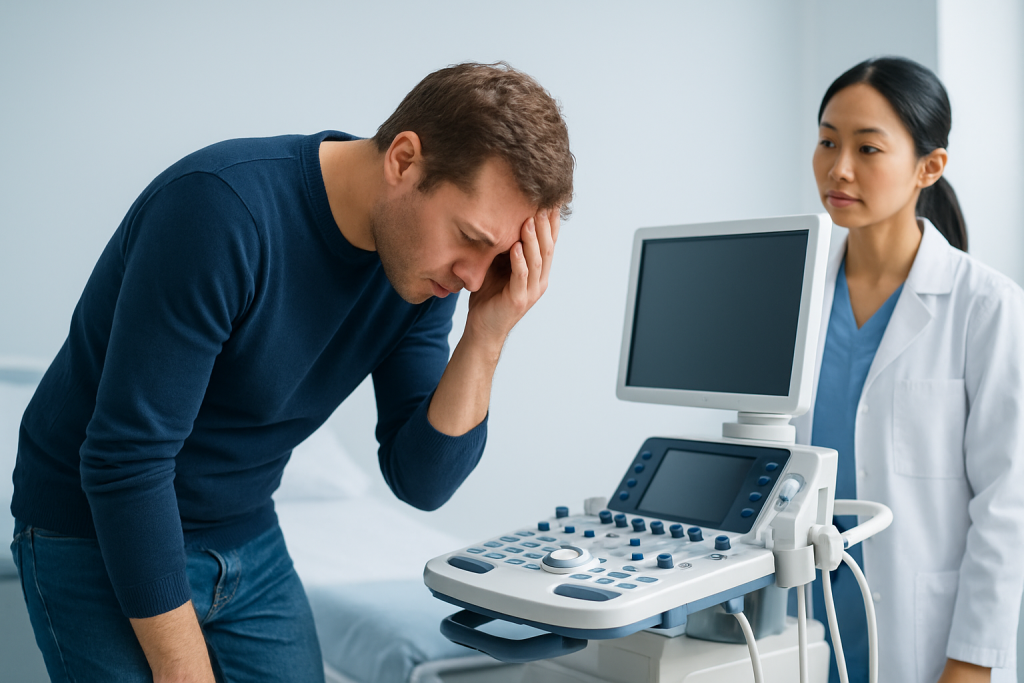
The type of pain can offer clues. Sinus-related discomfort often feels like pressure, heaviness, or a deep ache in the face, forehead, or behind the eyes. It may worsen when leaning over, coughing, or making sudden movements.
Other symptoms can point toward the cause. A person with sinus congestion may notice a blocked nose, thick nasal drainage, reduced smell, or facial tenderness. Someone with migraine may have nausea, light sensitivity, sound sensitivity, or one-sided throbbing pain that becomes worse with activity. Neck-related pain may start at the base of the skull and spread upward.
Important associated symptoms include:
- Fever or feeling unwell
- Facial swelling or tooth pain
- Vision changes or eye pain
- Stiff neck
- Sudden severe headache
- Weakness, confusion, or trouble speaking
These features do not automatically mean something dangerous, but they help a doctor decide how urgent the problem may be.
Causes & Risk Factors

The most familiar cause is sinus inflammation. When the lining of the sinuses swells from a viral infection, allergy, or sometimes bacterial sinusitis, drainage can become blocked. Bending over then makes the trapped pressure more noticeable.
Migraine is another common explanation. Even though migraine is often thought of as a purely “head” problem, many people experience pressure or pain that changes with movement, along with nausea, light sensitivity, or a sense that the head is heavy. Dehydration, skipped meals, and poor sleep can make migraine more likely.
Other possible causes include:
- Tension or neck muscle strain
- High blood pressure, especially if uncontrolled
- Eye problems that increase pressure or cause eye strain
- Coughing or exertion headaches
- Less commonly, issues involving cerebrospinal fluid pressure or other neurologic conditions
Risk is higher in people with recurrent allergies, frequent colds, chronic sinus inflammation, migraine history, or jobs and lifestyles that contribute to poor hydration, long screen use, or muscle tension. Because several conditions can look similar, the exact trigger often becomes clear only after a proper evaluation.
Diagnosis
Diagnosis begins with a careful history. A clinician will usually ask when the pain started, where it is located, whether it is linked to congestion or illness, and what makes it better or worse. The answer to “Does it happen only when bending over?” can be especially helpful, but it is only one piece of the puzzle.
A physical examination may include checking the nose, throat, ears, face, eyes, neck, and nervous system. If sinus disease is suspected, the doctor may look for tenderness over the sinuses or signs of nasal swelling. If the pattern suggests migraine or a neurologic cause, the evaluation may focus more on the headache features and associated symptoms.
Tests are not always necessary. When symptoms are persistent, unusual, severe, or associated with warning signs, a doctor may recommend blood tests, imaging such as CT or MRI, or referral to an ear, nose, and throat specialist, eye specialist, or neurologist. The goal is not to test everyone, but to identify the cause accurately when the story is not straightforward.
Treatment Options
Treatment depends on the cause. For sinus-related pressure, doctors may suggest supportive care such as rest, fluids, saline nasal rinses, and measures to reduce inflammation. If allergies are contributing, allergy management may also help. When a bacterial sinus infection is likely, a clinician may decide whether prescription treatment is appropriate.
For migraine, treatment is usually different. The focus may be on avoiding triggers, using appropriate pain relief as advised by a doctor, and managing nausea or light sensitivity if present. For tension-related pain, easing neck strain, improving posture, and addressing stress can be helpful. If high blood pressure or another underlying condition is involved, that condition should be managed directly.
General approaches that may bring relief in mild cases include:
- Drinking enough water
- Resting in a quiet, dim environment if migraine is suspected
- Using saline nasal irrigation for congestion
- Applying a warm compress to the face for sinus discomfort
- Avoiding sudden bending if it clearly worsens pain
People should avoid repeatedly self-treating a headache that is new, worsening, or different from their usual pattern. If pain does not improve as expected, medical review is the safer path.
Prevention & Self-care
Prevention depends on the most likely trigger. People with seasonal allergies may do better when they manage symptoms early rather than waiting for congestion to become severe. Those with migraine often benefit from regular sleep, consistent meals, hydration, and attention to common triggers such as stress, certain foods, or skipped caffeine.
Neck and posture habits can also matter. Long periods at a computer, looking down at a phone, or sleeping in an awkward position may contribute to muscle tension that makes bending feel worse. Gentle movement, ergonomic changes, and regular breaks can reduce strain over time.
For international patients who travel for care, it helps to keep a clear symptom log before the appointment: when the pain happens, whether it is linked to congestion or activity, and what has already been tried. That information can make remote planning and in-person evaluation more efficient. Acibadem Health Point’s multidisciplinary specialists and JCI-accredited hospitals diagnose and treat this condition for international patients when a more detailed workup is needed.
Self-care is reasonable when symptoms are mild and clearly linked to a temporary cold or allergy flare. Even then, it is wise to seek medical guidance if the pattern changes or keeps returning.
When to See a Doctor
Medical advice is recommended if head pain when bending over lasts more than a few days, keeps coming back, or is becoming more intense. A doctor should also evaluate the symptom if it happens without congestion, after a head injury, or together with ongoing fever, facial swelling, or thick colored nasal discharge.
Urgent care is especially important for sudden, severe headache; confusion; fainting; weakness; trouble speaking; stiff neck; seizures; vision loss; or eye pain with redness. These symptoms do not always indicate a serious condition, but they should not be watched at home without professional assessment.
Anyone who is managing symptoms from another country may benefit from seeking care before travel becomes difficult. In many cases, early evaluation helps prevent prolonged discomfort and can reduce the chance of repeated self-treatment that does not address the real cause.
Living With Recurring Head Pressure
Recurrent head pressure can be frustrating, especially when it seems to appear at the same time each season or during periods of stress. The best long-term approach is to identify the pattern rather than treating every episode as the same problem.
Keeping track of whether the pain is associated with nasal congestion, one-sided throbbing, neck tension, or exertion can help a clinician distinguish sinus-related pain from migraine or another cause. That distinction often leads to more effective relief than trial-and-error treatment alone.
For people with frequent symptoms, follow-up matters. A targeted plan may include allergy control, migraine management, posture changes, or further testing if the headache pattern does not fit a common diagnosis.
Simple Ways to Tell Causes Apart
There is no home test that can reliably diagnose the cause of head pain when bending over, but the surrounding symptoms often provide useful clues. Sinus pressure is more likely when there is congestion, facial tenderness, or thick drainage. Migraine becomes more likely when there is nausea, light sensitivity, or a history of similar attacks.
Neck-related pain often improves or worsens with posture and may start after long desk work, travel, or sleeping awkwardly. If bending over causes a brief sense of pressure without other symptoms, dehydration or general headache sensitivity may be part of the picture. If the pain is severe, new, or unusual, it should not be assumed to be benign.
When uncertainty remains, a doctor can compare the symptom pattern with the exam findings and decide whether further testing is needed. That is often the fastest way to move from guessing to a clear plan.
Frequently asked questions
01Why does my head hurt when I bend over?
The most common reason is pressure in the sinuses, especially during a cold, allergy flare, or sinus infection. Migraine, dehydration, neck strain, and other headache disorders can also worsen with bending or movement. The symptom alone does not identify the cause, so the full pattern matters.
02Is head pain when bending over always a sinus infection?
No. Sinus infection is only one possible cause, and many people with this symptom do not have an infection. Migraine, congestion from allergies, muscle tension, or other conditions can create a similar feeling of pressure.
03What can I do at home for mild pain?
If the pain is mild and linked to a cold or congestion, rest, fluids, saline nasal rinses, and a warm compress may help. If migraine seems more likely, a quiet room and avoiding triggers can be useful. If symptoms are new, severe, or recurring, medical advice is still important.
04When should I worry about head pain that gets worse when bending over?
It should be checked sooner if it comes with fever, facial swelling, vision changes, stiff neck, vomiting, or neurologic symptoms such as weakness or confusion. Sudden severe headache also needs prompt medical attention. Persistent or worsening pain should not be ignored even if it seems similar to a prior sinus problem.
05Can dehydration cause this kind of head pain?
Yes, dehydration can make headaches easier to trigger and may worsen pressure-like discomfort. It is more likely when someone has not been drinking enough, has been ill, or has been sweating heavily. If pain continues after rehydration or happens often, another cause should be considered.
06What kind of doctor should evaluate recurring pain like this?
A primary care doctor is a good first step because they can assess common causes and decide whether further testing is needed. Depending on the symptoms, referral may go to an ENT specialist, neurologist, or eye specialist. The best choice depends on the suspected cause and any warning signs.
This article is for general information only and is not a substitute for professional medical advice. Please consult a qualified doctor about your individual situation.
Persistent digestive symptoms? Get evaluated in Turkey
JCI-accredited · board-certified surgeons · reply within 24h
Add us as a Preferred Source to see more of our trusted health content across Google Search, AI Overviews and Discover.