T-Cell Therapy: How Engineered Immune Cells Fight Cancer
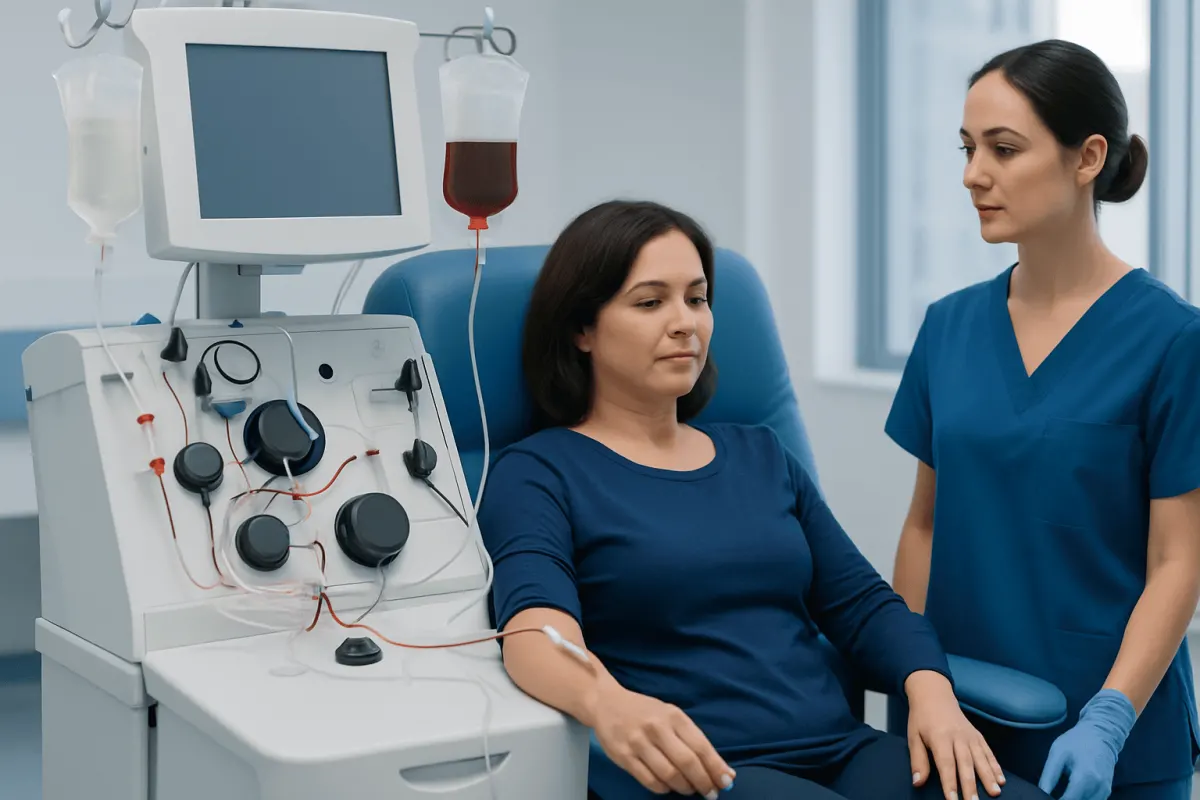
T-cell therapy is a form of cancer immunotherapy that strengthens or redirects a person’s immune cells to identify and attack cancer. CAR T-cell therapy is the best-known type and is used for certain blood cancers when standard treatments have not worked or the cancer has returned.
Overview: What Is T-Cell Therapy?
T-cell therapy is an umbrella term for treatments that use T lymphocytes, commonly called T cells, to help the immune system fight cancer. T cells are white blood cells that normally patrol the body, recognize threats and coordinate immune responses. Some T cells can kill abnormal cells directly, but cancer can develop ways to hide from immune defenses or weaken the immune response.
In some forms of T-cell therapy, doctors collect a patient’s T cells from the blood and modify, grow or activate them in a specialized laboratory. The cells are then given back by infusion. The aim is to help the T cells recognize cancer more precisely and mount a stronger anti-cancer response.
Chimeric antigen receptor, or CAR T-cell therapy, is the most established example. CAR T cells are engineered to carry a receptor that recognizes a chosen marker on cancer cells. It is a highly specialized treatment, not a routine option for every cancer, and it is generally provided at centers equipped to monitor and manage its potential complications.
How CAR T-Cell Therapy Is Given
The process usually begins with a procedure called leukapheresis, which collects white blood cells from the bloodstream. T cells are separated from the collection, sent to a manufacturing laboratory and genetically modified to carry a CAR. They are expanded into a larger number of cells before being returned to the treatment center.
While the cells are being prepared, some people may need treatment to control their cancer. Before the infusion, patients often receive a short course of chemotherapy known as lymphodepleting chemotherapy. This reduces certain immune cells and can help the infused CAR T cells expand and work effectively.
The CAR T-cell infusion itself is usually given through a vein. Afterward, patients need frequent assessment because side effects may develop in the early days or weeks. Follow-up includes clinical examinations, blood tests, infection prevention planning and cancer assessments. The exact pathway varies by diagnosis, the selected CAR T-cell product and the person’s overall health.
Can T Cells Effectively Fight Cancer?

Yes, T cells can effectively fight cancer in some situations. The immune system already has an important role in detecting and removing cells with abnormal features. However, tumors may suppress immune activity, create a protective environment around themselves or lack features that allow immune cells to recognize them clearly.
CAR T-cell therapy can overcome some of these barriers by giving T cells a new receptor designed to recognize a marker on cancer cells. In certain B-cell leukemias and lymphomas, and in multiple myeloma, this approach has produced deep and sometimes long-lasting remissions in people whose cancer has returned or did not respond to earlier treatment.
Its effectiveness is not universal. Some cancers do not have a suitable target, may lose the target marker over time or may create an environment that limits T-cell activity. Solid tumors, such as many cancers affecting organs and tissues, are more difficult to treat with CAR T cells than many blood cancers. Clinical trials continue to explore safer and more effective approaches.
What Is the Success Rate of T-Cell Treatment for Cancer?
There is no single success rate for T-cell treatment for cancer. Results depend on the exact diagnosis, the cancer’s features, previous treatments, the type of T-cell product, the person’s health and how “success” is defined. Studies may report an overall response, complete remission, duration of remission, survival or other outcomes, so percentages should always be interpreted in context.
For some approved CAR T-cell therapies used in relapsed or refractory blood cancers, many treated patients respond and some achieve complete remissions. Still, not every response lasts, and some people do not respond. Cancer can return because cancer cells change, lose the targeted marker or become resistant to immune attack.
A cancer specialist can explain the evidence that applies to an individual situation, including expected benefits, uncertainties and alternatives. Discussion should also cover whether the treatment is approved for the specific cancer or is being considered through a clinical trial. Reliable decisions are based on the full medical picture rather than on a single reported response rate.
Who May Be Considered for T-Cell Therapy?
CAR T-cell therapy is currently used most often for selected blood cancers, including certain forms of B-cell <a href="https://acibademhealthpoint.com/diseases/acute-lymphoblastic-leukemia/”>acute lymphoblastic leukemia, B-cell lymphoma and multiple myeloma. It is commonly considered after the disease has relapsed or has not responded adequately to other treatments. Eligibility differs between treatment products and countries.
The care team evaluates the cancer type and target marker, previous therapies, organ function, active infections, blood counts, neurological health and ability to attend close follow-up. Age alone does not determine eligibility, but overall fitness and potential risks are important. Doctors also consider whether cancer is progressing quickly enough to require treatment while the cells are being manufactured.
Other immune-based treatments may be appropriate for different cancers. These can include monoclonal antibodies, immune checkpoint inhibitors, stem cell transplantation or participation in a clinical trial. A multidisciplinary oncology team can help compare options and coordinate supportive care.
How Many Times Can You Get CAR T-Cell Therapy?
CAR T-cell therapy is usually designed as a one-time infusion for a particular manufactured product. The engineered cells may remain in the body and continue to act for a period of time, so it is not routinely delivered in repeated cycles in the same way as many chemotherapy treatments.
If cancer returns or does not respond, a second CAR T-cell treatment may occasionally be considered in carefully selected circumstances. Whether it is feasible depends on the cancer, the targeted marker, the first treatment response, available cell products, prior side effects and the person’s health. Retreatment is an individualized decision, and evidence is still evolving for many situations.
When CAR T-cell therapy is no longer suitable, doctors may discuss other treatments, including targeted medicines, chemotherapy, antibody-based therapies, radiation in selected cases, stem cell transplantation or clinical trials. Ongoing follow-up helps the team identify relapse early and plan the most appropriate next step.
Risks, Side Effects and Follow-Up Care
CAR T-cell therapy can cause serious side effects, which is why it is given through experienced centers with rapid access to specialist care. Cytokine release syndrome occurs when immune activation causes symptoms such as fever, low blood pressure, rapid heartbeat or breathing difficulties. It can range from mild to severe and is treated with careful monitoring and medicines that control inflammation when needed.
Some patients develop neurological side effects, which may include confusion, headache, tremor, sleepiness, difficulty speaking or, rarely, seizures. Other possible concerns include low blood cell counts, infections, fatigue and reduced levels of normal antibodies. The care team may recommend infection-prevention measures, vaccinations at an appropriate time, blood tests and antibody replacement for selected patients.
Patients and caregivers should receive clear instructions about symptoms that need urgent assessment, particularly fever, breathing problems, new confusion, severe weakness or unusual bleeding. Follow-up is important even after recovery from early side effects, both to assess cancer response and to manage longer-term immune effects.
How Can I Naturally Increase My T Cells?
There is no proven natural method that selectively and reliably increases T-cell numbers enough to treat cancer. The immune system is tightly regulated, and a higher T-cell count is not necessarily better. Cancer treatment decisions should not be delayed in favor of diets, supplements or “immune-boosting” products.
Supportive habits can help maintain general immune health and overall wellbeing. These include eating a varied diet with adequate protein, staying physically active within personal limits, sleeping well, managing stress, avoiding tobacco and limiting alcohol. During cancer treatment, nutritional and activity advice should be individualized because symptoms, low blood counts and infection risks can affect what is safe.
Supplements marketed to stimulate immunity may interact with cancer medicines or be unsuitable for people with liver, kidney or immune conditions. Patients should tell their oncology team about all vitamins, herbal products and complementary therapies before taking them. Acıbadem Health Point’s multidisciplinary specialists and JCI-accredited hospitals provide assessment and treatment planning for international patients who may be considered for advanced cancer therapies.
Frequently asked questions
01Is T-cell therapy the same as CAR T-cell therapy?
CAR T-cell therapy is one type of T-cell therapy. The broader term can include several approaches that collect, activate, expand or modify T cells to improve their ability to recognize cancer. CAR T therapy specifically engineers T cells to carry a receptor directed at a particular cancer-associated target.
02How long does CAR T-cell therapy take?
The cell-collection procedure may take several hours, while laboratory manufacturing often takes weeks. The infusion is usually a single treatment visit, but the overall process includes pre-treatment evaluation, possible bridging therapy, chemotherapy before infusion and close monitoring afterward. Timelines vary between centers and products.
03Is CAR T-cell therapy chemotherapy?
No. CAR T-cell therapy is a type of cellular immunotherapy. However, patients commonly receive a short course of chemotherapy before the infusion to prepare the immune system, and they may have received chemotherapy earlier in their cancer care.
04Can CAR T-cell therapy cure cancer?
Some people have long-lasting remissions after CAR T-cell therapy, and it may be potentially curative in selected situations. However, outcomes vary and cancer can return after treatment. A specialist can discuss the goals of treatment based on the specific cancer and available evidence.
05What cancers are treated with CAR T-cell therapy?
Current approved uses are mainly for specific blood cancers, including certain leukemias, lymphomas and multiple myeloma. Availability and eligibility vary by country and by individual product. Research is ongoing in additional blood cancers and solid tumors.
06What should a patient ask before considering T-cell therapy?
Useful questions include whether the cancer has the appropriate target, what benefits and risks are expected, whether a clinical trial is available and what alternatives exist. Patients can also ask about the timeline, caregiver needs, follow-up schedule, infection precautions and financial or travel planning. An experienced cellular therapy team can provide personalized answers.
This article is for general information only and is not a substitute for professional medical advice. Please consult a qualified doctor about your individual situation.
Oncology care in Turkey — second opinion and treatment plan
JCI-accredited · board-certified surgeons · reply within 24h
Add us as a Preferred Source to see more of our trusted health content across Google Search, AI Overviews and Discover.